
Paperboard Hydrocarbon Extraction and LC-GC-FID Analysis Protocols
Paperboard LC-GC-FID testing requires ethanol swelling, mCPBA epoxidation, and accurate UCM baseline integration to verify MOSH and MOAH migration compliance.
Paperboard LC-GC-FID testing requires ethanol swelling, mCPBA epoxidation, and accurate UCM baseline integration to verify MOSH and MOAH migration compliance.

EUDR compliance requires paper packaging to carry verified forest polygon coordinates through segregated chain of custody, eliminating mass balance credits.

Polymeric barrier degradation across paperboard creases follows strain rate kinetics where strain exceeding coating yield limits creates pinholes and invalidates functional compliance.

Fickian migration diffusion modeling provides legally binding compliance verification under EU Regulation 10/2011 when Piringer parameters upper-bound migration.

Verify polymer barrier paperboard through creased Cobb testing, migration simulant suites, Cepi repulpability yields, and lot-matched Declarations of Compliance.
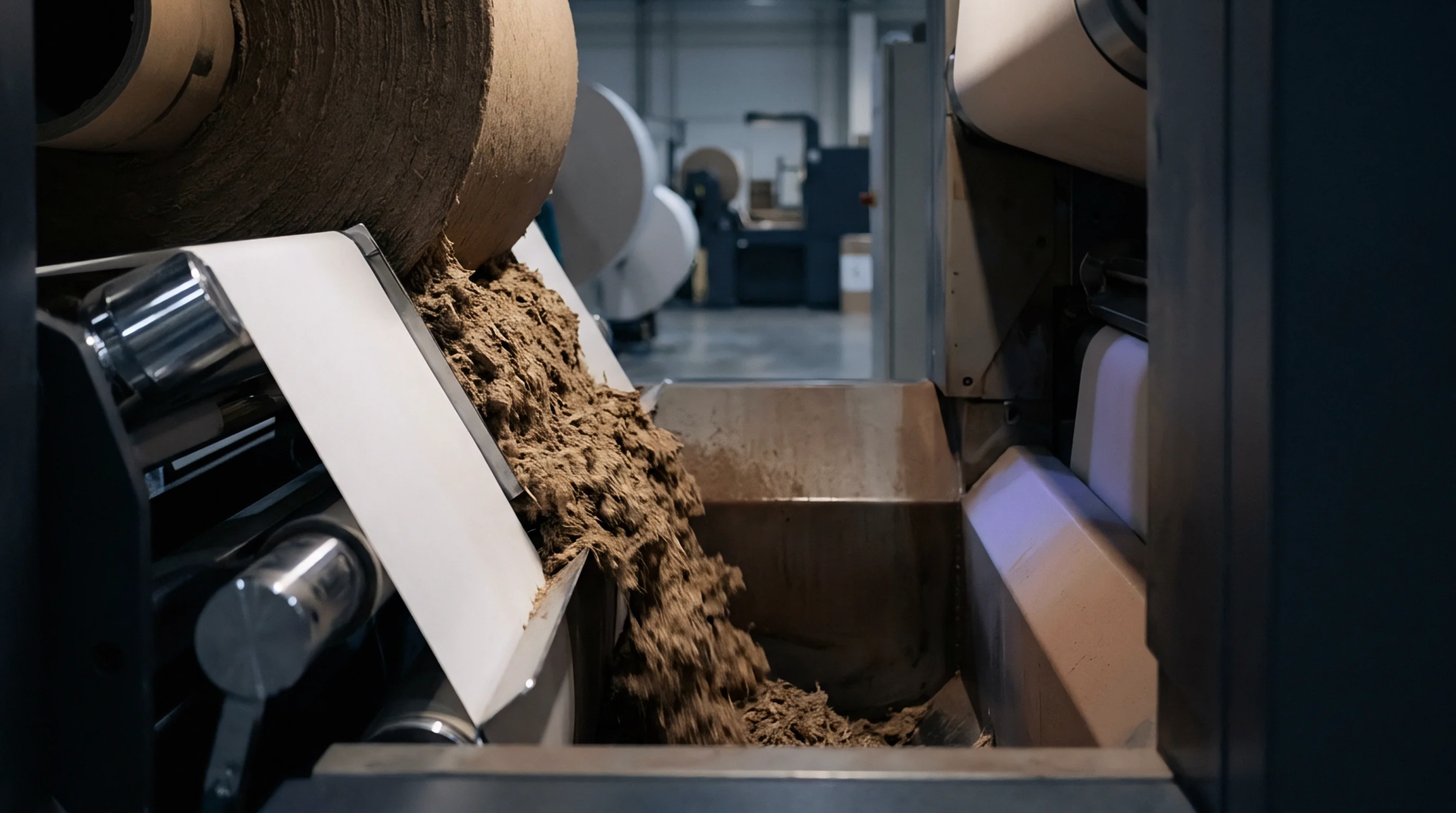
Controlling effective alkali profiles and temperature in continuous digesters maximizes xylan retention, stabilizing pulp yield and securing compliance files.

Preserving softwood galactoglucomannan during kraft cooking through redox chemistry increases pulp yield by three percent while reducing refining power.

Cross-referencing mass spectrometry isotopes and fiber cell anatomy against geolocation coordinates validates imported packaging EUDR deforestation declarations.

Reconciling credit accounts requires tracking FIFO expiration dates per site, adjusting for conversion waste, and blocking claims prior to ledger depletion.

Food contact safety for recycled board requires functional barrier proof and complete chain of custody documentation down to invoice line items.

Laboratory screen slot pass-through fails to predict commercial micro-sticky deposition due to thermal softening and shear-induced particle coalescence.

Reconciling CEPI laboratory recyclability metrics with high-consistency pulper residue requires converting dry laboratory screen yields into wet-basis industrial residue mass balances that account for fiber entrapment and screen blinding.

Standard laboratory disintegration assesses paperboard repulpability by measuring defibering rates, fiber yield, and screen reject fractions under fixed shear.

European post-consumer recycled claims depend on matching certified mill scope lines directly to batch delivery notes and mass balance allocation ledgers.

Validating paperboard claims requires cross-checking certificate scope codes on public databases and securing batch migration test reports.

Verifying post-consumer recycled claims in folding boxboard requires cross-referencing FSC/PEFC credit accounts with deinking yield losses and MOSH/MOAH markers.

Cross-border recycled pulp disputes clear by adjusting gross container weight to bone-dry fiber mass via ISO 7213 wedge sampling and ISO 2144 ash deductions.

Auditing recycled furnish requires converting weighbridge gross mass to bone-dry fiber to prevent water inflation in CoC ledgers and commercial settlements.

Reconciling decoupled credit ledgers with physical fiber movements requires dynamic conversion factor auditing and site-level transfer tracking.

Applying uncorrected gross weights or inflated yield factors into mass balance ledgers creates over-allocated credit accounts that trigger customs seizures.

Conversion factor calculations for multi-ply boxboard ledger balances demand ply-separated dry furnish accounting to isolate mechanical core broke from virgin liners.

Aligning packaging redesign schedules with European recyclability deadlines requires twenty-four months to pass repulpability tests, tool lines, and secure EPR compliance.

Multi-site chain of custody credit ledgers centralize certified fiber allocations across eligible sites under strict conversion and 24-month expiration limits.

Extractives and migration testing requires matching food simulants, extraction solvents, and analytical thresholds to specific regulatory contact conditions.

Paperboard physical property verification requires strict ISO 187 conditioning and standardized test methods to ensure compliance and prevent customs holds.

Laboratory fiber yield metrics depend on screen slot geometry and ash corrections, directly determining EPR eco-modulation fee surcharges on packaging.

Functional barrier qualification requires gas chromatography verification of saturated and aromatic hydrocarbon migration below detection limits on creased board.

Verify industrial compostability claims by matching finished pack wall thickness and ink coverage against public register scope lines before shipping.

Resolving multi layer migration liability requires linking batch trace numbers to accredited specific migration reports and contract indemnity clauses.
Pyrolysis cracker marker loss creates a mathematical discrepancy between certified credit ledgers and physical packaging test signals.
Expertise is a utility, not a secret. sentiention™ publishes its working knowledge as open reference: intelligence layer covering the materials it sources, the markets it enters, and the reference that serves both.