Viscoelastic Creep Compliance Analysis in Heat Embossed Boxboard Packaging
Heat embossing lowers boxboard creep resistance by disrupting fiber bonds, demanding higher safety factor allowances in carton top-load calculations.
Heat embossing lowers boxboard creep resistance by disrupting fiber bonds, demanding higher safety factor allowances in carton top-load calculations.

Thermal pressure collapses hornified recycled fiber networks permanently, driving localized caliper loss, blister delamination, and scoreline failures on converting.
Stabilizing cylinder temperatures at twenty-six degrees Celsius limits fountain water pickup, keeping cross-direction sheet expansion below critical register.
Prepress downscaling contracts vector artwork to compensate for predictable brass die thermal expansion at hot stamping press operating temperatures.
Calculate hot foil die shrink factors using exact alloy thermal coefficients and measured platen temperatures to prevent multi-millimeter register errors.

Dynamic delamination in recycled board stems from hornified short fibers in middle plies, requiring balanced starch and scoring geometry to prevent conversion splits.

Calculate female matrix channel widths using a 1.7 to 1.9 clearance factor to absorb recycled fiber compaction and stop score cracking at line speed.
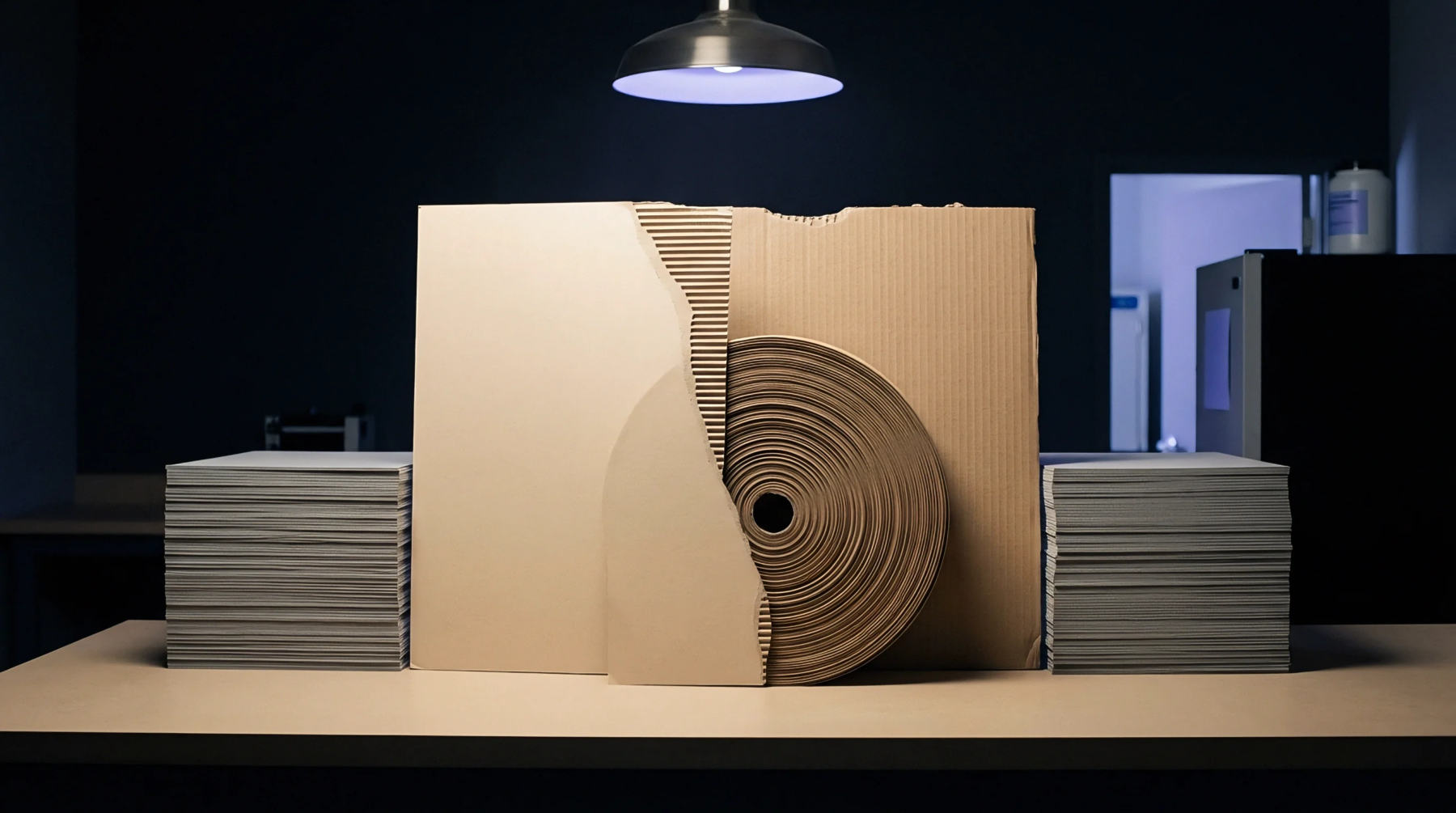
Z direction tensile testing isolates internal bond strength under perpendicular loads, preventing ply separation during high tack printing and blister sealing.
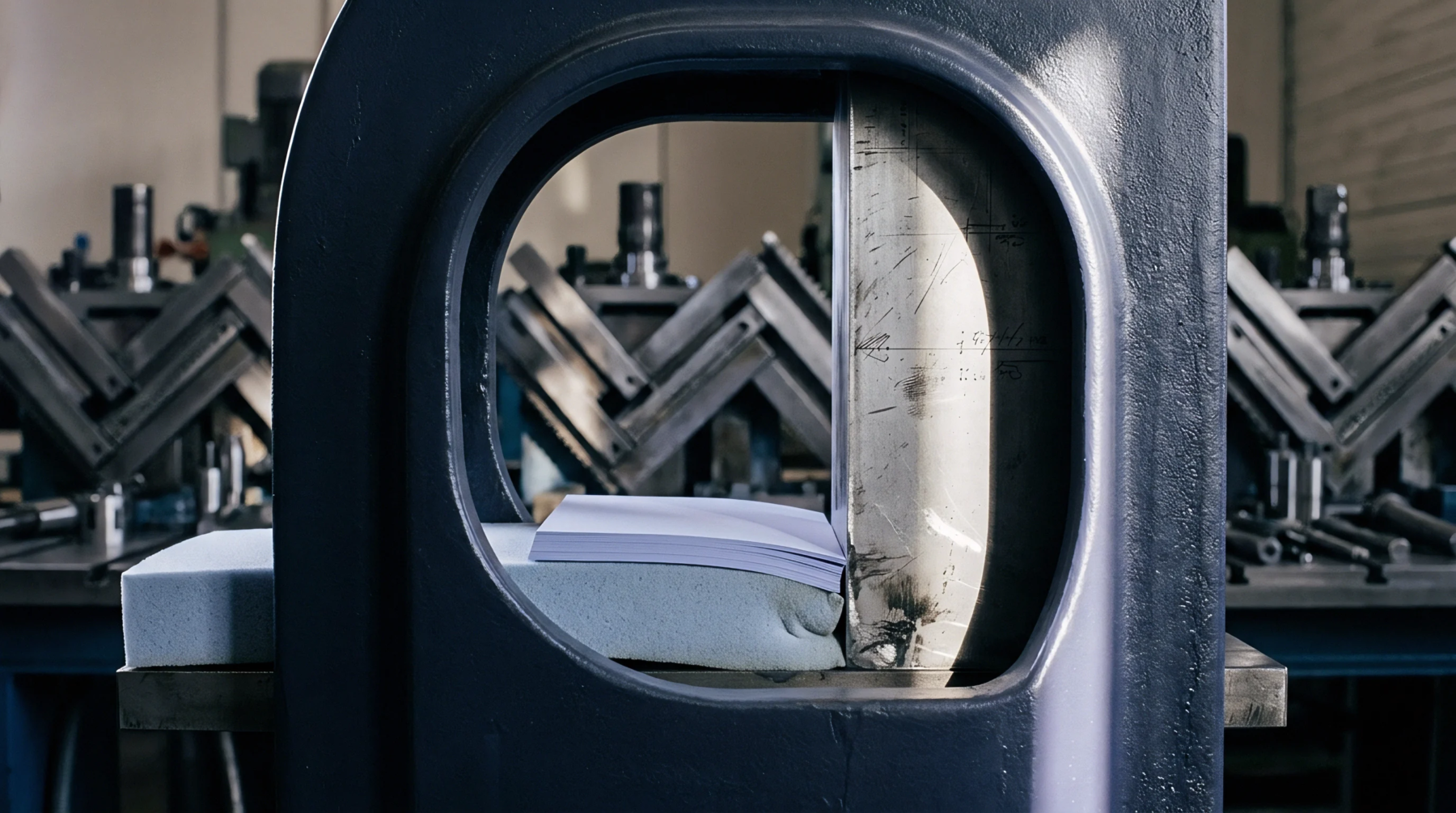
Recycled board requires 15 to 25 percent wider counter channels with radiused shoulders to absorb dynamic shear without splitting mineral coatings at speed.

Dynamic crease stiffness ratio optimization balances rule geometry and substrate mechanics to eliminate high-speed packaging jams and score cracking.
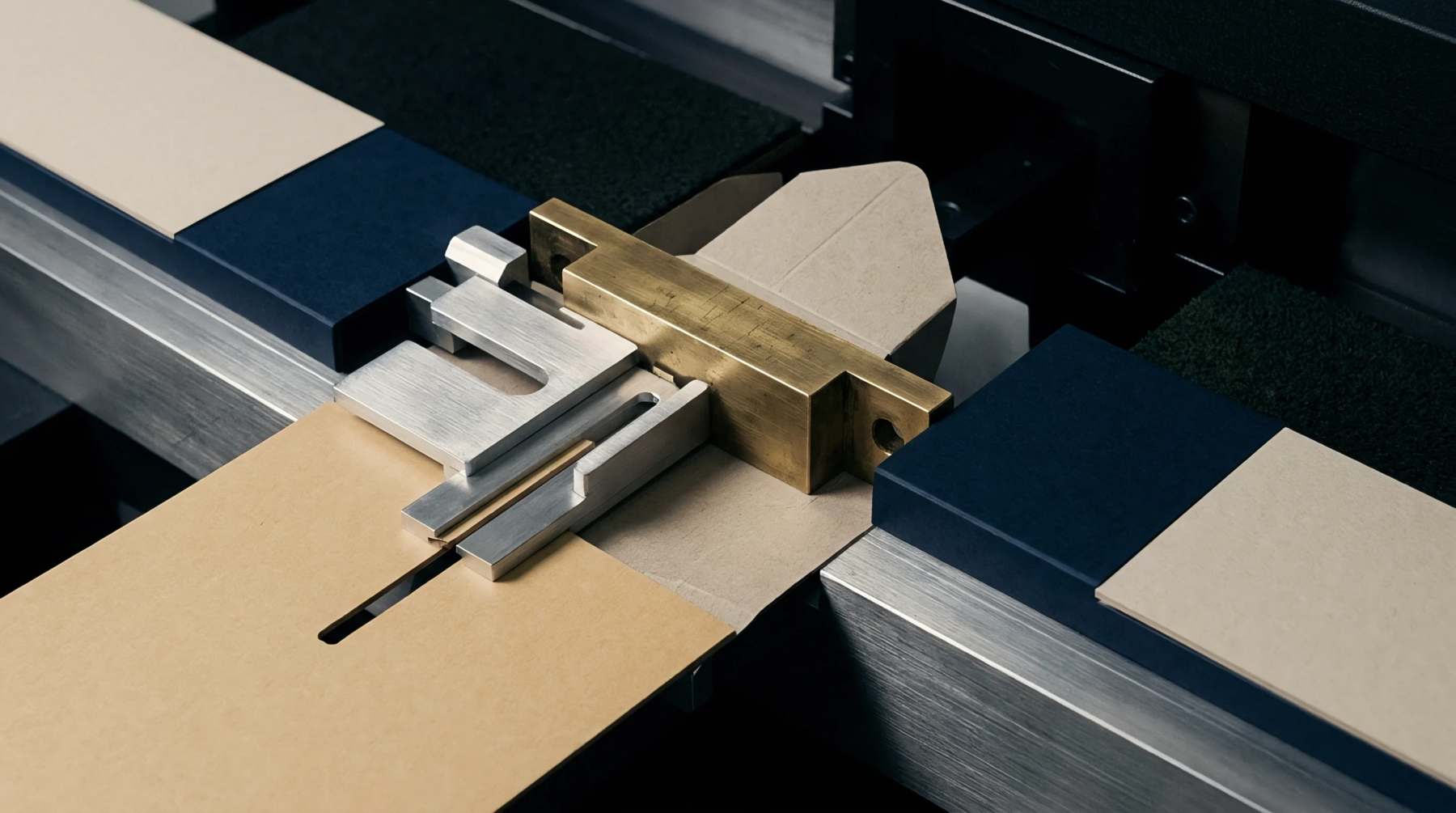
Match rule thickness to carton caliper using 2-point steel under 450 microns and 3-point above, sizing matrix width to rule plus 1.5 times caliper.
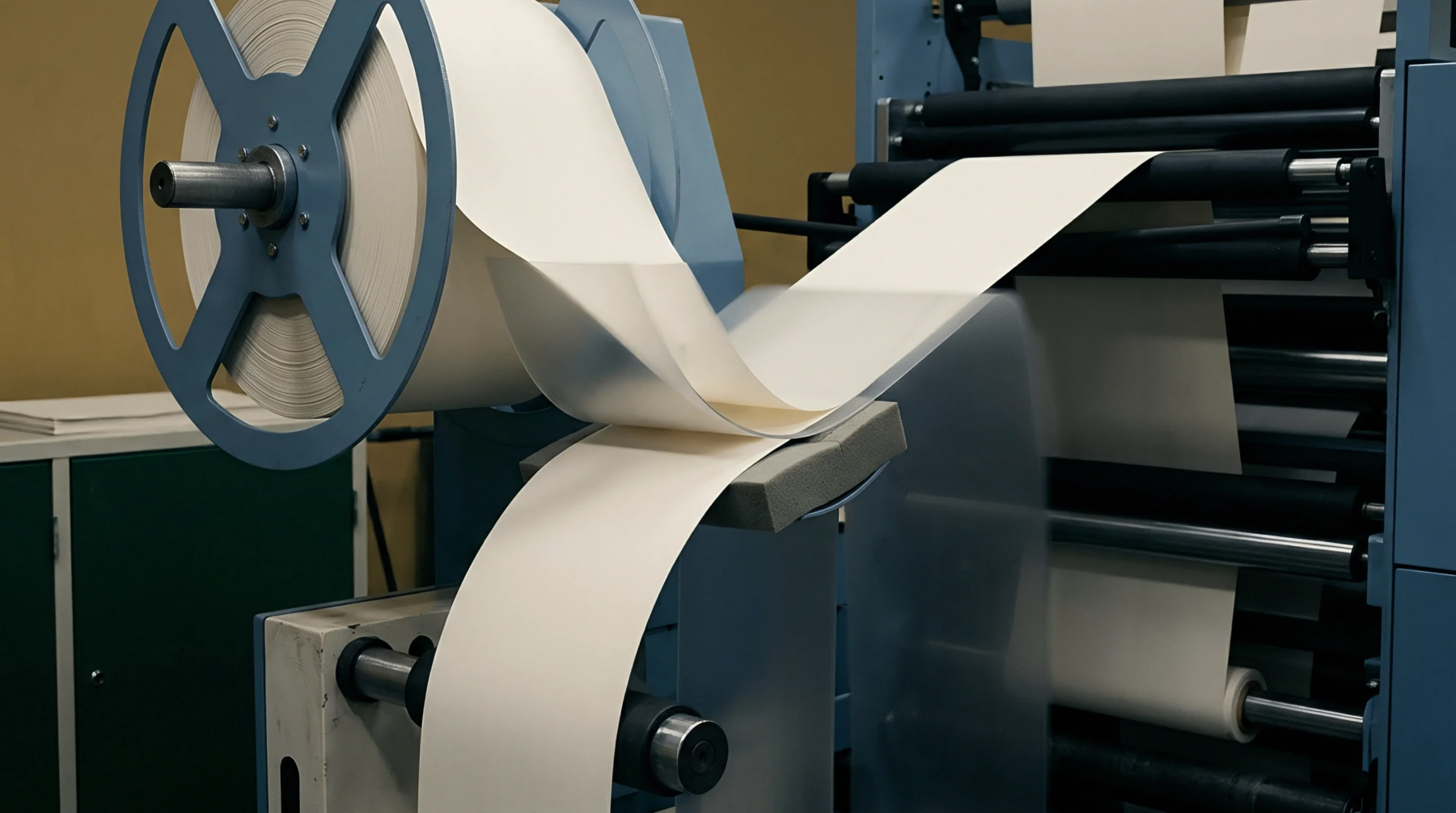
Tune transducer frequencies and monitor ultrasonic attenuation in line to halt sub-micron cavitation and prevent catastrophic barrier film delamination.

Matching transducer center frequency to paperboard density and score depth eliminates micro-crack false rejects while detecting internal shear delamination.

Dynamic converting shear causes dispersion coating delamination unless polymer penetration reaches five to twelve micrometers into the board fiber structure.
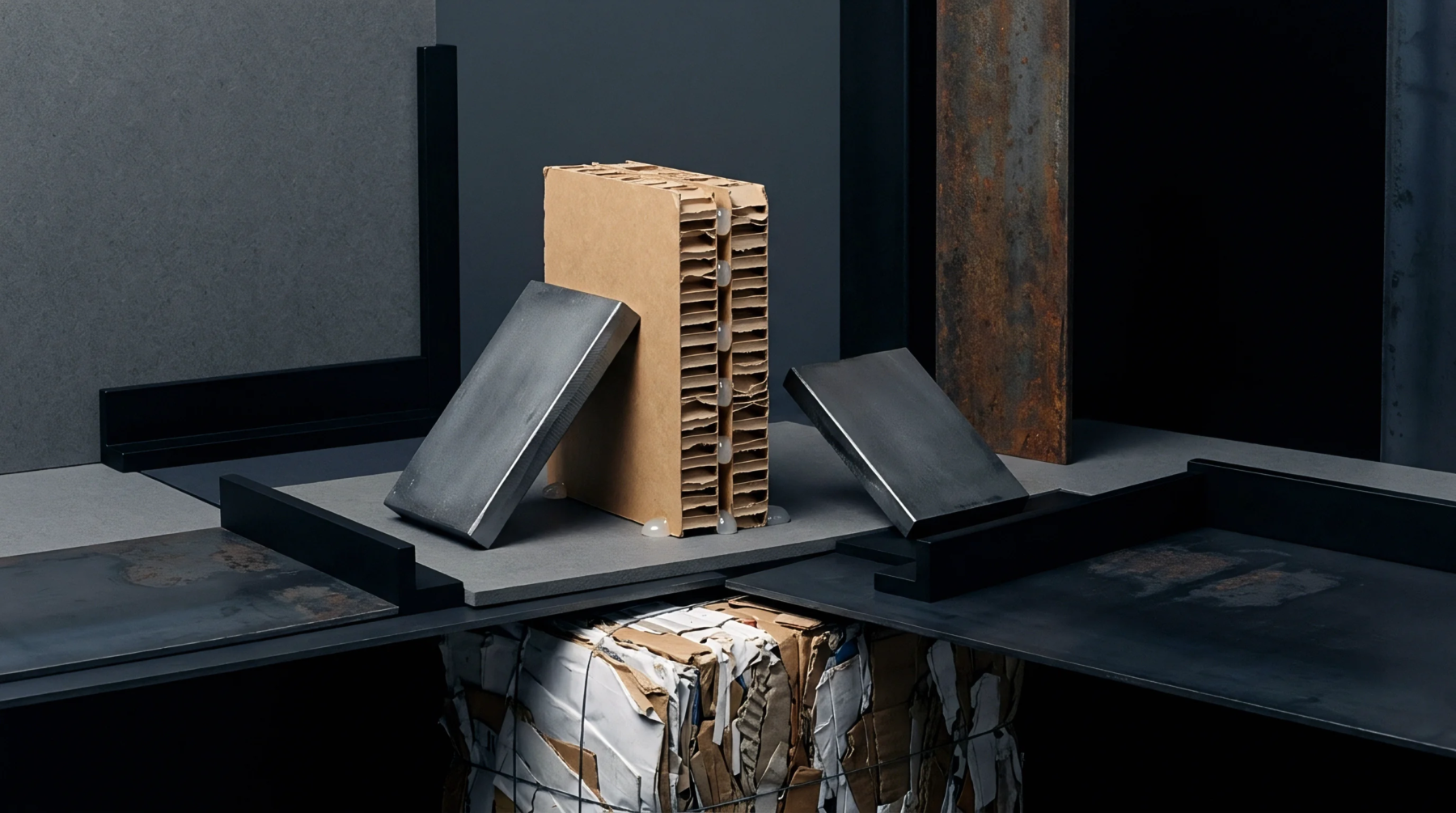
Dynamic humidity plasticizes microfibrillated cellulose barrier networks, accelerating high-frequency ultrasonic attenuation to expose gas barrier breakdown inline.
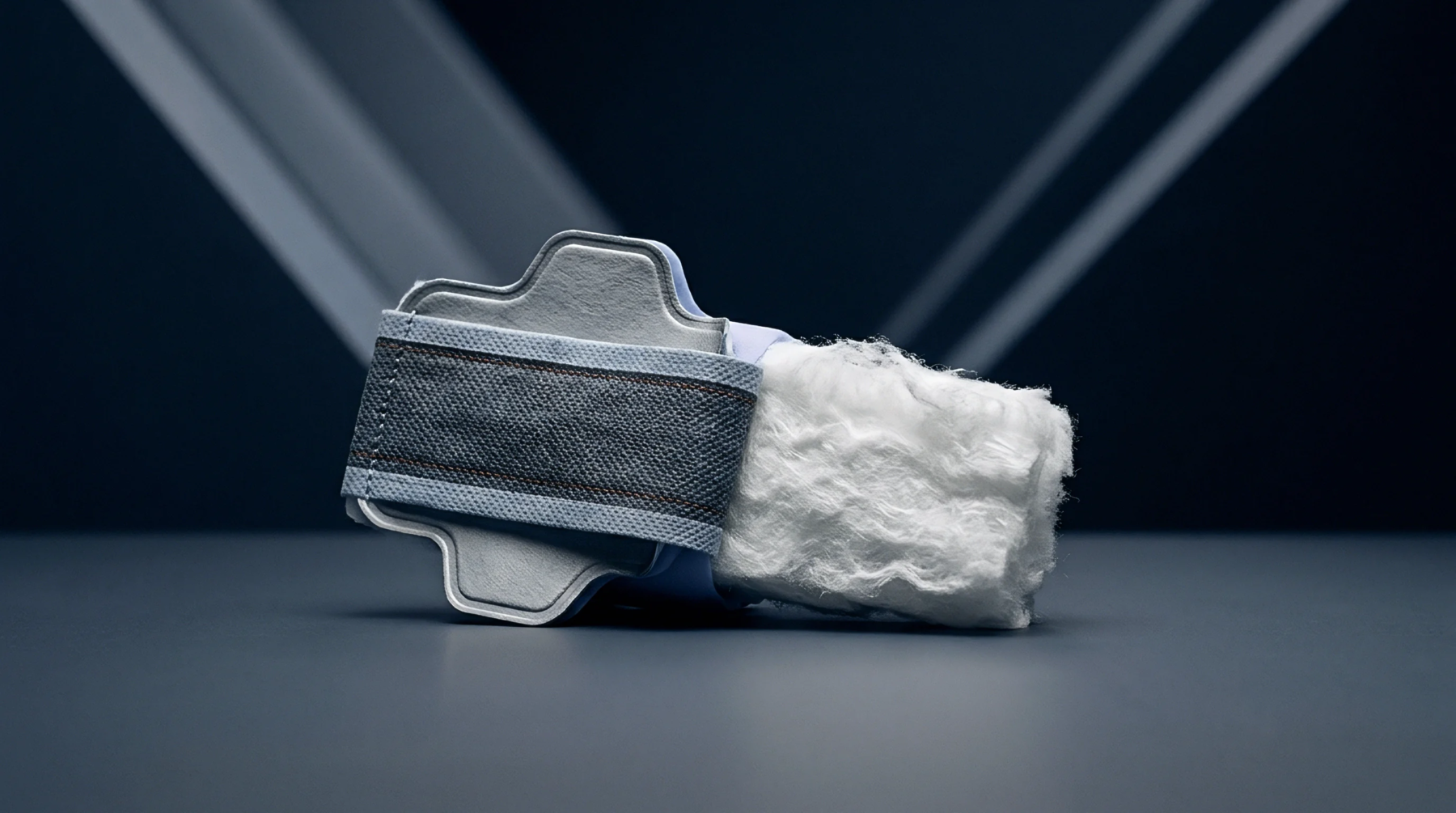
Acoustic impedance profiling measures reflected ultrasonic pulses to detect microscopic barrier pinholes, layer starvation, and score cracking non-destructively.
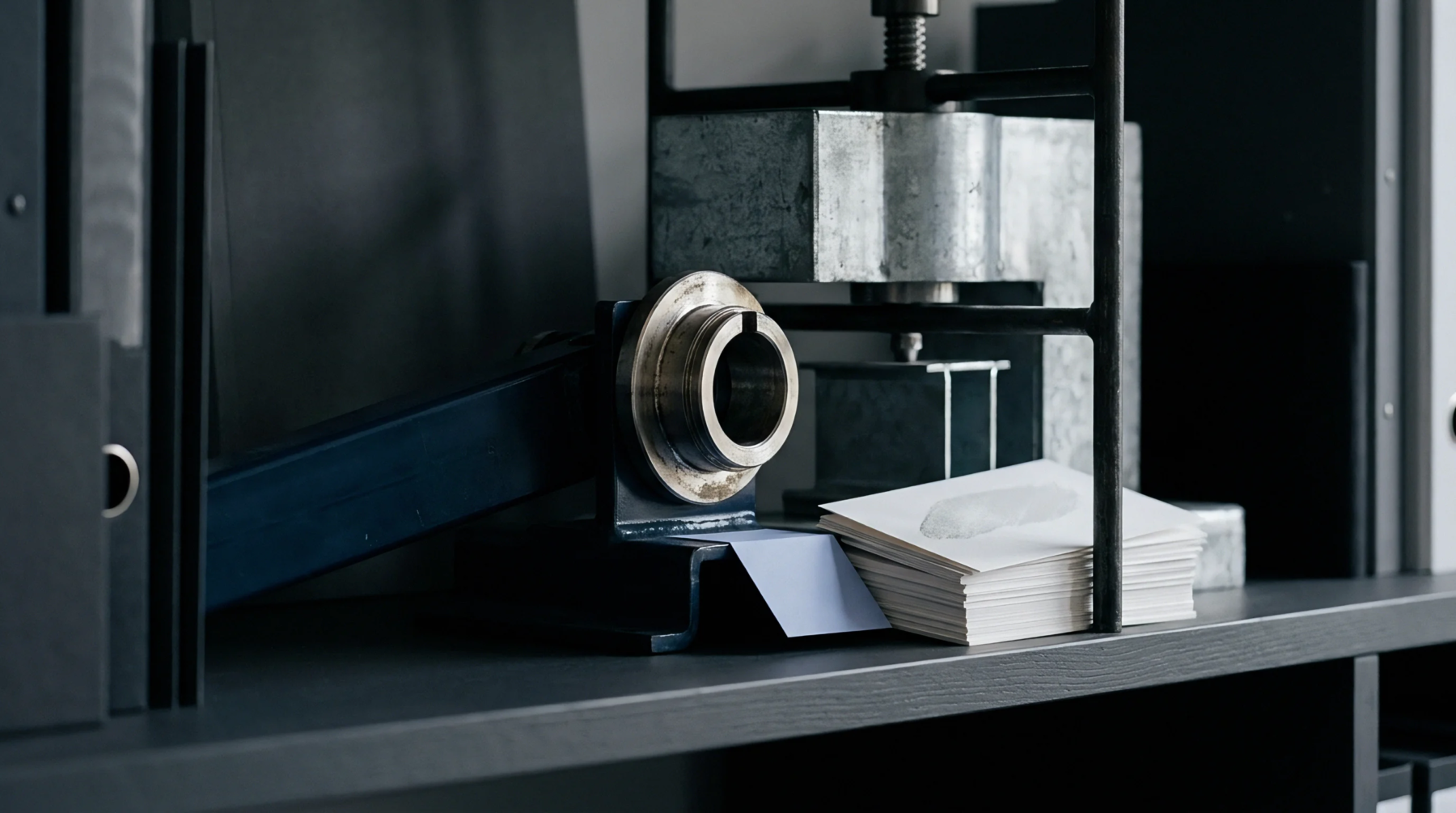
High-frequency pulse-echo ultrasound measures micron-scale extrusion coatings non-destructively, cutting resin overfill and preventing barrier delamination.

Empirical inverse filtering deconvolves viscoelastic signal distortion to deliver exact impact force measurements for variable density rotary converting sleeves.
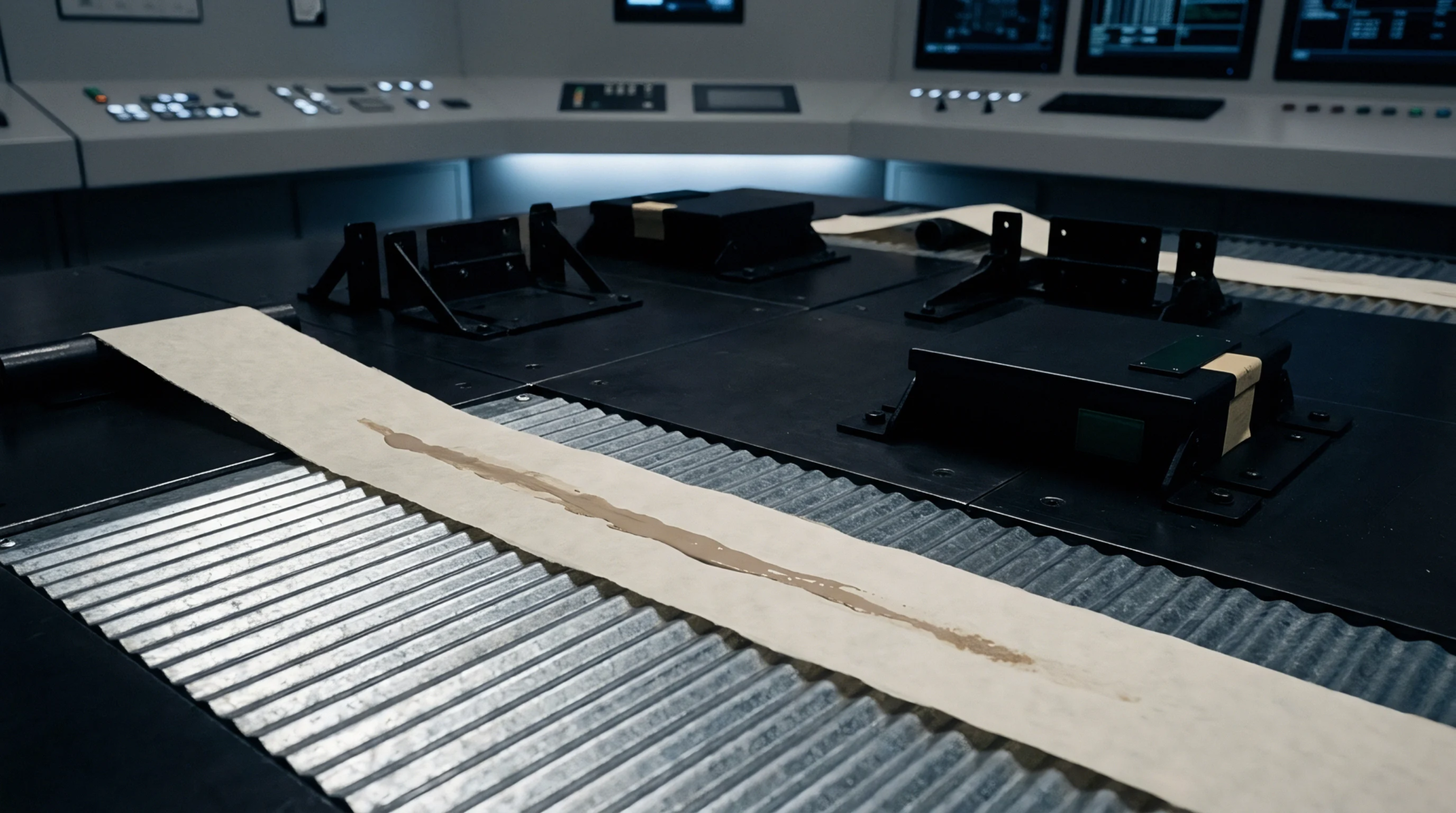
Polyurethane anvil wear monitoring prevents corrugated flute crush and scrap spikes by triggering blanket rotations before groove depths exceed 1.2 millimeters.
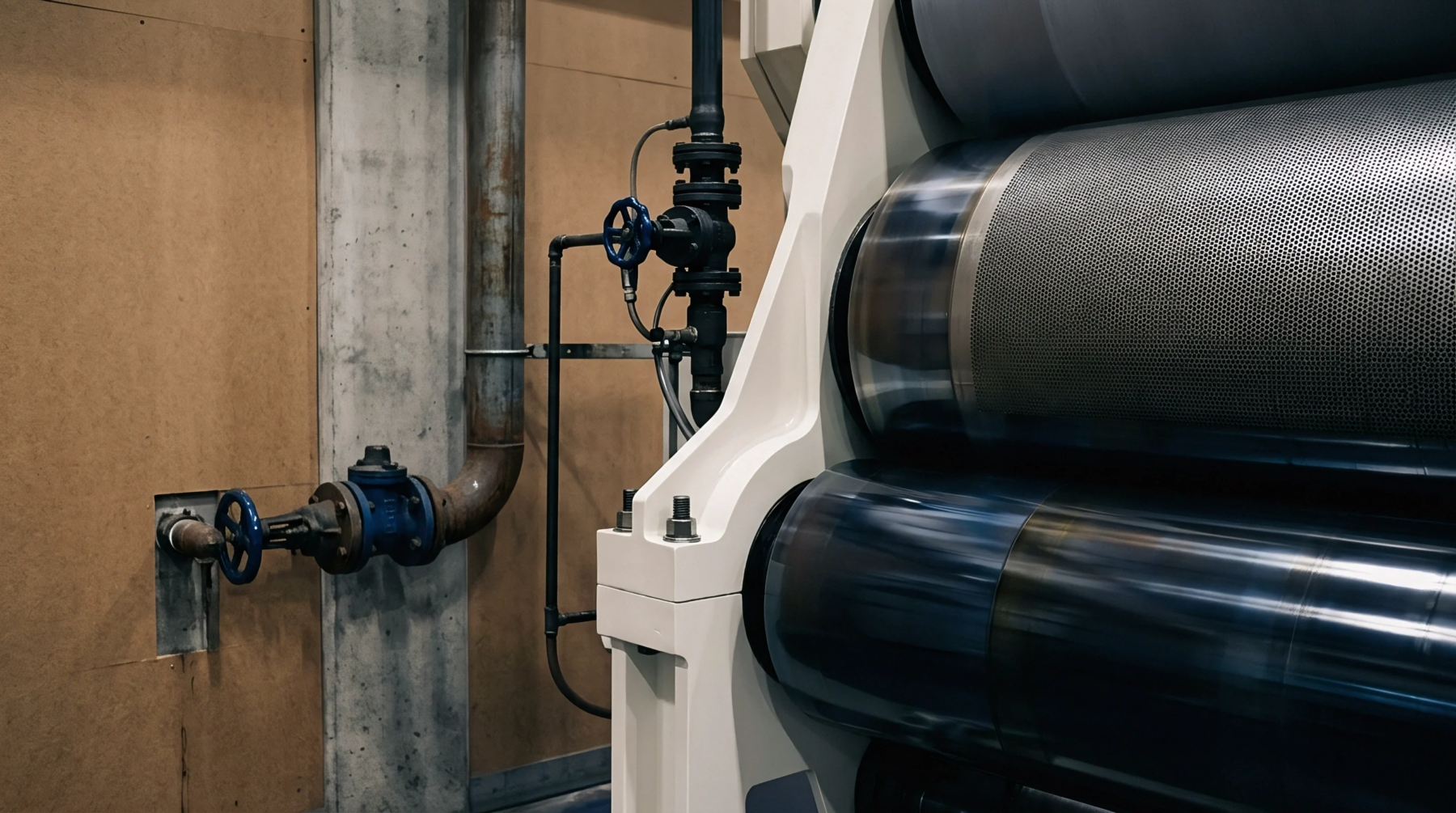
Acoustic emission acquisition isolates ultrasonic shear waves to detect rotary die blade micro-wear before visual burrs cause carton rejection and downtime.

Decoupling multi-axis load signals with inverted sensitivity matrices cancels transient vibration cross-coupling, protecting die life and cut accuracy.
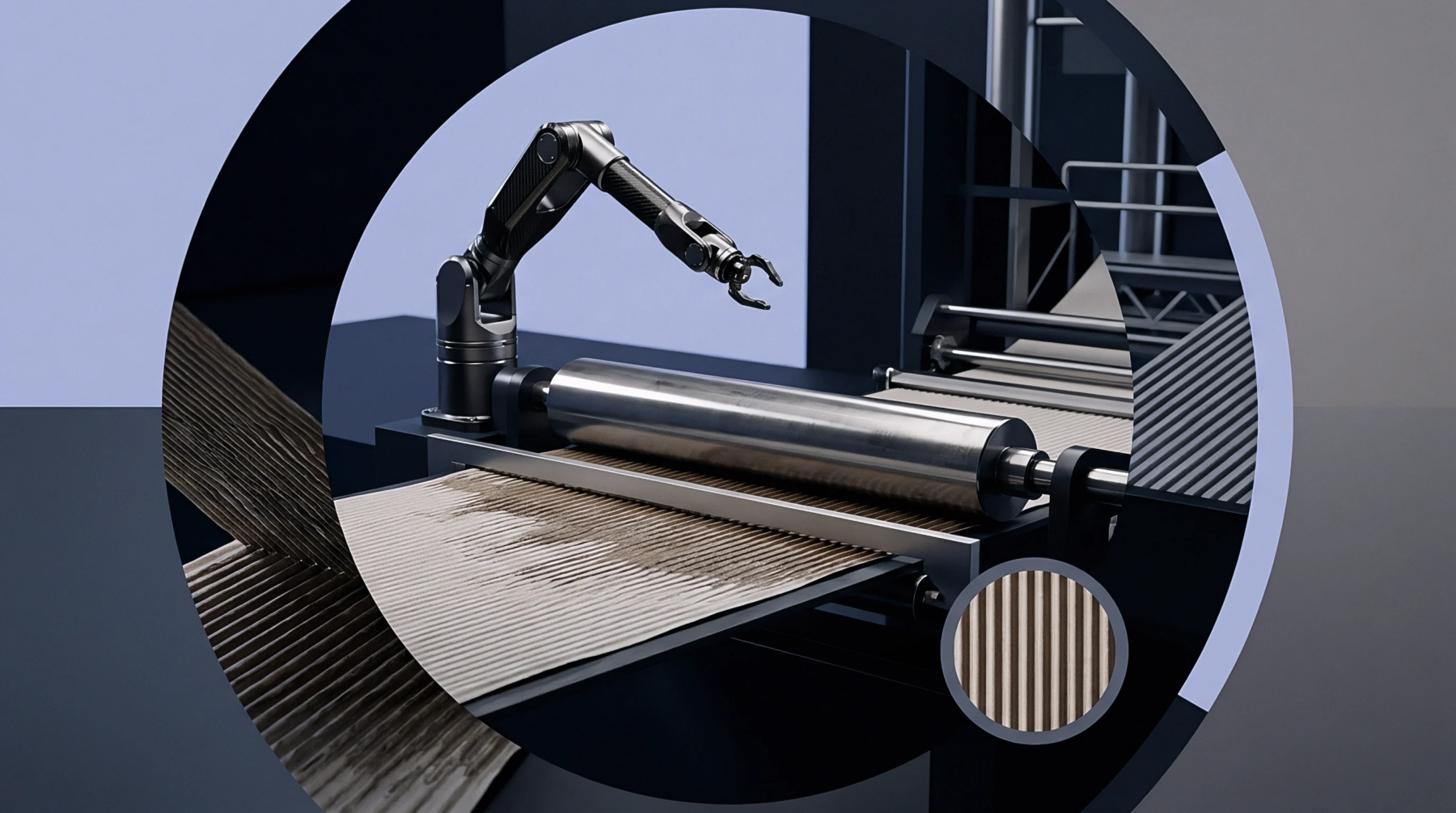
Dynamic calibration of press-embedded piezoelectric transducers guarantees balanced cutting tonnage, preventing crease fractures and costly tooling wear.

Optimize charge amplifier response during board scoring by coupling wideband Bessel filtering with ten-teraohm feedback to isolate true ply delamination.
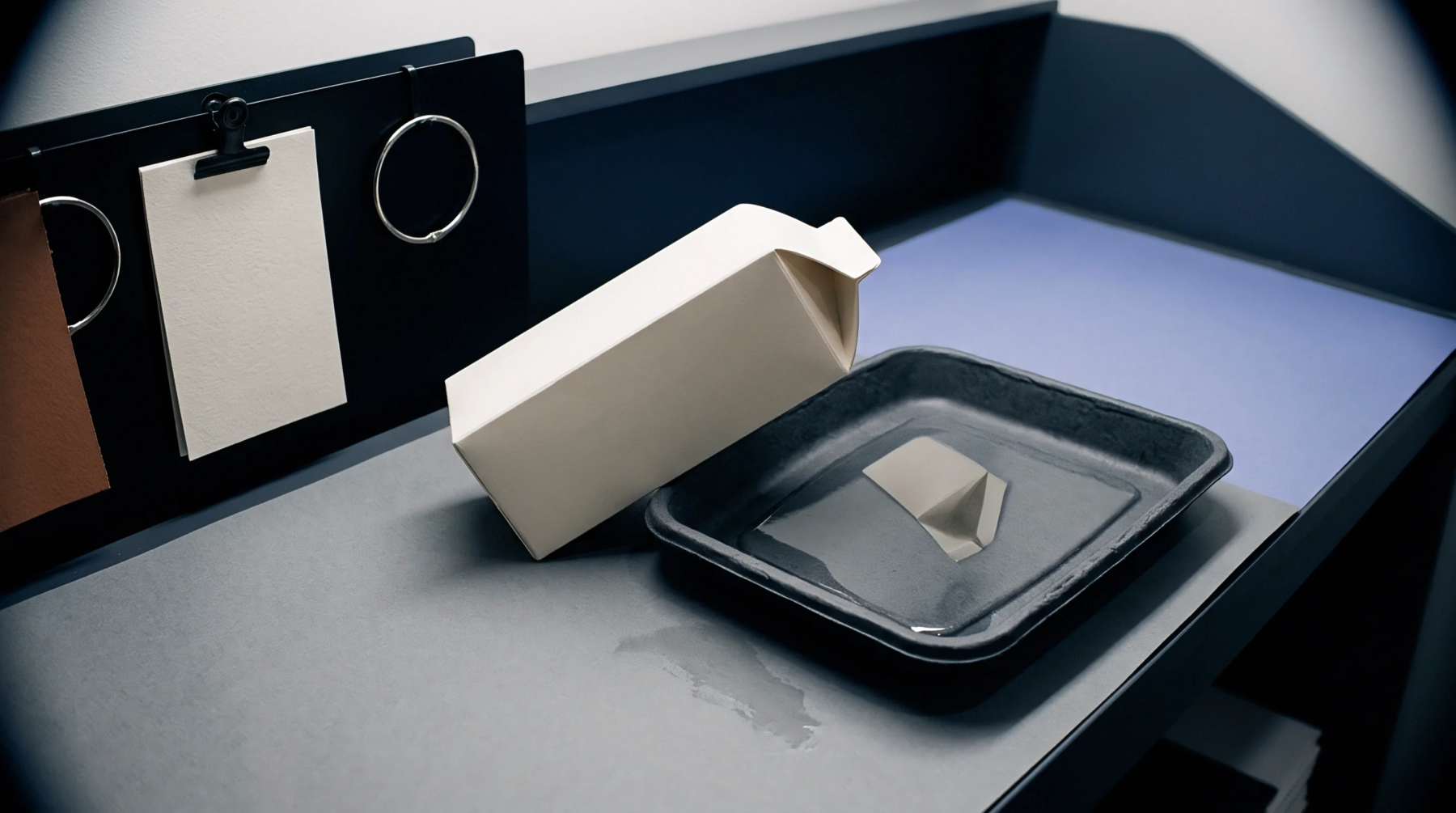
Fickian migration models balance additive saturation and winding nip forces to stop slip transfer and preserve lamination bond strength across converting runs.

Acoustic emission calibrates multiply board creasing by tracking high-frequency ply delamination bursts to stop liner fractures before carton blanks leave the die.

Inline stress wave frequency analysis isolates paperboard micro-delamination at high speeds by detecting attenuation drops and dynamic resonant shifts.
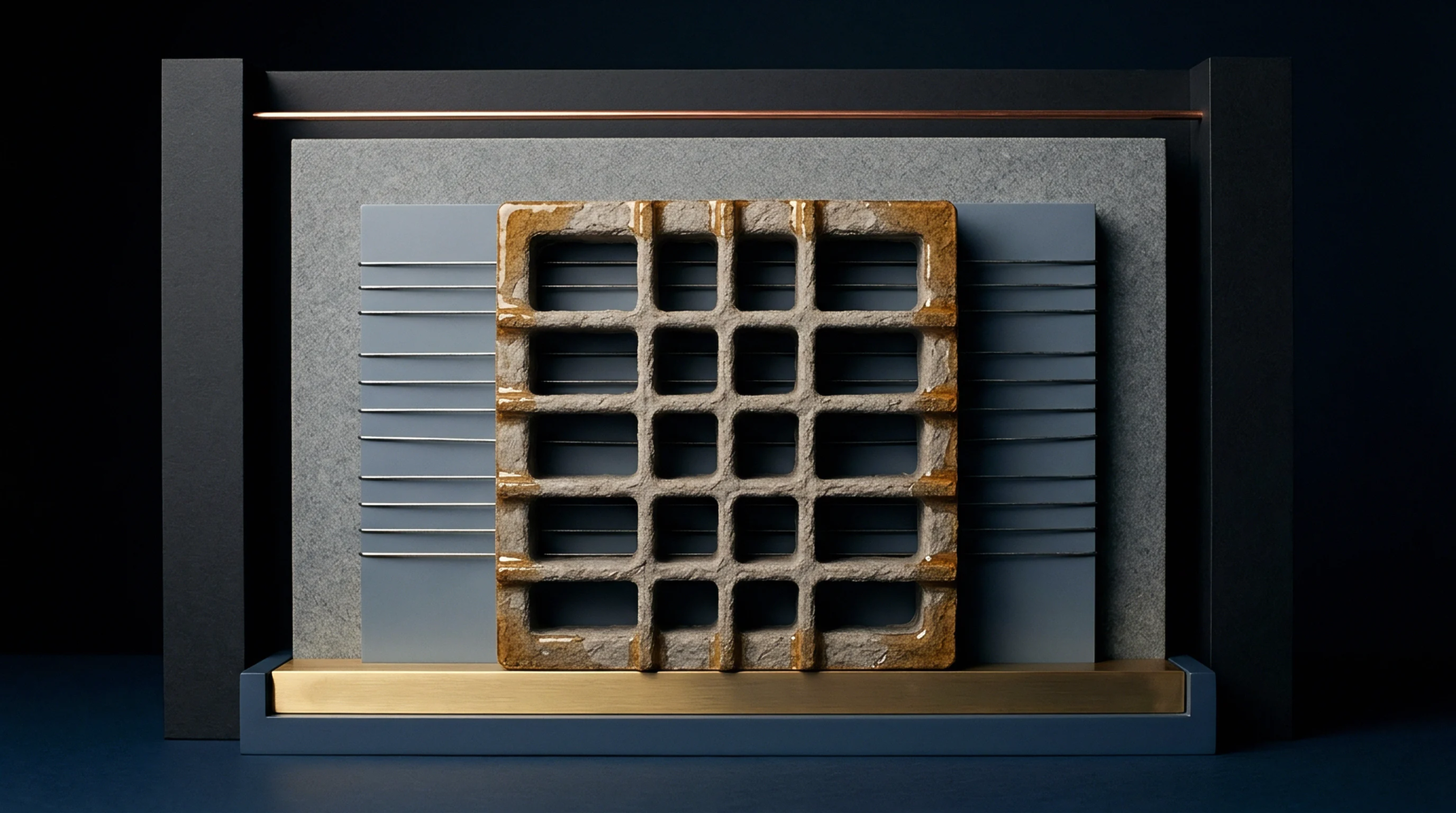
Inline piezoelectric acoustic sensors detect internal board ply fracture during rotary scoring, enabling real-time crease depth control and waste reduction.
Kinetic modeling predicts laminate failure by coupling additive diffusion rates to critical monolayer accumulation thresholds at the adhesive interface.
Inline corona discharge stabilizes polyolefin wetting immediately ahead of coating passes, mitigating inventory decay caused by additive migration.
Verify polyolefin surface energy via multi-liquid contact angle goniometry using OWRK analysis to separate polar and dispersive components before laminating.
Expertise is a utility, not a secret. sentiention™ publishes its working knowledge as open reference: intelligence layer covering the materials it sources, the markets it enters, and the reference that serves both.