Ultrasonic Wave Bending Resistance Verification for Laminated Cartonboard Scores
Ultrasonic wave velocity verification isolates micro-delamination and dynamic stiffness drops in laminated cartonboard scores prior to line erection failures.
Ultrasonic wave velocity verification isolates micro-delamination and dynamic stiffness drops in laminated cartonboard scores prior to line erection failures.
Acoustic wave velocity and attenuation measurements non-destructively quantify internal paperboard ply delamination and predict score line folding stiffness.
Controlling boundary layer Deborah numbers and pressure exit gradients prevents cavitation rupture defects during high-speed hydrostatic rotary embossing.
Excessive rotary die compression forces polymer barrier layers past strain limits, generating micro-pinholes that destroy package barrier performance.
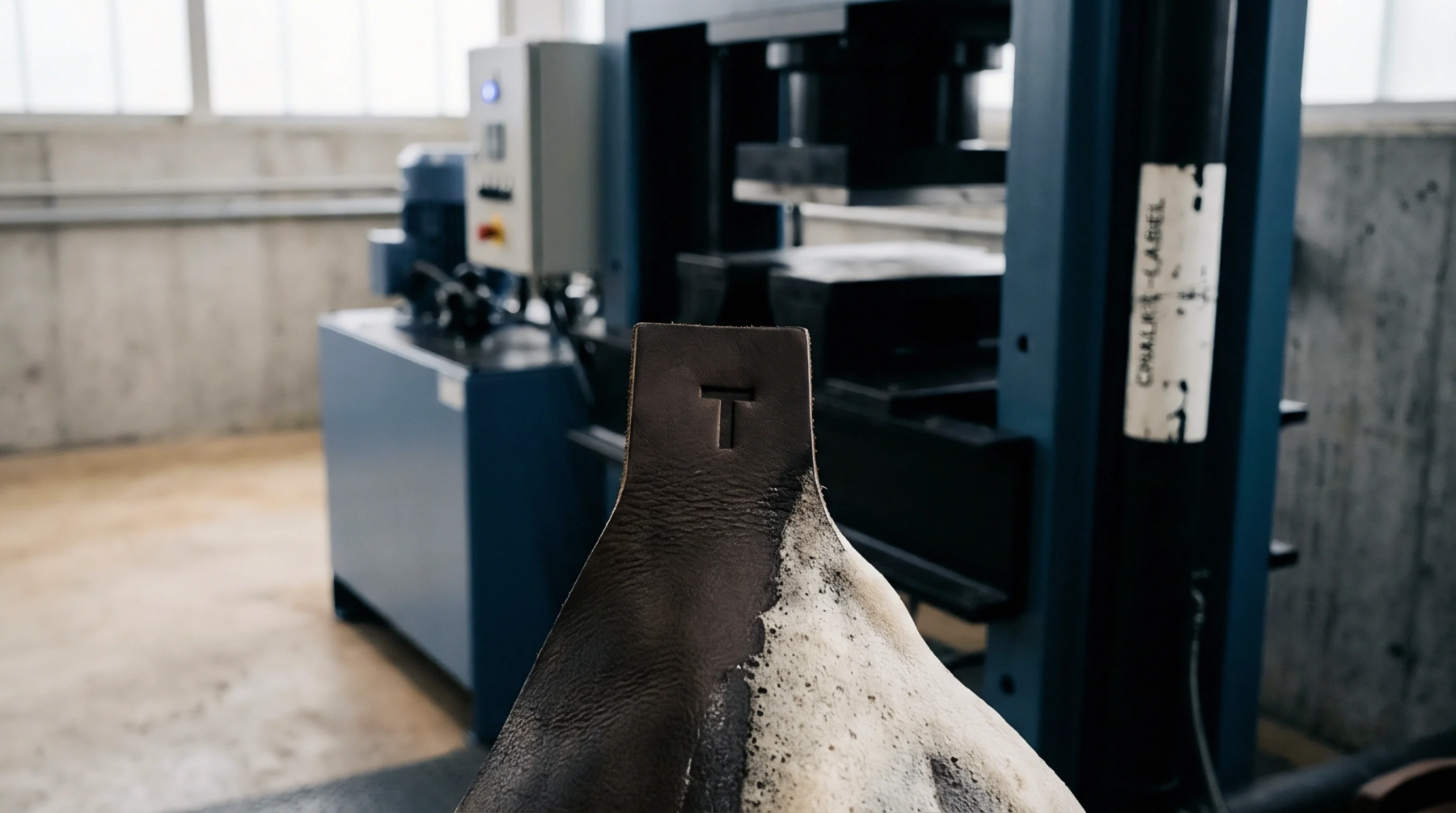
Hydrostatic squeeze flow in wet coating embossing forces lateral fluid displacement into gravure cells, requiring precise shear-thinning control to prevent edge ridging and pinholes.
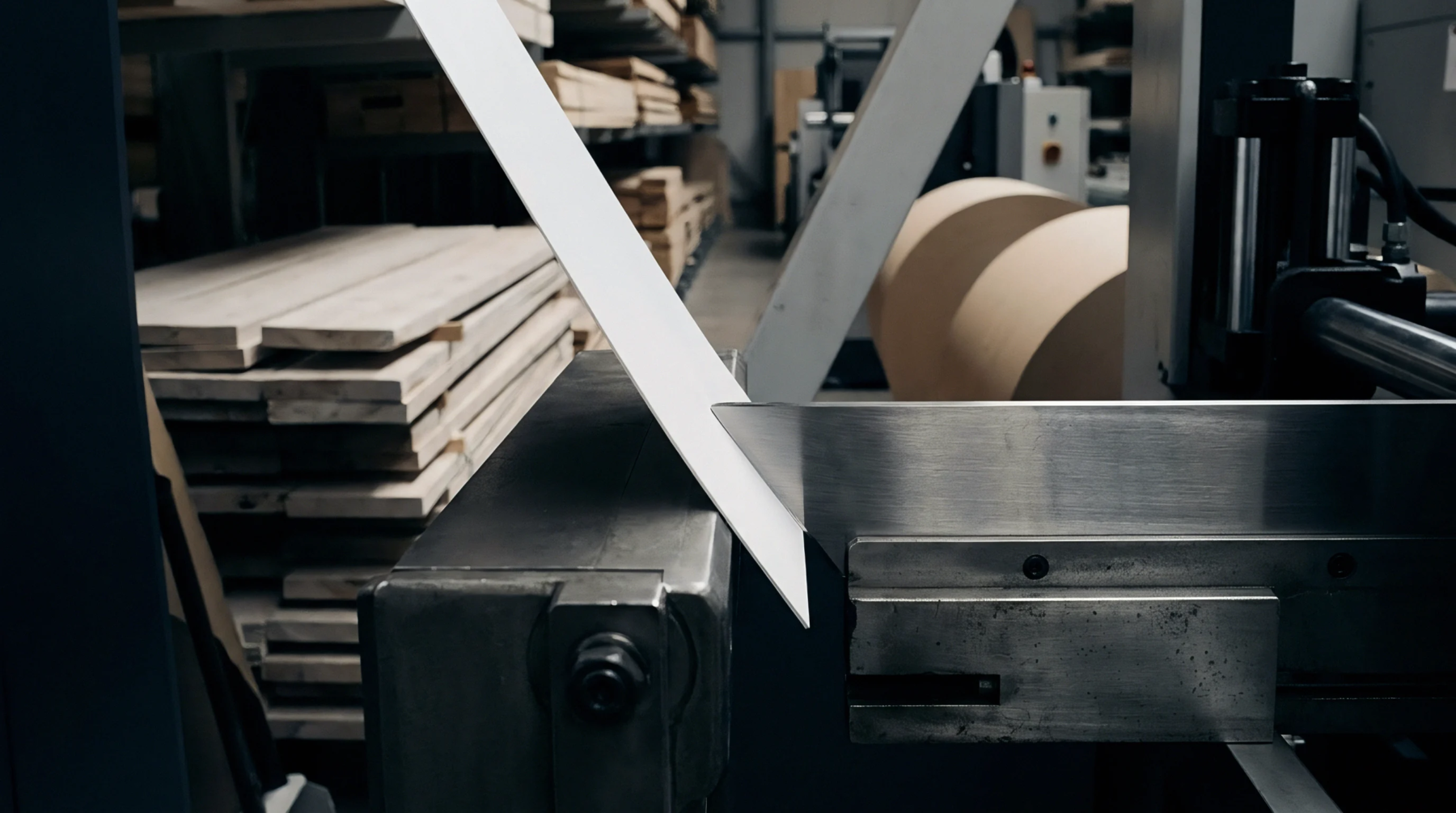
High-speed mechanical creasing forces barrier polymer thinning, elevating crease gas permeation and reducing package shelf life unless scoring geometry is optimized.
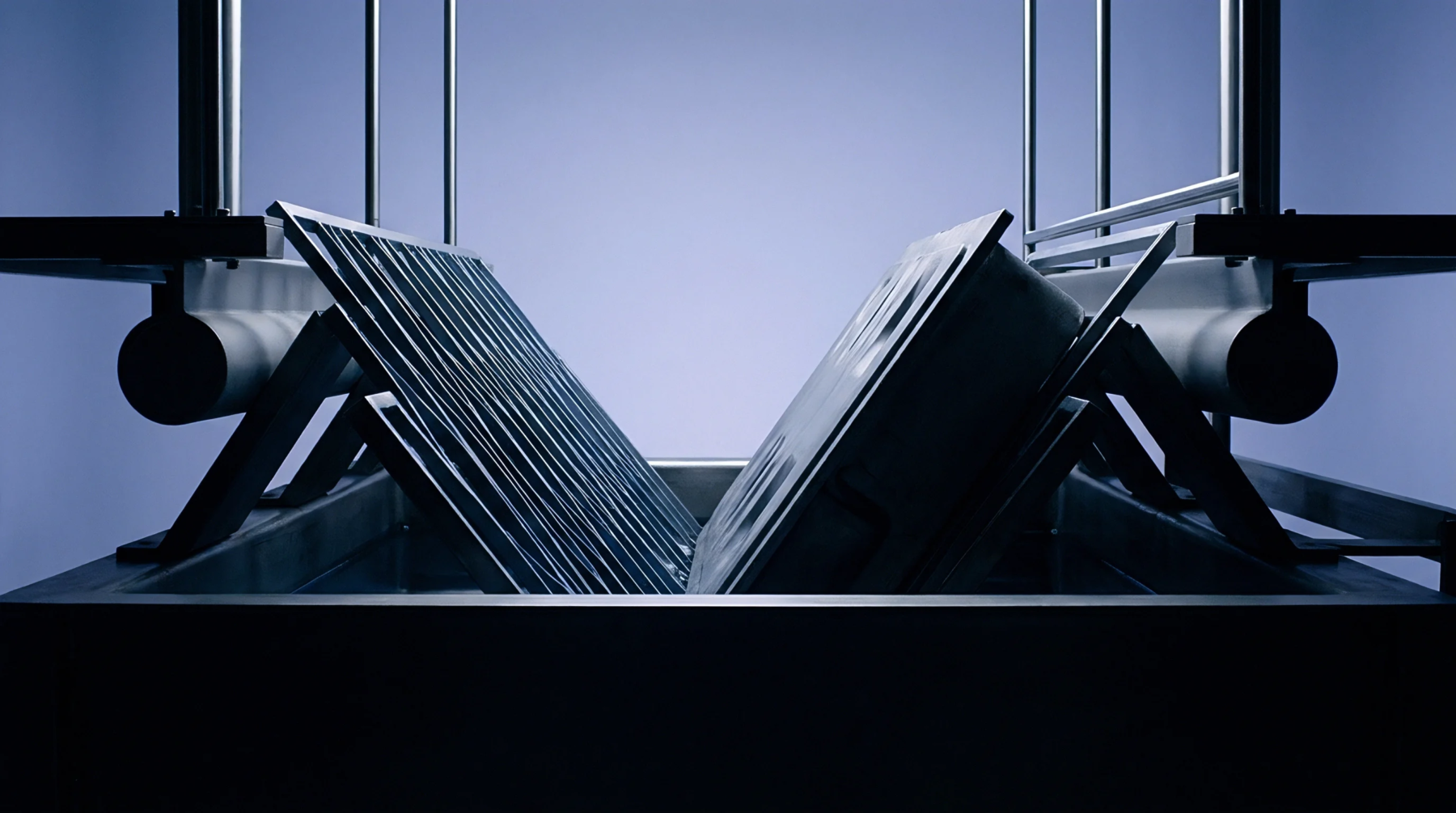
Calculate barrier board crease channels by adding rule thickness to caliper multiplied by 1.70 to 1.85 to clear displaced coextruded polymer skins.
Sizing matrix channels for polymer film boards requires expanding channel width by fifteen percent over standard board to absorb non-yield stretch without film rupture.
Sustained radial winding pressure causes unrecoverable creep in asymmetric retort films, driving converting curl, thickness decay, and pouch seal failure.
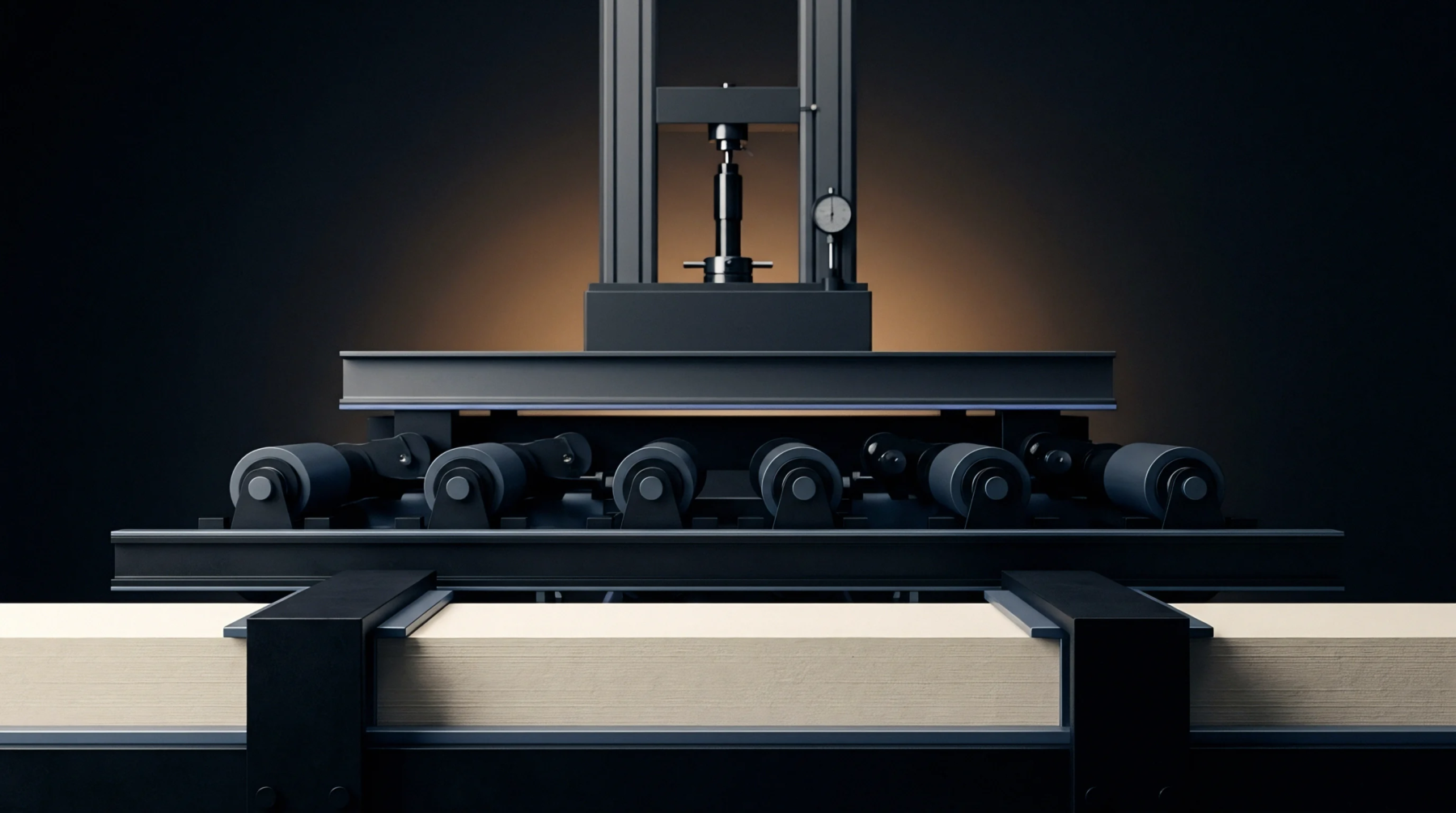
Interfacial shear under normal z-axis compression originates from mismatched Poisson expansion, demanding matched layer compliance and ductile adhesive shear.
Dynamic delamination modeling uses rate dependent cohesive zone formulations to prevent adhesive layer separation during high speed carton converting passes.

Transverse deformation exceeding 3.5 percent fractures EVOH and metallized layers, causing permanent barrier loss across converted polyolefin packaging structures.

Interfacial fracture toughness testing via Double Cantilever Beam methods defines internal delamination limits in multi-ply recycled packaging board.
Controlled ply separation during cartonboard creasing prevents liner cracking, requiring precise matrix channel sizing and verified inter-ply bond strength.

Fold-crazed barrier board accelerates mineral oil migration; specify ductile co-extruded polymer layers and calibrated creasing matrices to prevent leaks.
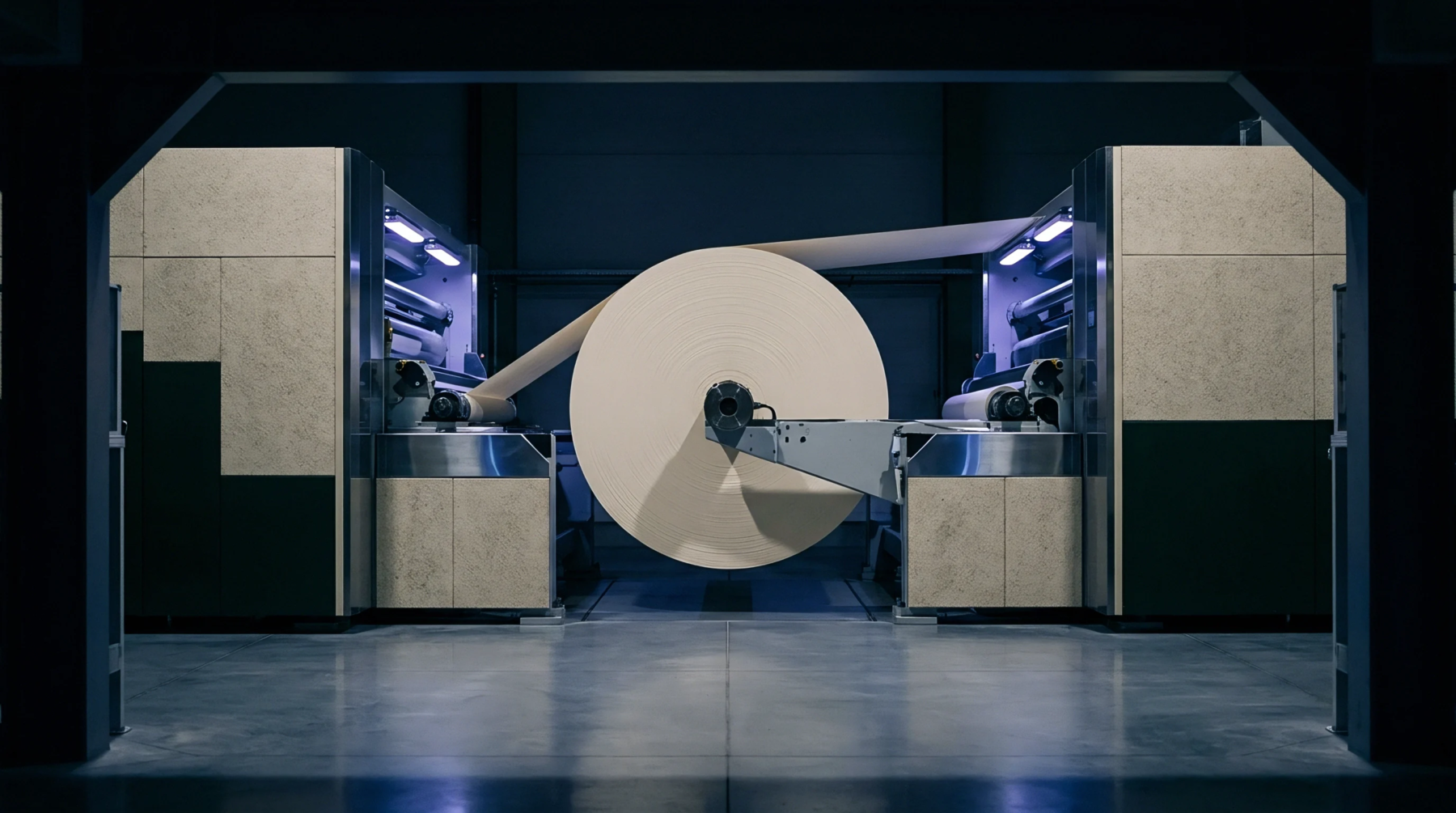
Optimize scoring channels for laminated boxboard by applying a 1.75 multiplier to caliper plus rule width to handle film stretch and prevent edge rupture.
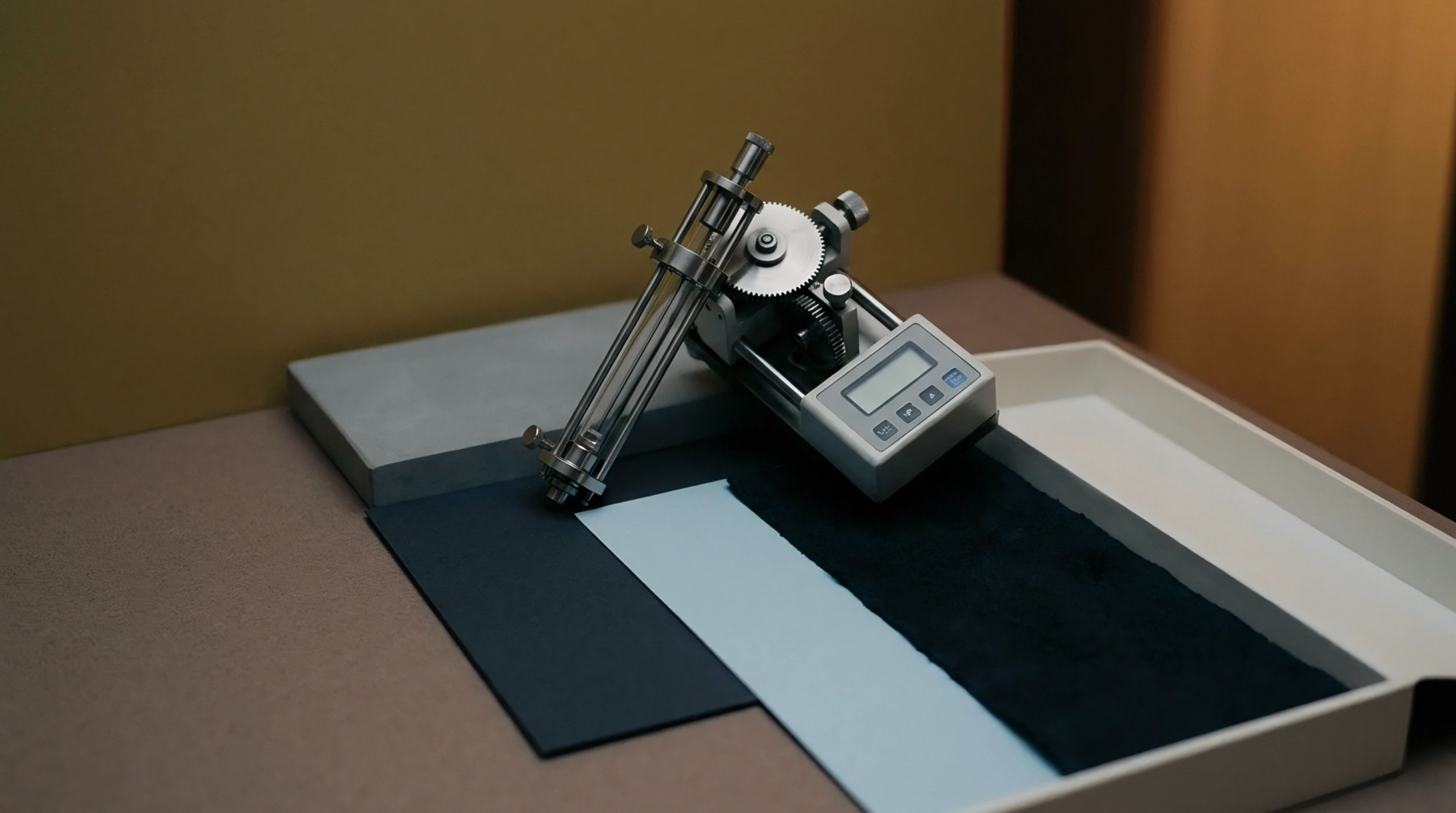
Determining matte film elongation metrics requires testing yield strain under high test speeds to prevent score cracking during paperboard creasing.
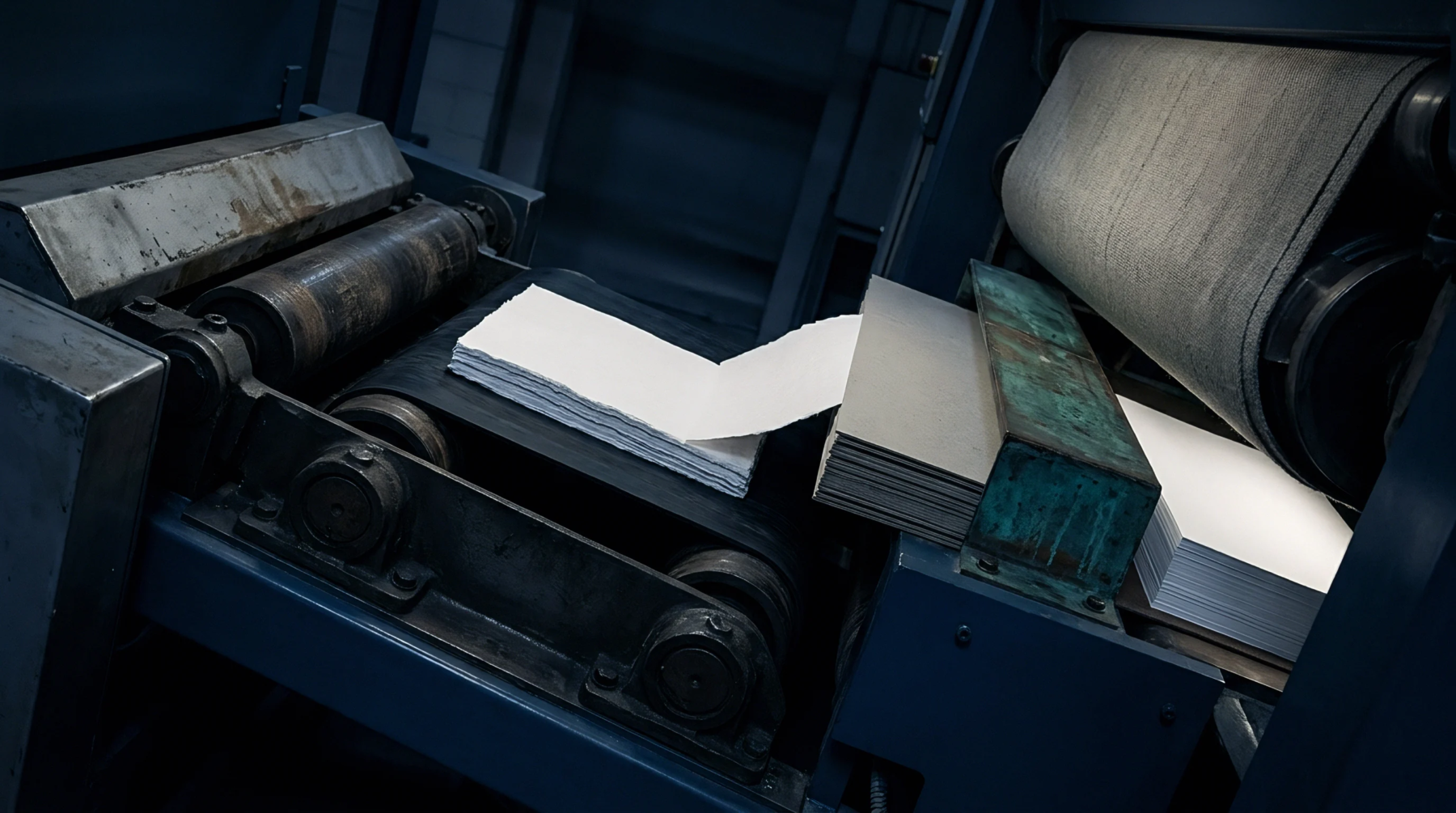
Inconsistent cartonboard crease torque causes vacuum cup detachment, incomplete carton squaring, and immediate line stoppages on automated cartoning lines.

Match rule thickness and counterplate channel width to uncoated board caliper and grain direction to create clean internal shear without cracking bare surface fibers.

Calculate crease matrix depth to match board caliper, and set channel width equal to creasing rule thickness plus board caliper multiplied by substrate factor.
High-resolution screening for polymer adducts demands dual-mode ionization and toxicological threshold mapping to verify migration below ten micrograms per kilogram.

Toxicological evaluation of recycled fiber finishes requires matching dispersion barrier lag times against MOSH and MOAH migration thresholds using Tenax.
Non-intentionally added substances in printed packaging require high-resolution chromatography screening against the ten parts per billion qualification threshold.
Standardizing simulants for recycled latex barriers requires solid-phase media and mechanical pre-straining to prevent false solvent-induced degradation.
Aqueous barrier latex selection requires balancing glass transition temperature, coat weight, and substrate holdout to replace PE film and pass migration limits.
Evaluating microcrack formation and migrant leakage in creased packaging boards requires precise matrix sizing and migration testing to prevent structural seal failure.

Analytical quantification of surfactant and monomer migration requires matching simulant solvency to barrier polymer chemistry to prevent solvent-induced degradation during testing.

Ethanol swells aqueous dispersion coatings by depressing glass transition temperature, demanding crosslinking and pigment tortuosity to hold barrier integrity.

Selecting food simulants for paperboard barrier compliance relies on matching food fat profiles while avoiding matrix wicking through single-side cells.
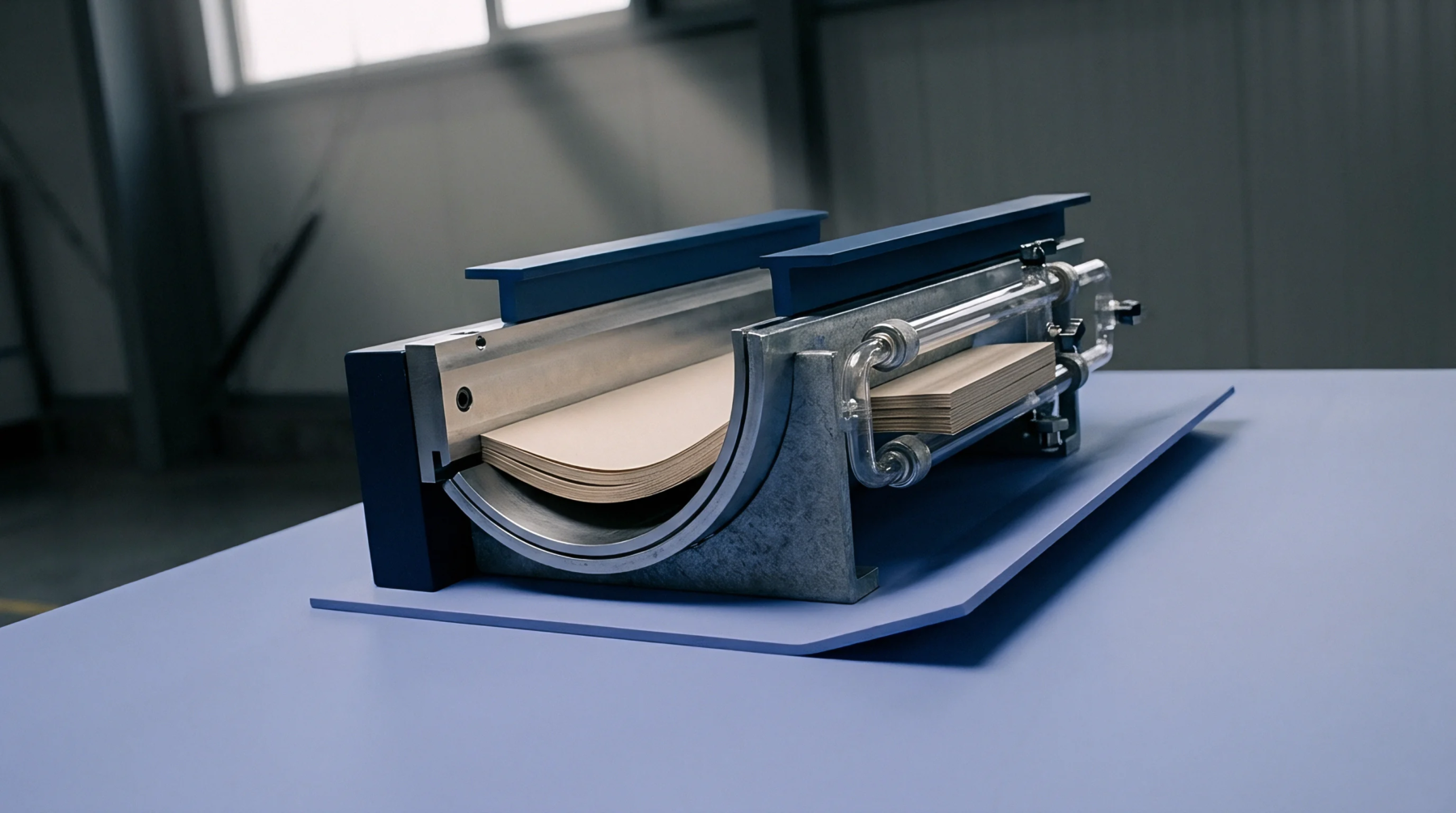
Polymeric counterforce matrices under cyclic heat and tonnage undergo viscoelastic creep and thermal softening, degrading emboss height by up to thirty percent across fifty thousand impressions.
Expertise is a utility, not a secret. sentiention™ publishes its working knowledge as open reference: intelligence layer covering the materials it sources, the markets it enters, and the reference that serves both.