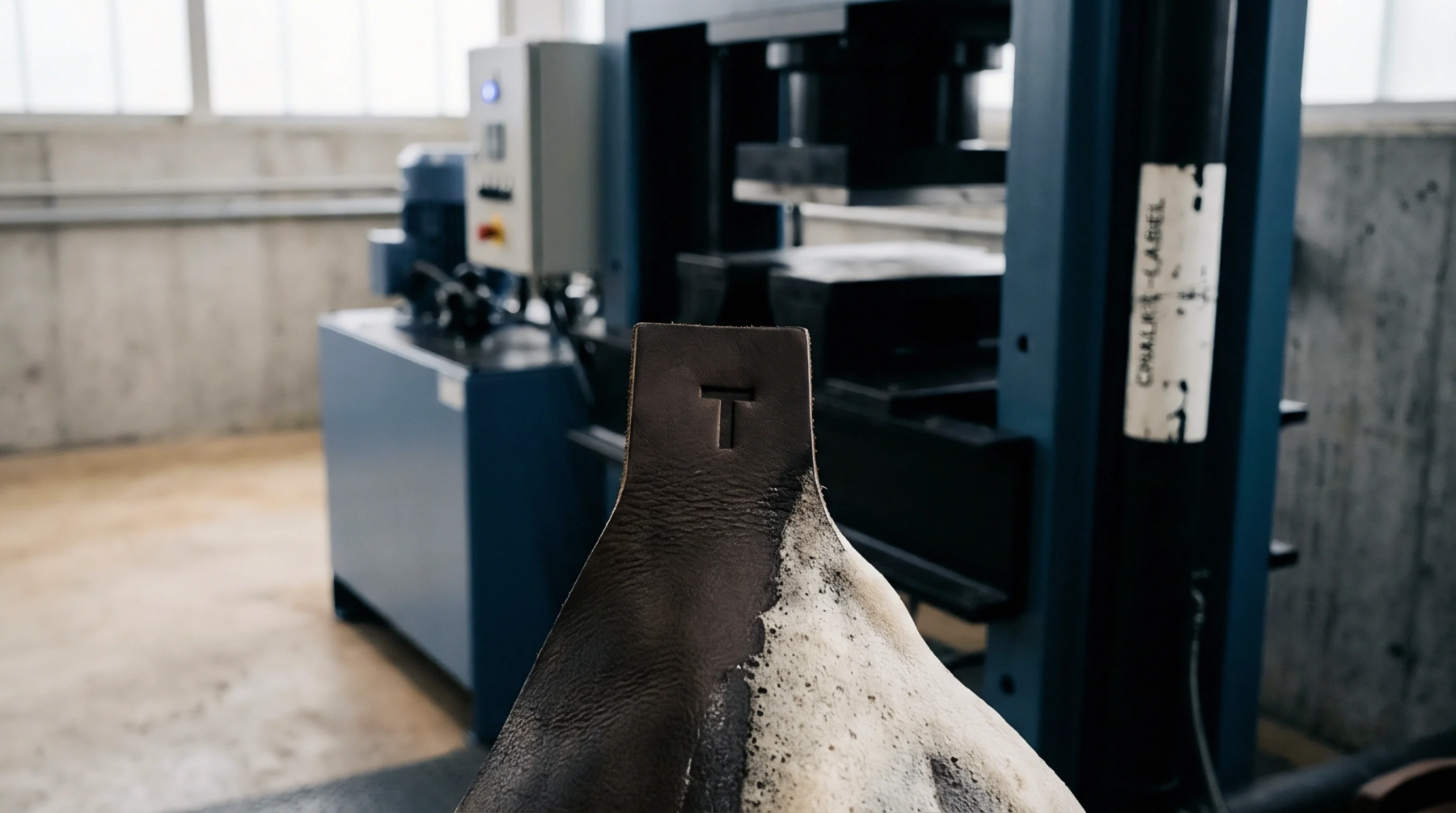
Calculating Thermal Expansion in Metal Foil Stamping Dies
Calculating metal foil die thermal expansion requires scaling CAD artwork by the coefficient of thermal expansion multiplied by the working heat delta.
Calculating metal foil die thermal expansion requires scaling CAD artwork by the coefficient of thermal expansion multiplied by the working heat delta.
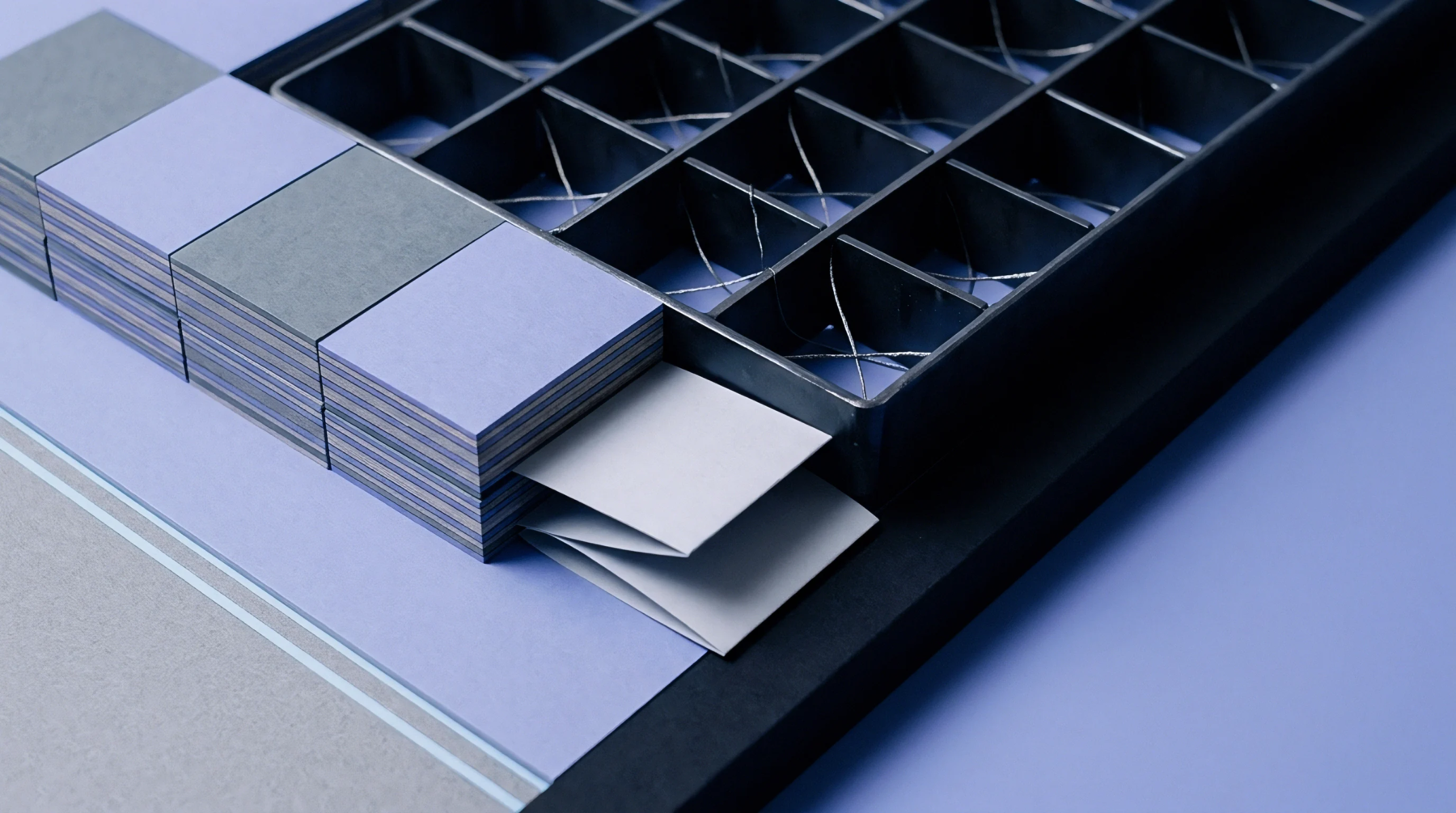
Tooling growth and counterforce creep offset each other through chilled oil temperature control and hydraulic bearer adjustment.
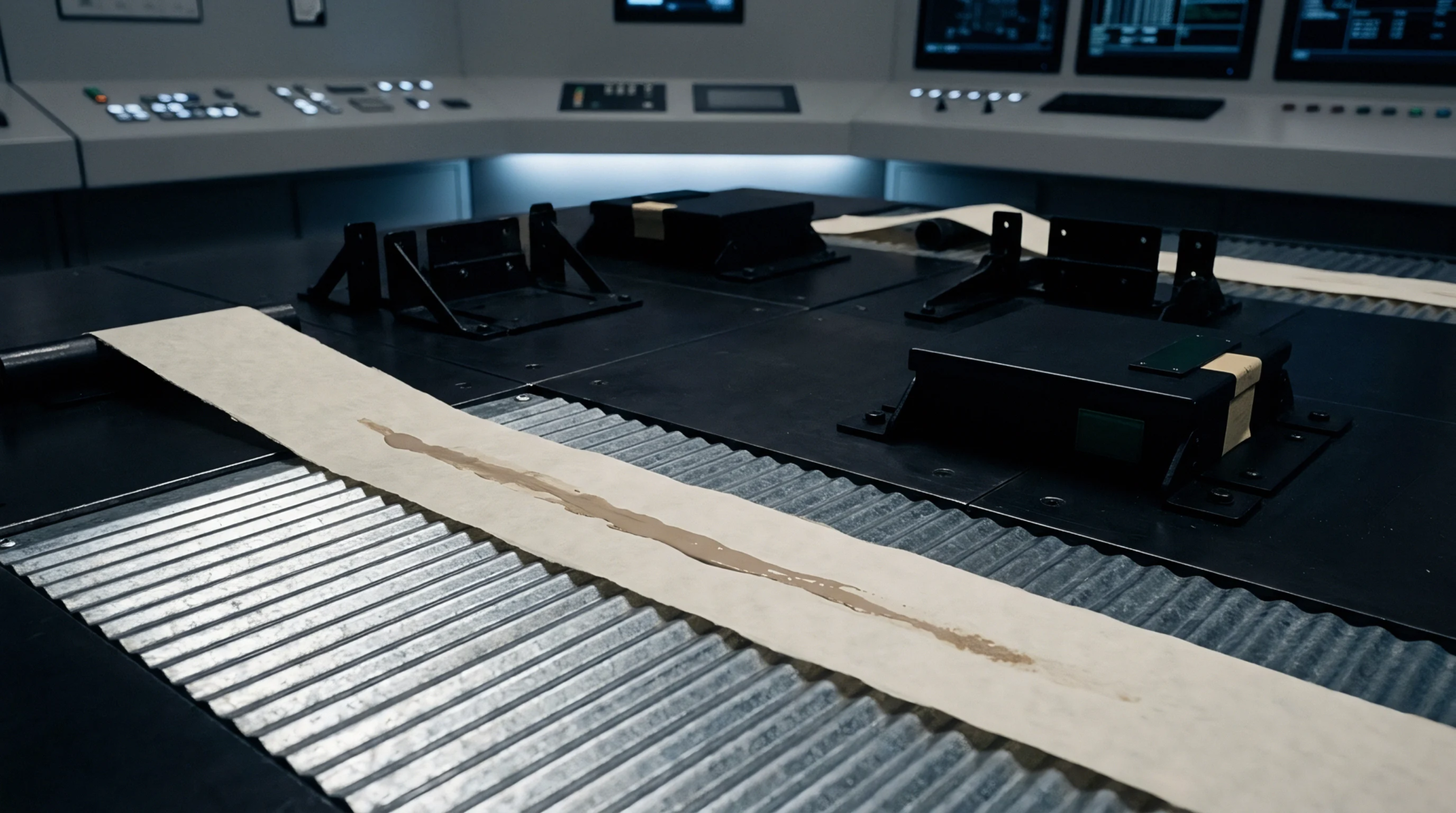
Dynamic Mode II shear fracture at polyurethane interfaces stems from nip tension differentials and incomplete curing, driving edge delamination at high line speeds.

Polyethylene terephthalate film laminates demand matrix channel widths fifteen percent wider than unlaminated board to prevent shear cracking along score lines.
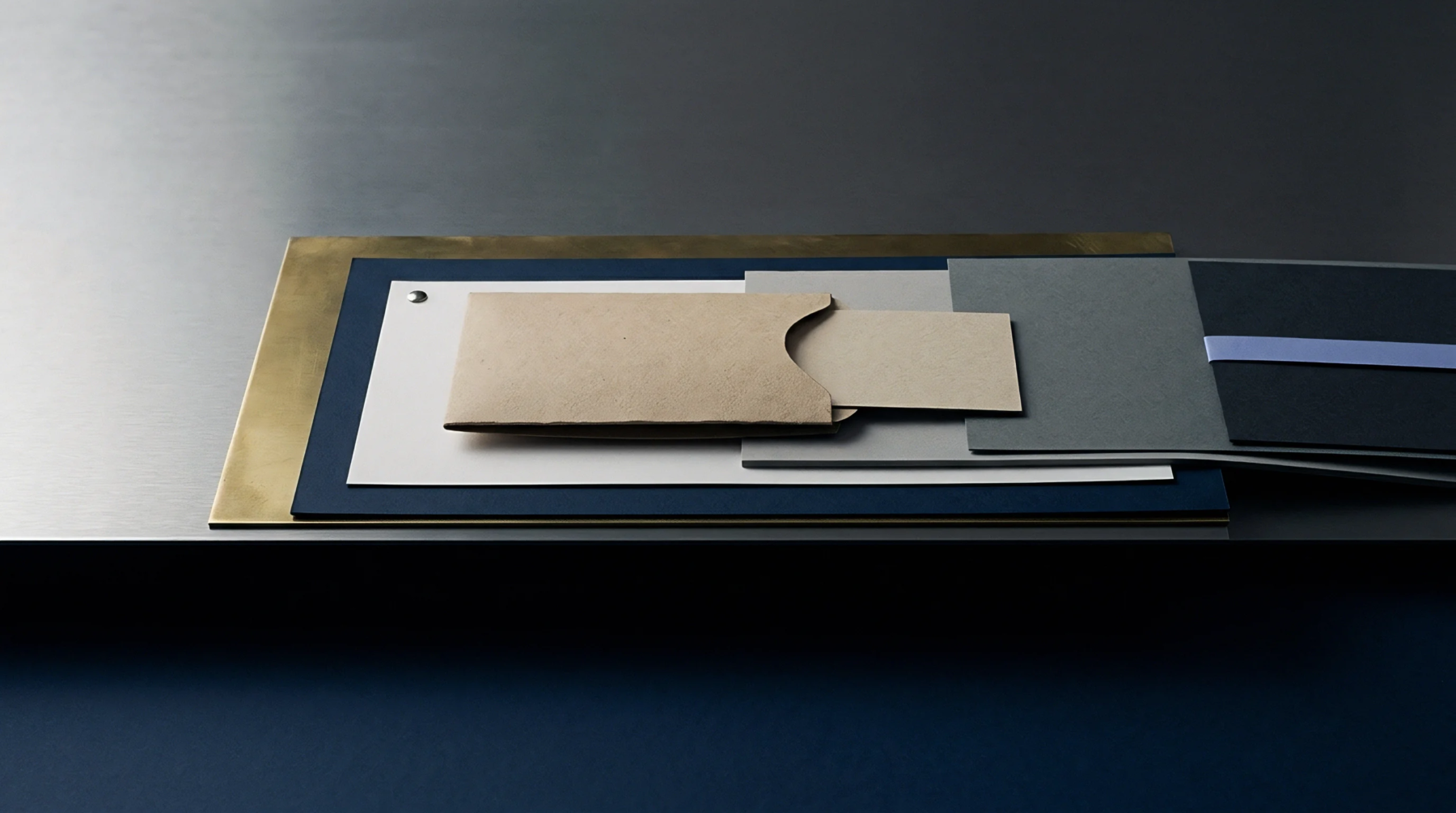
Optimal creasing of high yield folding boxboard requires adjusting female matrix width to 1.7 times board caliper to allow smooth internal BCTMP shear.
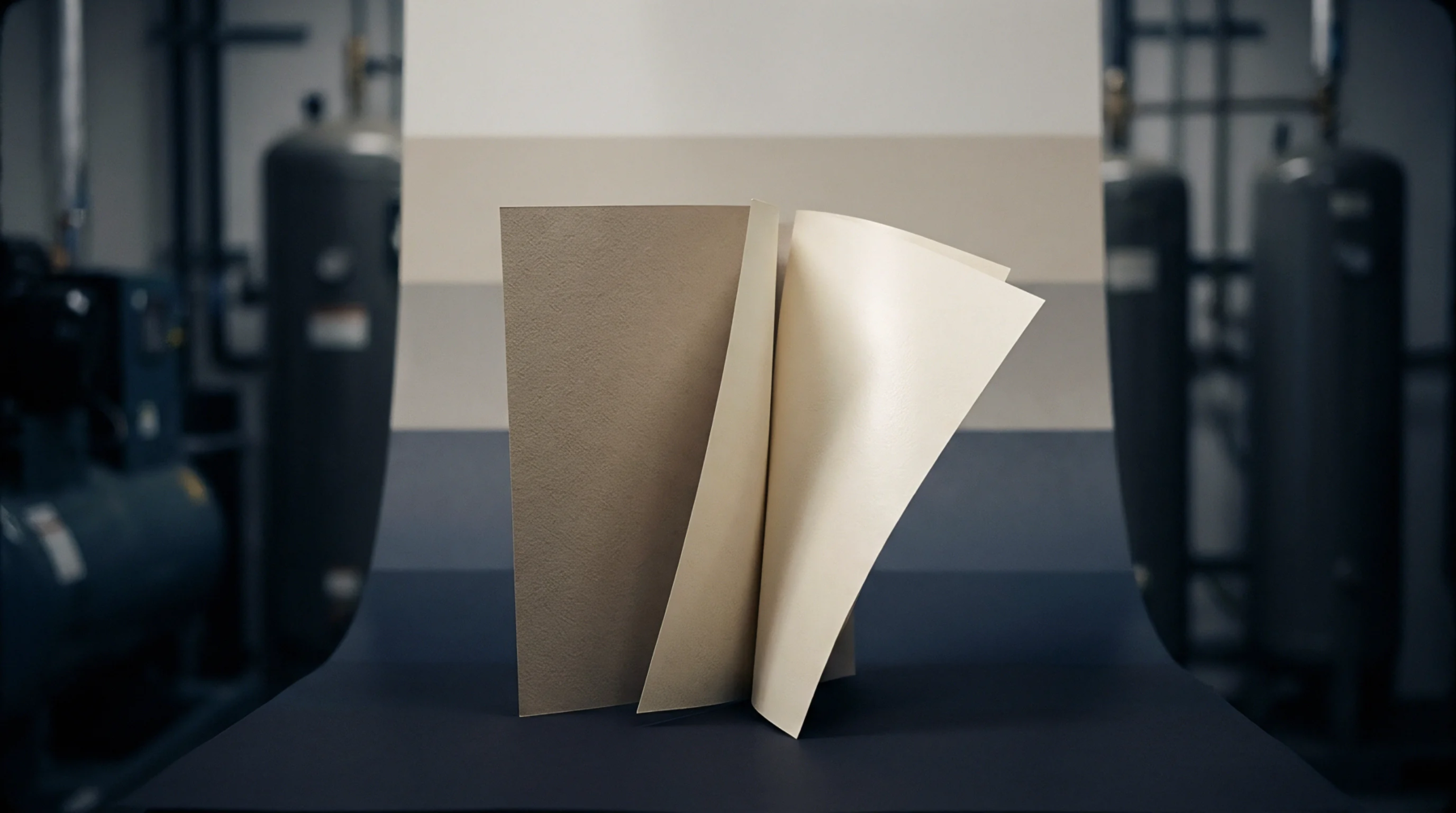
Calculating internal dynamic shear stress against wet-end starch cohesion prevents inter-ply delamination during high-speed folding of recycled boards.

Deriving baseline caliper and density balances converting crease geometry, coating accumulation, and area yield to prevent line jams and control packaging cost.

Viscoelastic strain limits during rotary embossing require matching tool shoulder radii and cylinder heat to substrate relaxation times to prevent rupture.
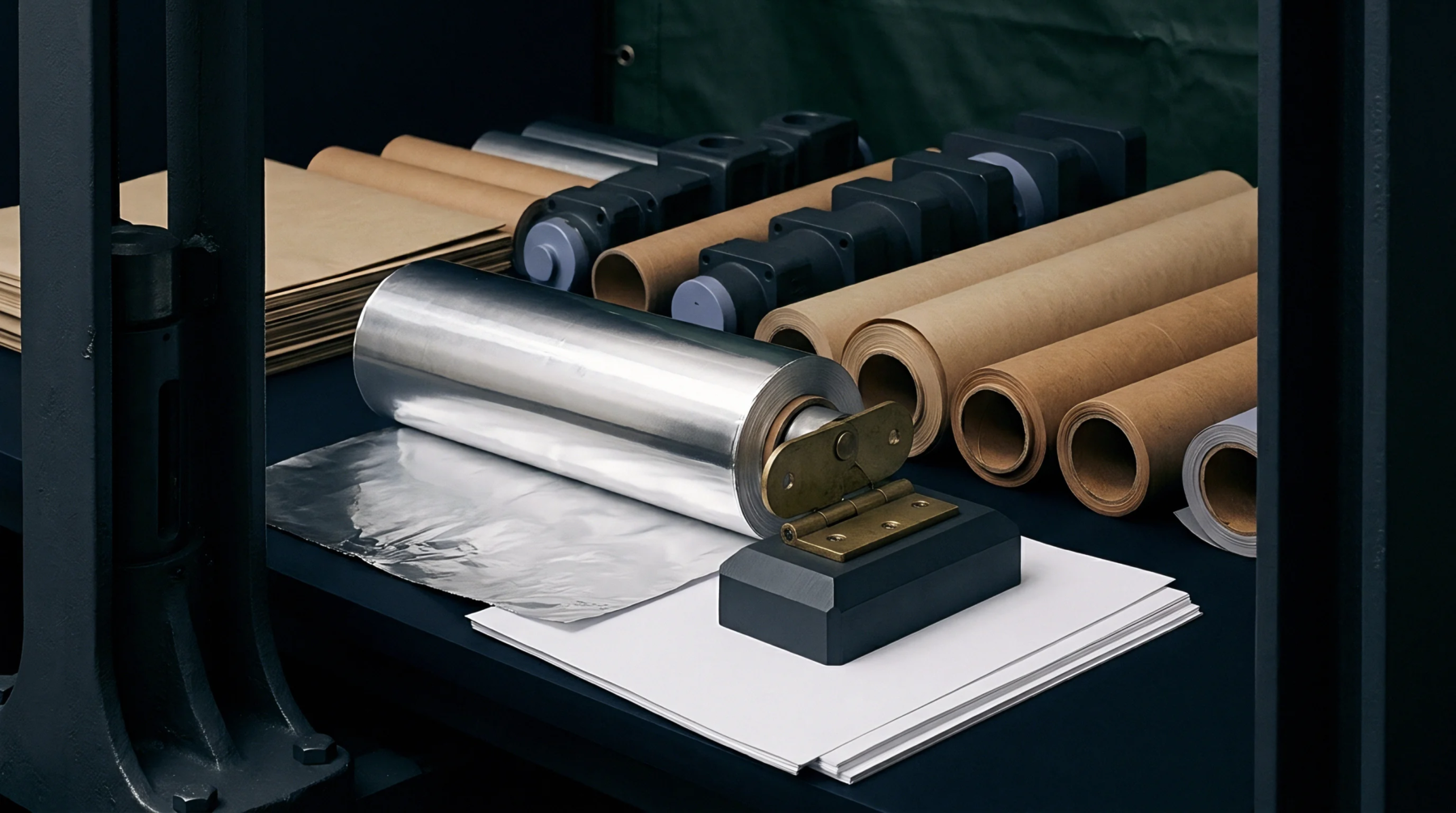
Organosilane coupling kinetics dictate moisture resistance and bond survival at ceramic film interfaces, directly controlling barrier retention under thermal stress.

Dynamic interfacial shear fatigue parameters establish real dynamic stress limits that prevent barrier coating micro-cracking during web converting passes.
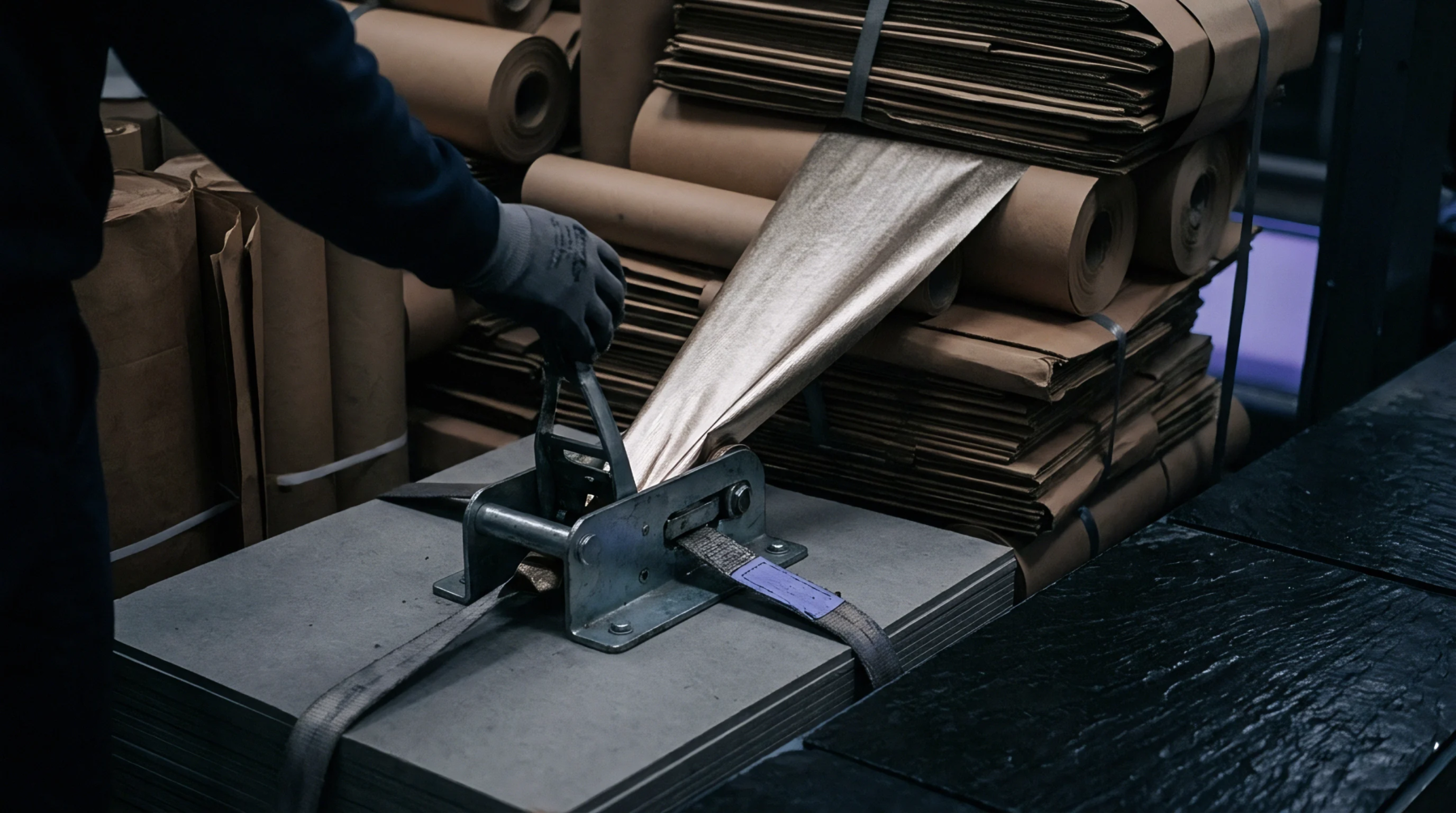
Polycarbonate polyurethane synthetics prevent barrier delamination and foil fatigue under retort conditions through superior hydrolytic and thermal stability.

Polycaprolactone polyurethane laminating adhesives maintain bond integrity during high-temperature retort by reducing ester density and resisting hydrolysis.

Dynamic thermal cycling accelerates primary aromatic amine migration by expanding polymer free volume and forcing residual monomer hydrolysis across barrier layers.
Polyester polyurethane adhesive bond failure in flexible retort packaging stems from acid catalyzed ester hydrolysis and toxic primary aromatic amine generation.
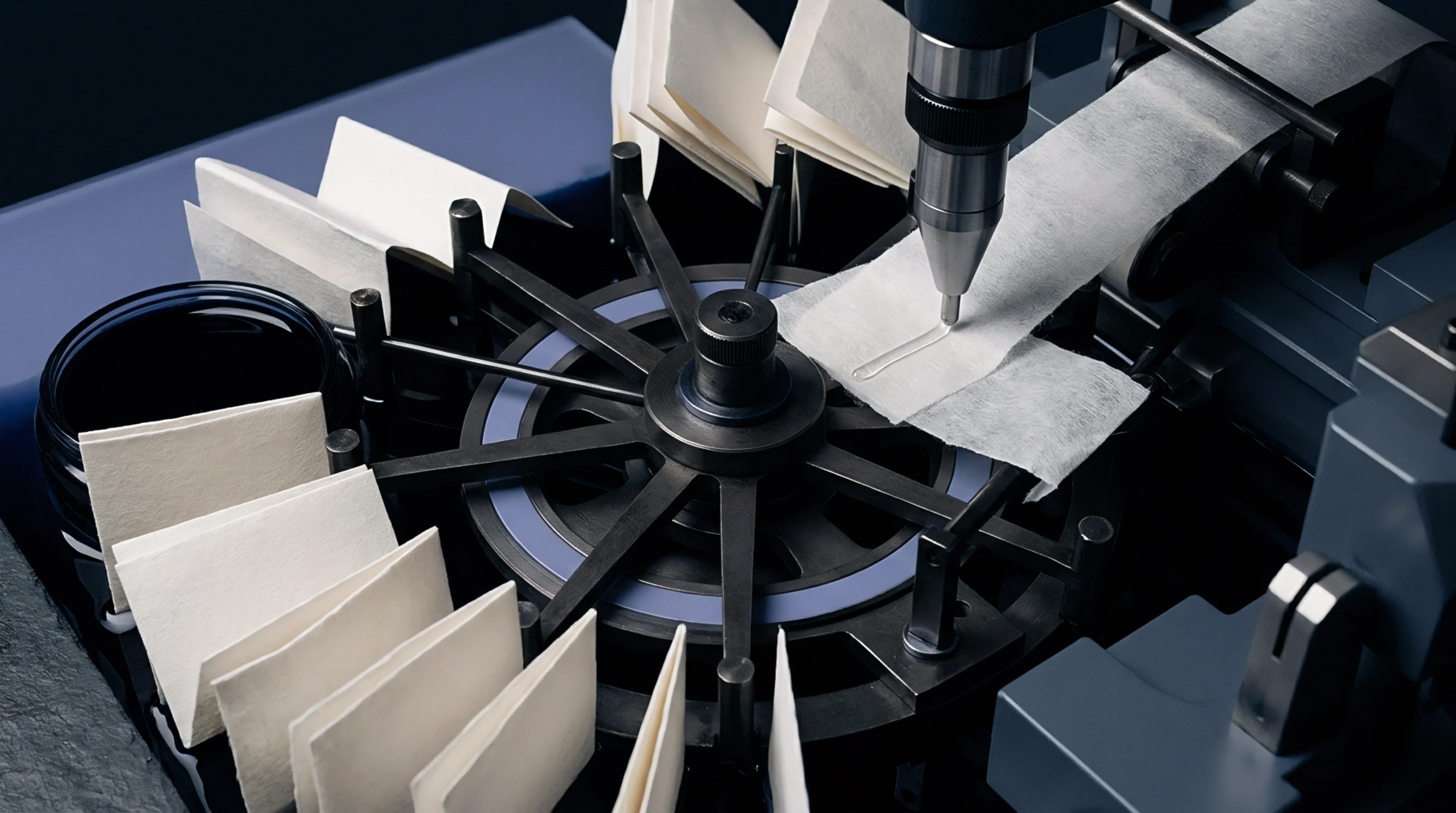
Polycarbonate-modified polyurethane adhesives preserve laminate integrity during acidic retort sterilization by shielding backbone linkages from hydrolytic cleavage.
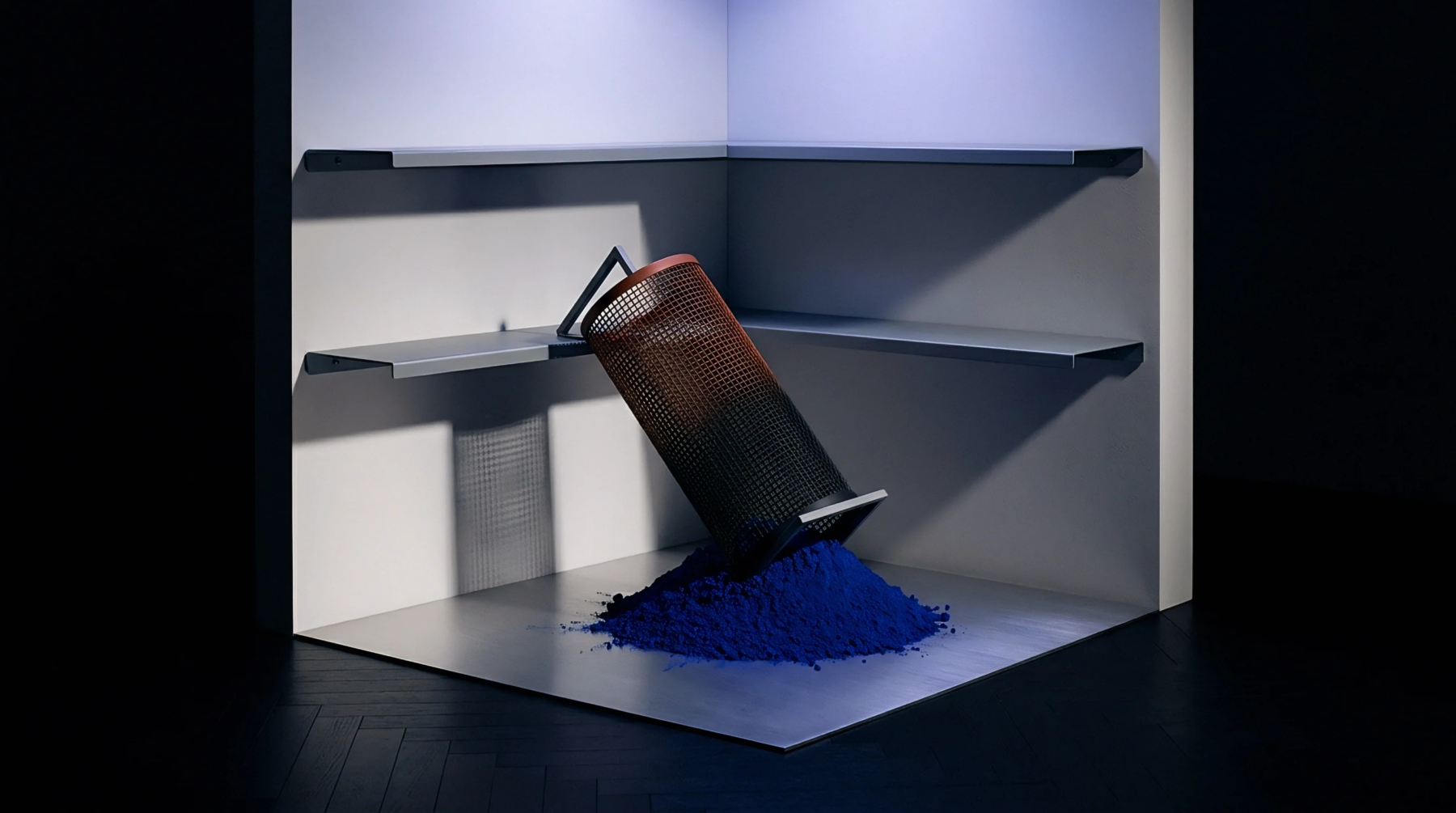
Fatty acid amide migration creates a weak boundary layer and scavenges polyurethane adhesive isocyanates, causing rapid surface energy decay and bond failure.

Polyurethane crosslinking across corona treated polyolefin interfaces depends on surface energy maintenance above 38 dynes and controlled NCO hydroxyl stoichiometry.
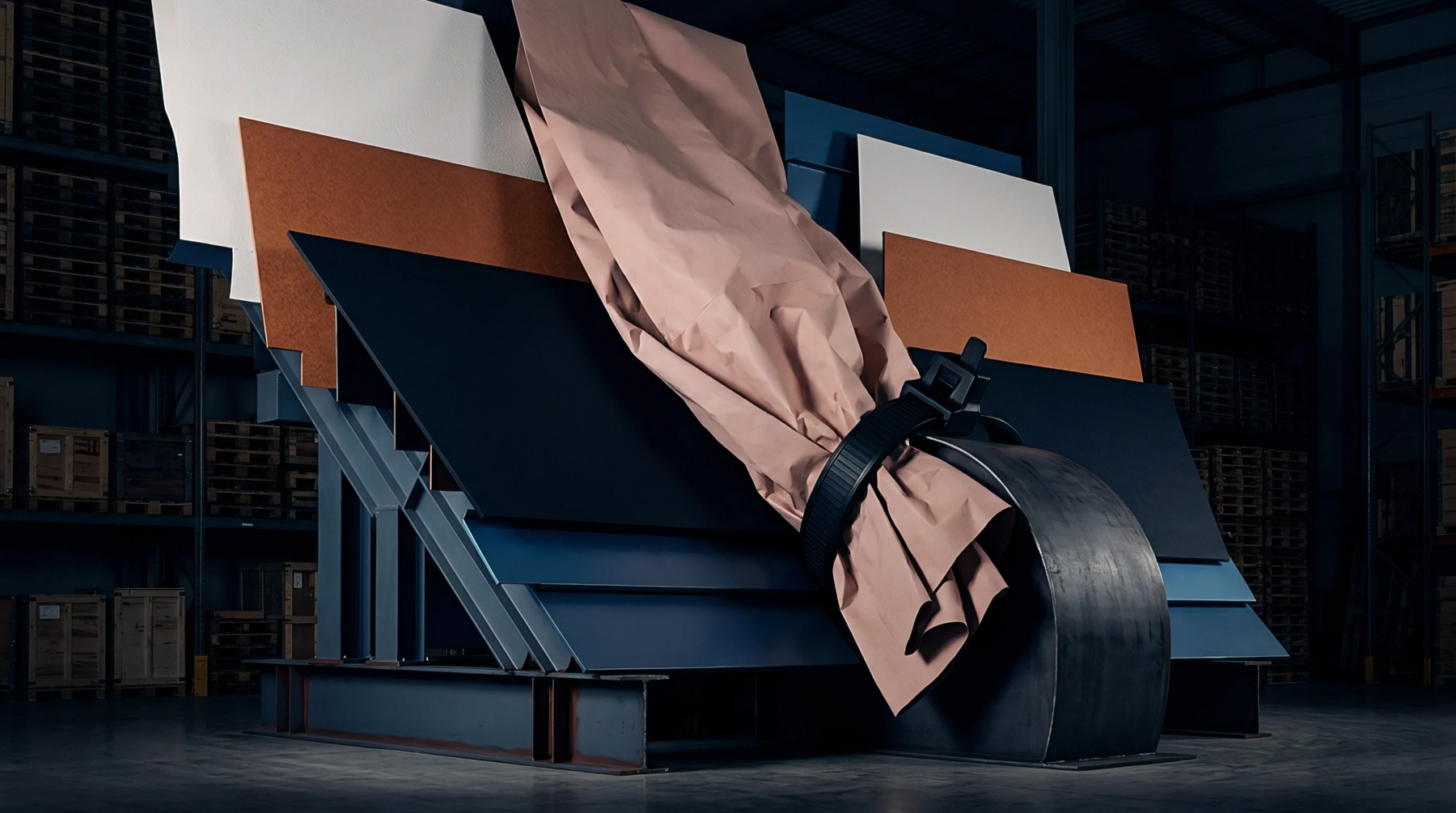
Recycled multi-ply board delamination under dynamic warehouse stacking stems from mechano-sorptive shear stress acceleration along moisture-softened starch interfaces.

Barrier coating moisture ingress causes internal fiber swelling, creating shear strain that delaminates weak recycled board plies along the coating interface.

Recycled board deforms faster during humidity cycles than at fixed humidity, needing barrier coats or safety margins to prevent stack failure.

Critical mixed-mode interfacial fracture toughness dictates high-speed paperboard converting success by preventing score line delamination under rapid shear and bending forces.

Polyolefin scoreline evaluation requires measuring Mode I and II strain energy release rates to prevent barrier rupture during high-speed carton folding.
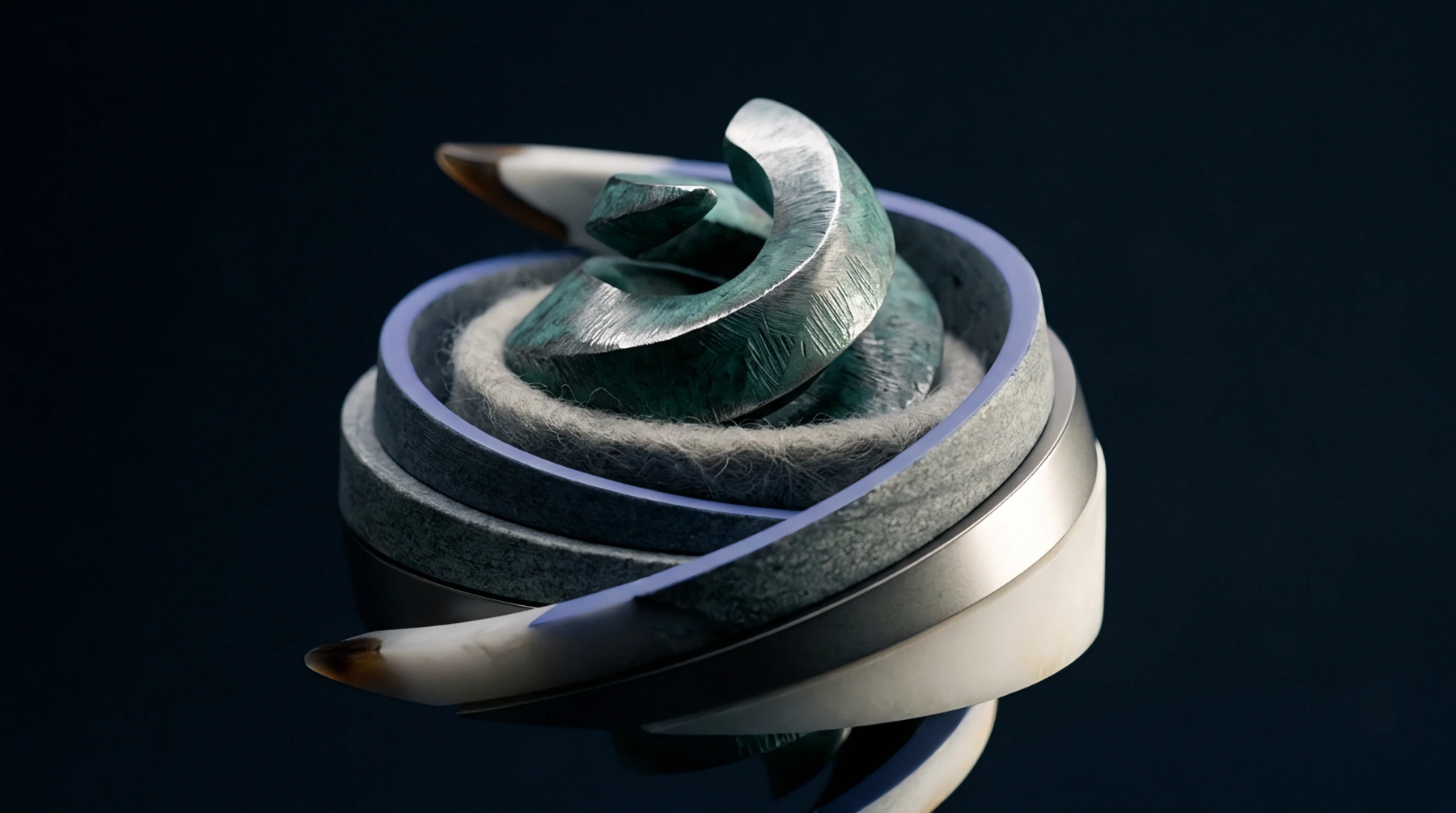
Extrusion laminating SBB requires maintaining oxidized resin surface energy above 42 dynes/cm to ensure complete fiber tear bond strength.
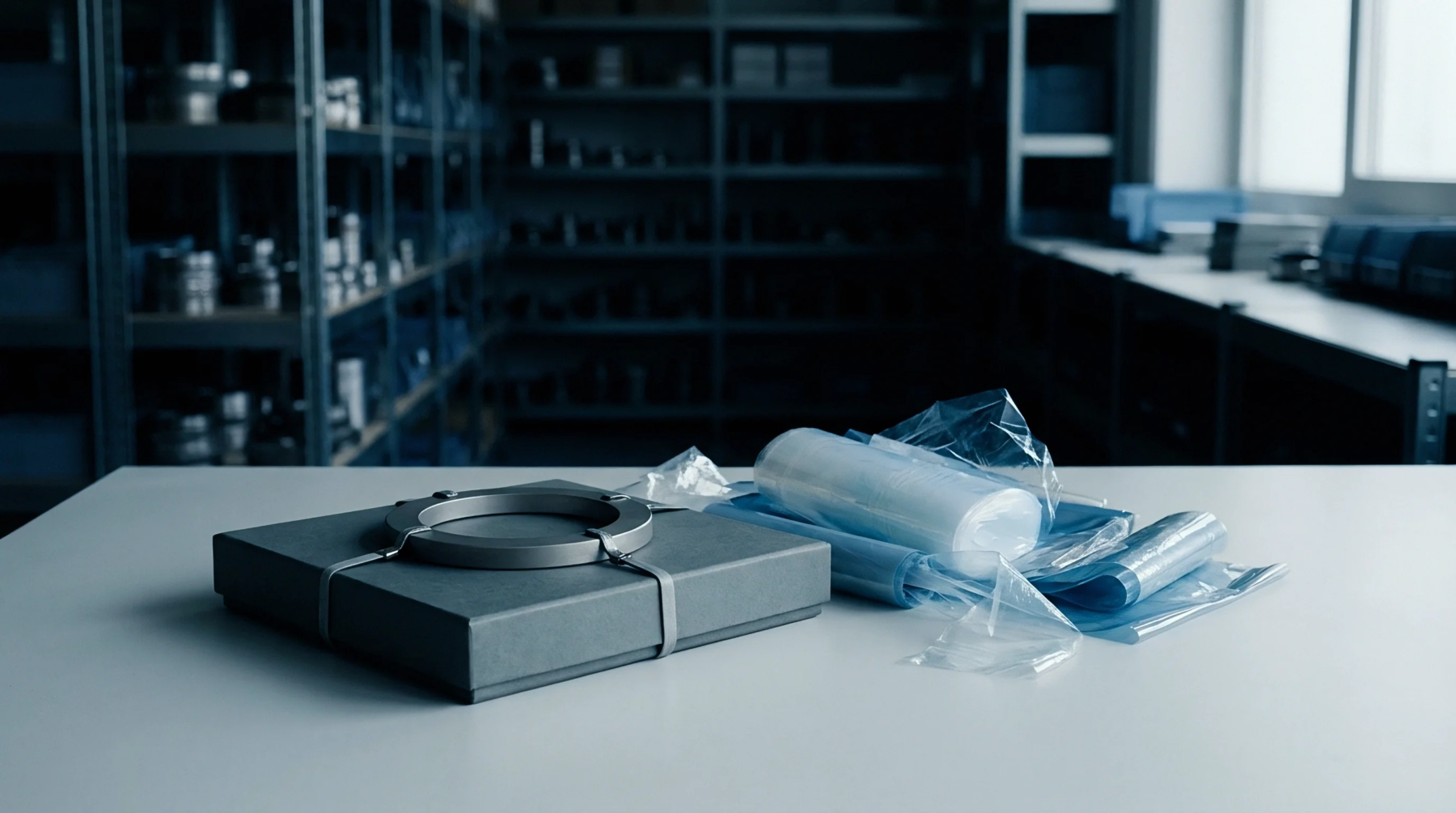
Viscoelastic shear slip along film-board interfaces is minimized by balancing web tension, maintaining adhesive storage modulus, and matching crease geometry.
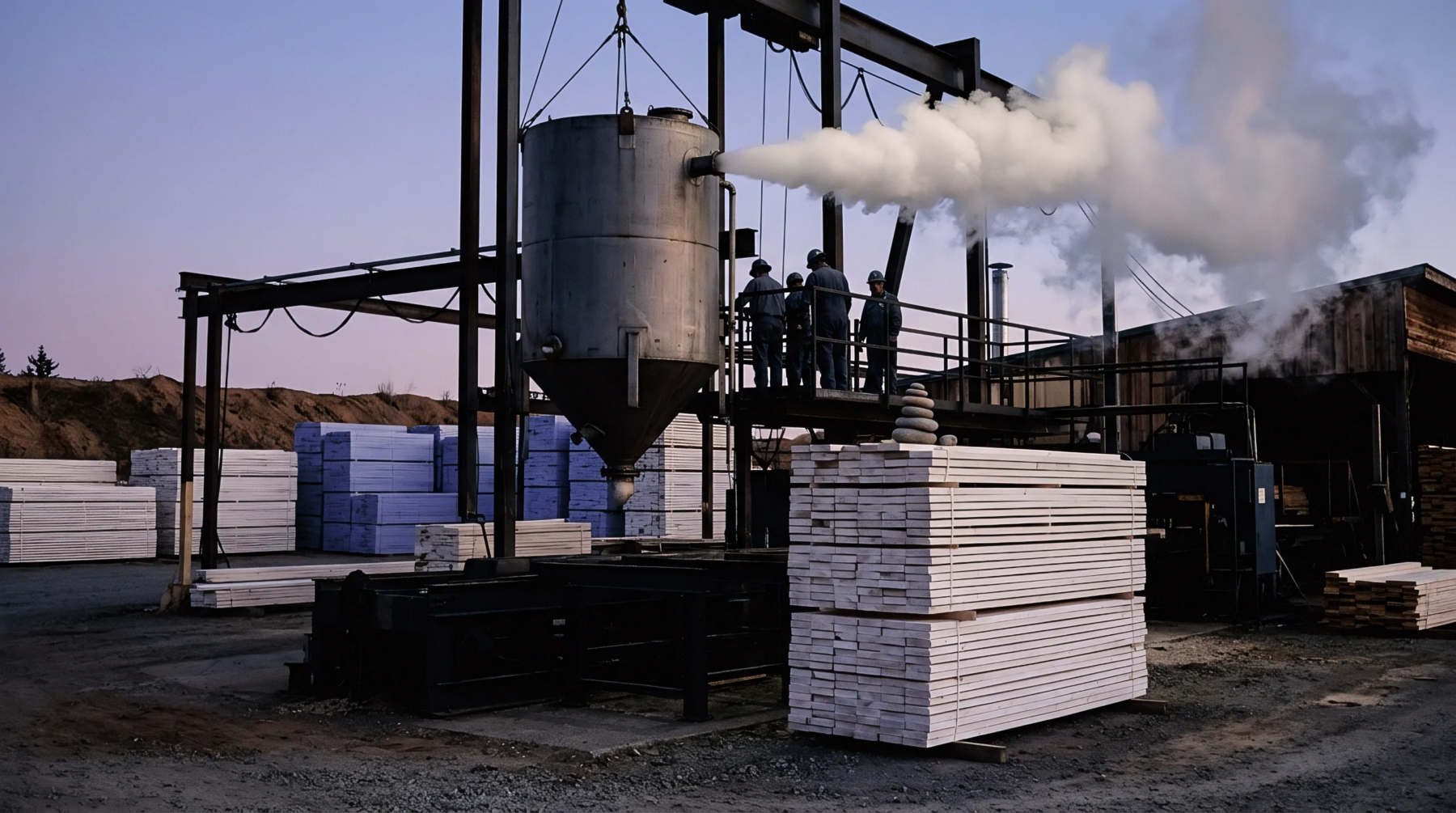
Mechano-sorptive creep rapidly destroys paperboard structural strength under cyclic relative humidity; specifying barrier passes prevents container stack collapse.
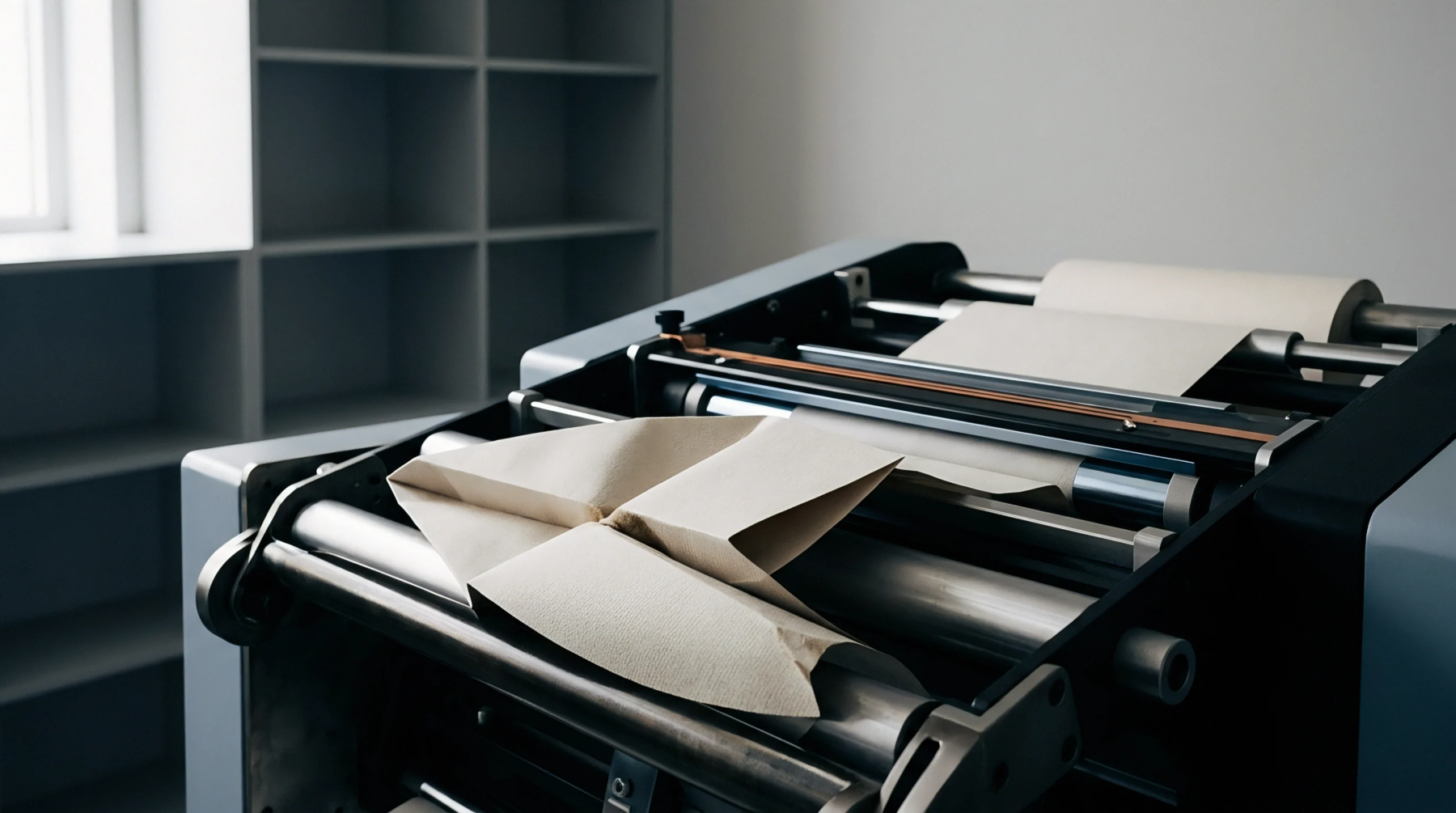
Uncoated boxboard grid ligaments fail through accelerated tensile creep when humidity swings break fiber bonds, requiring slot geometries that limit local dead-load stress.

In situ microscale crosslink quantification across fast webs uses inline micro-Raman and Flory-Rehner swell metrics to control wide-web conversion edge defects.

Maintaining a solvent-borne topcoat stoichiometric index between 1.05 and 1.10 prevents ductile scuffing and brittle cracking under transit abrasion.

Polyurethane tactile coating durability relies on stoichiometric NCO:OH ratios between 1.25 and 1.40 to ensure complete chemical crosslinking on paperboard.
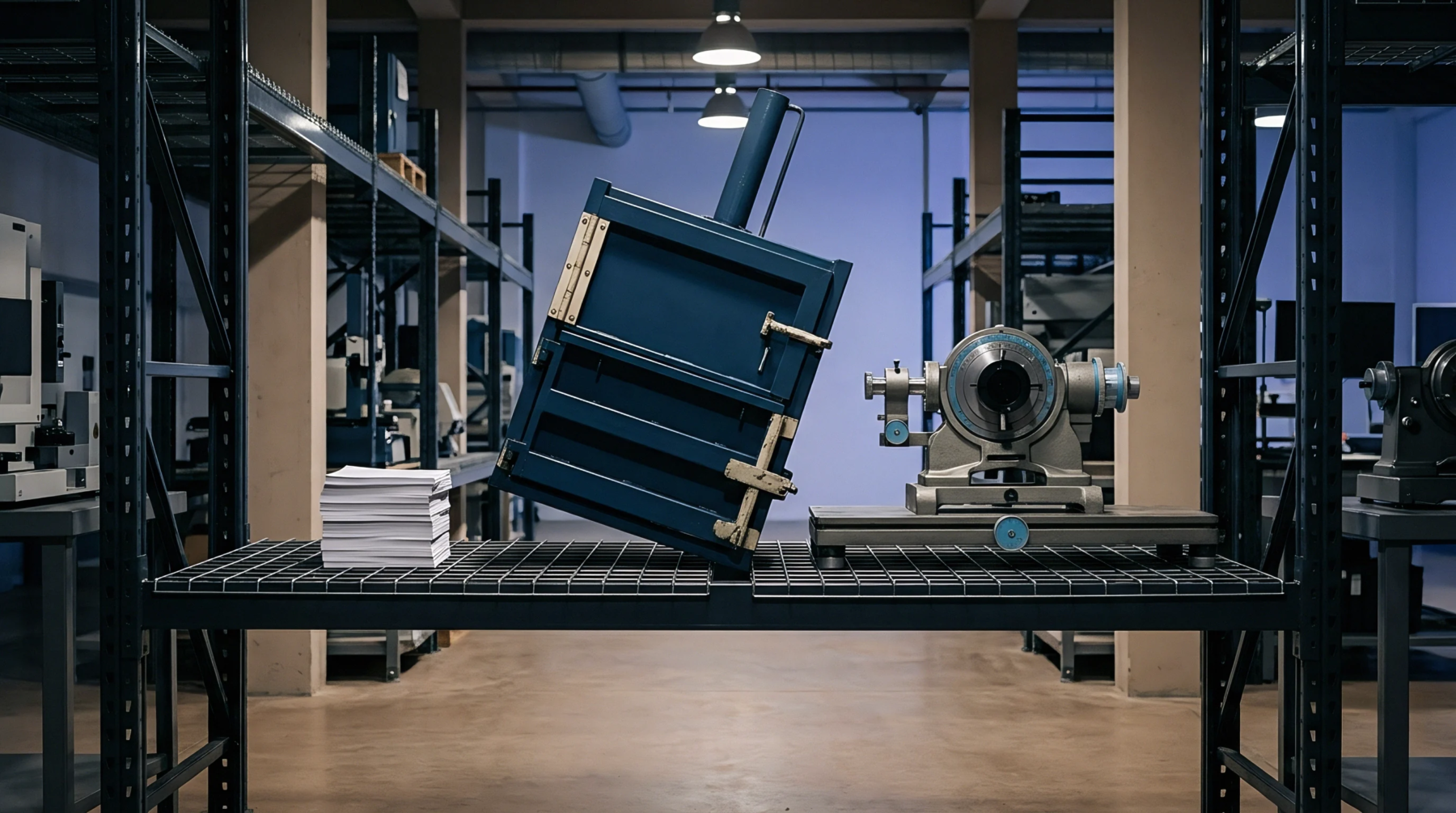
Aliphatic polyurethane coatings prevent freight scuffing through high viscoelastic recovery, suppressing micro-scratching during long-haul transit vibration.
Expertise is a utility, not a secret. sentiention™ publishes its working knowledge as open reference: intelligence layer covering the materials it sources, the markets it enters, and the reference that serves both.