Organosilane Migration Kinetics and Hydrolytic Degradation Mechanisms in Ceramic Coated Film Interfaces
Organosilane coupling kinetics dictate moisture resistance and bond survival at ceramic film interfaces, directly controlling barrier retention under thermal stress.

Diffusion
Interfacial Coupling Mechanics
Organofunctional silanes deposited on vacuum-metallized ceramic layers form covalent linkages that dictate lamination bond strength across converting operations. Liquid primers containing trialkoxysilanes migrate through the low-viscosity wet phase toward the electron-beam or magnetron-sputtered inorganic oxide coating, typically silicon oxide or aluminum oxide on biaxially oriented polyethylene terephthalate. The condensation reaction relies on surface hydroxyl availability, where silanol groups react with oxide surface hydroxyls to yield stable siloxane networks.
Solute transport occurs through Fickian diffusion within the uncured resin film before solvent evaporation locks the spatial distribution. When the application coat weight drops below 0.25 grams per square meter dry, non-uniform surface coverage leaves unpassivated inorganic sites exposed to ambient moisture during subsequent web winding.
The concentration gradient across the wet adhesive boundary layer determines the orientation of functional groups at the inorganic boundary. Amino, epoxy, or methacryloxy moieties must project outward into the organic resin matrix to achieve secondary crosslinking, while hydrolyzed silanol triols orient toward the aluminum oxide surface. Excess silane application forces oligomeric condensation within the bulk adhesive phase rather than at the interface, generating a brittle interphase layer prone to cohesive failure under low peel forces.
Coating line speeds exceeding 350 meters per minute reduce drying residence time below 1.2 seconds, trapping unreacted silanol monomers within the polymer network.
Concentration Gradients and Layered Microstructures
Thermal processing during solvent removal accelerates condensation, but unreacted alkoxy groups remain within the bulk matrix if the thermal envelope fails to reach the activation threshold. Kinetic models show that condensation rates depend heavily on localized pH and moisture availability within the drying zone. Residual acidity from acrylic polymers accelerates silanol self-condensation, generating localized clusters that disrupt film clarity and create stress concentration points.
The resulting mechanical boundary exhibits variable fracture toughness when subjected to dynamic flexural stress during pouch formation.
Substrate temperature during vacuum deposition governs hydroxyl density on aluminum oxide films, directly altering silane uptake. Lower deposition temperatures yield amorphous oxide structures with abundant surface hydroxyl groups, whereas higher thermal profiles produce denser crystalline oxide phases with reduced reactive surface area. Sourcing clear barrier films requires matching the silane primer chemistry to the specific surface energy and hydroxyl density of the delivered ceramic substrate roll.
The unreacted silane monomer population migrates toward the outer polyolefin sealant layer over prolonged storage periods at ambient temperatures. Migration rates scale inversely with matrix crosslink density and polymer glass transition temperature. Free silanes reaching the sealant surface alter heat-seal initiation temperatures and compromise hot-tack strength during high-speed vertical form-fill-seal packaging runs.
What remains unmeasured is the exact boundary concentration of monomeric silane required to induce heat-seal failure in high-density polyethylene films after ninety days of ambient storage.

Moisture

Chemical Mechanism of Interfacial Cleavage
Water vapor permeating through flexible lamination structures targets the hydrolytically vulnerable bonds formed between organosilane primers and ceramic oxide barrier layers. Atmospheric moisture migrates through the outer polymer substrate via solubility-diffusion pathways, accumulating at the phase boundary between the organic adhesive and the inorganic oxide surface. Hydrolysis proceeds through nucleophilic attack by water molecules on the silicon atom within the interfacial siloxane matrix, cleaving the covalent linkage and regenerating surface hydroxyl groups alongside silanol species.
The chemical stability of the interfacial bond depends on the nature of the metal oxide substrate. Interfacial bonds formed with aluminum oxide hydrolyze faster than those bonded to silicon oxide due to the higher polarization of the aluminum-oxygen-silicon linkage. Acidic or alkaline food simulants accelerate this cleavage by catalyzing the breakdown of the siloxane backbones under elevated thermal conditions during retort processing.
Lamination structures exposed to 85 percent relative humidity at 60 degrees Celsius experience a 45 percent reduction in peel strength within 96 hours of conditioning.
Reversible hydrogen bonding initially maintains secondary adhesion after covalent bond scission occurs under moisture stress. Continuous exposure to osmotic pressure from trapped aqueous solutions forces spatial separation between the adhesive film and the inorganic web. Once physical separation distance exceeds 0.5 nanometers, permanent bond loss occurs, leading to macro-scale delamination during pasteurization or hot-fill operations.

Degradation Kinetics under Environmental Stress
Hydrolytic degradation rates follow pseudo-first-order kinetics dependent on localized water activity within the interfacial zone. The activation energy for siloxane bond hydrolysis within polyurethane lamination adhesives ranges from 55 to 70 kilojoules per mole depending on crosslink density. Higher crosslink density restricts polymer chain mobility, retarding water molecule ingress toward the reactive interfacial sites.
Plasticization of the organic adhesive layer accompanies moisture accumulation, reducing the glass transition temperature of the polymer matrix adjacent to the ceramic film. This loss of matrix rigidity lowers the mechanical stress required to propagate micro-cracks along the weakened interface during flexural deformation. Retort packaging applications demand specialized silane formulations containing hydrophobic alkyl spacers or aromatic rings to sterically hinder water approach to the vulnerable siloxane bonds.
The accumulation of unreacted silanol oligomers at the inorganic boundary accelerates delamination by providing hydrophilic channels that draw moisture directly into the load-bearing interface. Selecting an improper silane ratio yields rapid structural failure during wet thermal processing, leading to complete lamination separation and lost barrier performance on commercial packaging lines.

Probe

Spectrometric and Thermal Surface Characterization
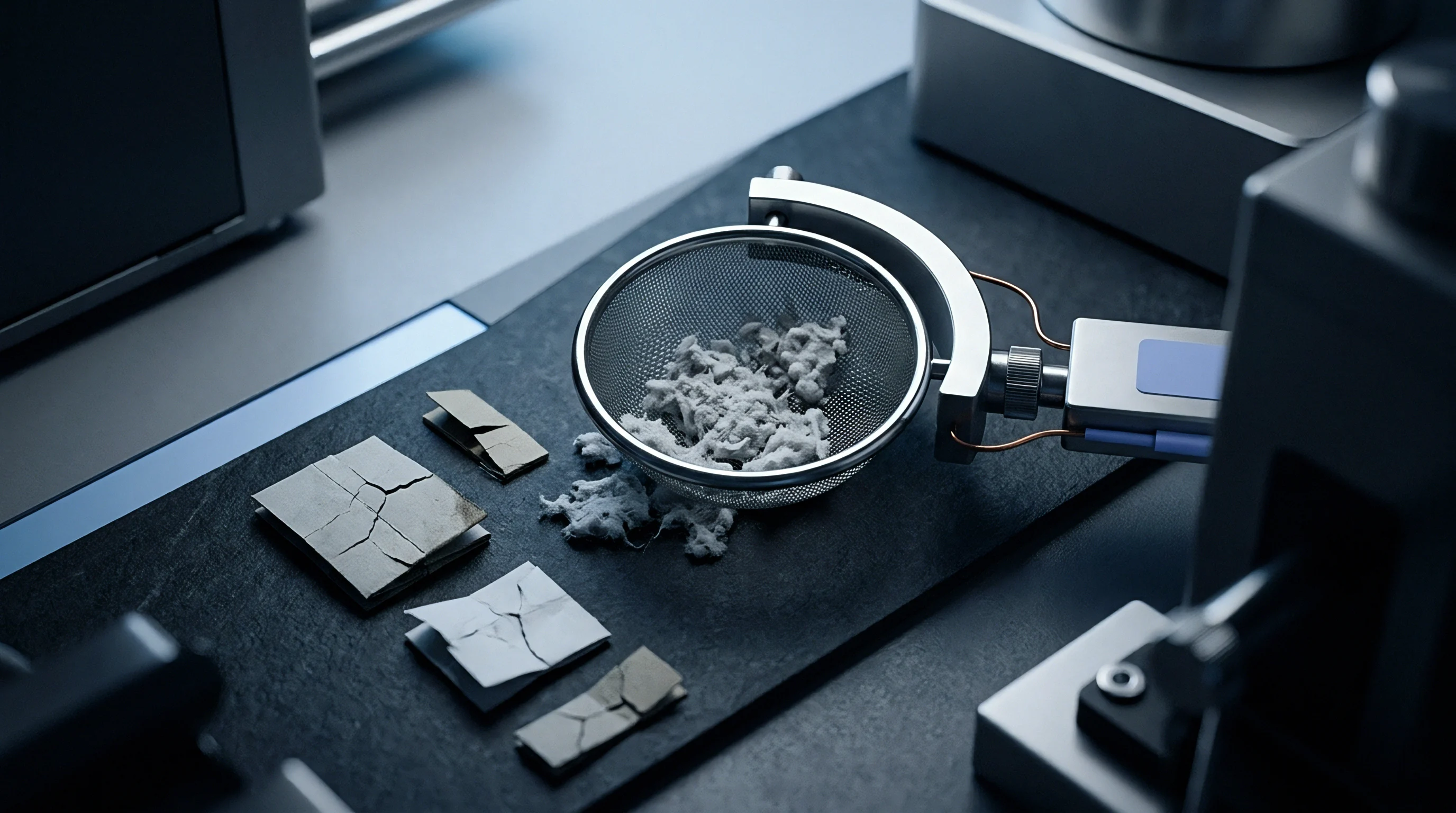
Verifying silane coverage and monitoring hydrolytic breakdown requires surface-sensitive analytical protocols capable of distinguishing sub-nanometer chemical changes. X-ray photoelectron spectroscopy measures the silicon-to-aluminum atomic ratio at the fracture surface following peel testing, providing direct evidence of whether failure occurred cohesively within the adhesive or adhesively at the oxide coating interface. Time-of-flight secondary ion mass spectrometry identifies specific siloxane fragments, mapping the spatial distribution of silane crosslinking across the ceramic web surface.
Attenuated total reflectance Fourier-transform infrared spectroscopy tracks the decay of siloxane peak intensities between 1000 and 1100 reciprocal centimeters during accelerated moisture aging trials. A shifting ratio between siloxane absorption bands and free silanol peaks near 3400 reciprocal centimeters quantifies the extent of hydrolytic degradation before mechanical bond failure becomes visible on the converting floor.
| Analytical Method | Detection Target | Sampling Depth | Failure Indicator |
|---|---|---|---|
| X-ray Photoelectron Spectroscopy | Elemental composition and bond oxidation states | 2 to 10 nm | Depletion of Si-O-Al bonds at interface |
| Time-of-Flight SIMS | Molecular fragment ion distribution | 1 to 2 nm | Presence of unreacted silanol monomer peaks |
| ATR-FTIR Spectroscopy | Siloxane crosslinking network density | 0.5 to 2.0 µm | Shift from Si-O-Si stretching to Si-OH hydroxyl bands |
| Dynamic Contact Angle | Surface energy and polar components | Top monomolecular layer | Increase in polar surface energy vector above 8 mN/m |
Contact angle goniometry using water and diiodomethane provides rapid quality control data on treated inorganic films before adhesive application. An increase in the polar component of surface energy indicates silane hydrolysis or surface contamination, signaling compromised bonding potential prior to downstream lamination passes.

What Drives Interfacial Siloxane Cleavage under Humidity?
The primary driver of interfacial bond failure is the combined action of localized water concentration and mechanical stress concentration along the rigid ceramic substrate boundary. Water molecules act simultaneously as plasticizers within the resin matrix and as chemical reactants at the inorganic interface. Swelling of the adhesive layer creates tensile stress at the siloxane bond sites, lowering the activation energy required for hydrolytic scission.
Dynamic mechanical analysis measures changes in storage modulus and loss tangent as moisture penetrates the cured laminate. A sharp increase in loss tangent under humid conditioning indicates chain relaxation and bond cleavage within the interphase region, long before macro-delamination manifests in peel test protocols.
Mechanical peel testing according to ASTM D903 or ISO 11339 must be performed immediately after environmental chamber conditioning to prevent moisture desorption from recovering temporary secondary bonds. Sample preparation requires precise slitting to avoid edge compression damage, which introduces micro-fractures into the brittle ceramic layer and skews peel strength measurements downward.
Material suppliers frequently maintain that delamination during retort exposure stems entirely from thermal expansion mismatch between film layers rather than chemical breakdown of the silane coupling agent.
Nip

Lamination Line Dynamics and Parameters
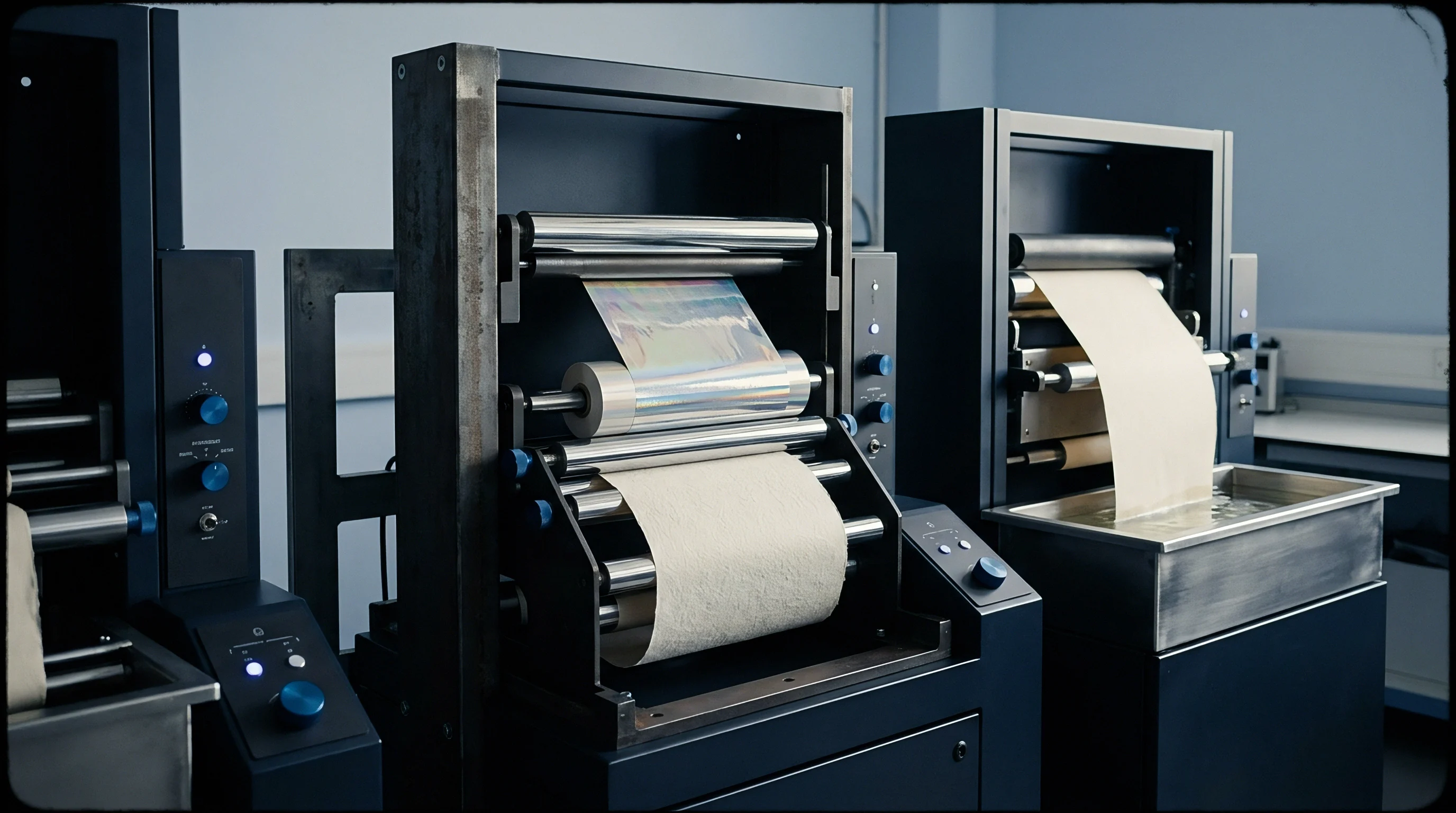
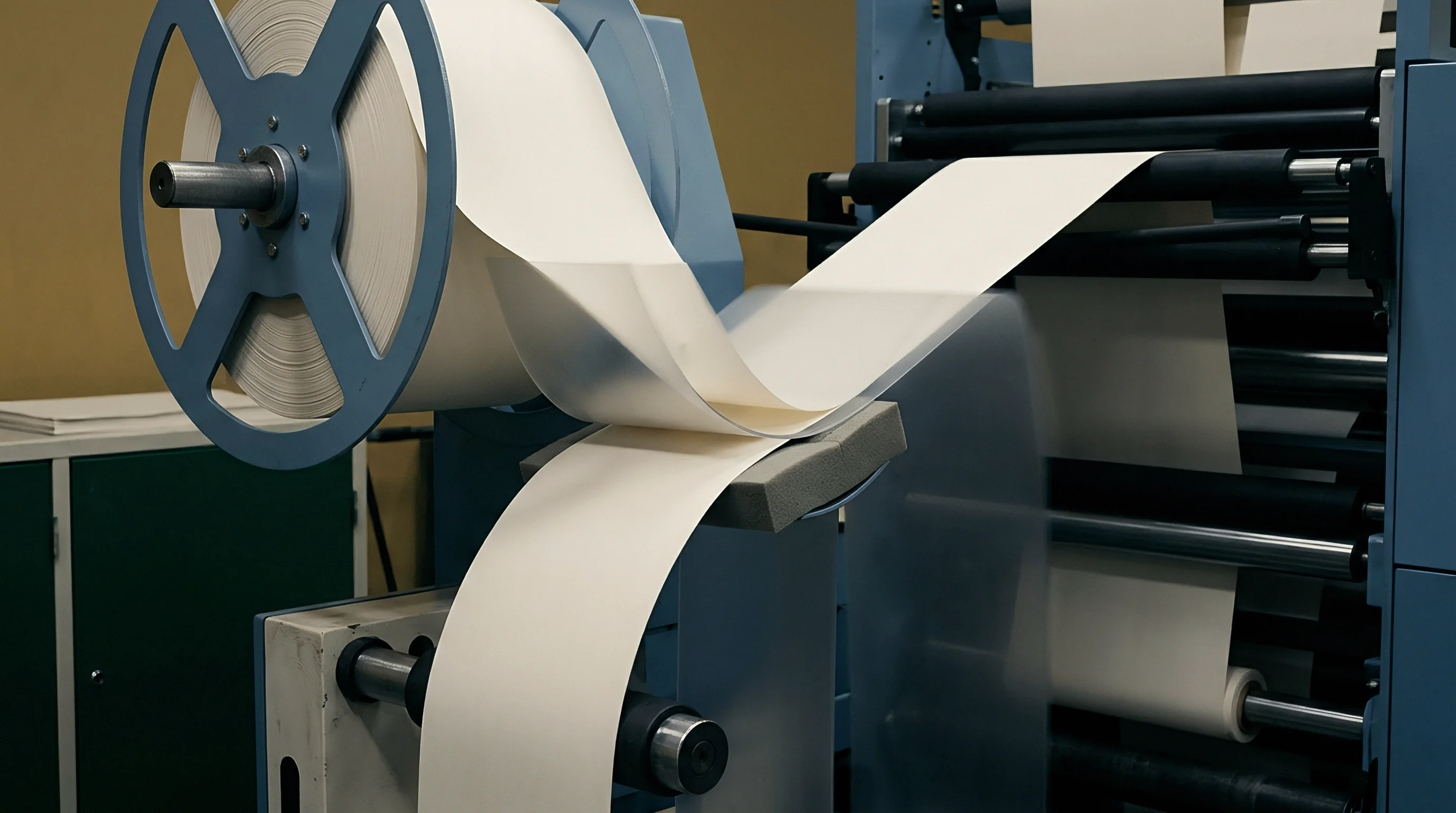
Translating silane chemistry to continuous converting lines requires precise control over web tension, thermal drying profiles, and nip roller parameters. The application of solvent-borne organosilanes via smooth roll or micro-gravure cylinders demands precise wet coat weight control to maintain uniform interphase thickness across three-meter film widths. Gravure cell volume, cylinder speed ratio, and doctor blade pressure determine the wet film thickness, which must be held within a plus-or-minus five percent tolerance across the entire web width.
Drying oven zone temperature profiles must be stepped to prevent surface skinning of the primer coat, which traps residual solvent and inhibits complete silanol condensation. Oven zone one maintains lower temperatures to drive off primary solvents like ethanol or isopropanol, while zone two elevates web temperature to the activation point required for silane condensation. Insufficient web temperature leaves volatile reaction byproducts inside the coating, creating micro-voids that serve as moisture ingress channels during field service.
- Substrate Corona Treatment ~ Corona discharge treatment increases the surface energy of the base film to a minimum of 44 dynes per centimeter, establishing high wet-out efficiency for the silane solution.
- Micro-Gravure Application ~ Fluid delivery systems apply the organosilane solution at low solids content, targeting a precise dry coat weight between 0.05 and 0.15 grams per square meter.
- Zoned Thermal Evaporation ~ Multi-stage forced air drying removes carrier solvents while elevating web temperature to 90 degrees Celsius to initiate condensation reactions.
- Nip Impression Control ~ Pneumatic nip rolls press the coated web against the heated steel cylinder at pressures between 4.5 and 6.0 bar, maximizing physical contact across micro-rough oxide surfaces.
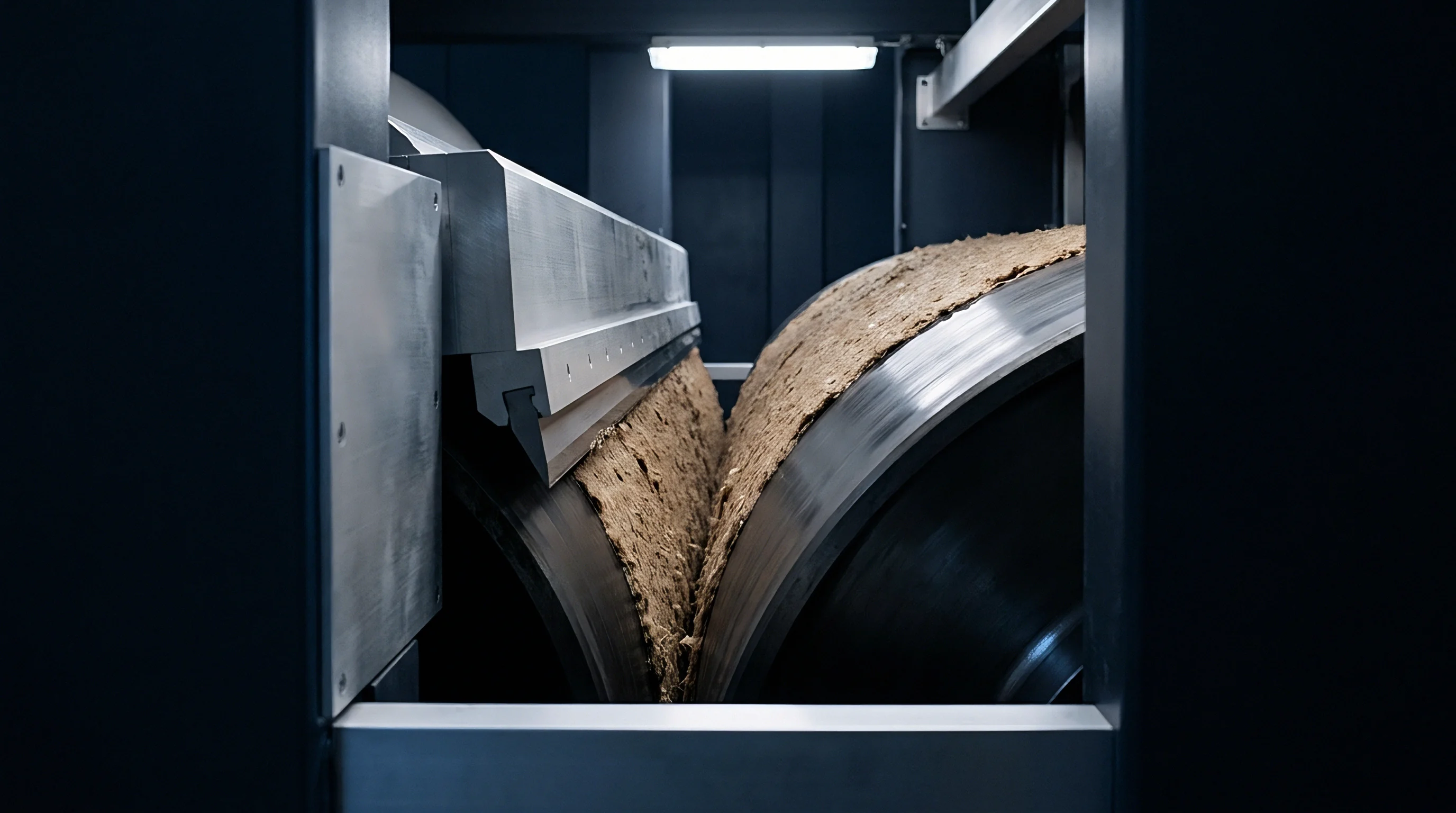
Nip roller durometer selection directly influences physical impression width and peak pressure distribution across the web. Softer rubber coverings between 60 and 70 Shore A shore up pressure uniformity on films with caliper variation, but higher nip pressures generate shear stresses that can craze fragile silicon oxide coatings. Harder rubber coverings above 80 Shore A transfer heat more effectively during thermal lamination, accelerating chemical reaction rates at the contact point.
Mechanical Strain and Web Control
Excessive web tension stretches the underlying flexible polymer film, creating microscopic fractures across the inelastic ceramic coating layer. These micro-cracks expose raw metal oxide surfaces directly to atmospheric moisture and bypass the protective organosilane interphase entirely. Line control systems must maintain web strain below 0.3 percent throughout coating, drying, and laminating passes to preserve ceramic layer continuity.
Static elimination bars positioned after drying zones prevent electrostatic charge accumulation on insulating film webs. High static charges attract ambient dust particles, creating physical defects in the uncured silane coat that serve as initial failure points during wet peel testing.
A laminating line running ceramic-coated films demands lower web tension and higher nip temperatures than standard polyolefin conversion passes.

Purity

Regulatory Limits and Food-Contact Migration
Organosilane primers utilized in high-barrier food packaging laminates are subject to strict regulatory oversight governing specific migration limits into food simulants. Unreacted monomeric silanes, hydrolytic cleavage byproducts, and low-molecular-weight siloxane oligomers can migrate through polyolefin sealant layers into fat, water, or acidic food contents. Compliance under European Union Regulation 10/2011 requires comprehensive migration testing using food simulants A, B, and D2 under defined time and temperature regimes.
Gas chromatography coupled with mass spectrometry quantifies low-level organosilane derivatives in food simulant extracts. Functional monomers such as 3-glycidoxypropyltrimethoxysilane face specific migration limits due to potential toxicity profile concerns associated with the epoxy moiety. Converting facilities must verify that thermal curing conditions on the lamination line achieve sufficient conversion efficiency to lower residual monomer concentrations below analytical detection limits.
Specific migration of 3-aminopropyltriethoxysilane into 3 percent acetic acid simulant must not exceed 0.05 milligrams per kilogram of packaged food product under EU Regulation 10/2011 standard test conditions.
Barrier retention following migration testing serves as a critical qualification criterion for retort-grade packaging webs. Oxygen transmission rate measurements conducted per ASTM F1927 under high humidity conditions confirm whether hydrolytic cleavage of the silane interface has compromised the physical continuity of the ceramic barrier layer.
Recyclability Grading and End-of-Life Streams
The integration of organosilane crosslinkers and ceramic coatings impacts the circularity metrics of flexible barrier films under standard recycling evaluation schemes. Mechanical recycling streams for polyolefins evaluate coating residuals as un-meltable inorganic contaminants that can plug melt filtration screens and reduce recycled resin mechanical performance. Silane crosslinking networks can generate insoluble gel particles during extrusion re-pelletization if primer coat weights exceed technical recommendations.
| Barrier Construction | Evaluation Scheme | Recyclability Rating | Operational Contamination Risk |
|---|---|---|---|
| AlOx PET / Silane / PE | RecyClass Design Guide | Conditionally Compatible | PET core layer requires optical sorting separation |
| SiOx PE / Silane / PE | RecyClass Design Guide | Fully Compatible | Inorganic coating mass below 0.1% total pack weight |
| AlOx PP / Epoxy-Silane / PP | CEFLEX Guidelines | Fully Compatible | Silane layer must remain below 1.0 micron thickness |
| PVDC Coated PET / Adhesive / PE | RecyClass Design Guide | Incompatible | Halogenated polymer causes degradation during extrusion |
Design-for-recycling frameworks like RecyClass penalize multilayer laminates that introduce non-polyolefin layers unless the inorganic and primer chemistry combined represents less than 0.1 percent of total pack mass. Silicon oxide coatings with ultra-thin silane primer layers meet these criteria, allowing monomaterial polyethylene structures to achieve high recyclability scores while retaining barrier performance comparable to aluminum foil laminates.
Standard purchase agreements for converter-supplied barrier webs state that any alteration in silane primer formulation invalidates existing food contact dossiers and mandates immediate re-qualification of the delivery lot.
Spoilage
Scrap Economics and Quality Audits
Process instability during organosilane application directly impacts converted product yield and job line profitability. Inadequate coat weight control or improper oven curing generates latent defects that escape inline optical inspection systems, manifesting only after forty-eight hours of room-temperature cure or post-lamination aging. Retaining off-spec rolls through downstream pouch conversion multiplies scrap costs, as value-added processing passes, printing inks, and sealant films are lost alongside the defective primer web.
Quality assurance protocols require offline bond strength auditing twenty-four hours after production to allow silane condensation networks to fully stabilize. Testing initial bond strength immediately after the nip nip roller produces misleadingly low values, leading operators to make unneeded line adjustments that introduce caliper variation and web strain defects.
- Primer Bath Pot-Life Depletion ~ Ambient humidity absorption in the coating pan causes premature silane hydrolysis, generating micro-gels that reduce active coverage on the ceramic web.
- Corona Power Drift ~ Fluctuations in corona treater wattage reduce film surface energy, leading to incomplete wet-out of the silane primer and localized delamination spots.
- Thermal Profile Mismatch ~ Drying oven temperature drops below the silanol condensation threshold, leaving unreacted monomeric silanes that migrate into the sealant layer.
- Excess Web Tension ~ Over-tensioning during lamination fractures the brittle ceramic layer, creating localized pathways for rapid moisture ingress during field storage.
Scrap financial modeling demonstrates that primer-related defects account for a disproportionate share of total waste costs due to the late detection point in the manufacturing cycle. A single roll of high-barrier clear film rejected for post-retort delamination consumes the profit margin of thirty successful production rolls, highlighting the economic necessity of continuous process monitoring.

Ledger Cost Analysis
Raw material costs for specialized organosilane coupling agents represent a minor fraction of total laminate construction expenses, yet their technical execution dictates overall run yield. Solvent-borne amino-silane formulations cost between 12 and 18 Euros per kilogram at application concentration. Applied at a target dry coat weight of 0.10 grams per square meter, the chemical cost equals approximately 0.0015 Euros per square meter of converted film web.
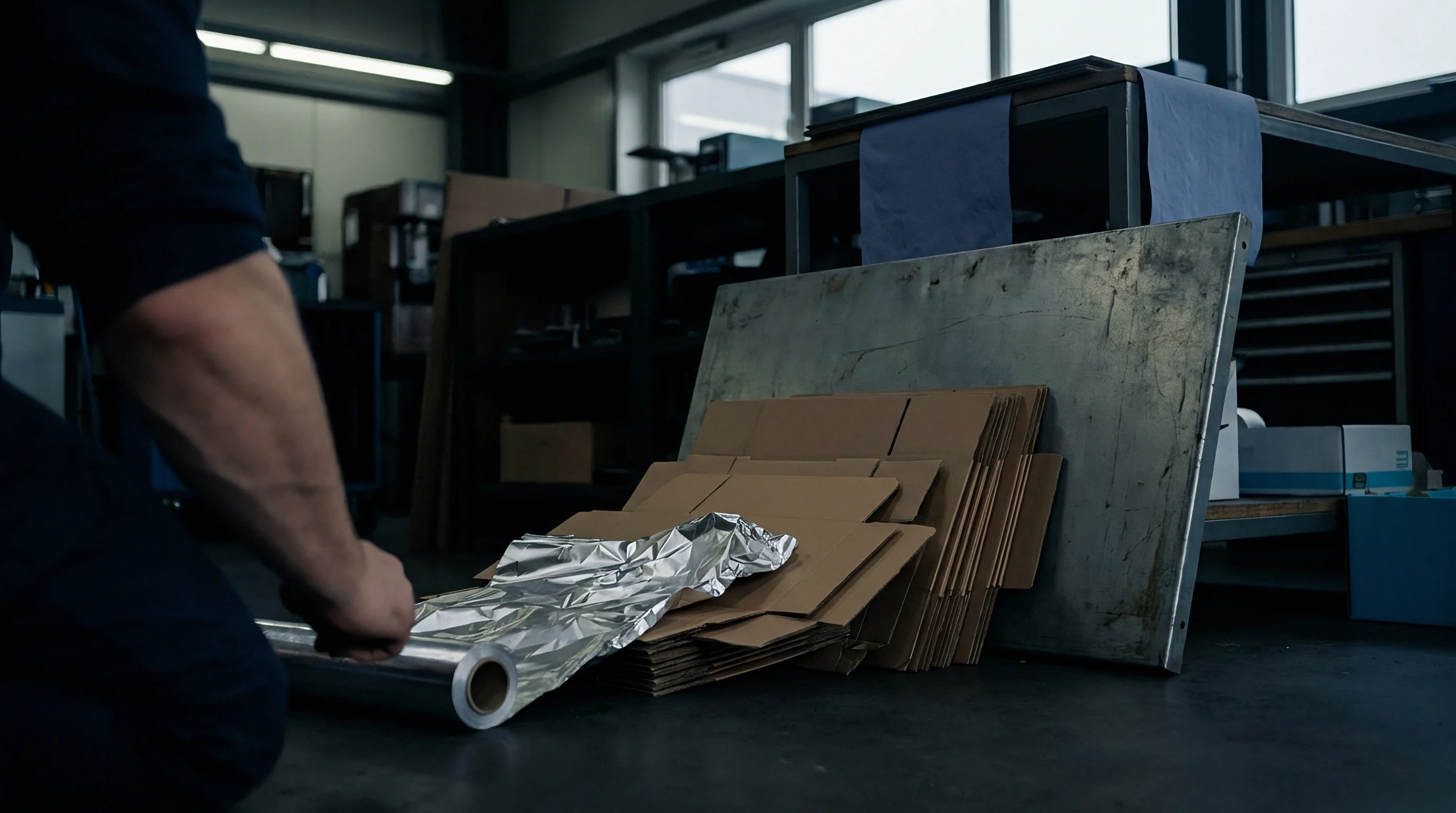
The economic leverage of the silane pass sits in its capacity to replace expensive aluminum foil layers with clear barrier films like silicon oxide or aluminum oxide coated PET. Foil replacement lowers material weight, cuts transport emissions, and enables microwaveable packaging formats, while adding single-pass primer application costs of roughly 0.04 Euros per square meter when accounting for line energy, solvent incineration, and make-ready waste.
Waste calculations for a 20,000-square-meter packaging run must account for setup spoilage during coating bath stabilization. A typical make-ready sequence consumes 350 meters of substrate film to achieve uniform coat weight and stable web tension across all drying zones. Running smaller job lot sizes increases the relative cost impact of setup spoilage, shifting the break-even point for specialized silane-primed webs toward larger minimum order quantities.
Process monitoring of ambient humidity in the coating room remains critical for bath stability management. High ambient relative humidity accelerates silane self-condensation within the application pan, increasing viscosity and altering wet coat weight transfer within two hours of bath mixing.