Fourier Transform Infrared Analysis of Varnish Curing Kinetics
ATR-FTIR cure kinetics tracking links acrylate double bond conversion percentages directly to monomer migration safety and substrate blocking performance.
ATR-FTIR cure kinetics tracking links acrylate double bond conversion percentages directly to monomer migration safety and substrate blocking performance.

Dynamic strain rate modeling predicts multi-ply boxboard Z-direction compression and interlayer shear collapse during high-speed converting and package drops.
Female cavity depth equal to compressed bulk caliper and counter clearance matching substrate compressed thickness prevent fiber shear during embossing.
Mechanical decurling and fluid rehydration permanently degrade recycled paperboard flexural modulus by shear micro-delamination and fiber plasticization.

Single-sided lamination curl stems from differential thermal shrinkage of polymer film opposing moisture-driven hygroexpansion across anisotropic board fibers.
Air-coupled ultrasonic guided waves quantify paperboard crease ply delamination and micro-cracking non-destructively, preventing box compression failure.
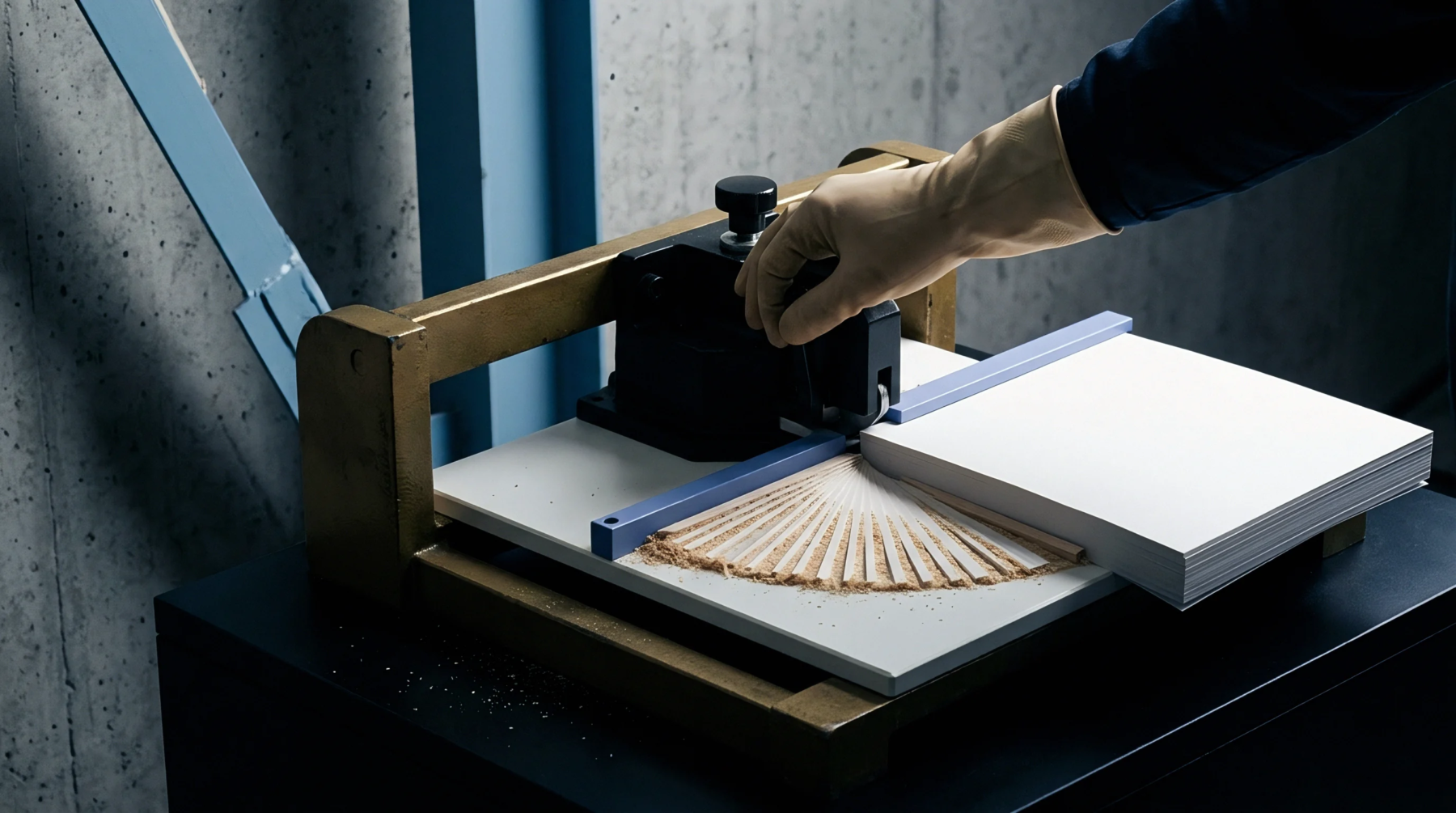
Optimizing rule depth and matrix channel width induces internal ply delamination, preventing top liner crack failures during high-speed carton folding.

Dynamic paperboard creasing requires speed-adjusted tooling channel geometry to prevent barrier micro-fracturing and maintain shelf-life performance.

Matching counter matrix channel width to rule thickness plus 1.5 to 1.7 times board caliper prevents clay coating rupture and stabilizes carton score stiffness.
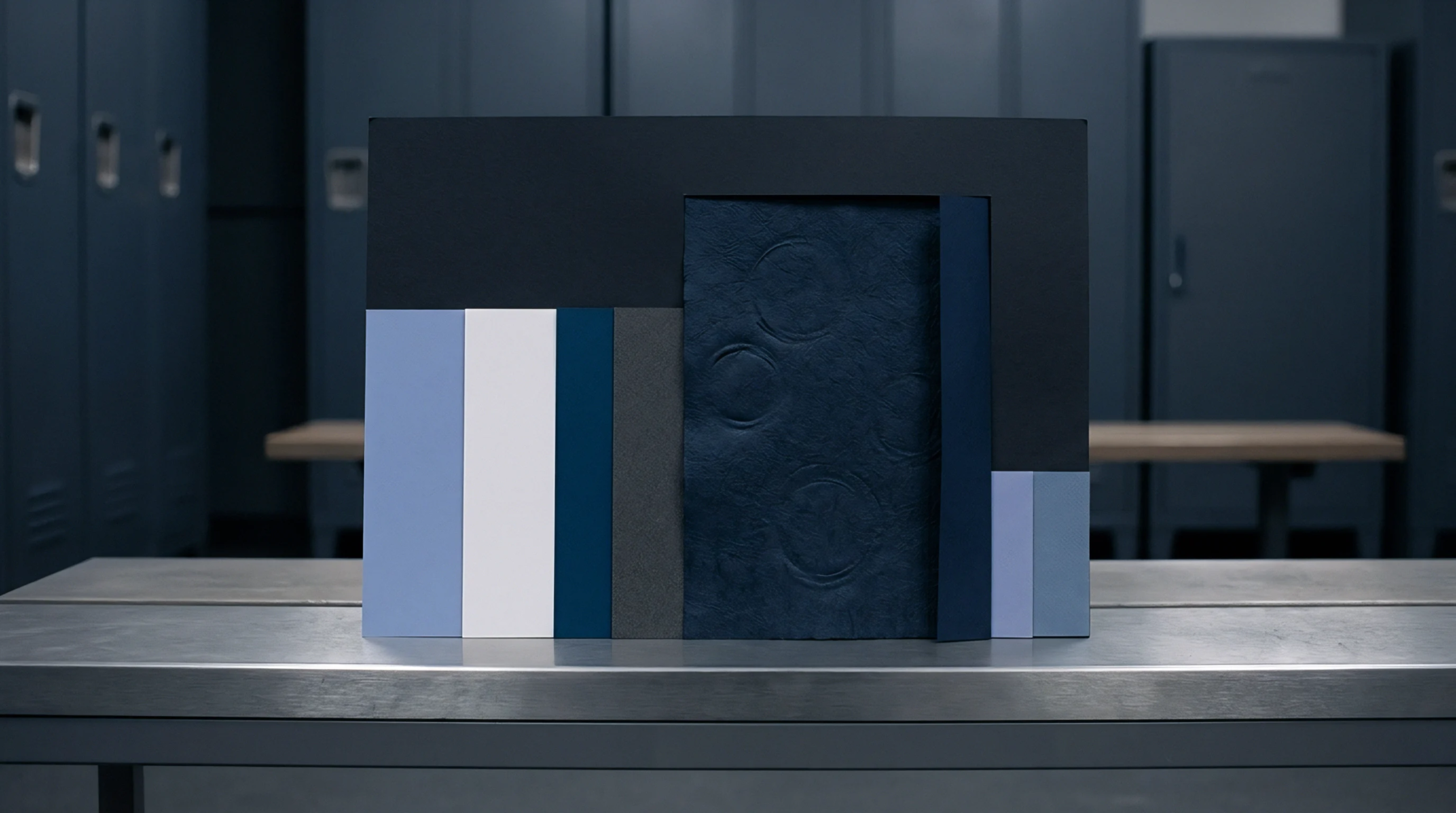
Inline blade coating and soft-nip calendering establish surface uniformity, while targeted finishing passes balance visual embellishment against repulpability.

Foil adhesion succeeds when polymer film surface energy exceeds forty-two dynes per centimeter and sizing chemistry matches the polar surface component.
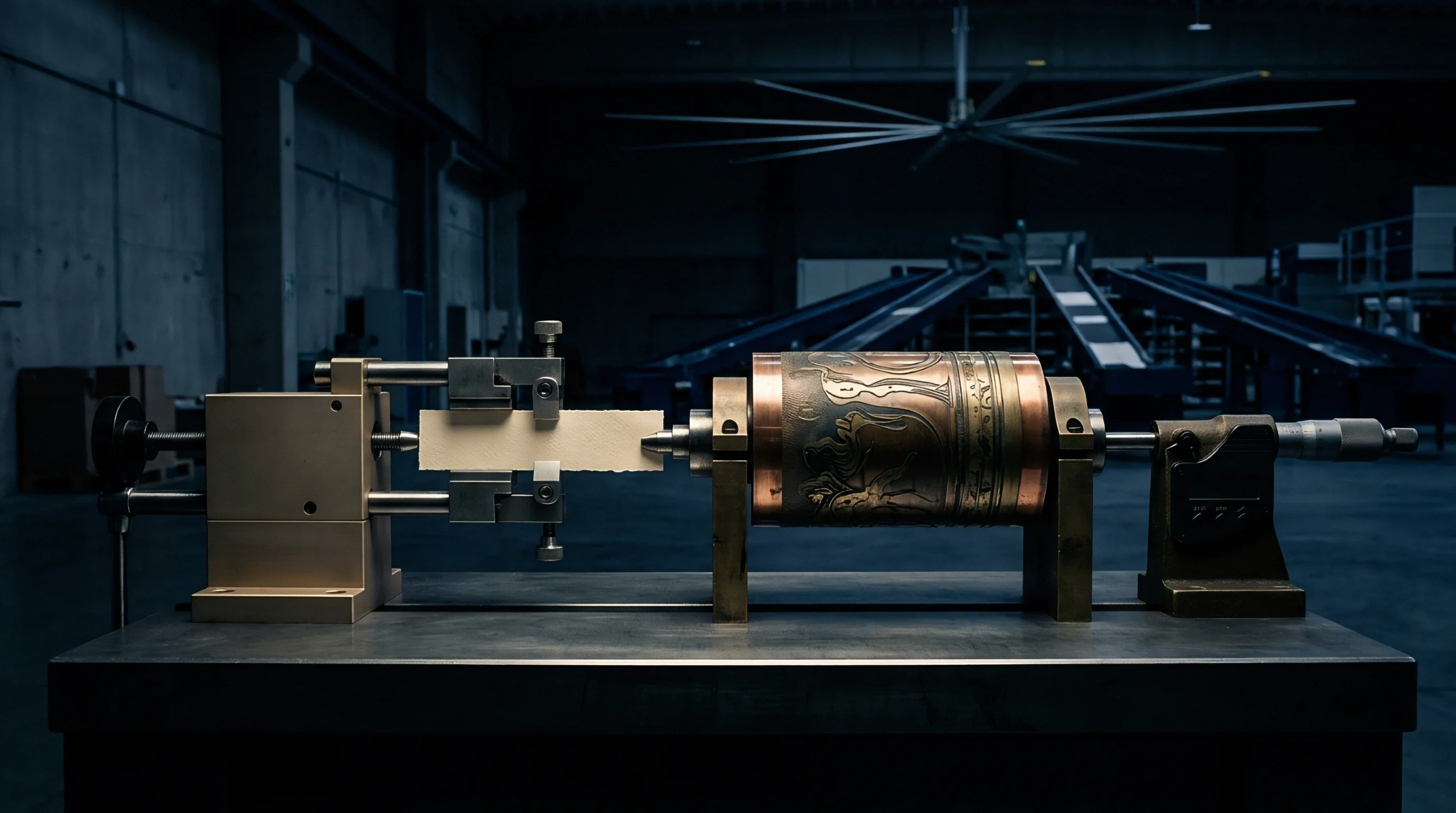
Laboratory rub testing evaluates matte overprint varnish durability by measuring specular gloss shifts and receptor color transfer under standardized shear loads.

Evaluating paperboard barrier food contact declarations requires verifying specific migration limits, functional barrier continuity, and total NIAS disclosures.
Polyolefin amide slip additives migrate to liquid adhesive interfaces under heat, requiring isocyanate excess and stack cooling to stop weak boundary failure.
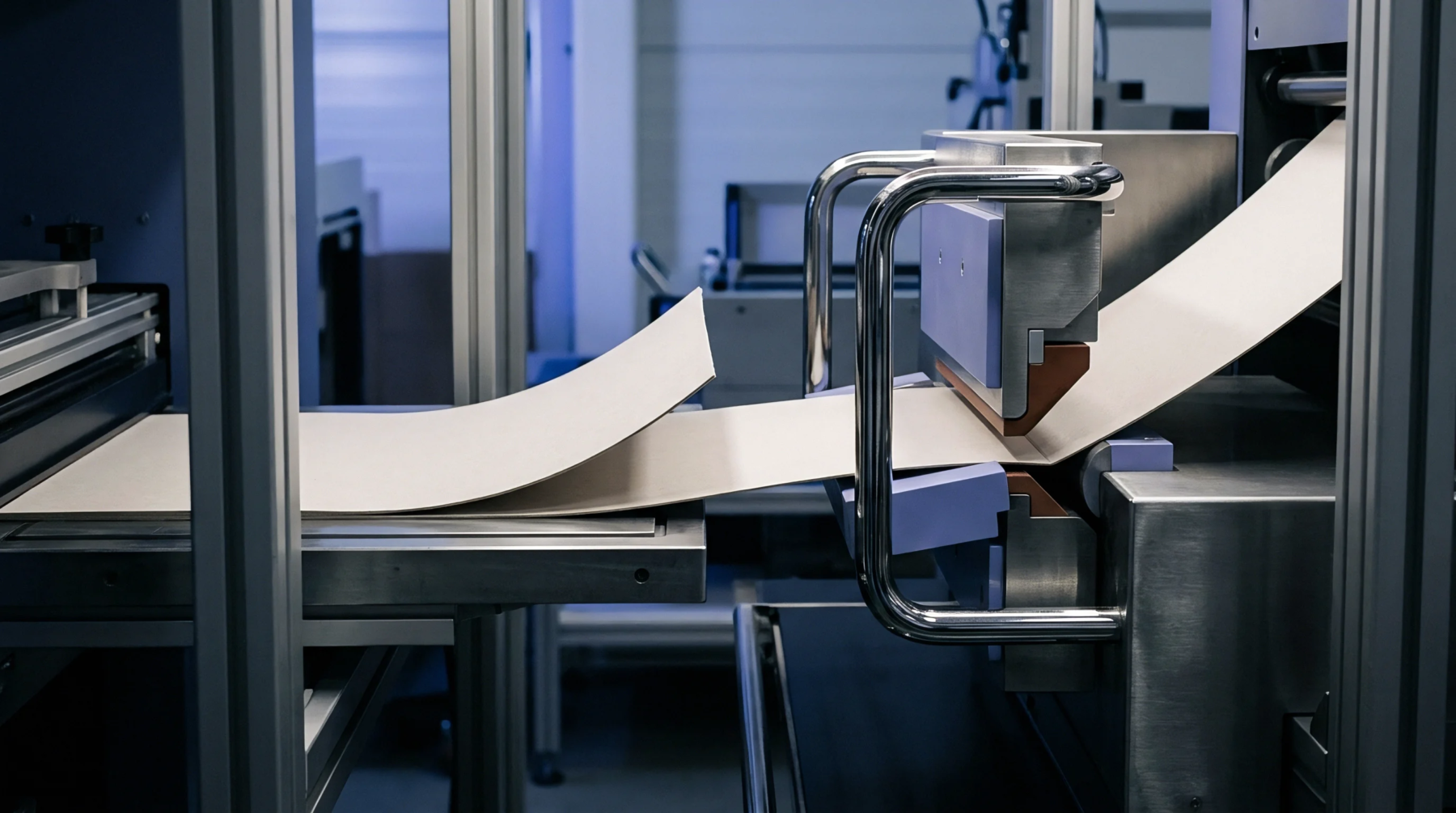
Quantifying matting agent displacement requires z-axis Raman depth profiling and strict viscosity recovery control to stop gloss drift and scuff failure.
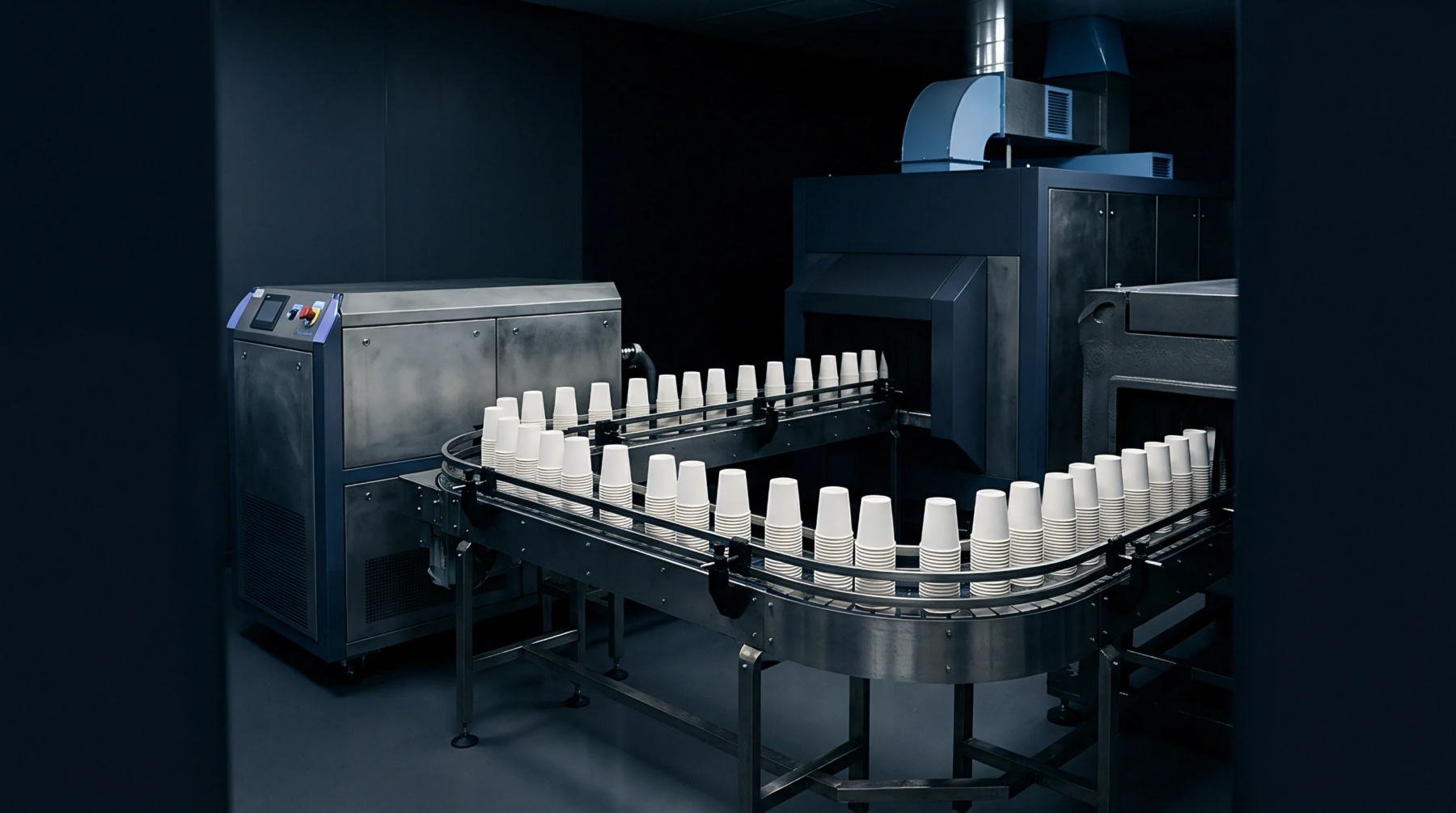
Targeting 5.5 to 6.5 percent board moisture and maintaining 50 percent relative humidity prevents hygroexpansion fan-out, registration drift, and score cracking.
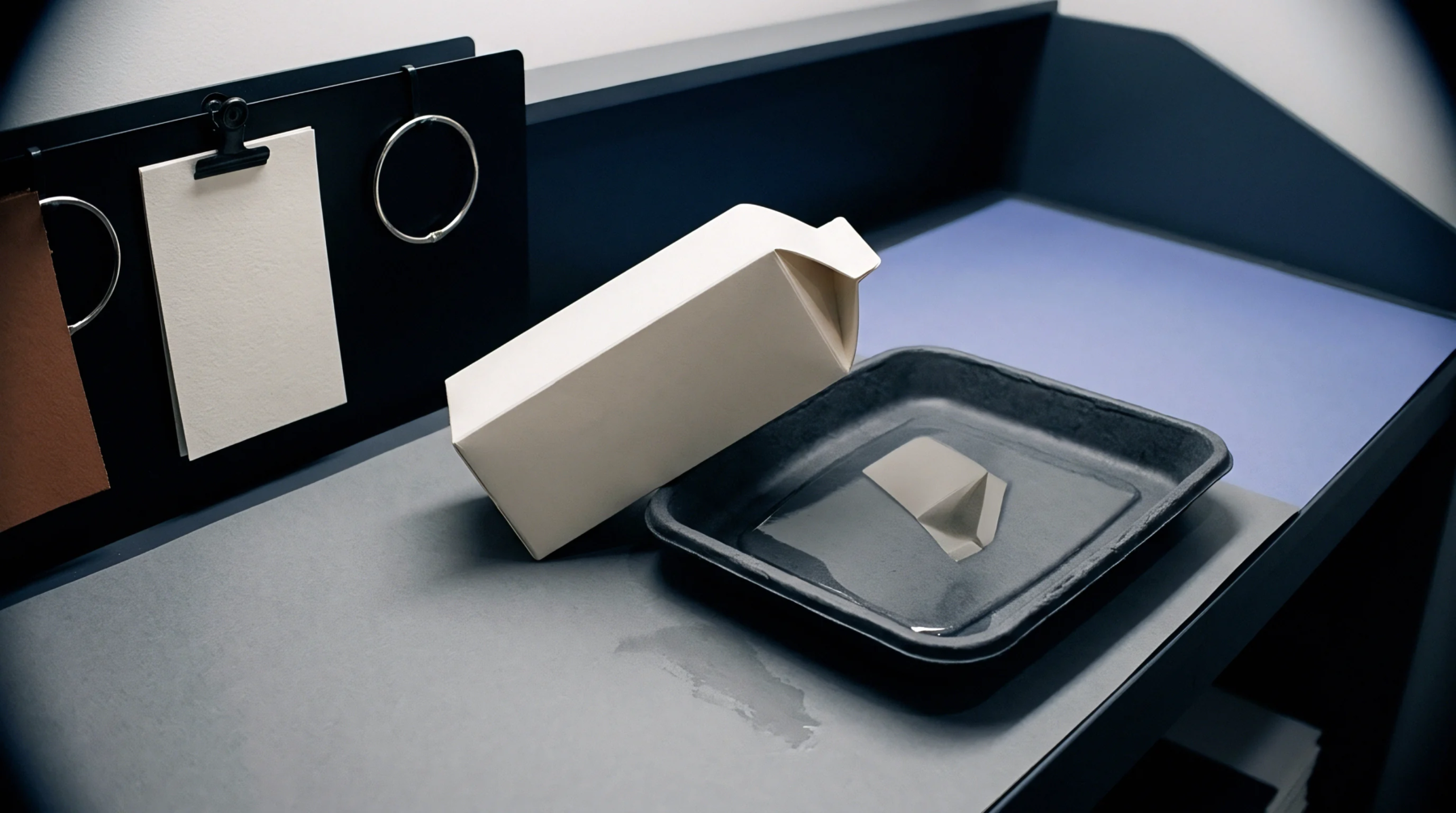
Predicting set-off migration requires calculating local pressure peaks across board caliper variations to set safe pile heights and barrier coat weights.
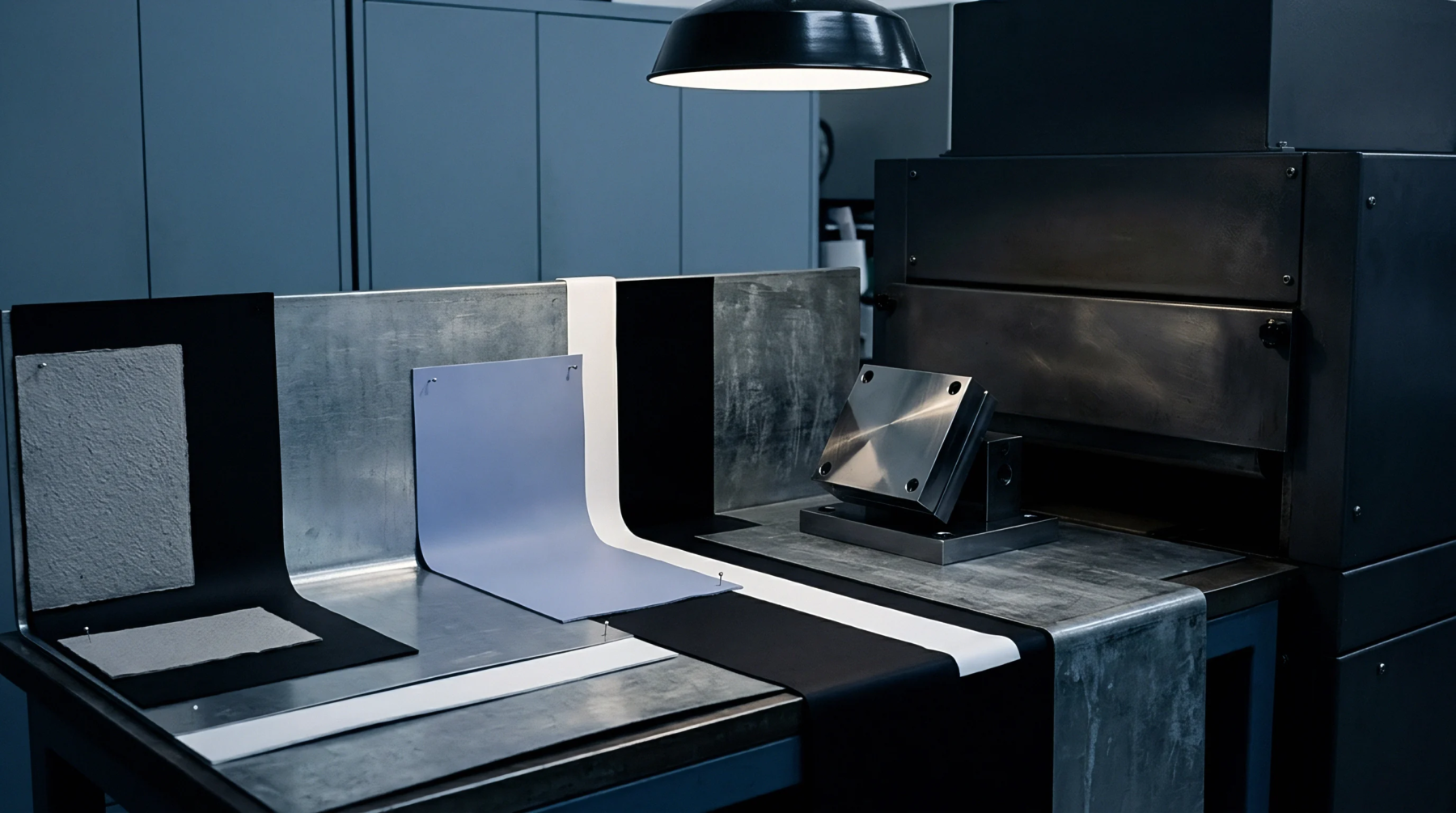
Measuring specular gloss changes before and after standard rub tests quantifies surface coating durability using exact optical angle decay metrics.
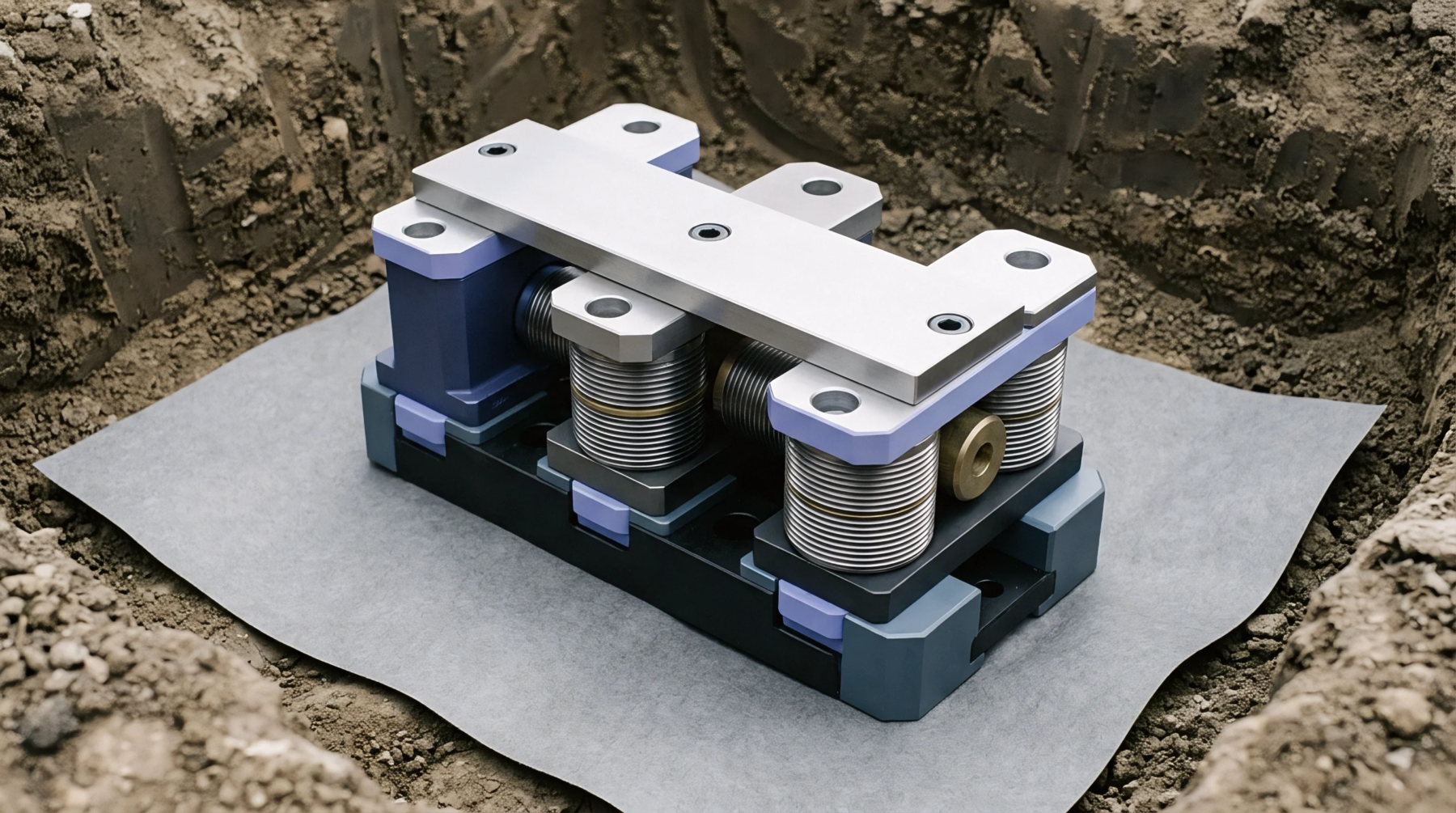
Mitigate polymer swap risks by pairing ATR-FTIR incoming resin screening with enforceable supplier contracts capping liability to full downstream food loss.
Thermal tooling and barrier sealing permanently lock micro-embossed fibers, preventing moisture-induced entropic strain recovery under high humidity.

Maximum surface temperature limits during high-speed paperboard embossing are bounded by latex binder scorching and steam-induced Z-direction blistering.

Hydro-pulper fiber recovery yield under EN 13430 requires dry accepted fiber mass to exceed 85% of substrate weight using controlled tip speeds and temperature.

Converting scrappage from single sided lamination negates small material savings once EU EPR tariffs penalize film coated board above five percent weight.

Polypropylene film lamination delivers absolute water vapor barrier and fold integrity, whereas aqueous dispersions eliminate secondary passes but crack at creases.

Breaker bar geometry and reverse fluid dampening control film lamination curl by balancing plastic yield strain and z-direction substrate moisture gradients.
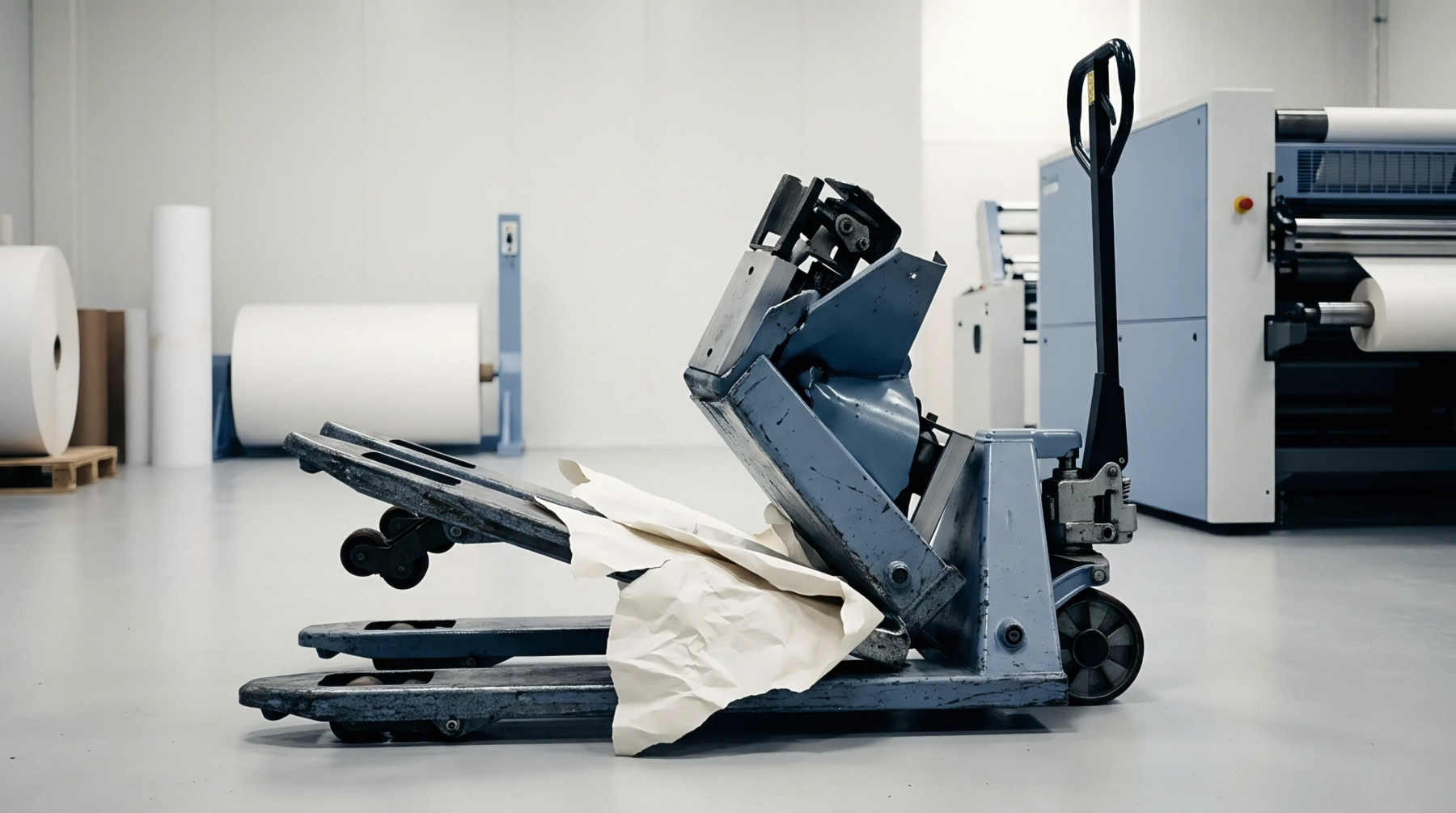
Matte polyolefin converting speed limits depend on dynamic surface shear thresholds that prevent particle detachment and skin delamination under roll pressure.
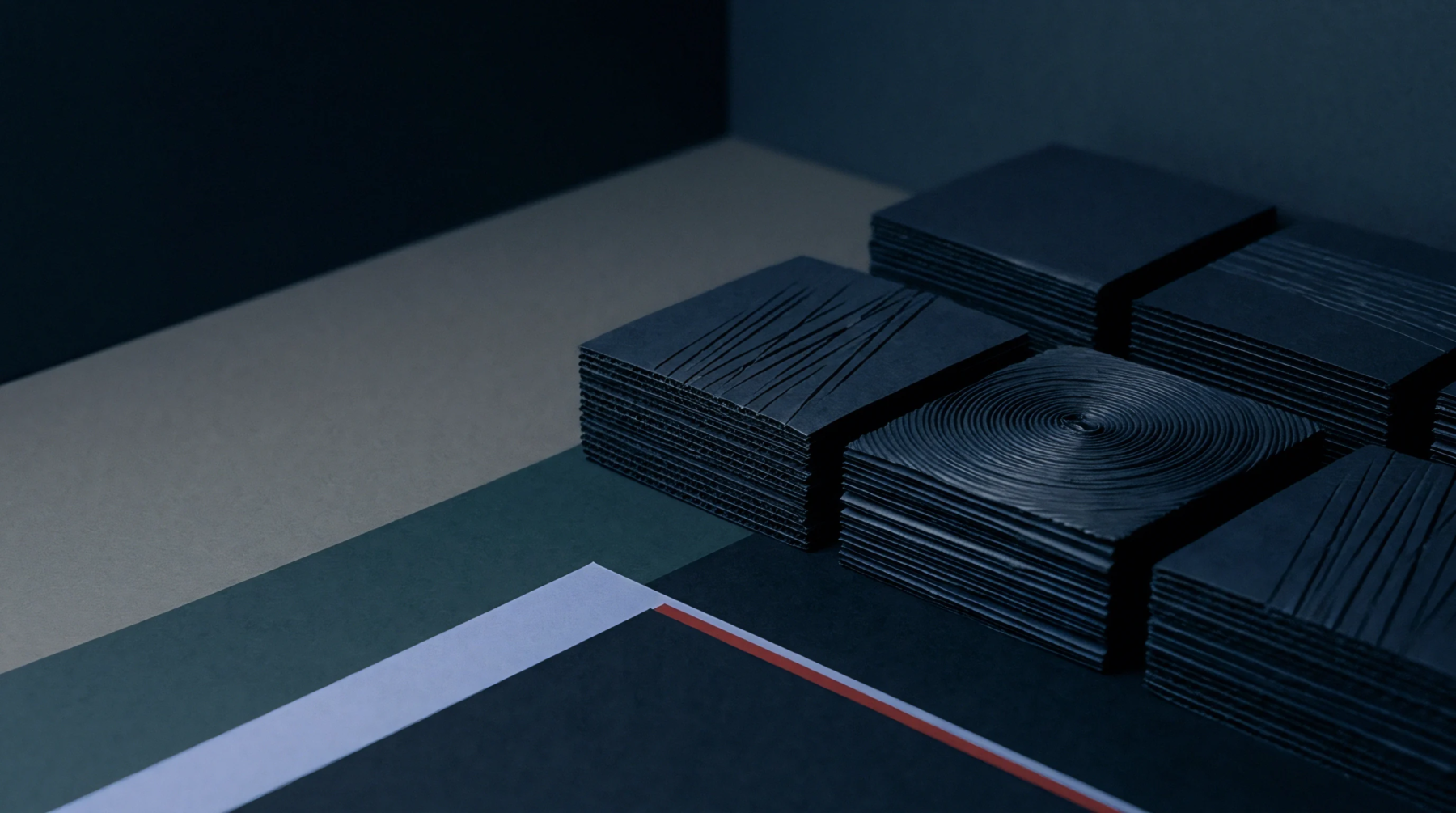
Dynamic transit vibration crushes porous silica matting networks in aqueous coatings, driving gloss increases that demand solid polymeric bead or wax modifications.

Corona decay on polypropylene impairs solventless adhesive wetting, requiring in-line treatment to maintain dynamic surface energy above 40 dyn/cm.
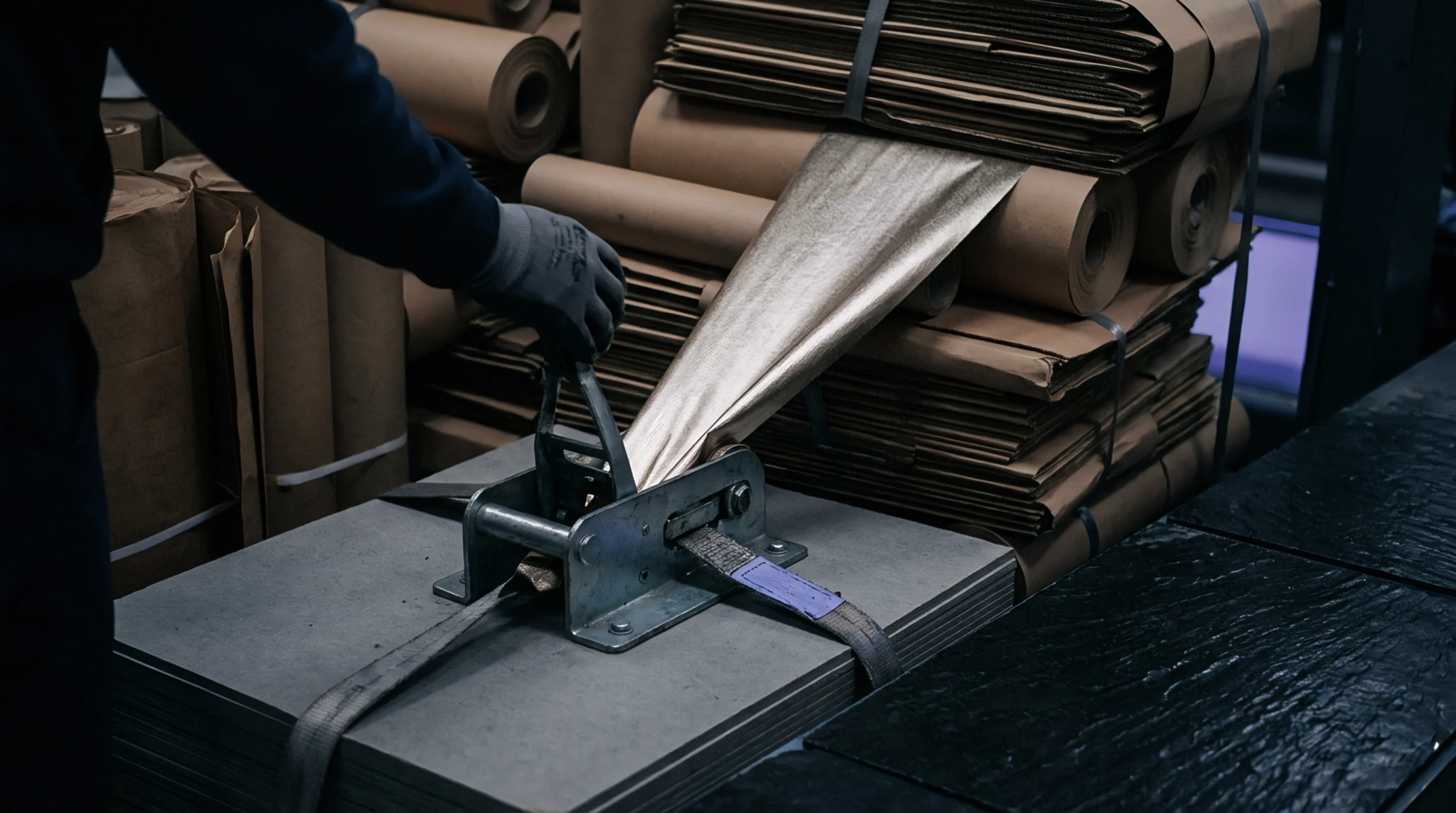
Dynamic tension on folder-gluers strains polypropylene film across score radii, where excessive speed triggers stress whitening and adhesive shear failure.
Surface energy mismatch causes reticulation or edge slump in digital spot UV jetting, requiring balanced dynamic surface tension and LED pinning.
Expertise is a utility, not a secret. sentiention™ publishes its working knowledge as open reference: intelligence layer covering the materials it sources, the markets it enters, and the reference that serves both.