
Spot UV against Hot Foil at the Break Even Run Length
Digital spot UV beats hot foil stamping on setup costs below 3,400 B2 sheets at 5% coverage, beyond which low foil area costs surpass high fluid burn.
Digital spot UV beats hot foil stamping on setup costs below 3,400 B2 sheets at 5% coverage, beyond which low foil area costs surpass high fluid burn.

Soft touch lamination scuffing stems from micro-layer shear deforming under friction, resolved by specifying nano-composite film chemistry and strict gloss drift limits.

Each added pass adds 24 to 48 hours of lead time through mandatory inter-pass drying, thermal stabilization, tooling lead times, and offline queue staging.
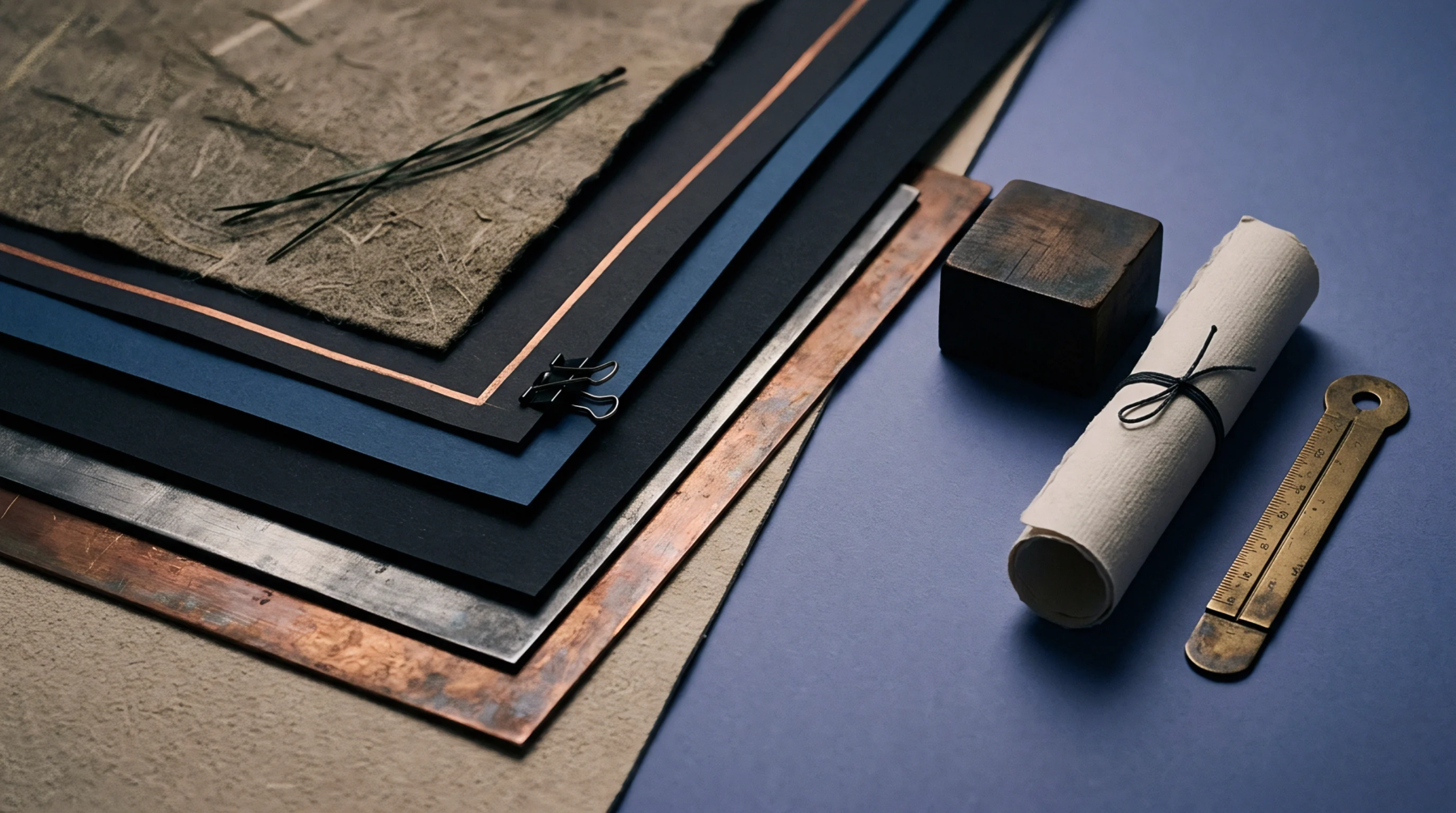
Stack thermal buildup causes substrate shrinkage and mechanical expansion, driving cold foil register drift across continuous production shifts.
Modulated packaging fees penalize synthetic laminates on paperboard, requiring dispersion barriers or thin extrusion layers to maintain circular fiber recovery.

Radiant UV lamp infrared energy and mechanical nip friction strip paperboard surface moisture, driving hygrothermal curl and score cracking that require cold-mirror optics, UV-LED arrays, or chilled impression rolls to preserve converting yield.

Cold foil inline vision systems maintain registration across shifts by matching strobe sensor geometry to substrate thermal growth and adhesive rheology changes.

Matt lamination cracks at the crease because silica matting inclusions reduce film elongation capacity, requiring expanded matrix channels to lower folding strain.
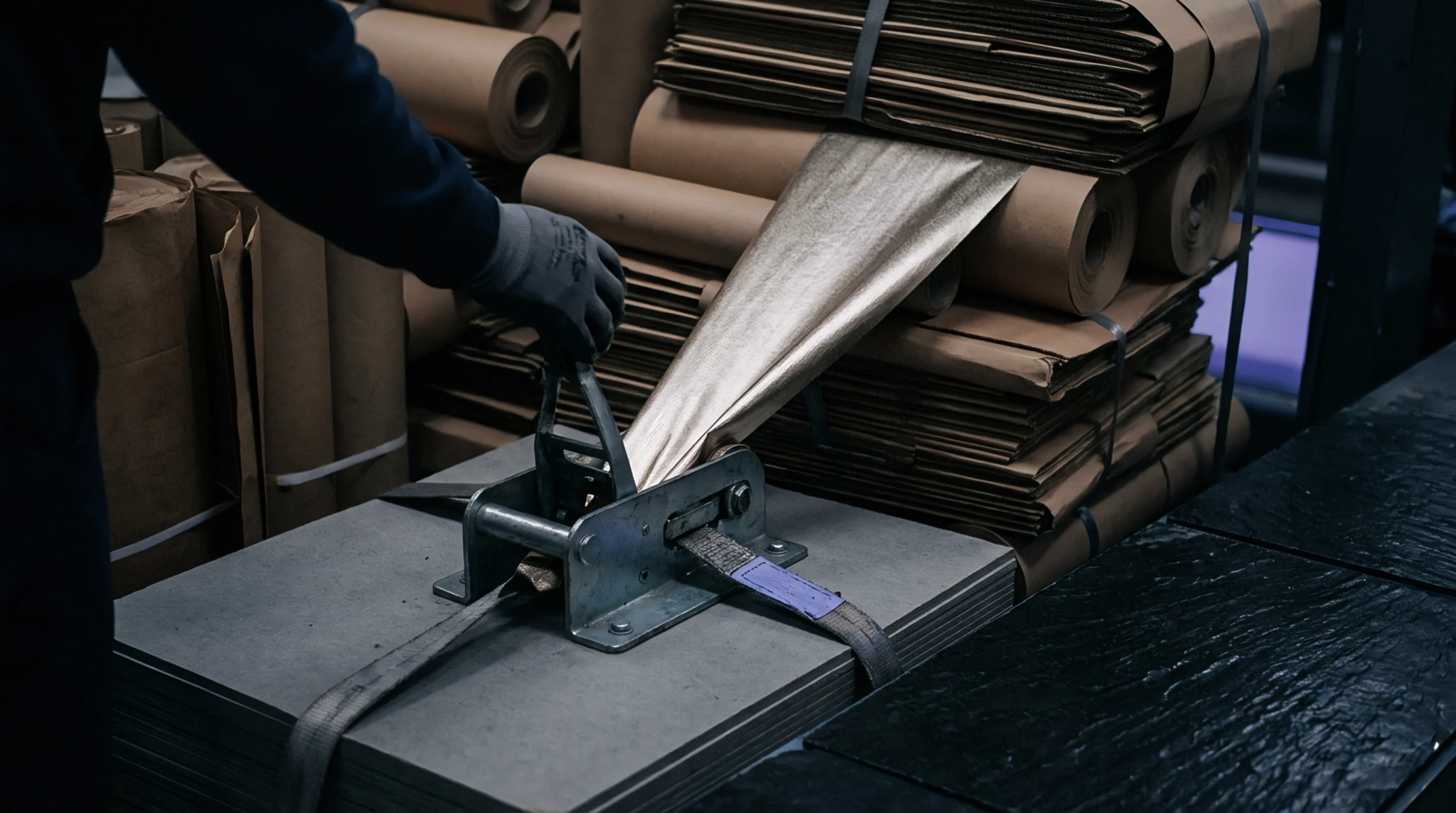
Lamination failure stems from dyne decay and score mismatch; precise surface energy matching and matrix sizing prevent debonding and lower EPR packaging costs.

Polypropylene lamination crease failure is prevented by expanding female matrix channel width to one point seven times board caliper plus rule thickness.

Thermodynamic wetting in polyolefin lamination demands substrate polar surface energy above 6.0 mN/m to achieve complete adhesive spreading and bond durability.

Online acoustic emission monitoring detects micro delamination along carton scores in real time to prevent line jams and outer liner cracking.

Single-sided lamination curl is controlled by balancing nip heat, reverse dampening, decurling bar tension, and conditioning board to filling line humidity.
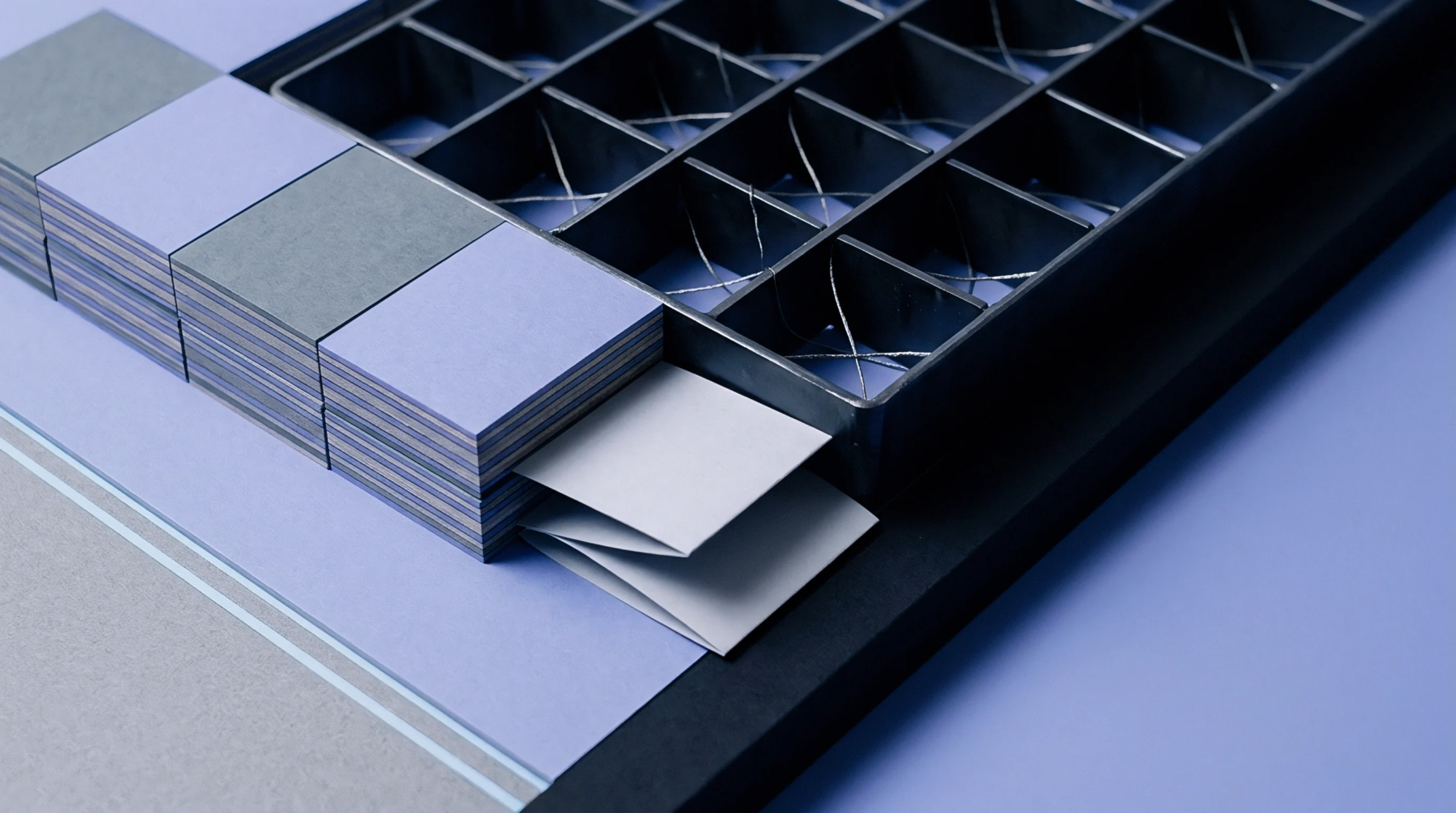
Committing embossing die funds before verifying batch-specific board caliper causes die clearance errors, crushed paperboard profiles, and ruined tooling.

A raw material shift in barrier coatings alters chemical migration profiles, instantly invalidating food contact declarations and risking complete job quarantine.
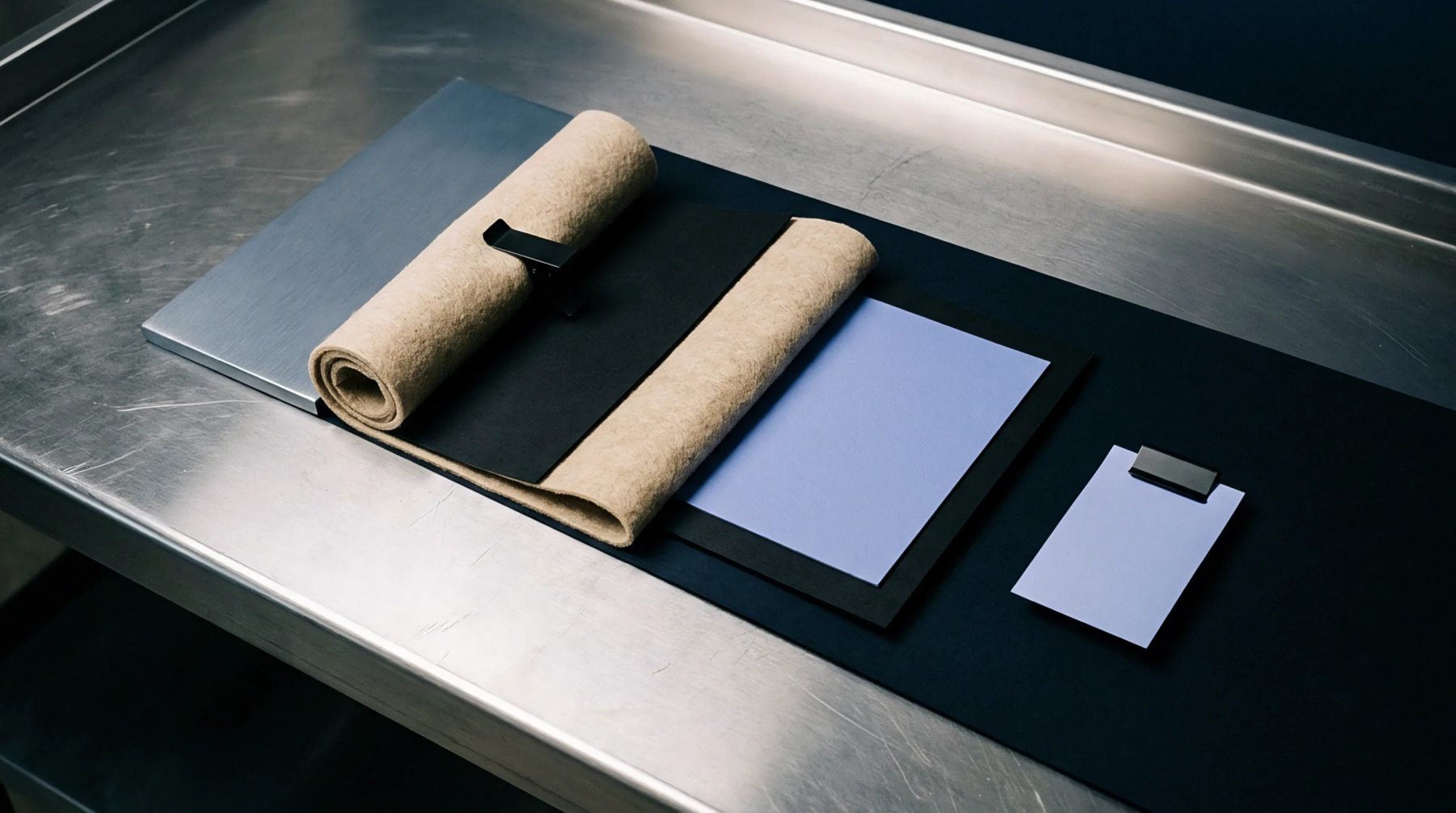
Standard laboratory burnish evaluation uses controlled sled friction and 60-degree delta gloss measurements to quantify matte coating asperity degradation.
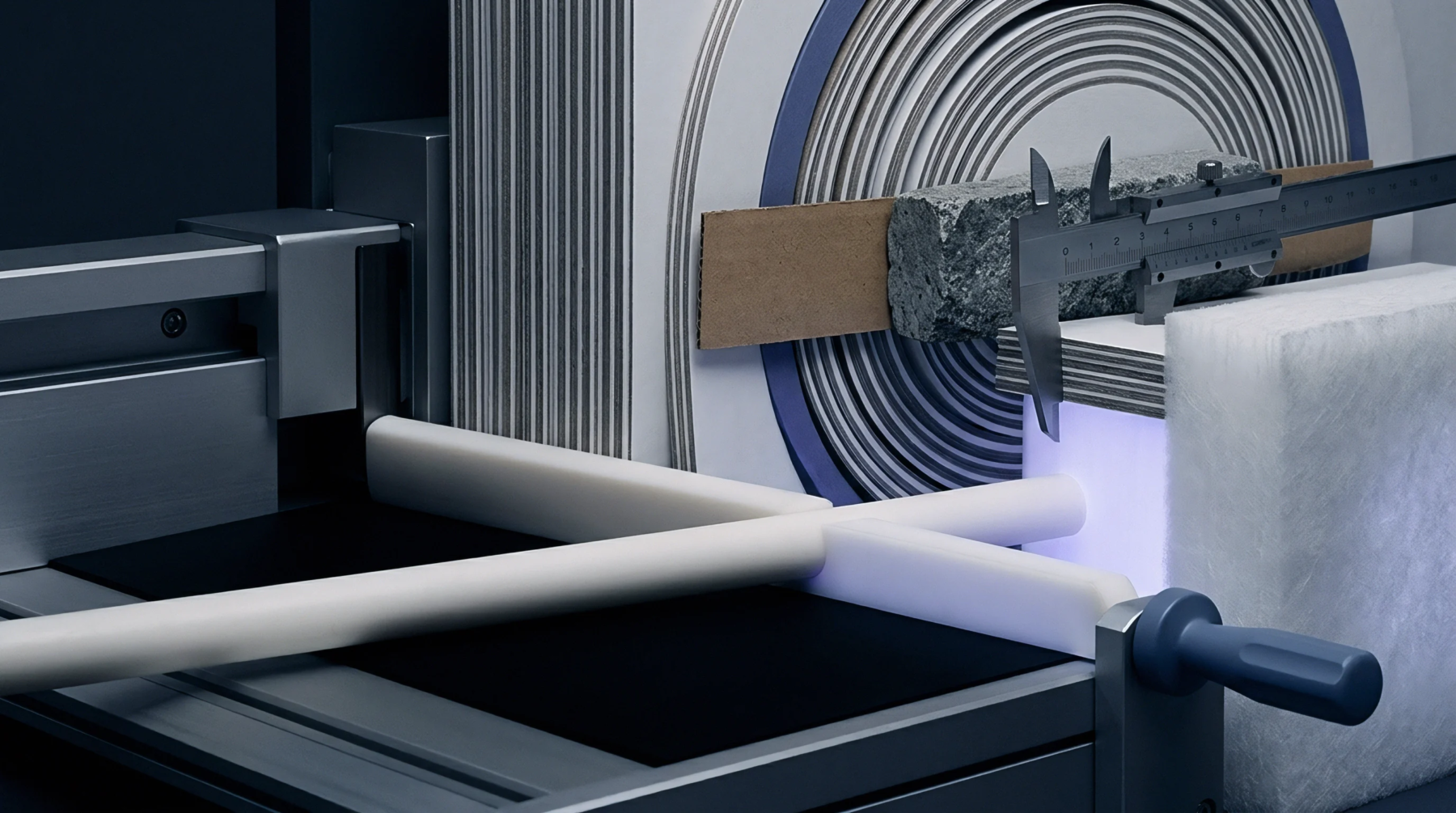
Calibrating matrix channel width to rule thickness plus 1.6 times composite caliper prevents matte skin fracture on co-extruded film laminated paperboard.

Optimize matrix channel clearance using board caliper and rule thickness formulas to guarantee internal ply delamination while preventing outer liner score cracking.
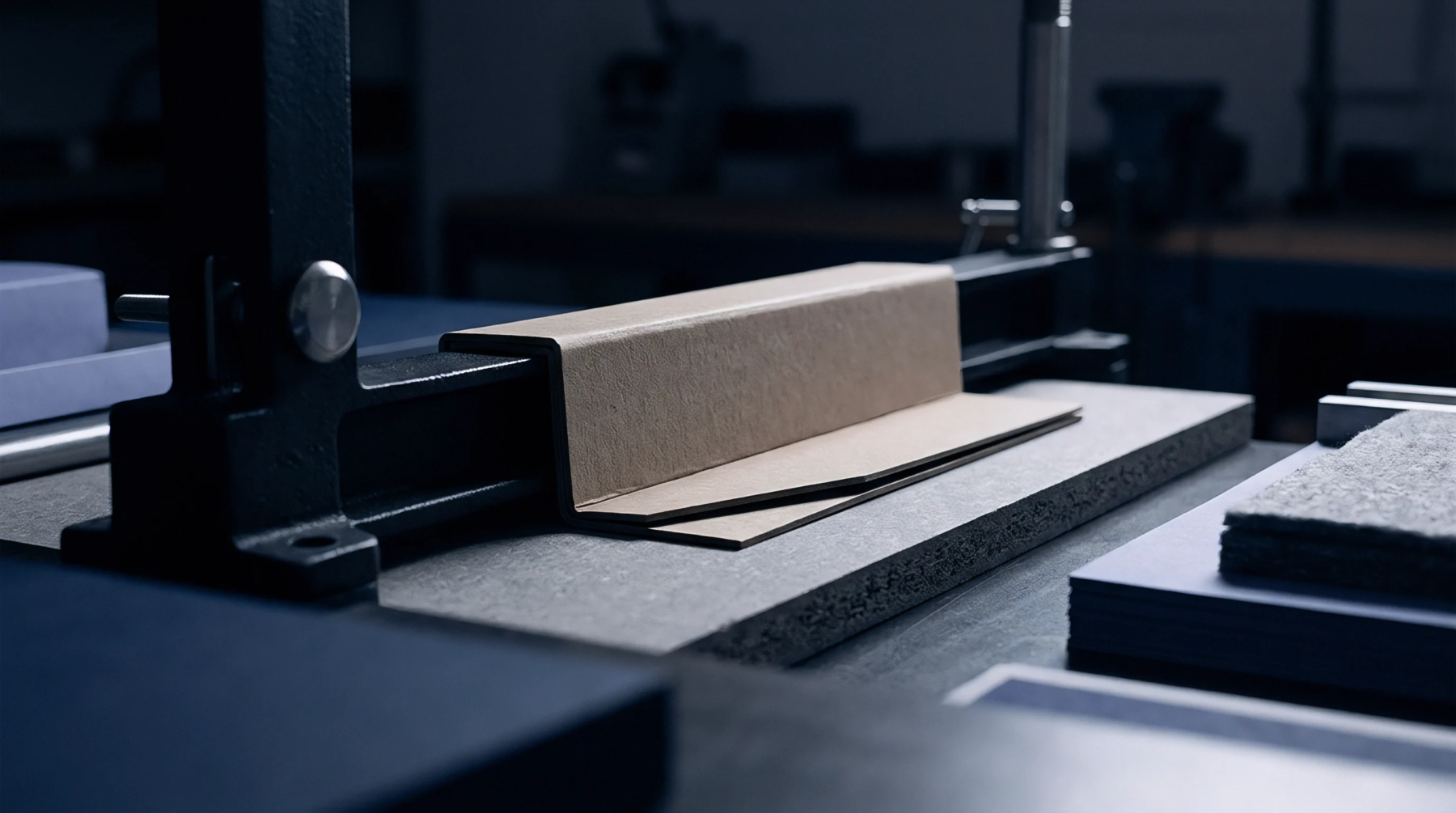
Inline acoustic wave sensing detects sub-surface paperboard delamination during scoring, stopping un-creased board defects before downstream cartoning line jams.
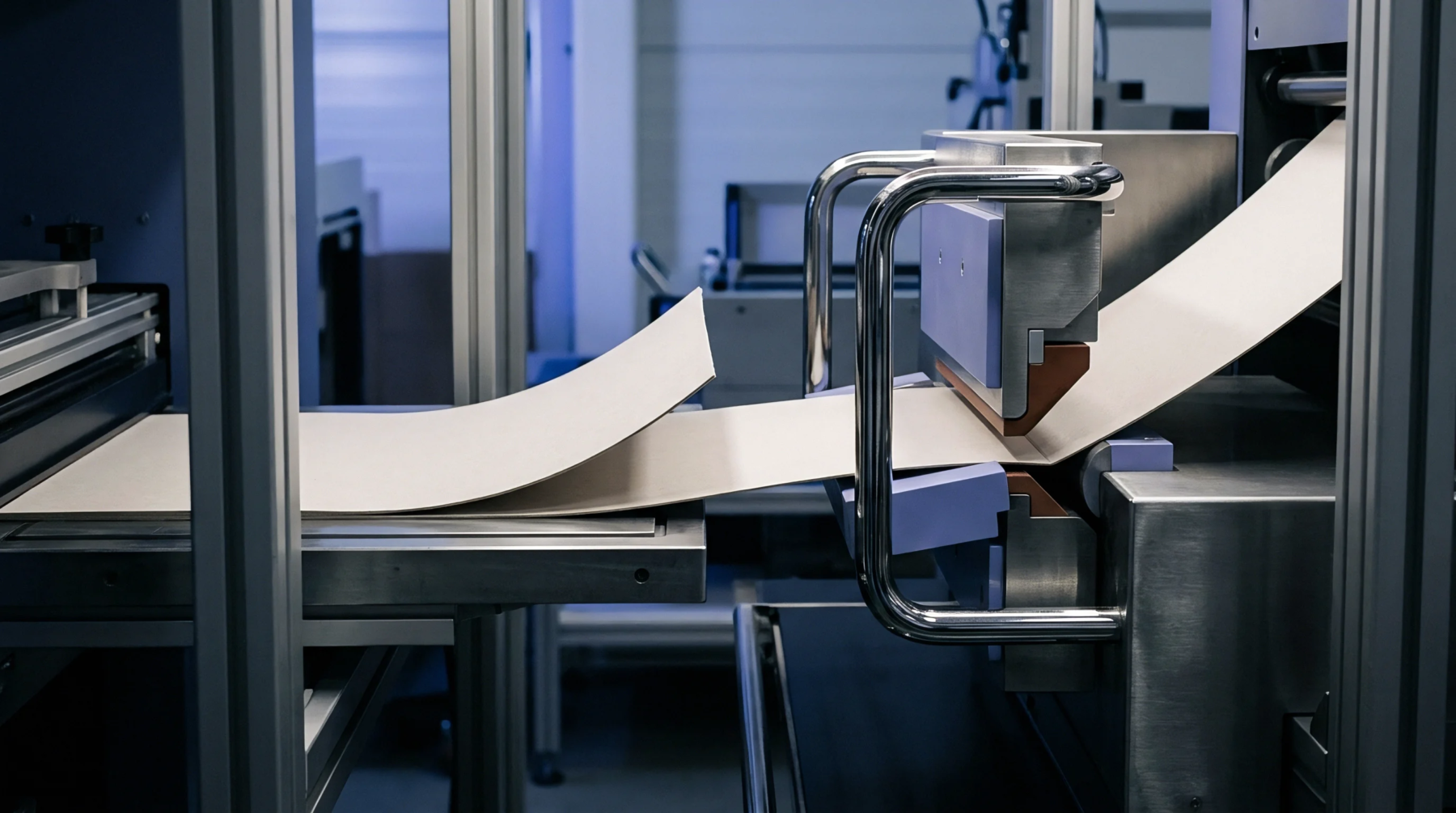
Inline decurling bar penetration forces mechanical yield in paper fibers while reverse dampening restores moisture loss to eliminate single-sided lamination curl.

Single-sided plastic lamination causes heavy converting scrap and triggers severe EU EPR eco-modulation tariffs when plastic film mass exceeds 5 percent.

Verifying true substrate caliper under standard foot pressure before cutting brass embossing tooling prevents fiber shearing, smashed matrixes, and costly die remakes.
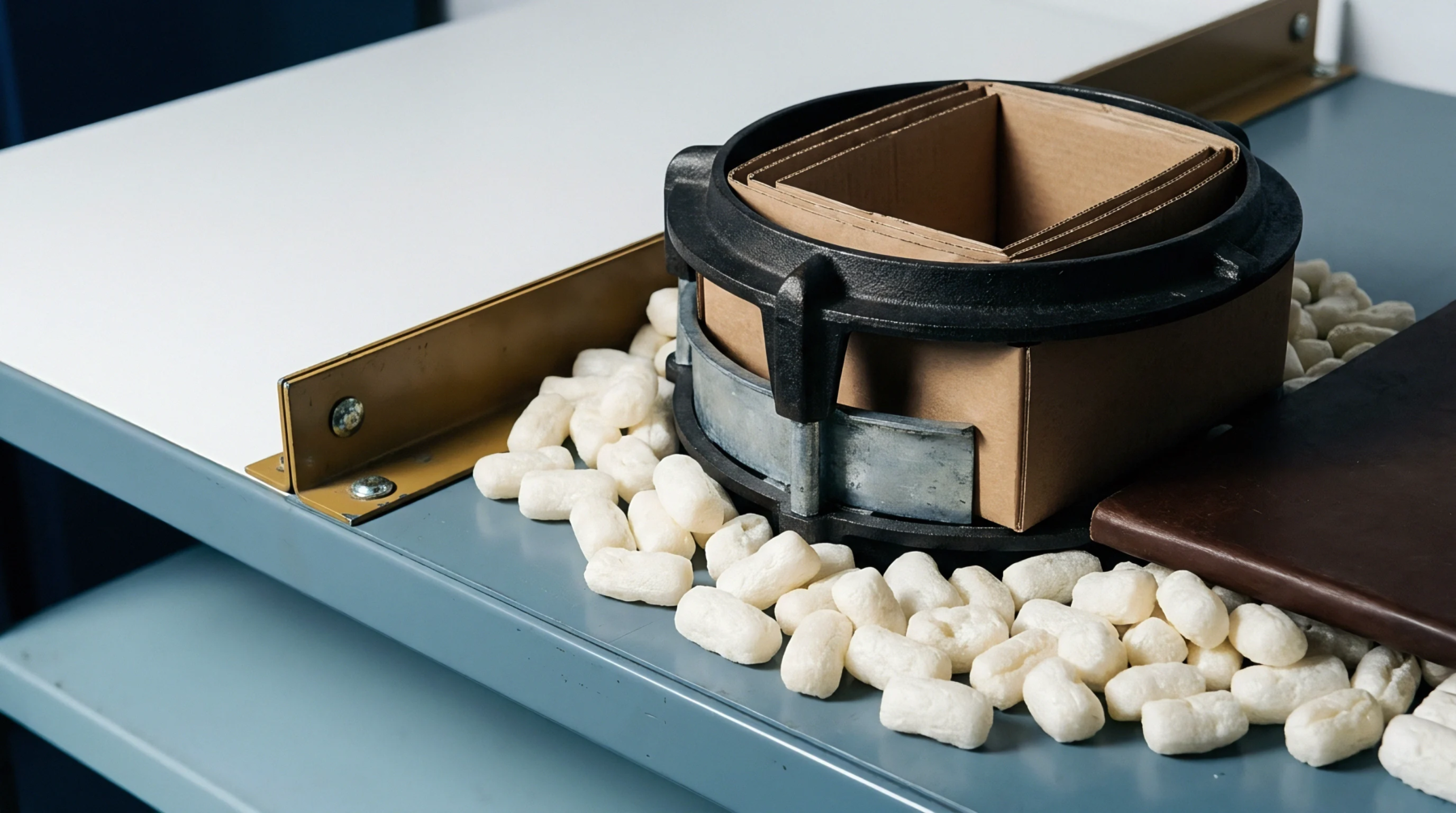
Predicting dynamic Z-direction fiber compression requires balancing dwell time, thermal diffusivity, and lignin glass transition to maximize permanent set.

Unannounced varnish substitutions break food contact compliance and print line stability, creating multi-thousand-dollar commercial liabilities across converters.

Sutherland rub sled pressure elevates specular gloss by shearing coating asperities into smooth optical planes, requiring hard crosslinked resins to limit delta gloss spikes.
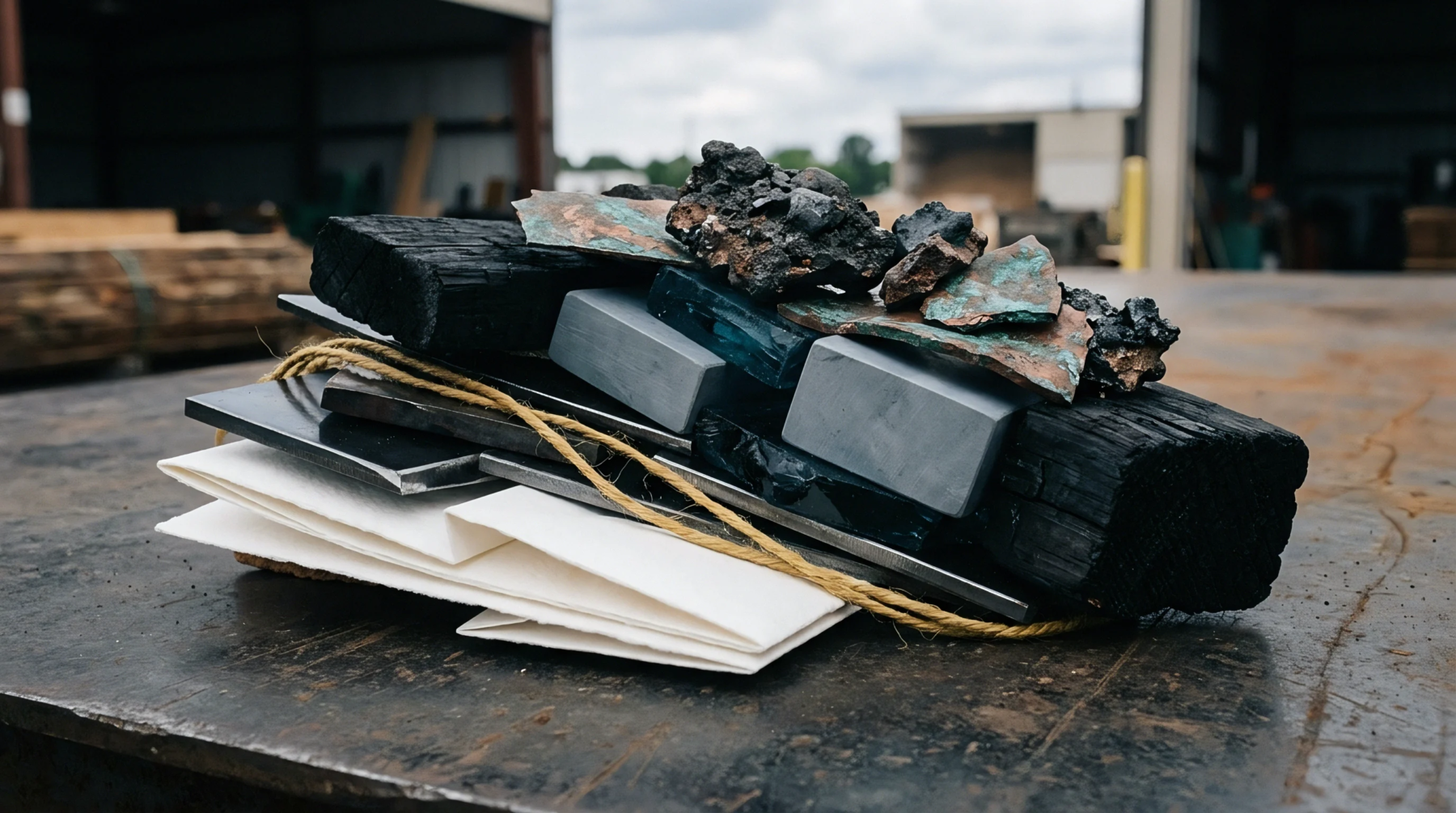
Chemical characterization of varnish raw material changes demands spectroscopic conversion tracking and chromatographic migration screening to prevent food contact failures.
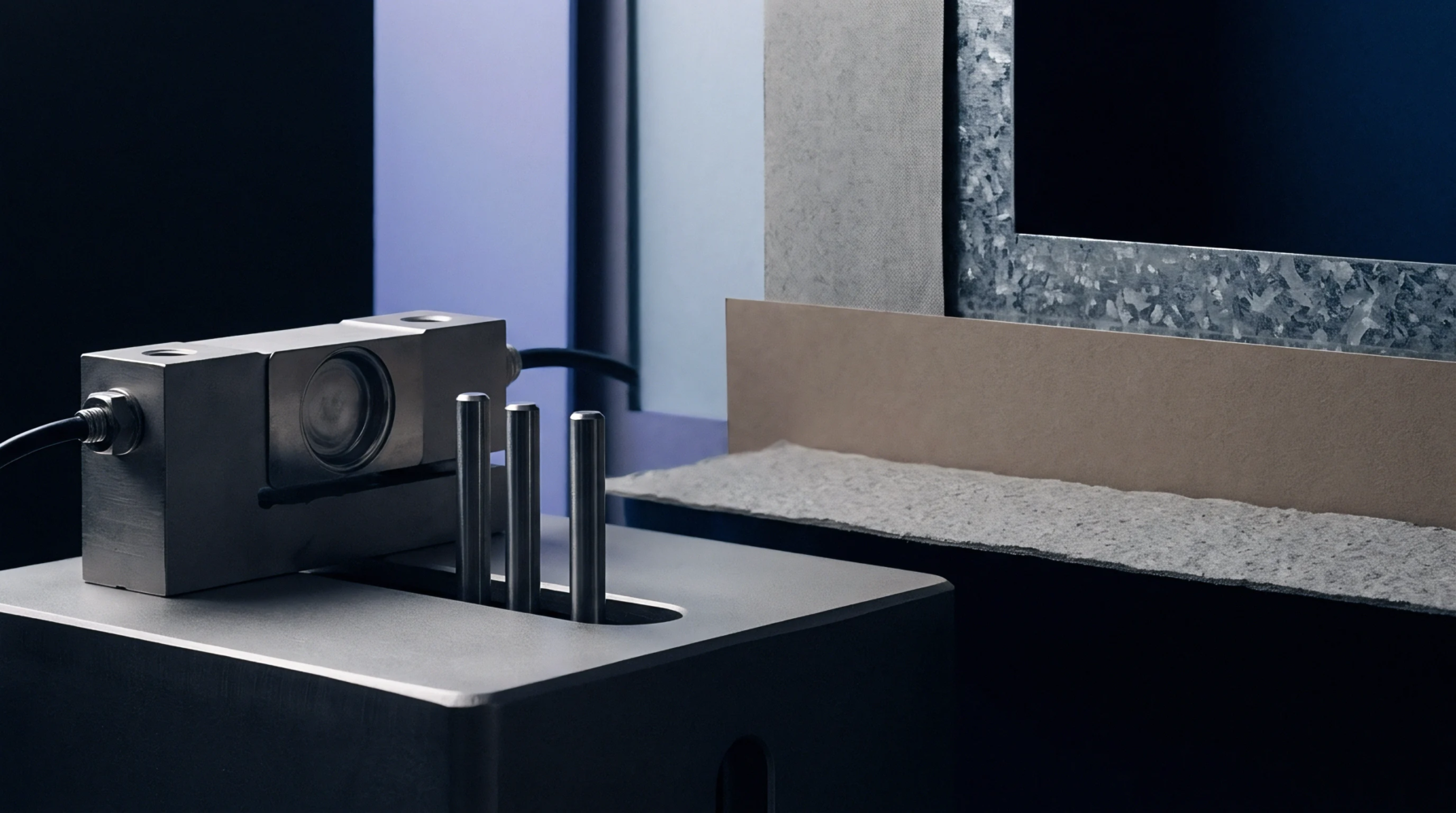
Surface burnishing under sled shear converts diffuse reflectance to specular gloss through silica displacement, controlled by matrix crosslinking and particle size.

Water-based dispersion coatings achieve food barrier requirements while maintaining full fiber repulpability and standard mill recovery yields.
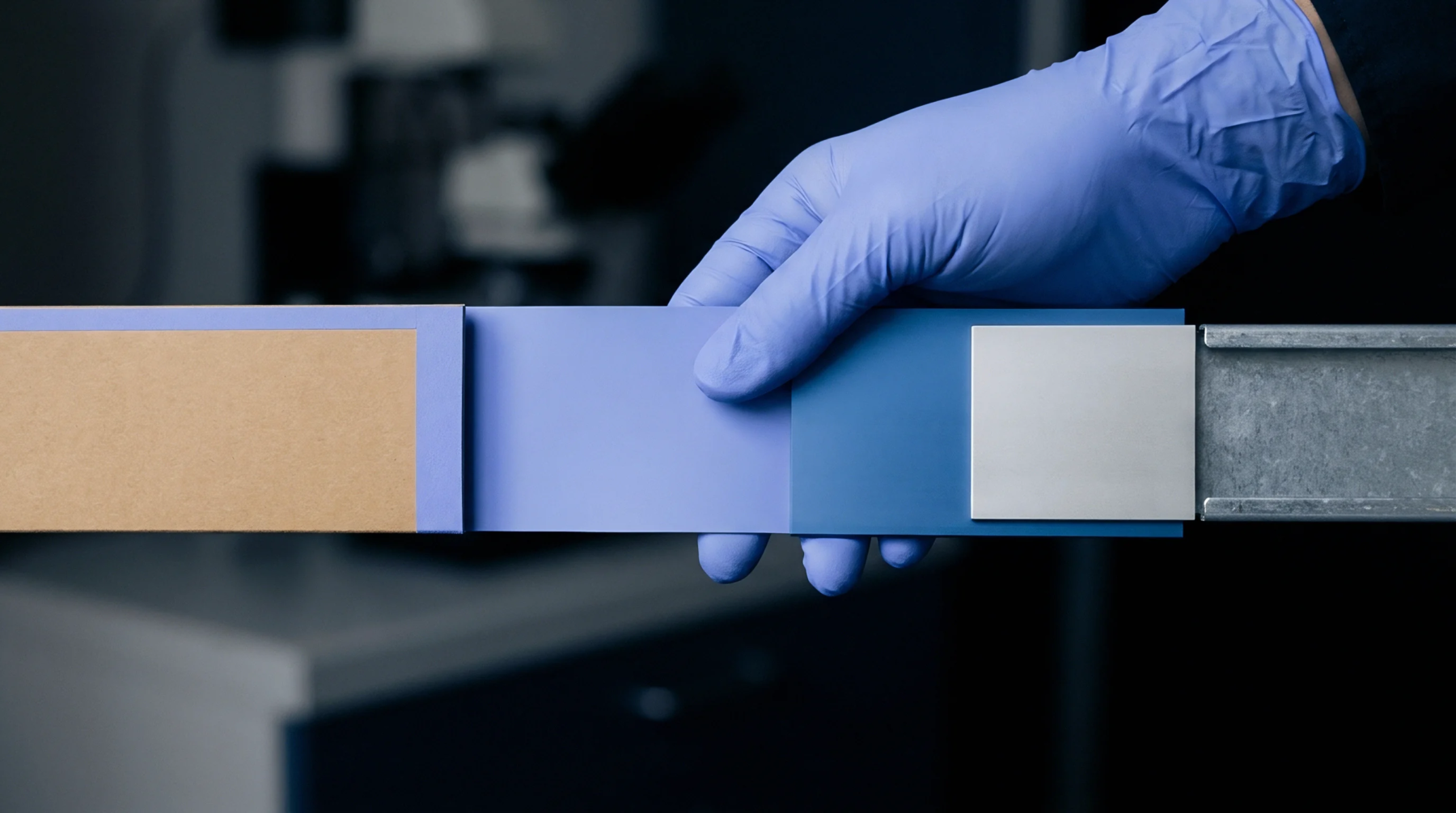
Calculate crease rule height by subtracting compressed board caliper from cutting rule baseline, sizing matrix width to rule thickness plus 1.5 to 1.8 times board thickness.

Substrate core thermal expansion limits dictate sheet dimensional stability, requiring precise thermal control to prevent misregister and bimetallic warp.
Expertise is a utility, not a secret. sentiention™ publishes its working knowledge as open reference: intelligence layer covering the materials it sources, the markets it enters, and the reference that serves both.