Surface Adhesion
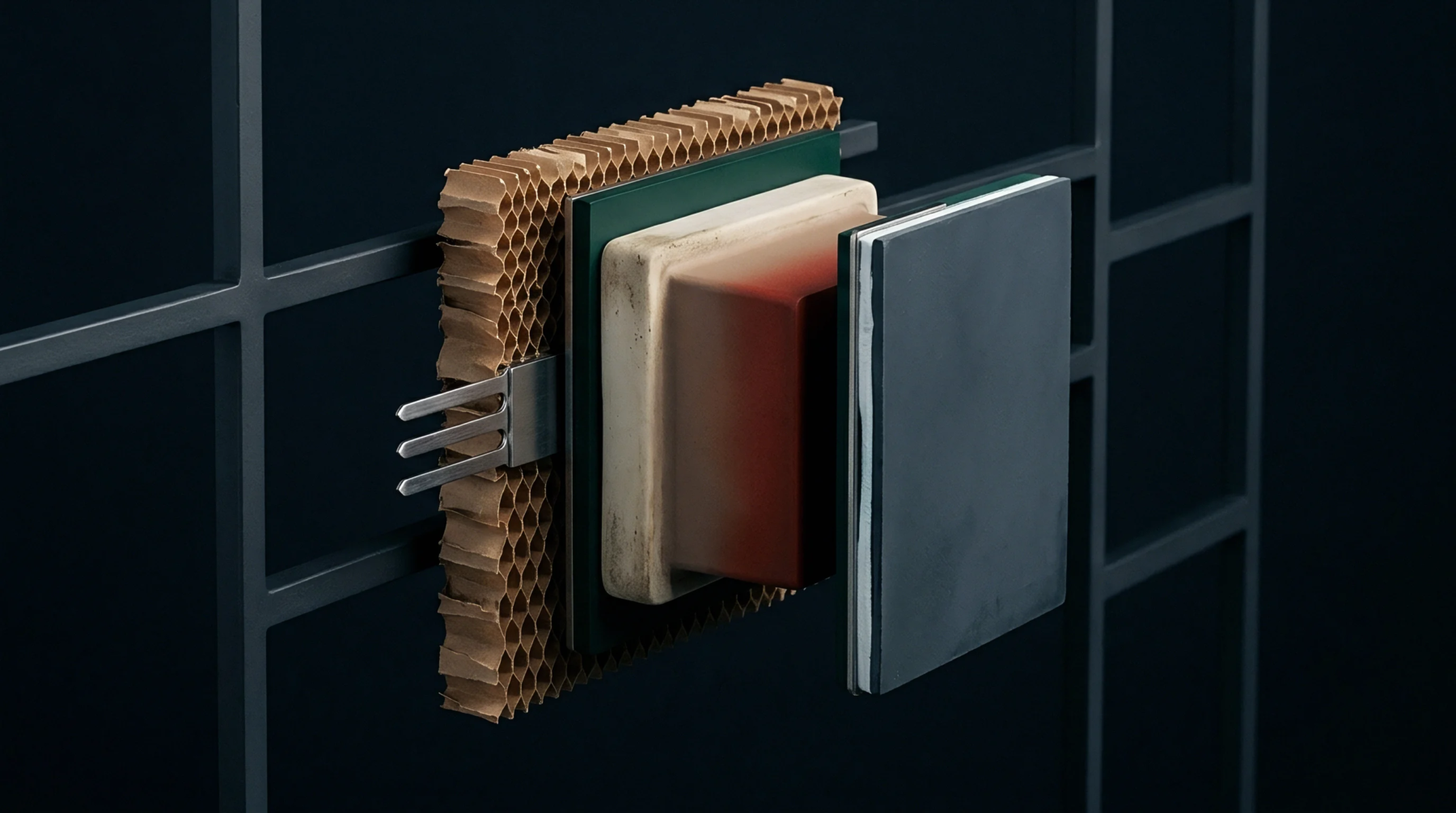
Applied pressure forces the molten polymer into the porous cellulose matrix of the folding carton stock, creating a mechanical anchor that prevents delamination during subsequent creasing and folding operations. Low nip temperatures leave the adhesive insufficiently fluid to penetrate the paper fibres properly, whereas excessive heat degrades the base substrate and causes thermal wrinkling across the coated sheet. Converting plants monitor nip roll pressure constantly to ensure uniform caliper reduction without crushing the underlying board structure.
Moisture barrier performance improves markedly after polymer coverage because the continuous plastic web seals the porous paper surface against ambient humidity variations.
Barrier Integrity
Pinholes or microscopic air bubbles trapped beneath the clear web compromise moisture resistance, allowing water vapour to migrate directly into the paperboard core during long term storage. Polypropylene films provide adequate stiffness for cosmetic cartons, while polyester webs offer superior dimensional stability for demanding pharmaceutical packaging requirements. Converters test bond strength by applying mechanical peel forces at a controlled angle until the paperboard surface tears rather than the adhesive layer releasing from the substrate.
Solvent resistance depends entirely on the polymer type chosen for the application, with biaxially oriented polypropylene withstanding grease exposure much better than standard cellulose acetate coatings.
Post Treatment
Subsequent finishing steps such as foil stamping and die cutting place severe mechanical stress on the laminated interface, demanding high internal bond strength from the cured adhesive. Corona discharge treatment applied to the plastic web prior to bonding increases surface energy levels, ensuring reliable ink adhesion if secondary printing processes occur on top of the polymer layer. Static electricity accumulation during high speed winding operations requires proper grounding bars along the delivery path to prevent dust attraction onto the freshly coated carton surfaces.
Die cutters must maintain sharp steel rules to shear through both the polymer skin and the paperboard cleanly without causing unsightly fringe or peeling edges along the cut profile.