Viscoelastic Constitutive Modeling for High Speed Converting Operations on Board
Dynamic rate-dependent stiffening in high-speed board converting alters crease delamination, demanding non-linear viscoelastic models to stop liner cracking.
Dynamic rate-dependent stiffening in high-speed board converting alters crease delamination, demanding non-linear viscoelastic models to stop liner cracking.
Dynamic strain hardening increases board Z-direction compressive resistance by over fifty percent, causing embossed reliefs to shallow out at production press speeds.
Compensating male punch penetration depth by thirty percent balances viscoelastic fiber recovery across recycled cartonboard platen tooling passes.
Calculate Z-direction cavity tooling depth by multiplying uncompressed caliper by the plastic strain coefficient and adding targeted visual relief height.
Apparent bulk equals caliper divided by grammage, defining the physical thickness and carton yield delivered per purchased metric tonne of paperboard.
Non-destructive acoustic testing tracks dynamic flexural rigidity loss in rehydrated fibers by calculating specific elastic stiffness from sound velocity squared.
Dual-axis decurling restores sheet flatness by plastic strain but degrades recycled board bending resistance by 12 to 23 percent via core ply micro-delamination.
Recycled paperboard loses flexural stiffness through fiber hornification and caliper collapse, demanding strict cubic-thickness specification over basis weight.
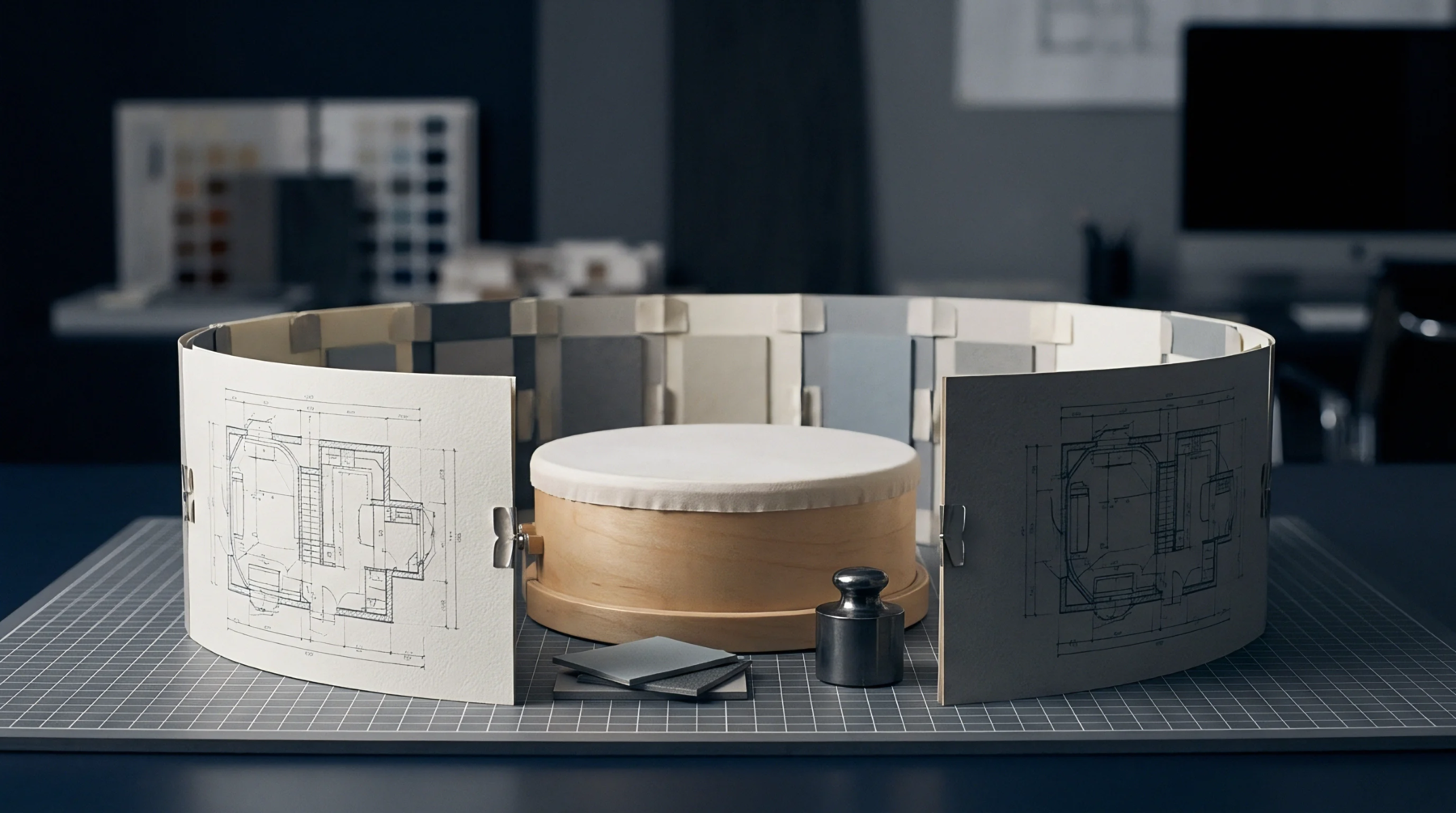
Transverse moisture gradients across laminated heavyweight boxboard drive CD curl and score cracking; strict 72-hour pallet acclimatization prevents converting scrap.
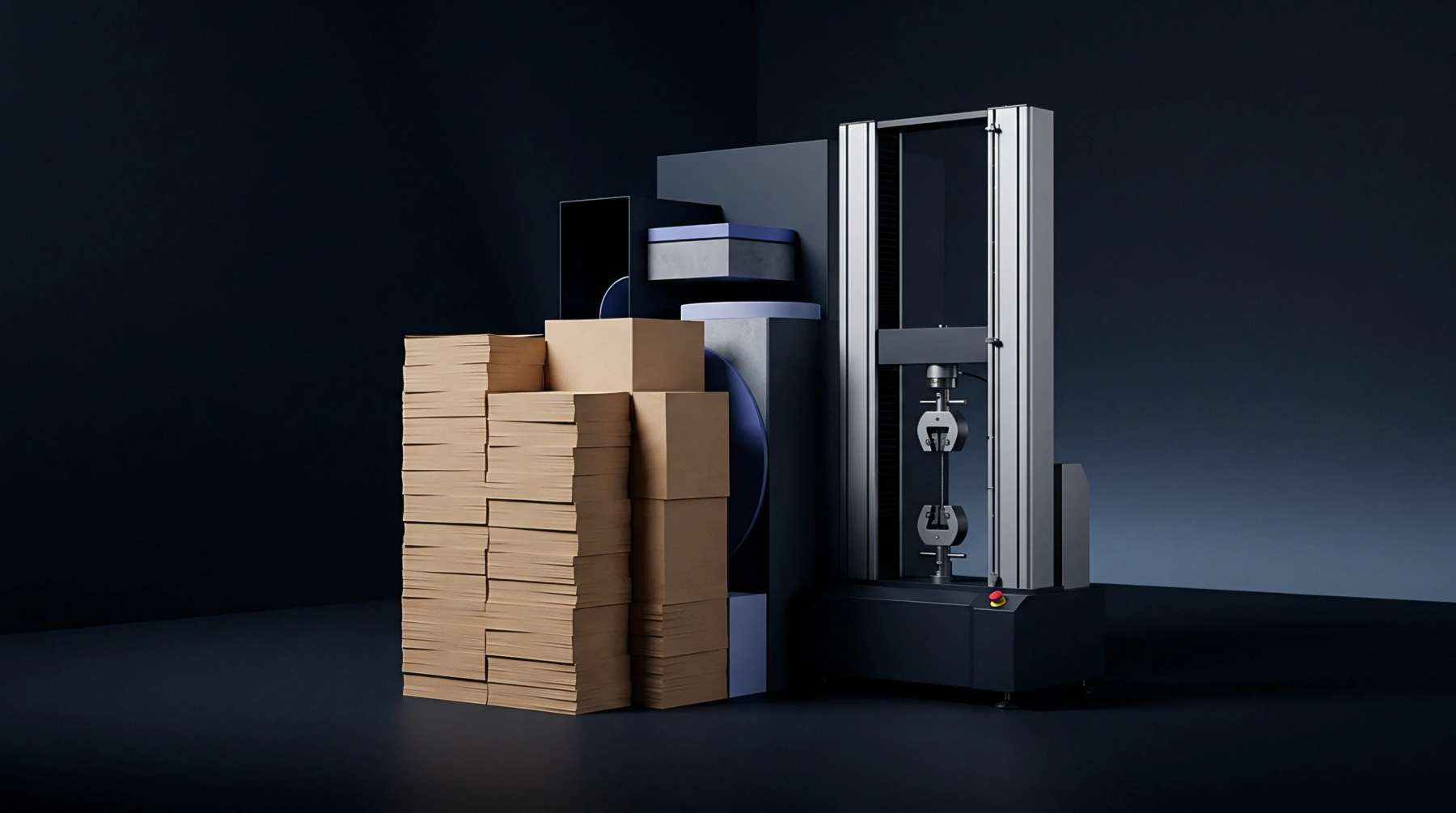
Analytical differential stress modelling balances thermal film shrinkage against board hygroexpansion to prevent post-converting carton curl inversion.
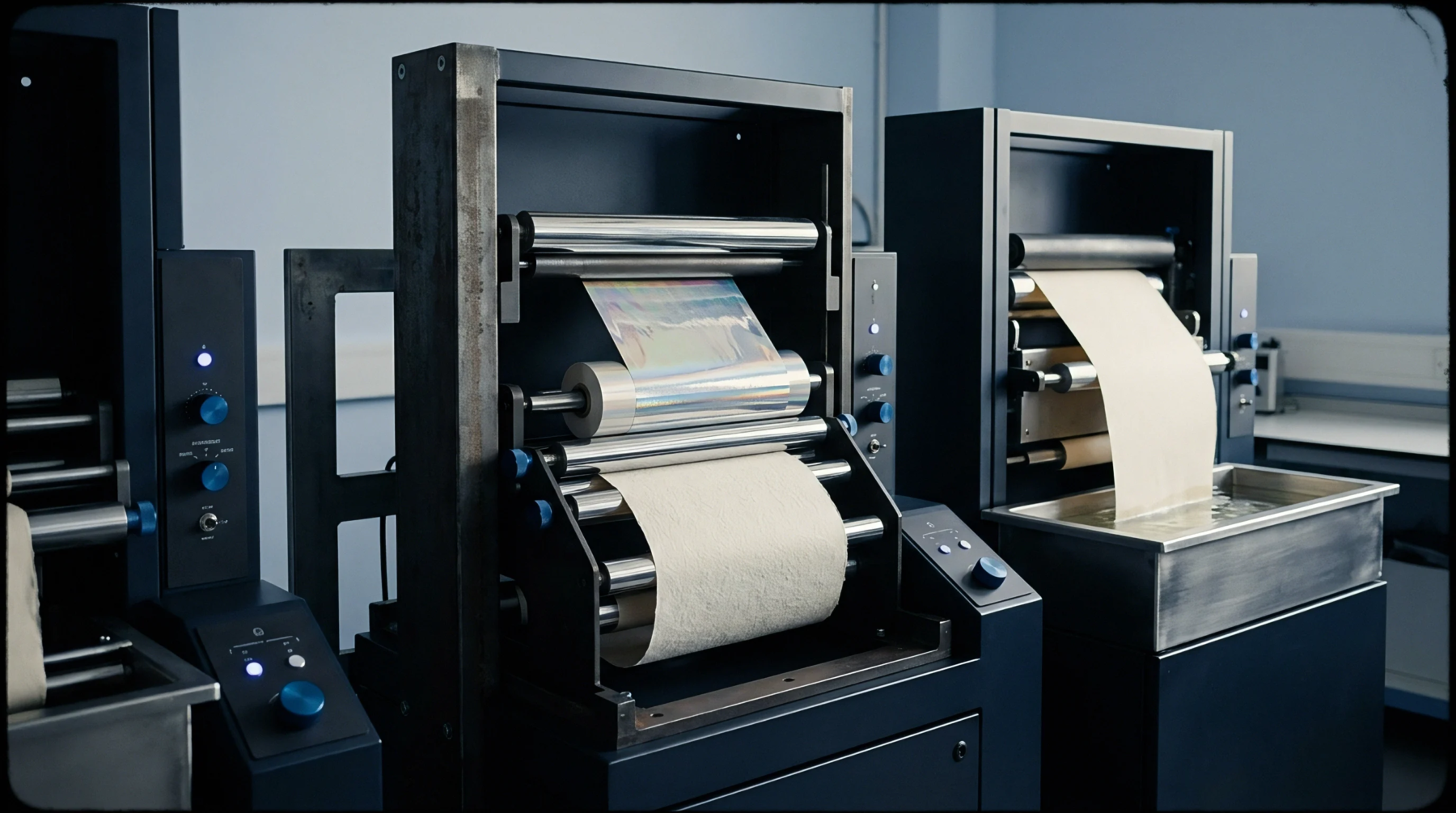
Balancing moisture loss with back-side rewetting and web decurling holds single-sided laminated boards flat across die-cutting and high-speed packing.
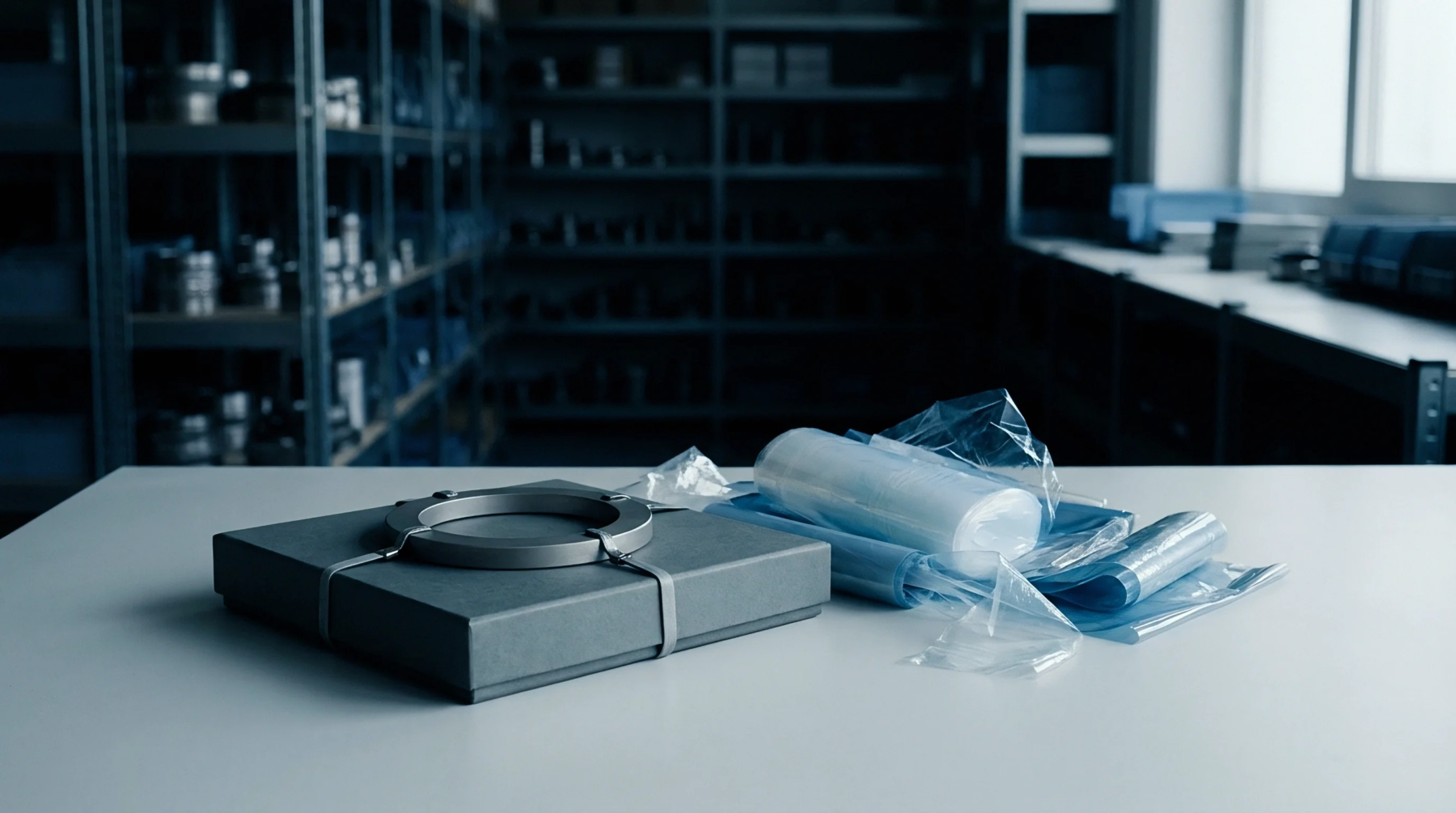
Inline ultrasonic attenuation across score lines provides real-time prediction of box compression strength retention without destructive testing.
A0 flexural guided waves provide the optimal acoustic mode for paperboard crease assessment, delivering 18 to 26 dB attenuation upon internal ply delamination.
Air-coupled ultrasound inspects carton crease integrity by measuring Lamb wave velocity and attenuation drops across die-scored fiber delamination zones.
Sub-zero shear failure in bio-coated recycled board is prevented by expanding female creasing matrix channels to drive shear strain into internal plies.
Multilayer cartonboard requires grade-specific counter die channel width calculations combining rule thickness, moisture-adjusted caliper, and fiber-yield multipliers.
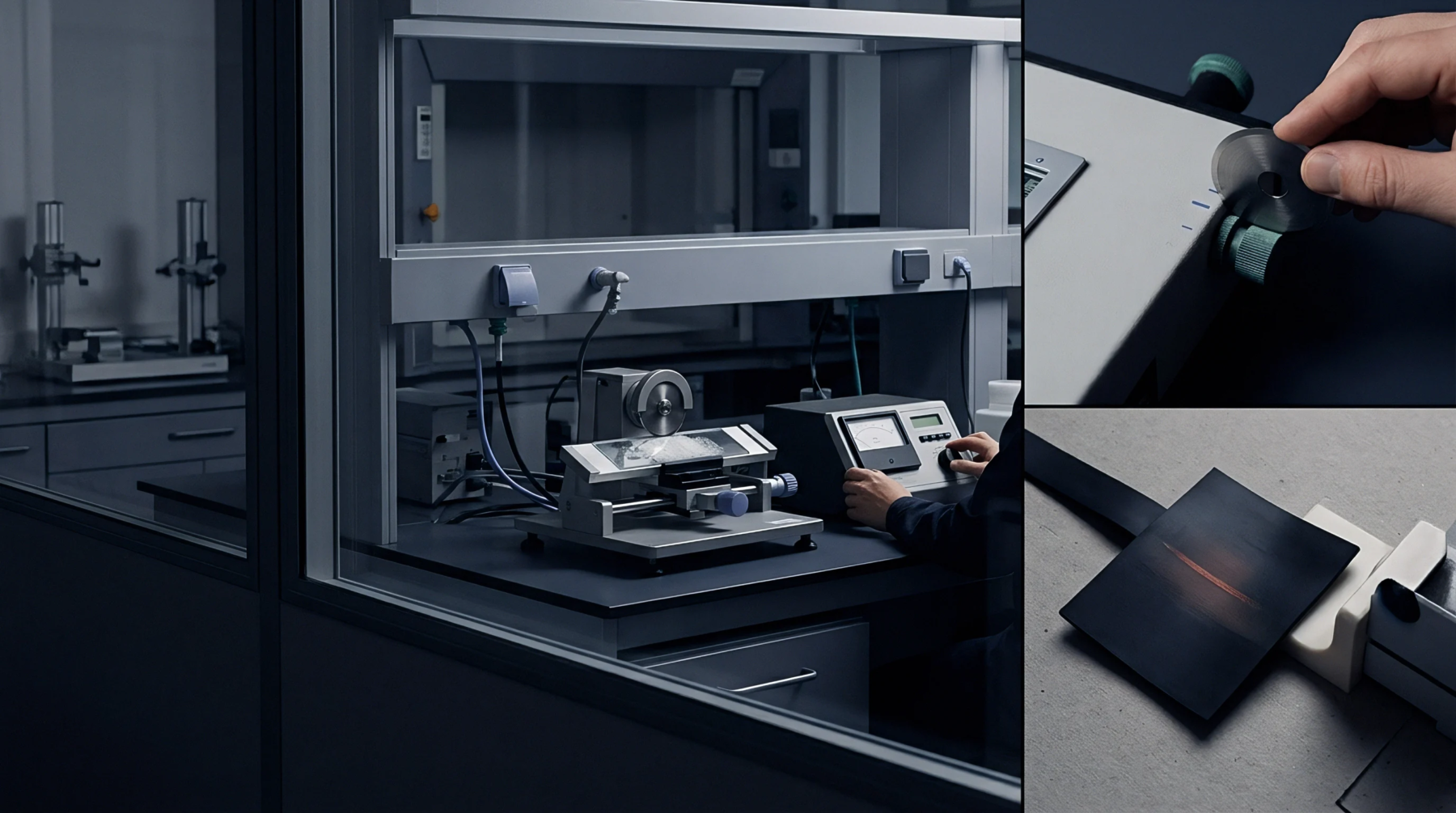
Verify paperboard crease stiffness by conditioning to ISO 187, clamping within 0.5 mm of the score, and targeting a board-to-crease ratio between 2.5 and 3.5.
Dynamic mechanical dissipation prevents bio-dispersion score cracking when loss factor tan delta exceeds zero point three five at converter folding rates.
High-speed scoring forces polymer barrier films past strain limits, demanding wide scoring rules and matrix channels to prevent micro-cracking and barrier loss.
Predictive mechanical creasing models calculate rule penetration and matrix pairing to induce controlled delamination while preventing surface liner fracture.
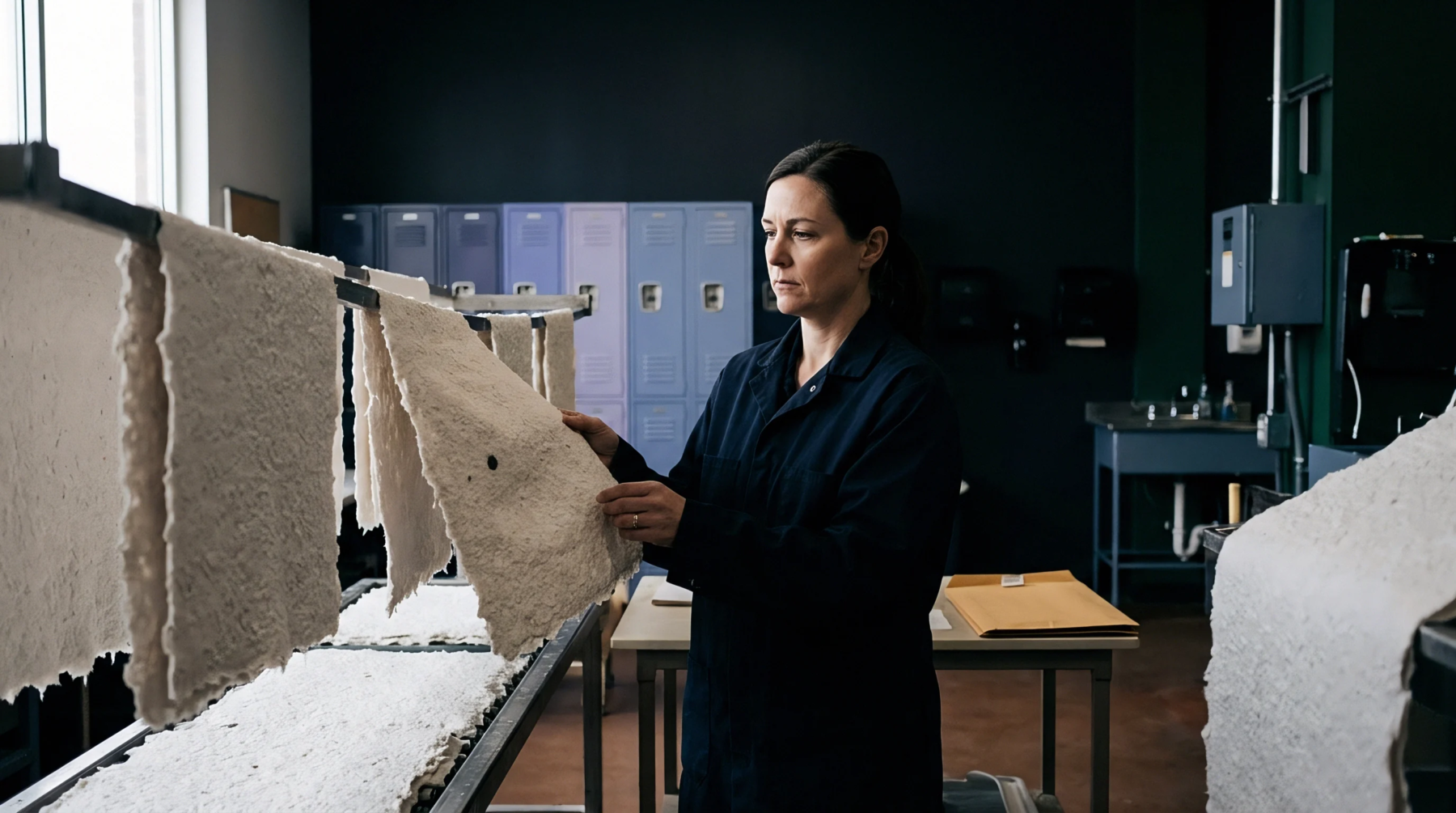
Evaluate micro-pinholes using surfactant dye penetration or 12V conductivity tests while adjusting score matrix width to 1.8 times board caliper plus rule thickness.
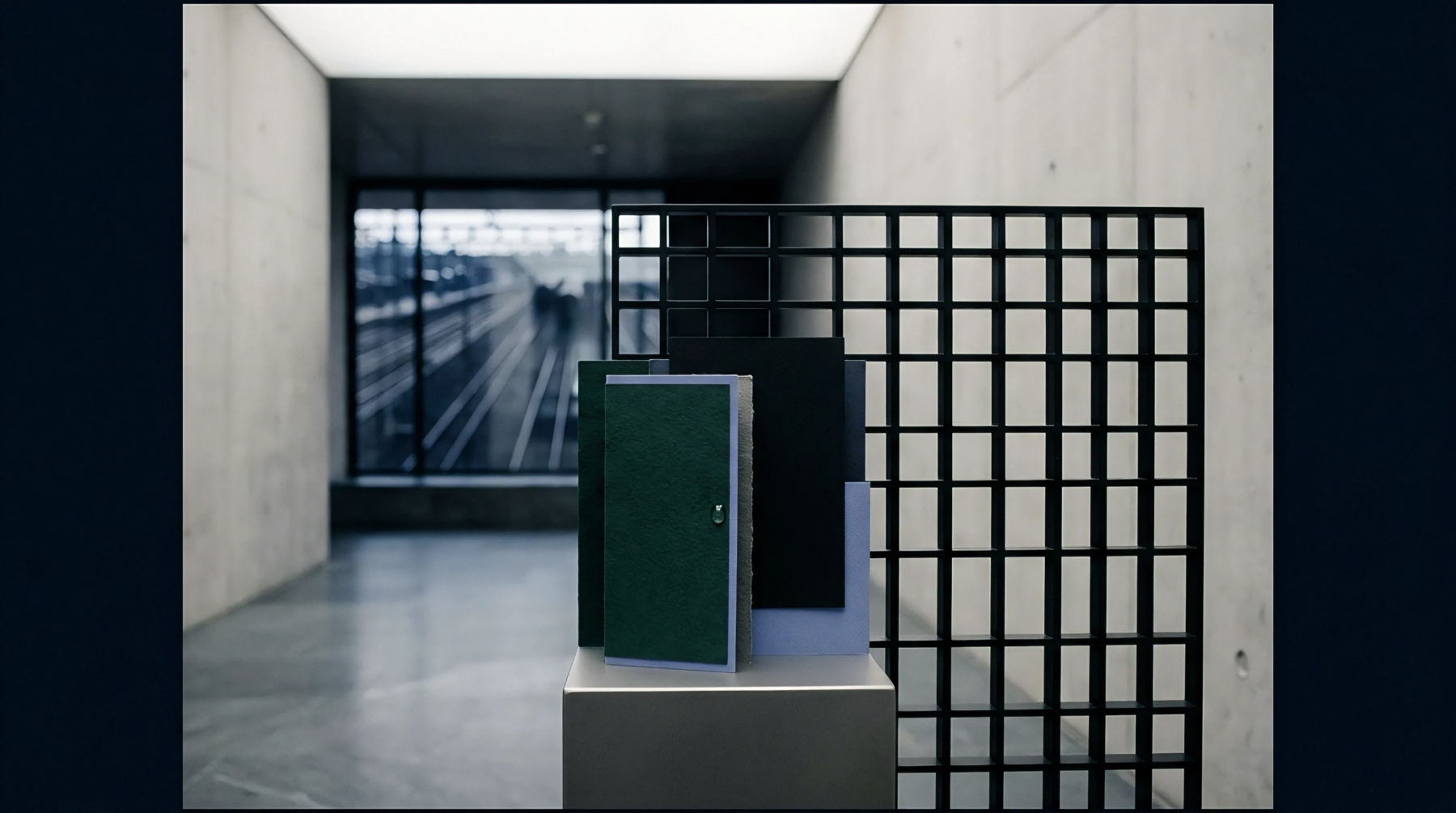
Sizing counter matrix channel width to 1.6 times board caliper plus rule thickness prevents clay coating cracking on recycled boxboard by enabling internal delamination.
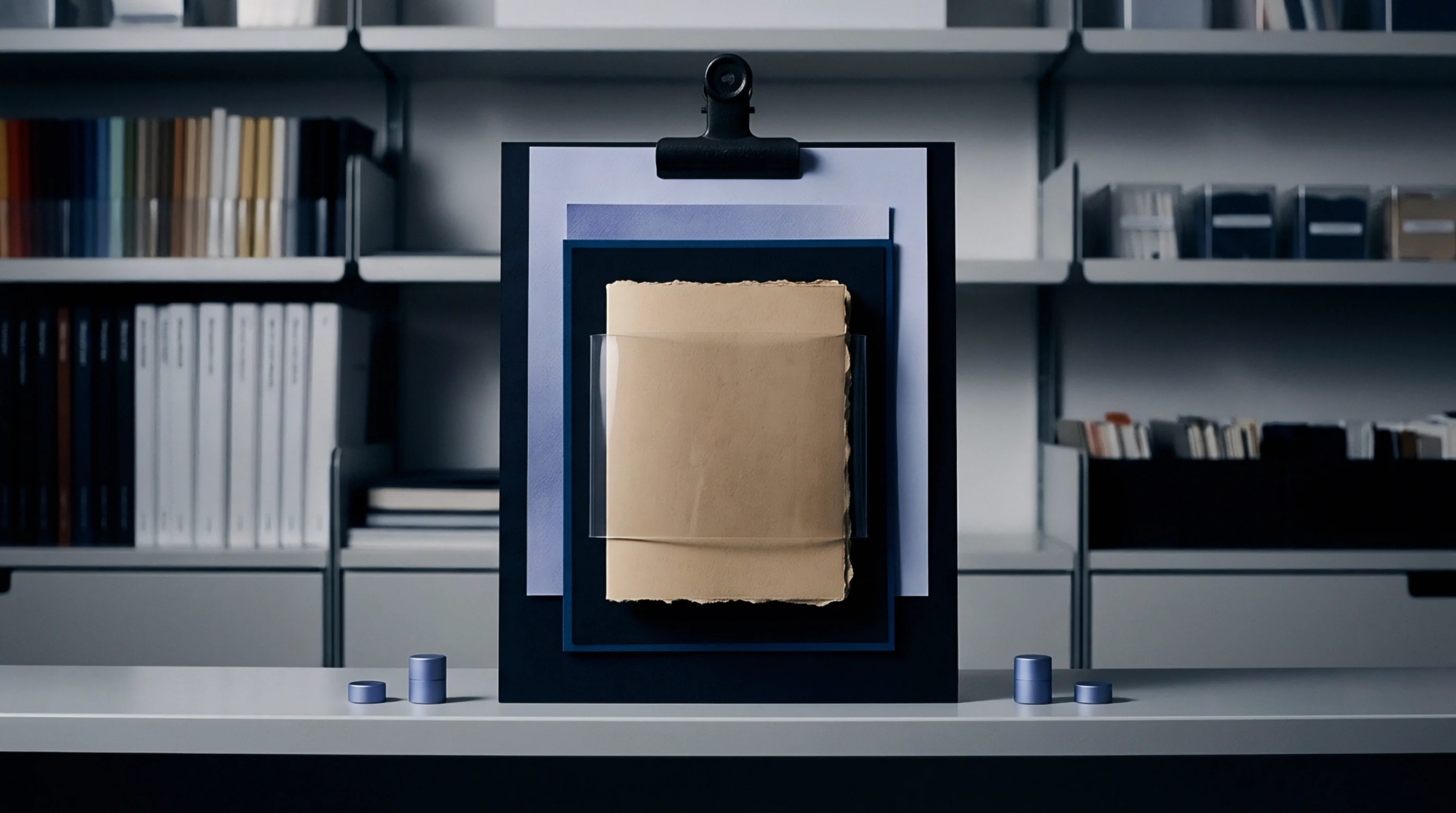
Optimize SBS counter matrix width by setting channel clearance to rule thickness plus 1.40 to 1.50 times caliper to induce delamination without surface rupture.
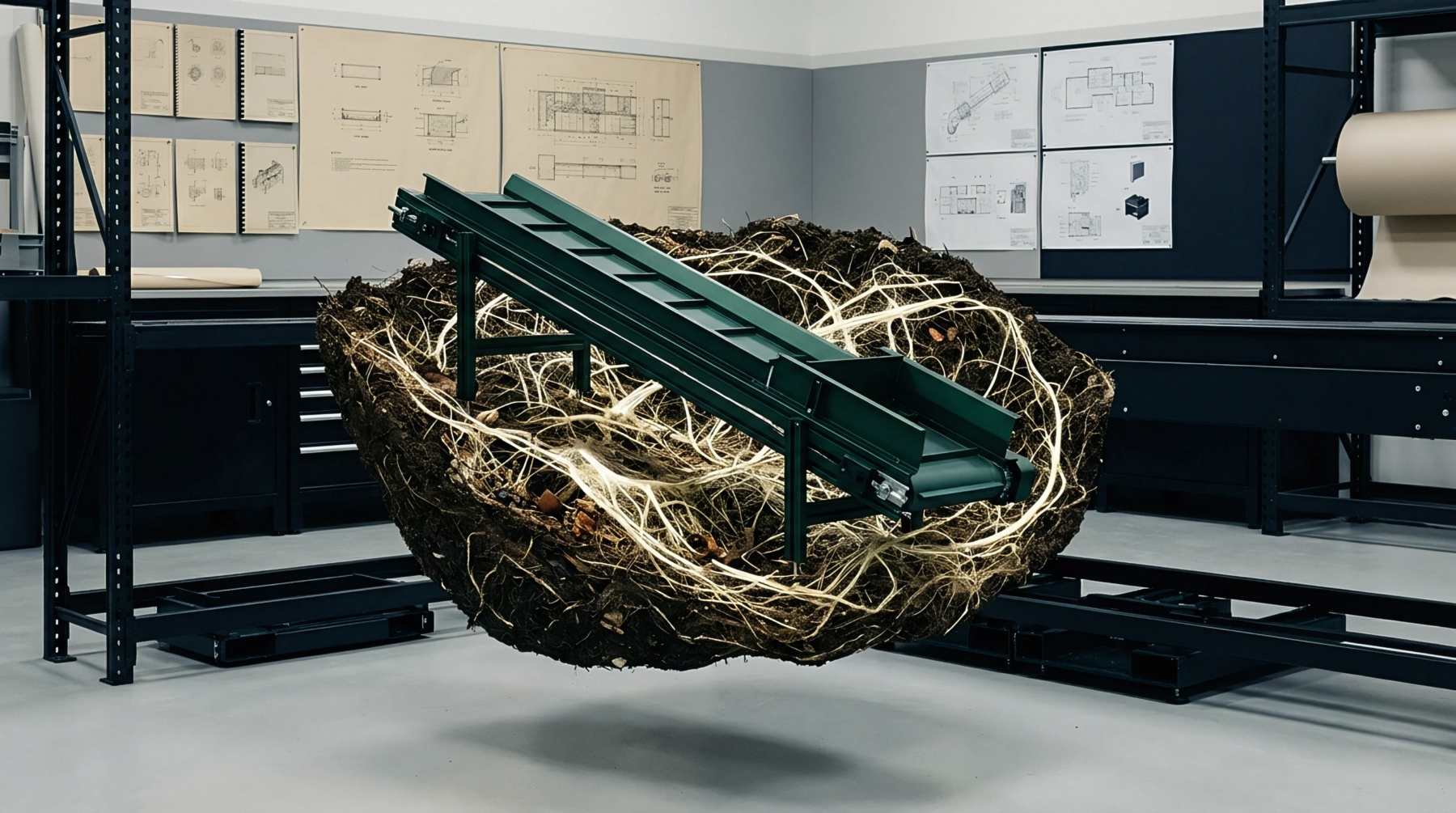
Microscopic pinholes form through entrained air bubbles and capillary dewetting during rapid drying, requiring dual-station metering to ensure barrier integrity.
Select ceramic-tipped bent blades for rough paperboard or tri-helical anilox cylinders for smooth webs to apply pinhole-free barrier films without fiber damage.
Predicting long-term foil delamination on recycled films requires measuring surface additive migration and fracture energy after 14-day thermal conditioning.
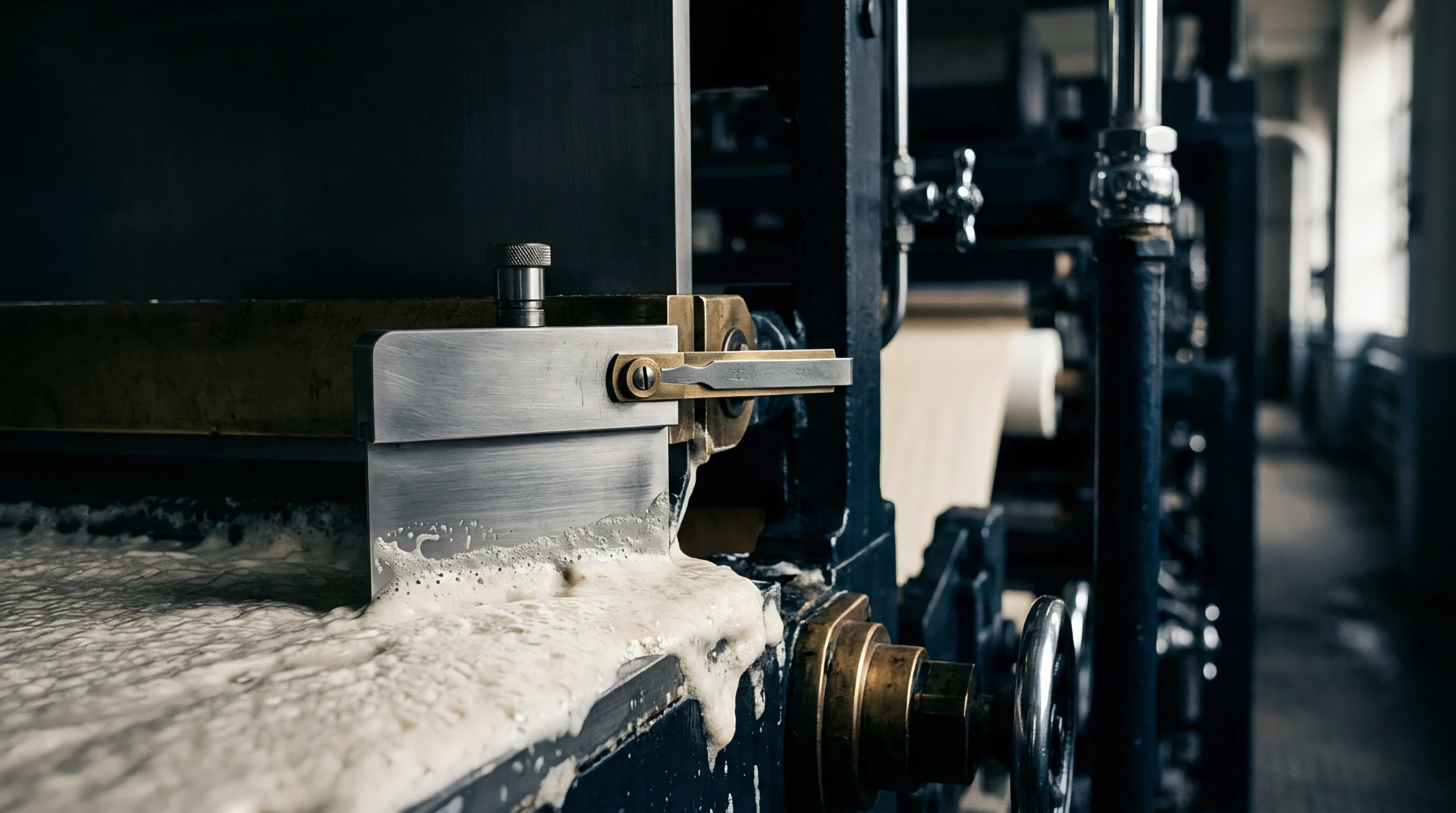
Heated soft-nip calendering closes sheet surface pores to control aqueous barrier holdout while preserving the bulk required for carton creasing.
Maintain laminate surface energy above 42 dynes/cm to hold flatbed stamping dwell between 35 and 65 ms at 115°C, preventing board distortion and adhesive bleed.
Accurate dyne testing on polyolefin films requires certified ASTM D2578 solutions and strict two-second timing to prevent adhesive delamination.
Laboratory Sutherland rub tests fail to predict intermodal scuffing; buyers must validate random vibration endurance and contact friction to prevent transit wear.
Expertise is a utility, not a secret. sentiention™ publishes its working knowledge as open reference: intelligence layer covering the materials it sources, the markets it enters, and the reference that serves both.