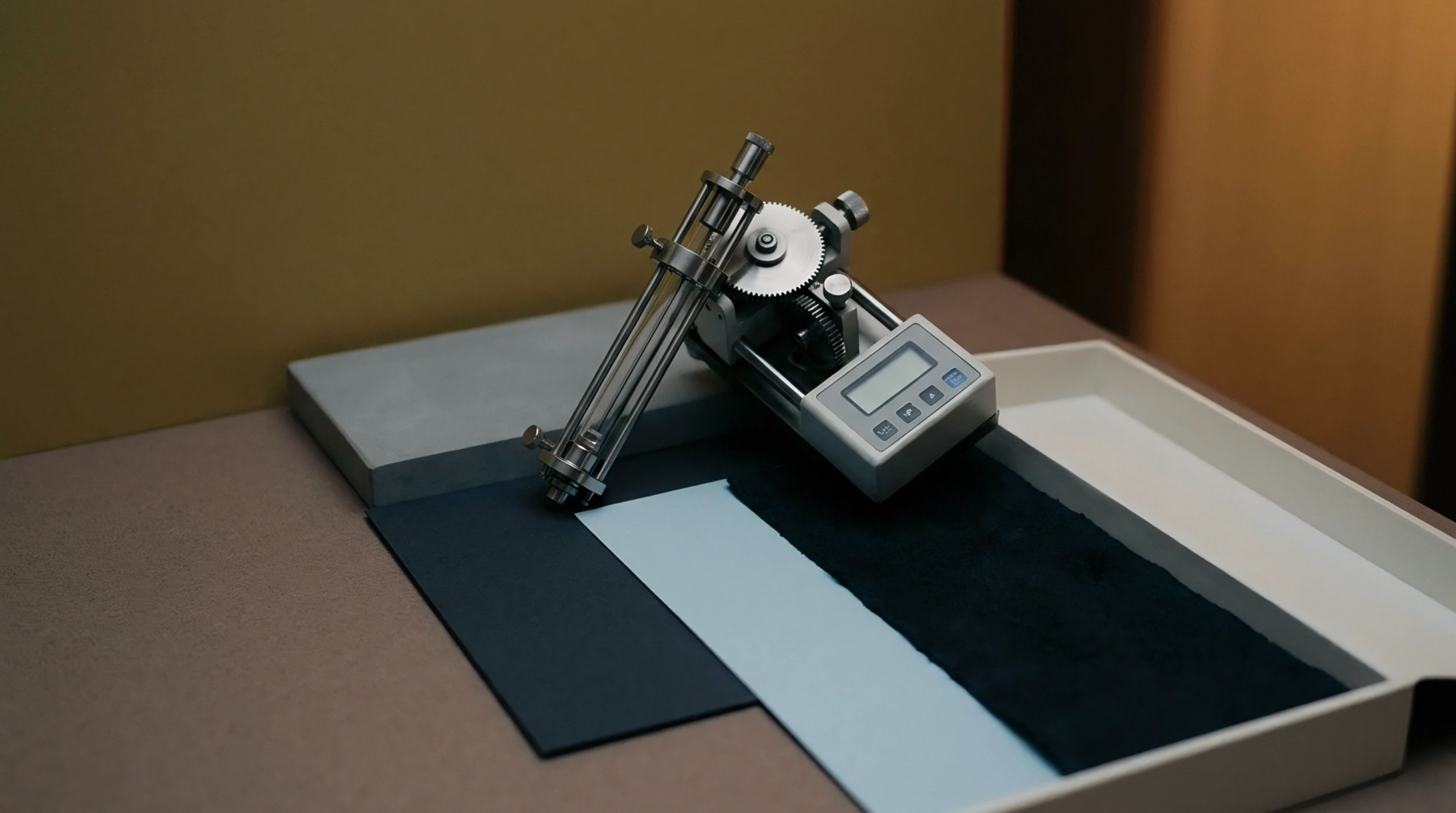
Adhesion Energy Optimization for Thermal Polyurethane Film on Folding Cartons
Optimizing thermal polyurethane lamination on cartonboard relies on matching nip heat to surface energy, balancing polar contact against fold stiffness.
Optimizing thermal polyurethane lamination on cartonboard relies on matching nip heat to surface energy, balancing polar contact against fold stiffness.
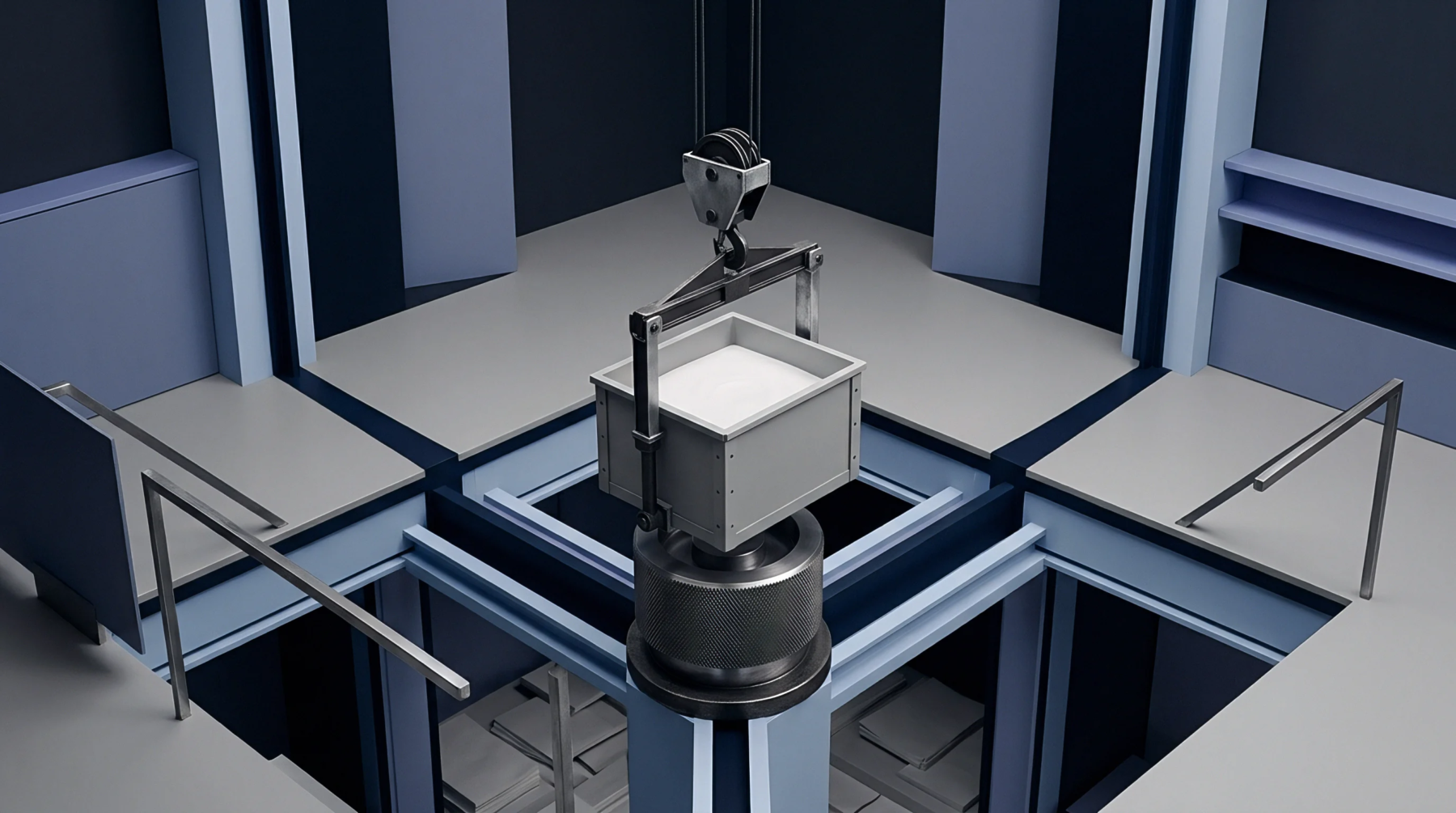
Polyurethane soft touch film bonds an aliphatic PUD topcoat to BOPP via thermal tie layers, balancing micro-roughness haptics against stamping adhesion.
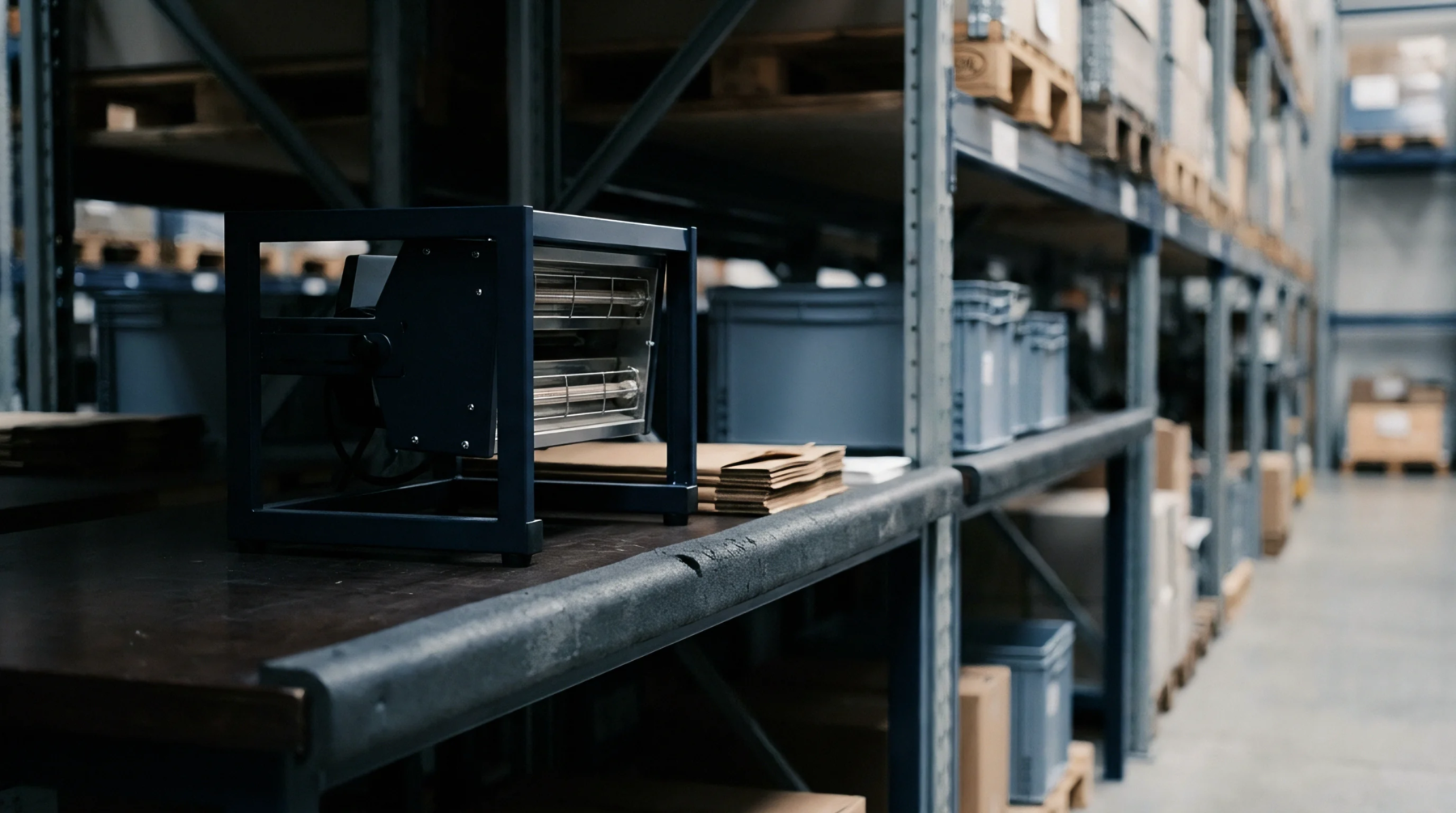
Closed loop infrared profiling corrects paper tensile stiffness angles during drying to eliminate board twist, score splitting, and lamination curl.
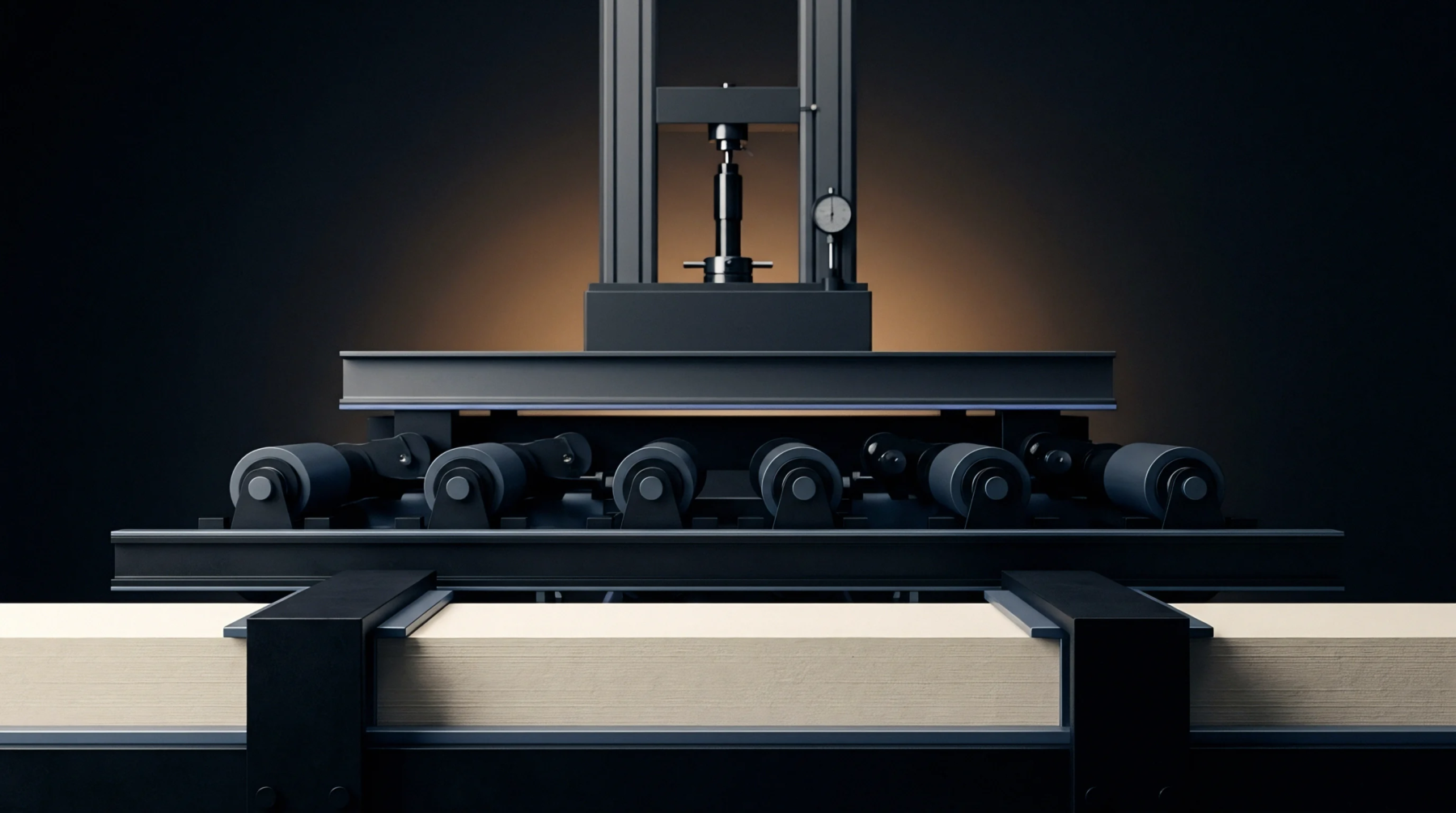
Transverse thermal gradient control in multi ply board lamination stabilizes cross direction web curl and prevents score line cracking across converting runs.
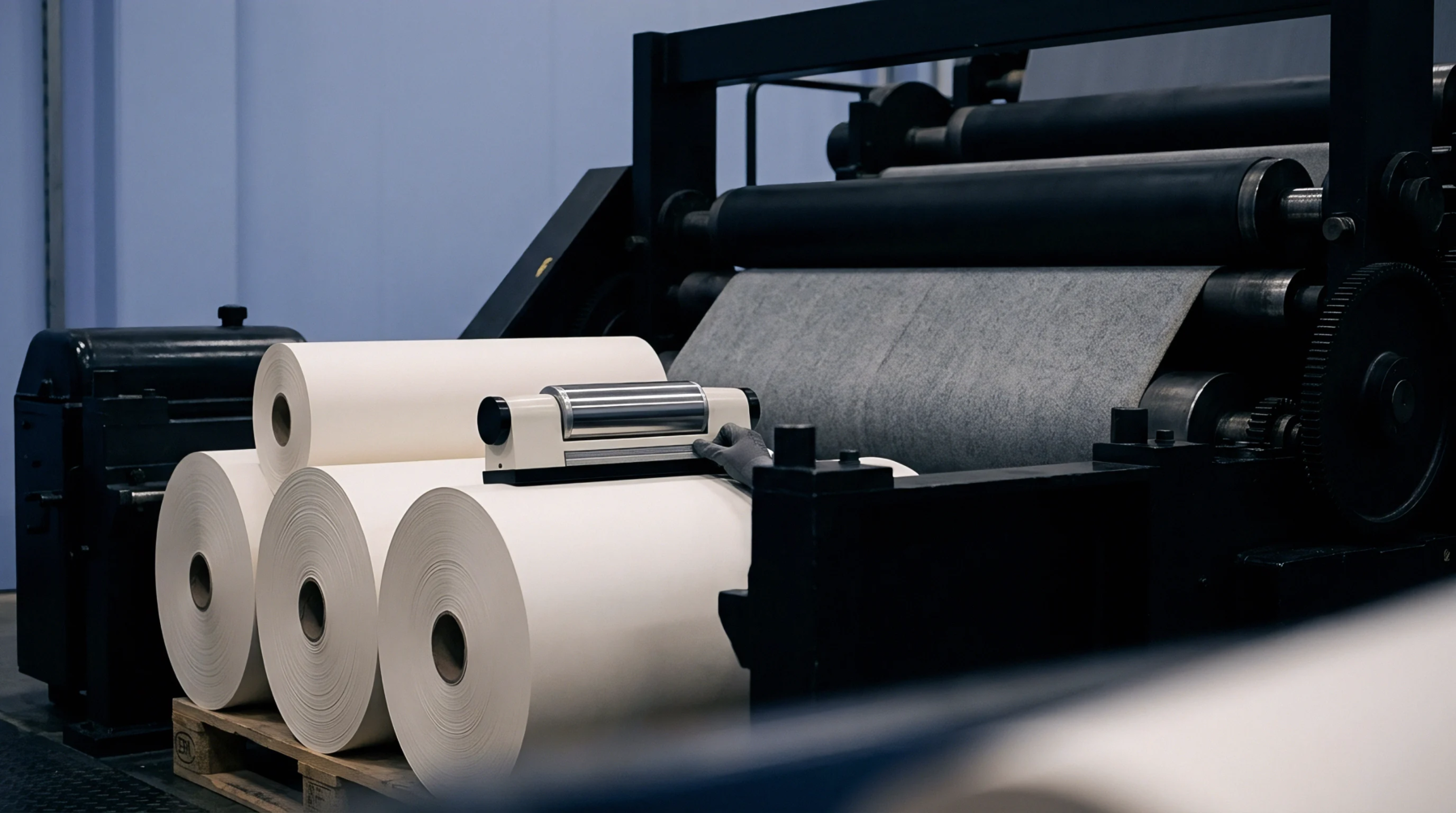
Controlling the jet-to-wire speed ratio limits fiber orientation anisotropy, preventing catastrophic cross-direction curl, register drift, and twist deformation.
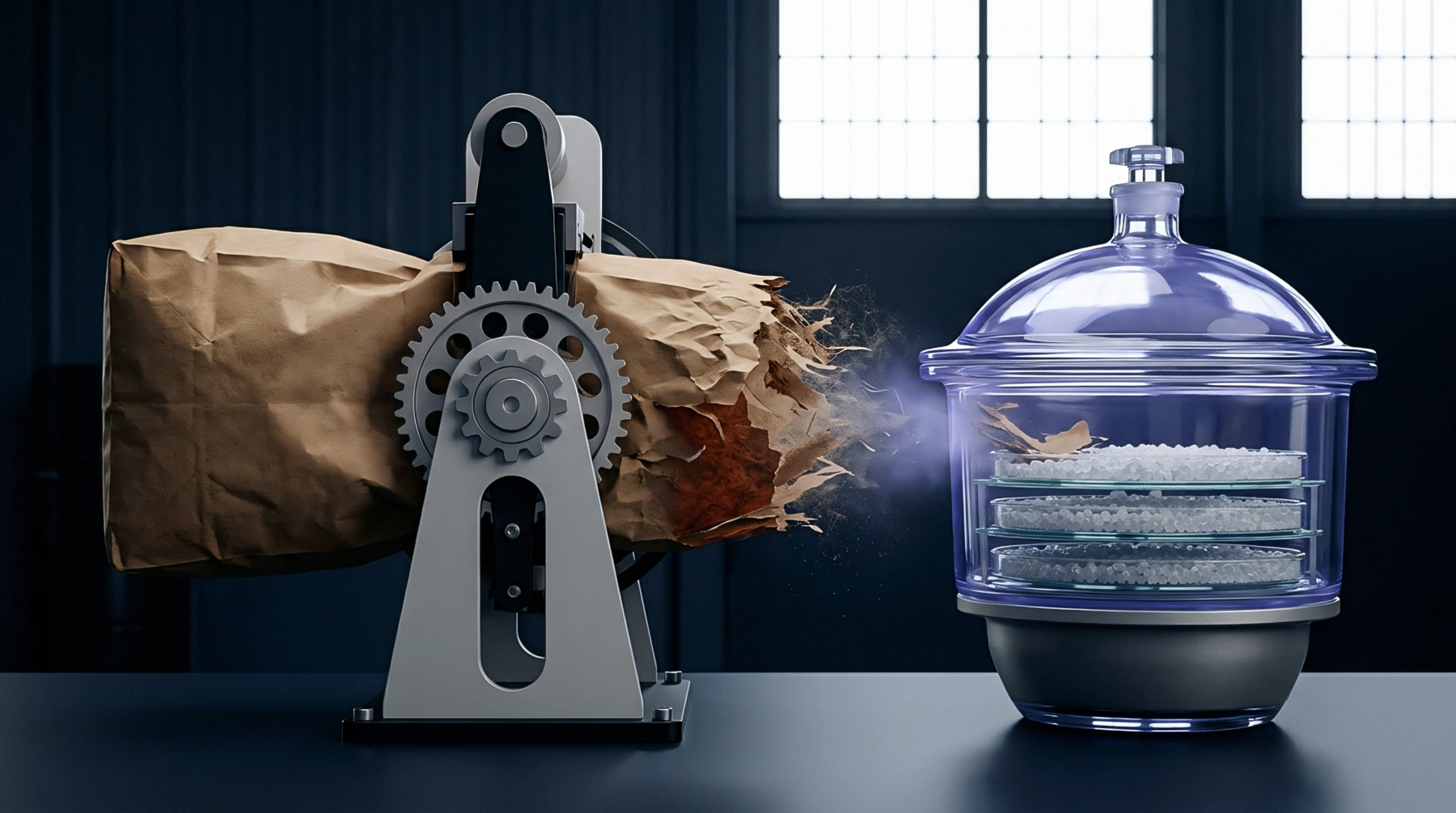
Dynamic moisture regain drives differential hygroexpansion between board and polyolefin, accelerating interfacial shear delamination along scored creases.
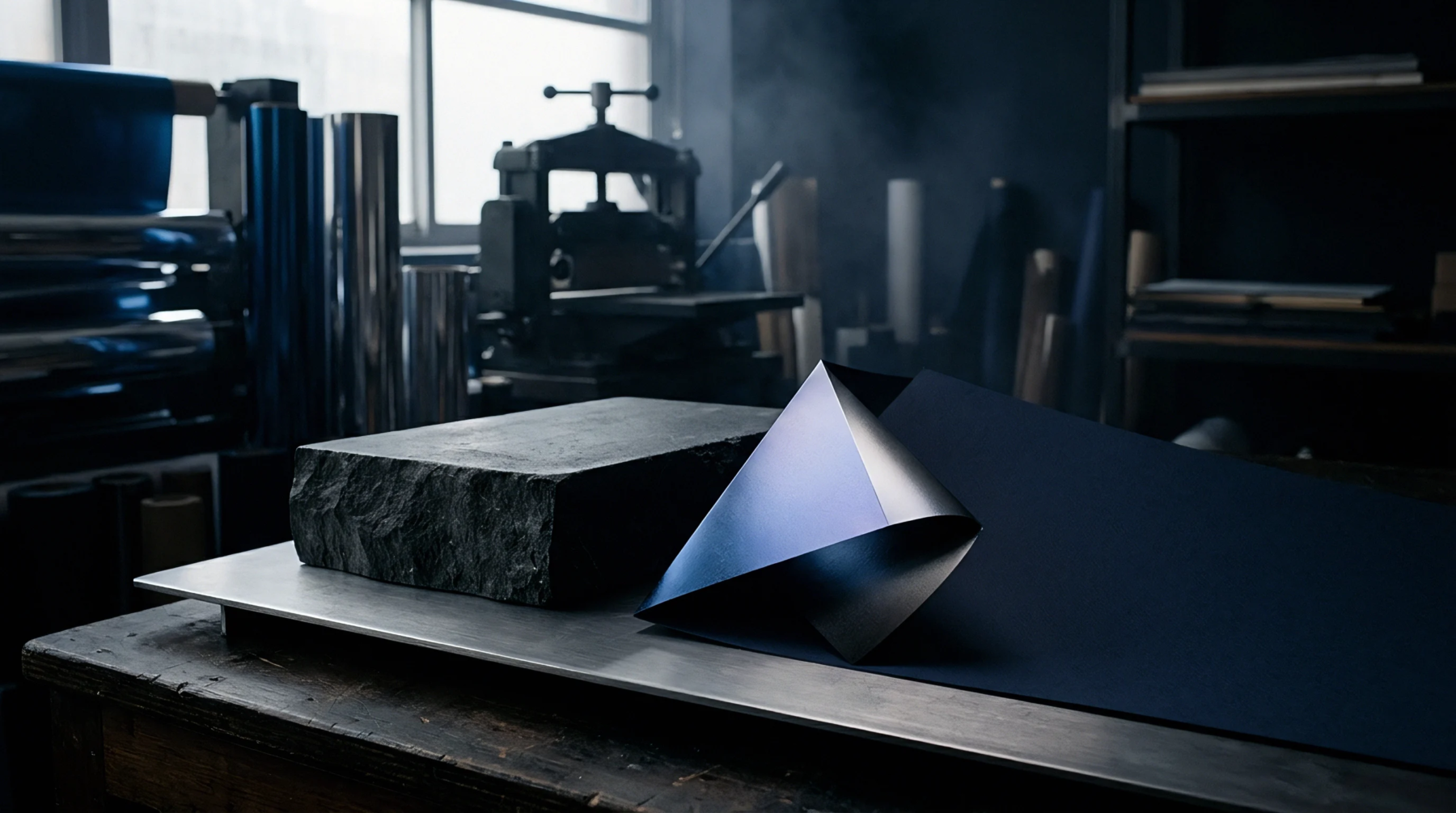
Optimize creasing matrix channel widths to twice board caliper plus rule thickness plus twenty percent to prevent interfacial shear delamination along creases.

Hytherthermal delamination occurs when rapid nip decompression flashes internal board moisture into steam that exceeds the substrate Scott bond strength.
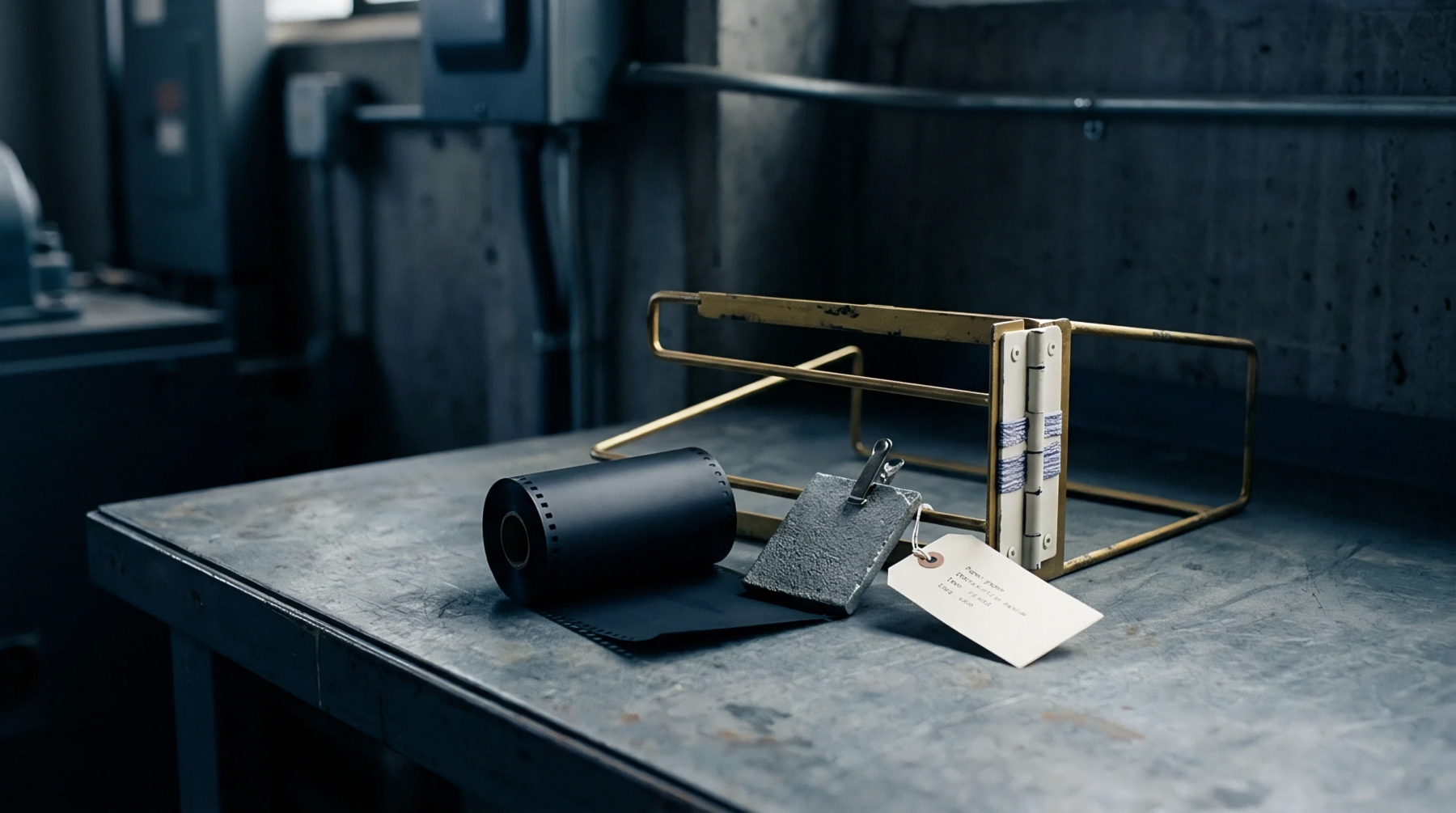
Thermal polypropylene film adhesion on bleached paperboard requires EVA melt flow at 95-115 °C to achieve mechanical micro-pore locking and fiber tear failure.

Polyethylene lamination curl stems from thermal quench contraction opposing substrate hygro-expansion, governed by chill roll cooling and moisture balance.

Paperboard cross direction hygroexpansion reaches fivefold machine values, requiring climate staging and scaled tooling to prevent multi-pass register failure.
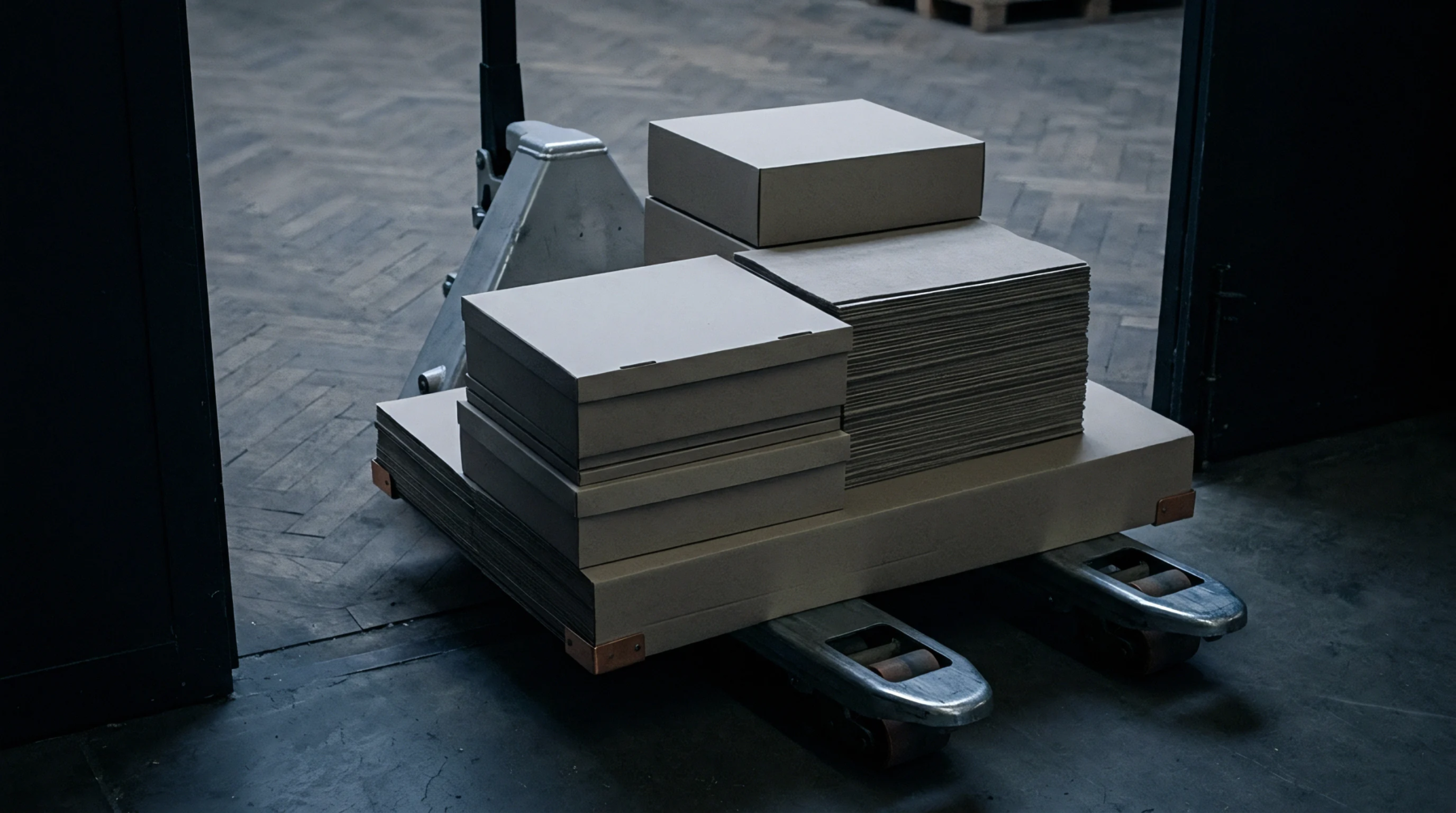
High shear rates above 10^5 s^-1 sever reversible UV resin bonds prematurely, requiring rheological tuning to protect recyclability and cure performance.
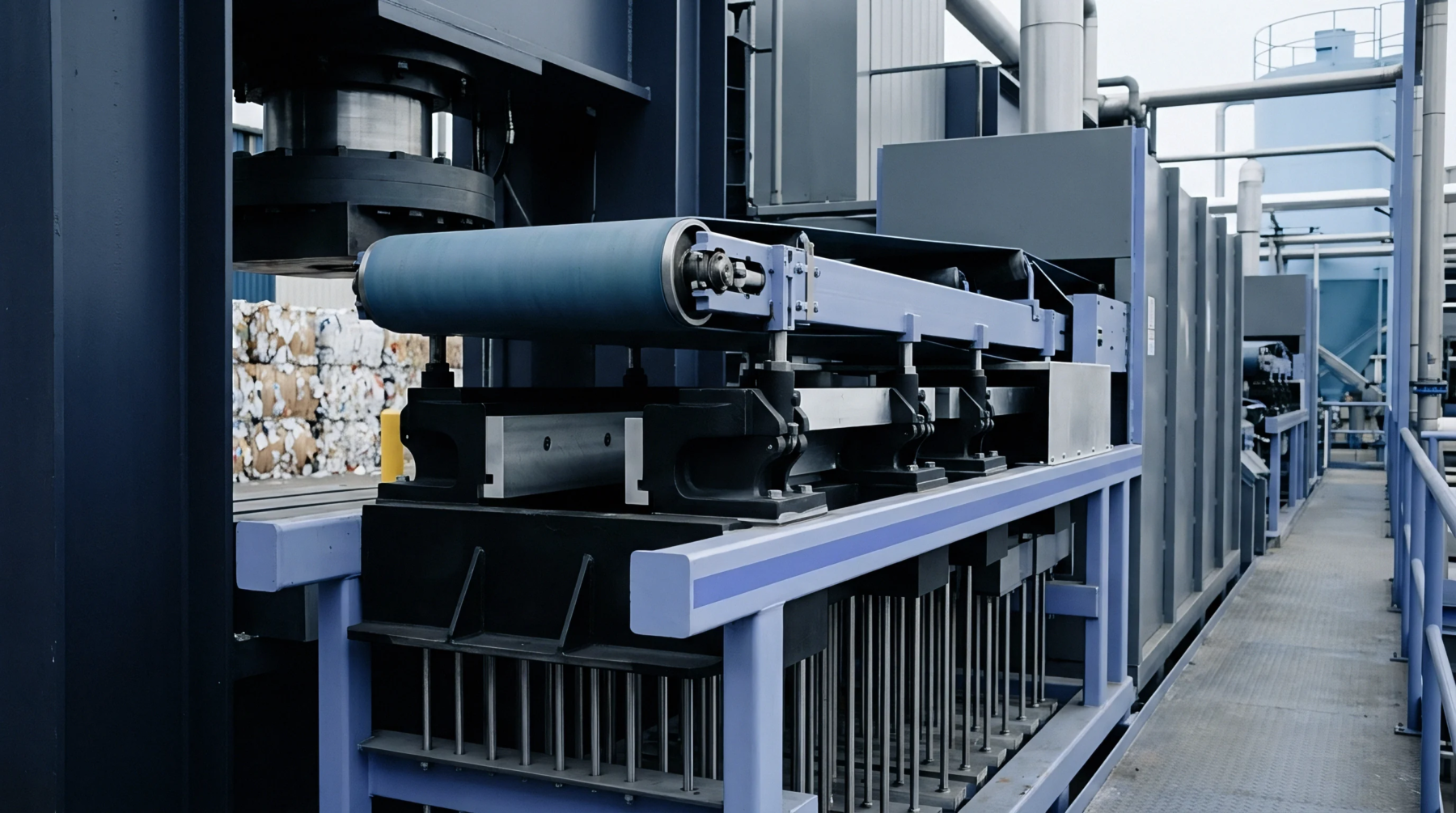
Recyclable acrylate oligomers dismantle under pH 10.5 pulping at 50°C, reducing gel fractions below 1.5% in five minutes to prevent screen blinding and sticky defects.
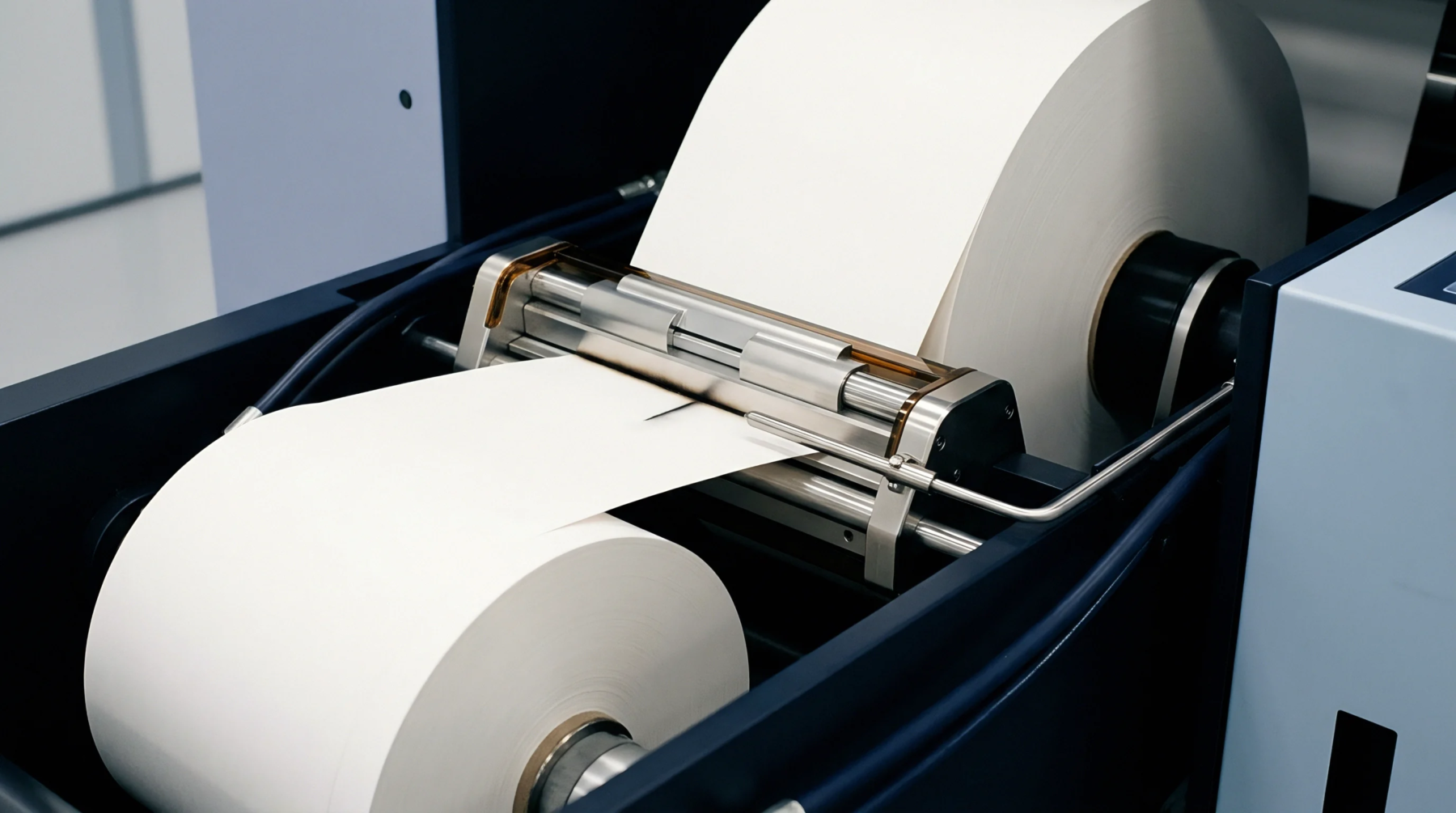
Dynamic shear modulus governs high-speed UV varnish transfer, where balancing loss and storage moduli prevents misting, cavity pinholes, and coat-weight drift.

Chromatic confocal optical height metrics predict inner liner shear rupture when calibrated against real interface depth and sub-surface stress limits.

Optical score topography directly correlates with cartoner jam rates; controlled bead symmetry and internal ply shear reduce feeder misfeeds at high line speeds.
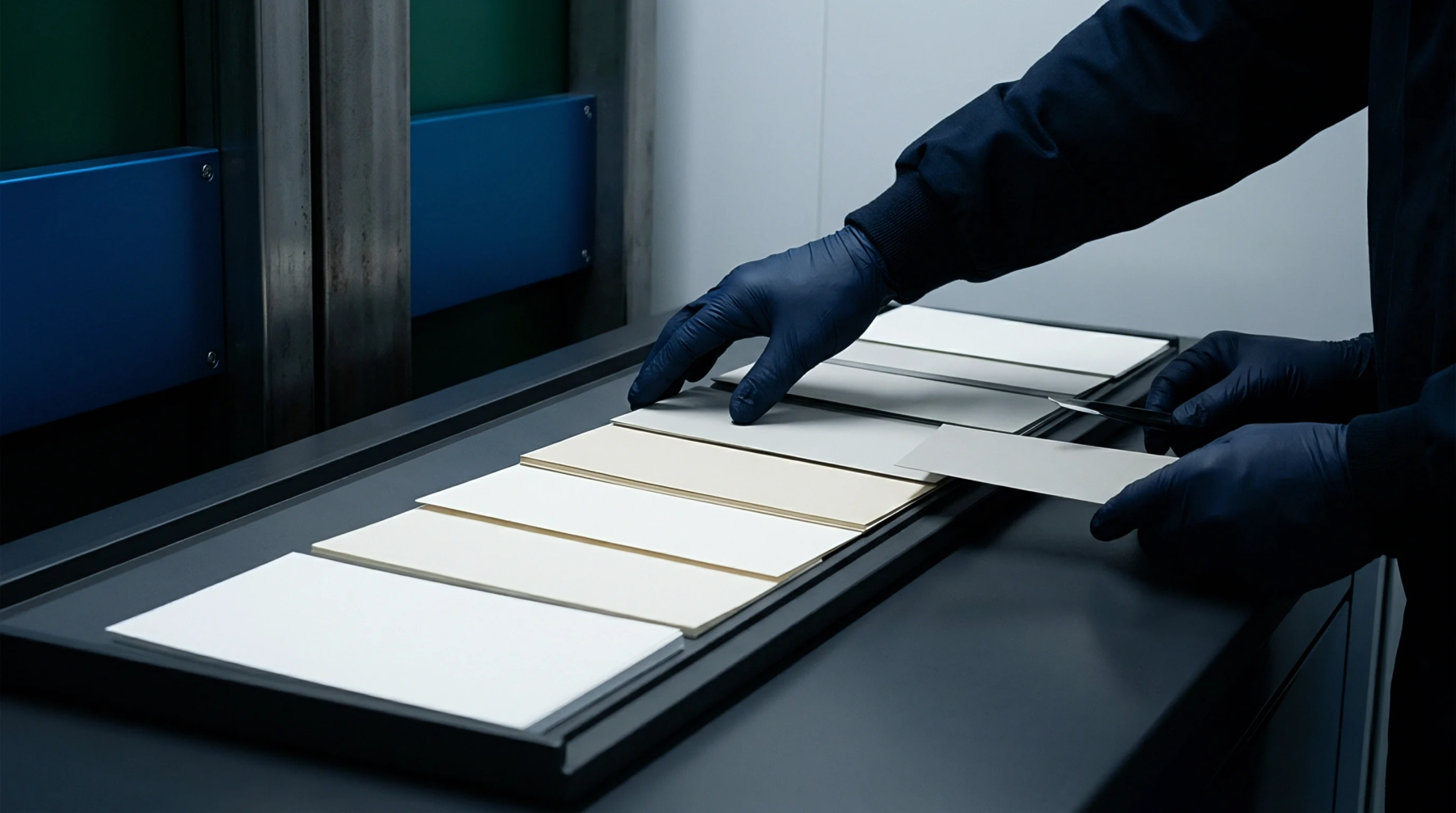
Blue laser triangulation resolves paperboard crease bead topography within two micrometers, eliminating red-light fiber scattering and manual micrometer error.
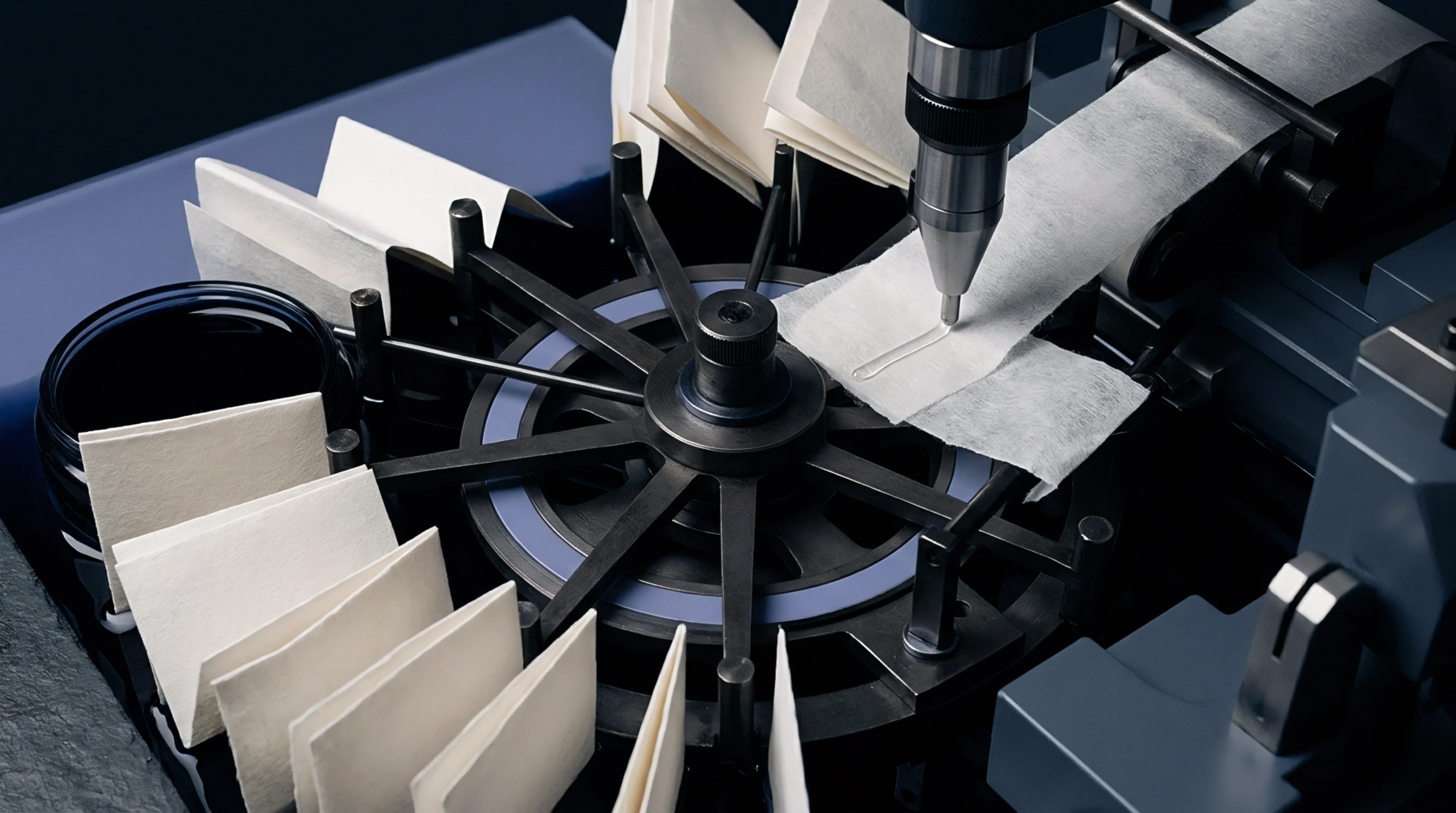
Polyhydroxyalkanoate binder passes require copolymer formulations with hydroxyvalerate fractions above twelve percent to prevent fold cracking at five degrees.
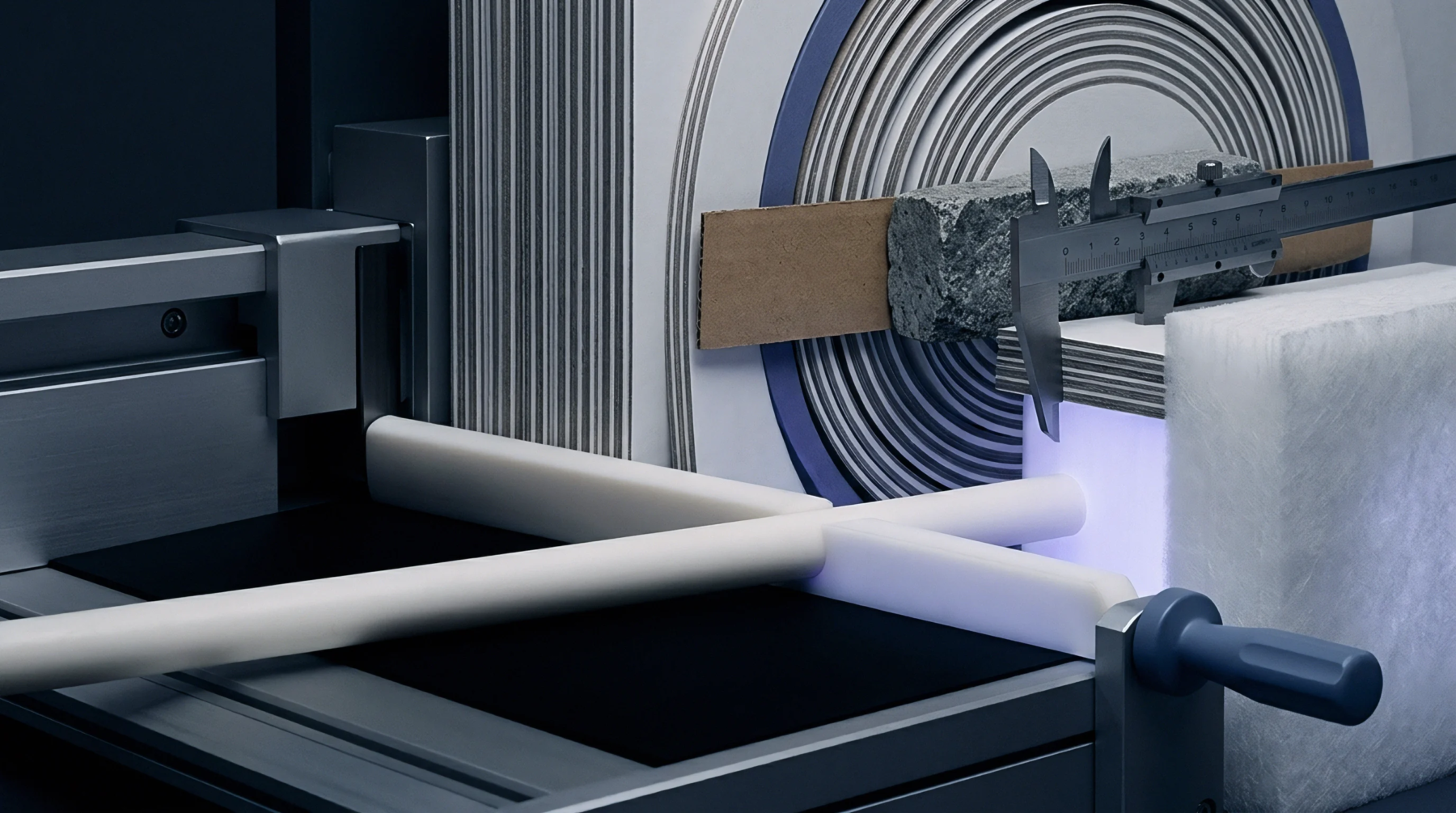
Calibrating paperboard yield stress via oscillatory mechanics prevents score line cracking by matching die channel dimensions to dynamic coating strain limits.
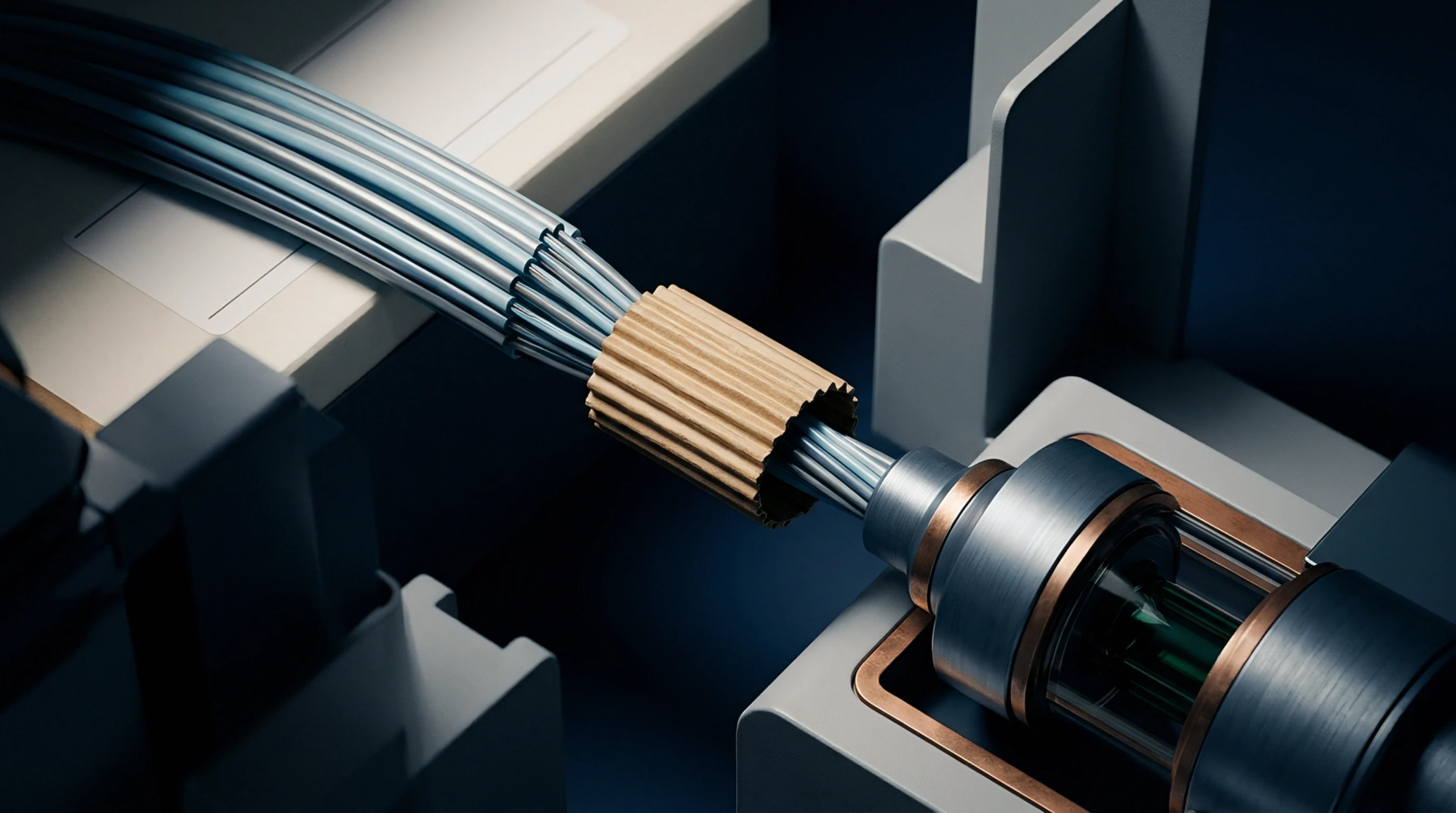
Polymer binders with glass transition points below eight degrees Celsius absorb outer-score tensile strain to prevent carton coating fracture during folding.
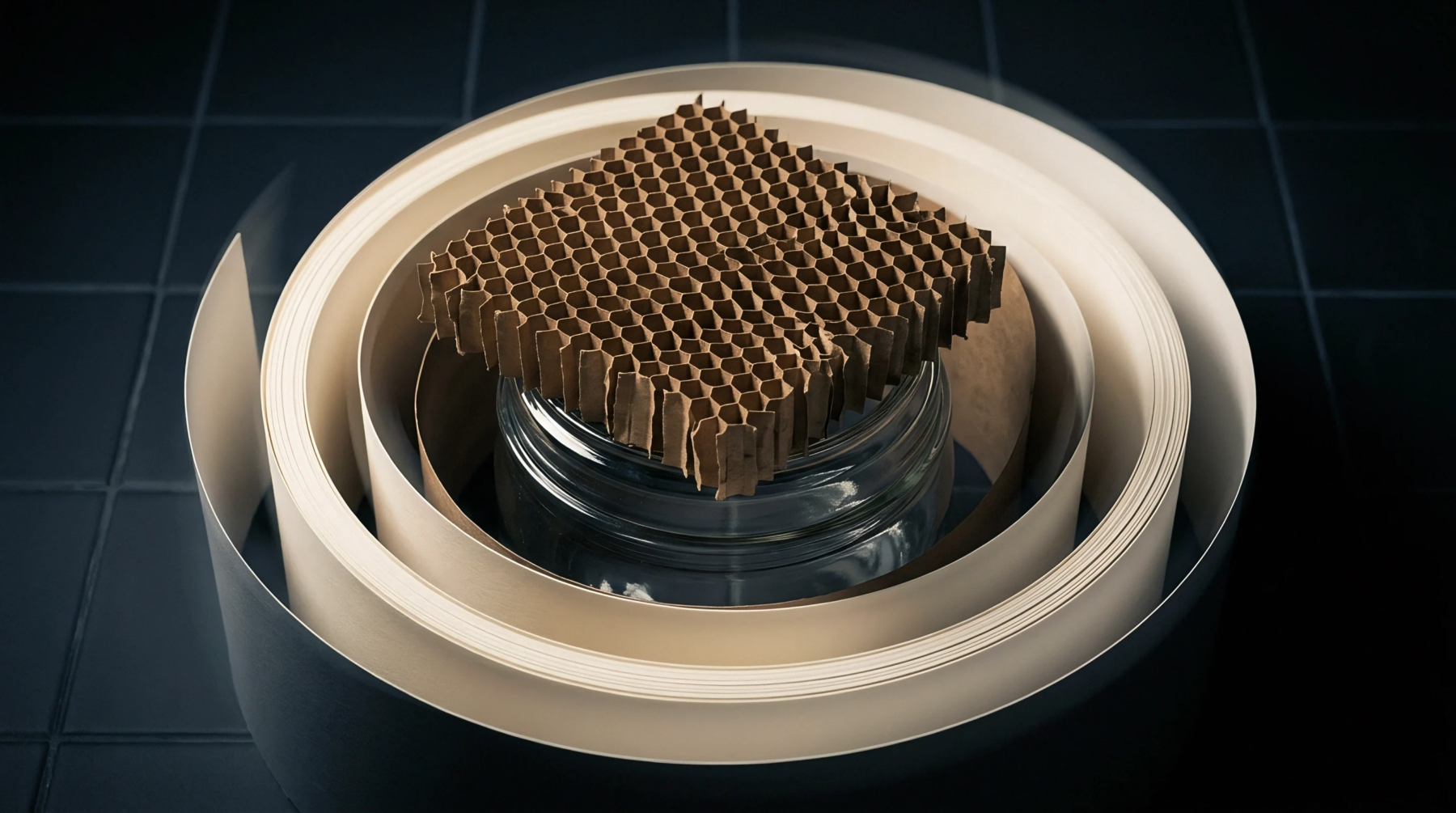
Finite element transient diffusion algorithms solve non-linear moving boundary equations to predict solvent retention and migration across swollen polyolefin layers.

Accurate polyolefin migrant diffusion modeling requires calibrating Piringer matrix parameters against density, temperature, and layer swelling profiles.
Mathematical diffusion models calculate NIAS migration through polyolefins using Piringer parameters to verify food contact safety without physical testing.
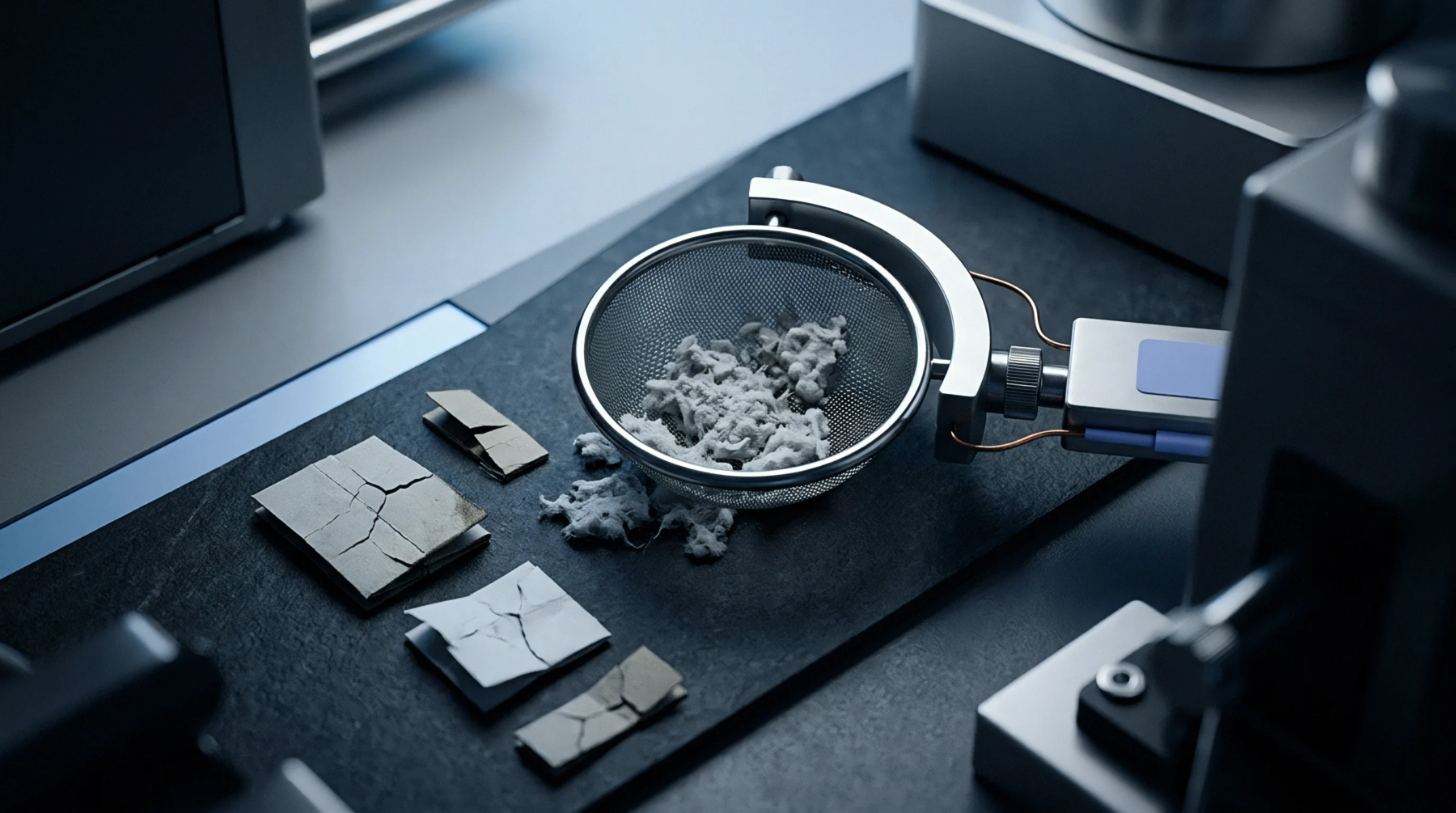
Sub-ppm mass accuracy and collision-induced dissociation resolve isobaric photoinitiator cleavage products from polyolefin oligomers below regulatory limits.
Gas chromatography mass spectrometry screening isolates residual photoinitiators in laminate films, verifying compliance with food contact migration limits.

Total photoinitiator extraction relies on solvent selection matching substrate swelling mechanics without degrading crosslinked acrylate polymer networks.
Standard addition headspace gas chromatography corrects polyethylene matrix bias to ensure accurate residual solvent quantification in flexible food packaging.
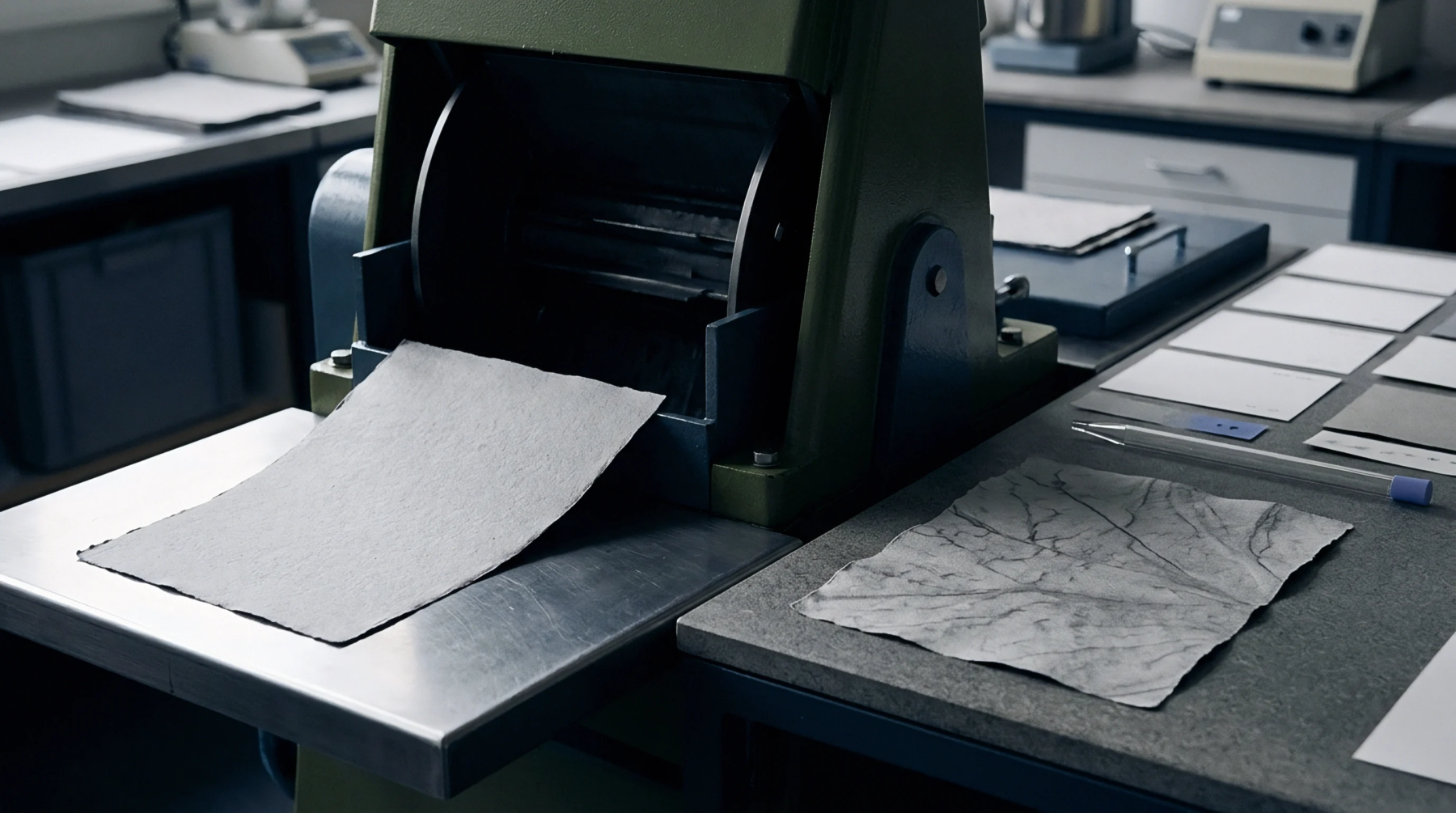
Matrix-driven partition coefficient shifts cause static headspace analysis to understate polar solvent residues in polyurethane laminates by up to 35 percent.
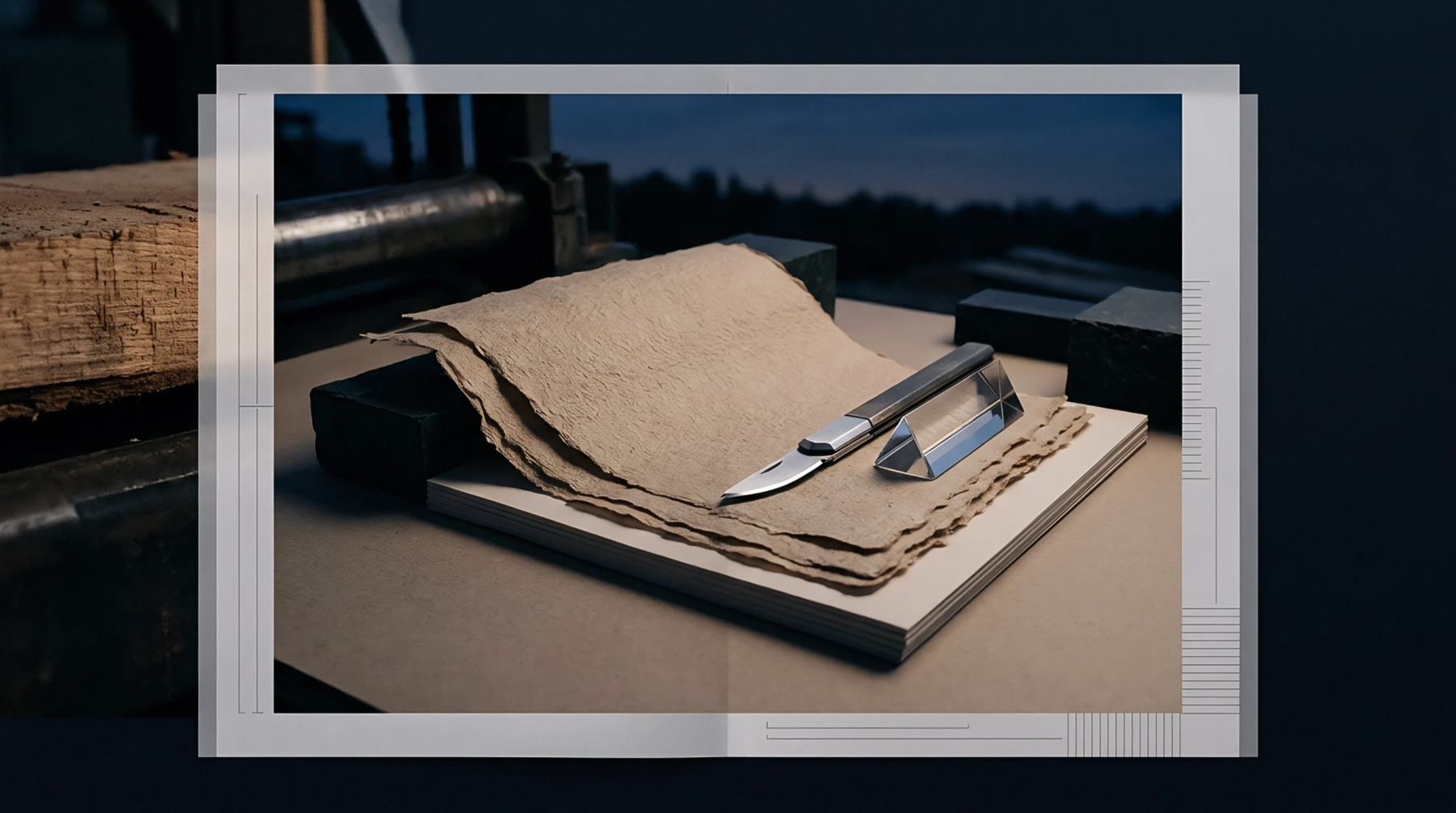
Static headspace gas chromatography quantifies volatile residues in cartonboard to verify that converting passes meet food packaging migration safety limits.

Coupled moisture regain and stress relaxation in recycled containerboard cause rapid emboss relief loss and warp, requiring heated tooling and strict humidity bounds.
Expertise is a utility, not a secret. sentiention™ publishes its working knowledge as open reference: intelligence layer covering the materials it sources, the markets it enters, and the reference that serves both.