Contact Point
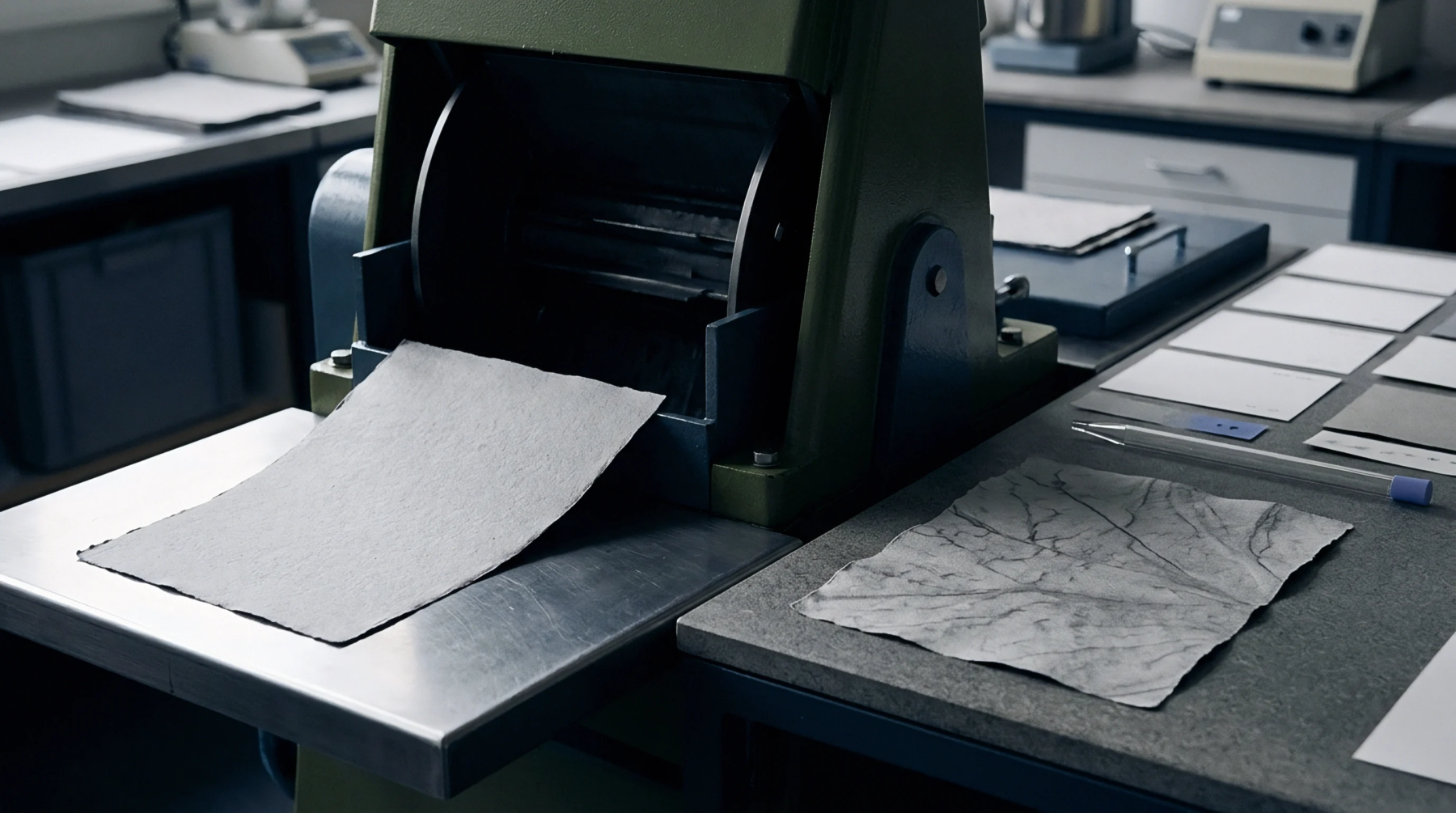
The pressurized contact zone between two rotating rollers combines separate material webs into a single multi-layer substrate. A lamination nip applies both pressure and heat to ensure intimate contact between the adhesive-coated web and the secondary substrate. This interaction eliminates air bubbles and distributes the adhesive layer evenly across the contact width.
Proper alignment of these rollers is essential to prevent web wrinkling and uneven bond strength.
Pressure Management
The physical forces operating in this zone are controlled by pneumatic or hydraulic cylinders that press the steel and rubber rolls together. Within the lamination nip, the nip width, or footprint, is determined by the hardness of the rubber cover and the applied load. High pressure is concentrated by a narrow footprint, which is beneficial for dense, non-porous films.
Conversely, a wider footprint distributes the force over a larger area, reducing the risk of crushing delicate substrates like paperboard. Temperature-controlled rollers preheat the webs, softening the adhesive to improve wet-out and adhesion. Operators must balance pressure, speed, and temperature to achieve optimum laminate quality.
Defect Prevention
Incorrect settings in this compression zone cause curling, creasing, or delamination of the composite structure. If the pressure at the lamination nip is uneven, tension variations across the web will lead to tracking errors. Steady pressure ensures a consistent adhesive thickness and strong bond across the entire roll width.