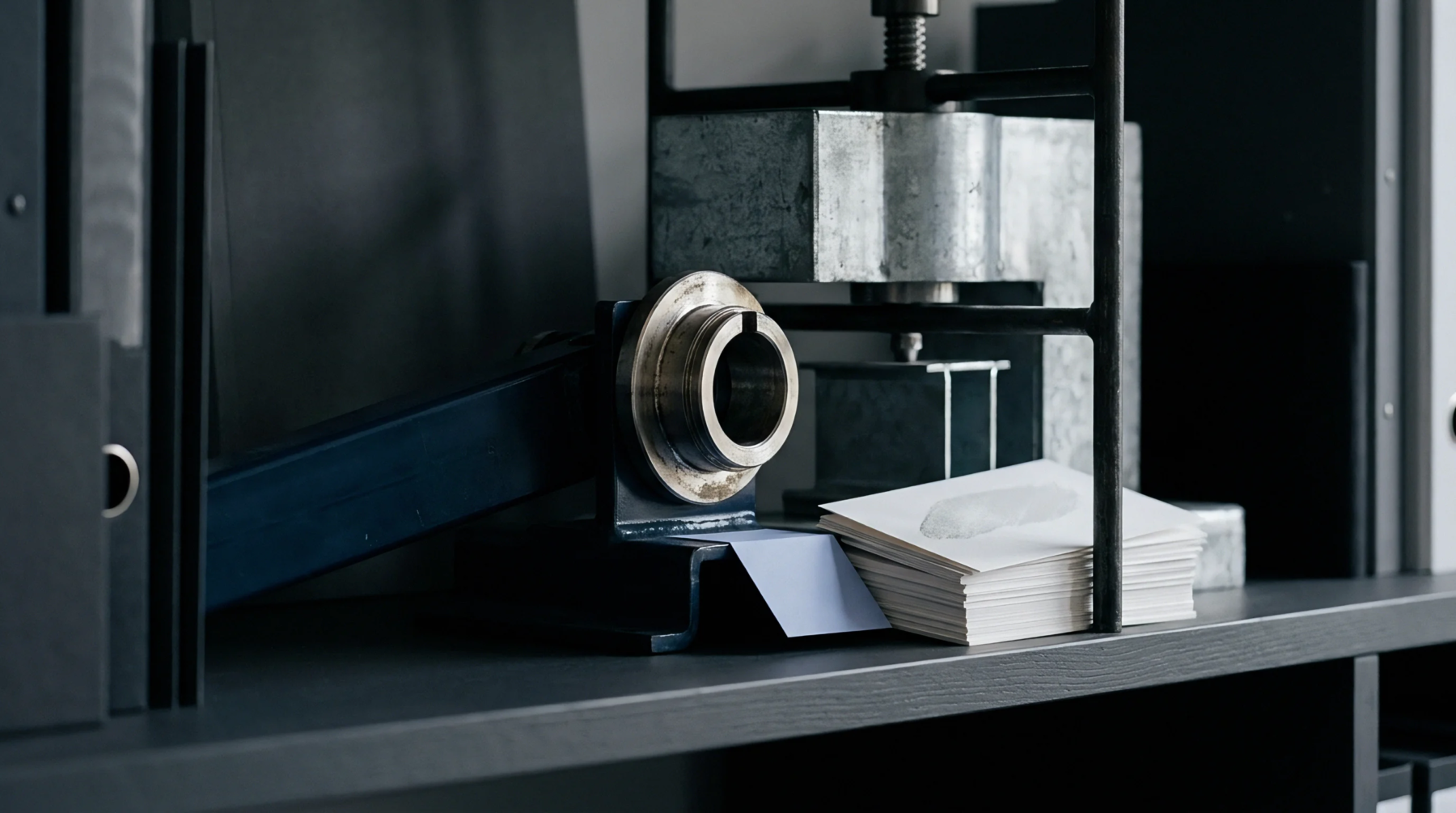
Dynamic Humidity Fracture Mechanics in Crosslinked Polyurethane Laminates
Cyclic relative humidity drives interfacial shear cracks in polyurethane-laminated paperboard through hygro-expansion mismatch and localized network plasticization.
Cyclic relative humidity drives interfacial shear cracks in polyurethane-laminated paperboard through hygro-expansion mismatch and localized network plasticization.
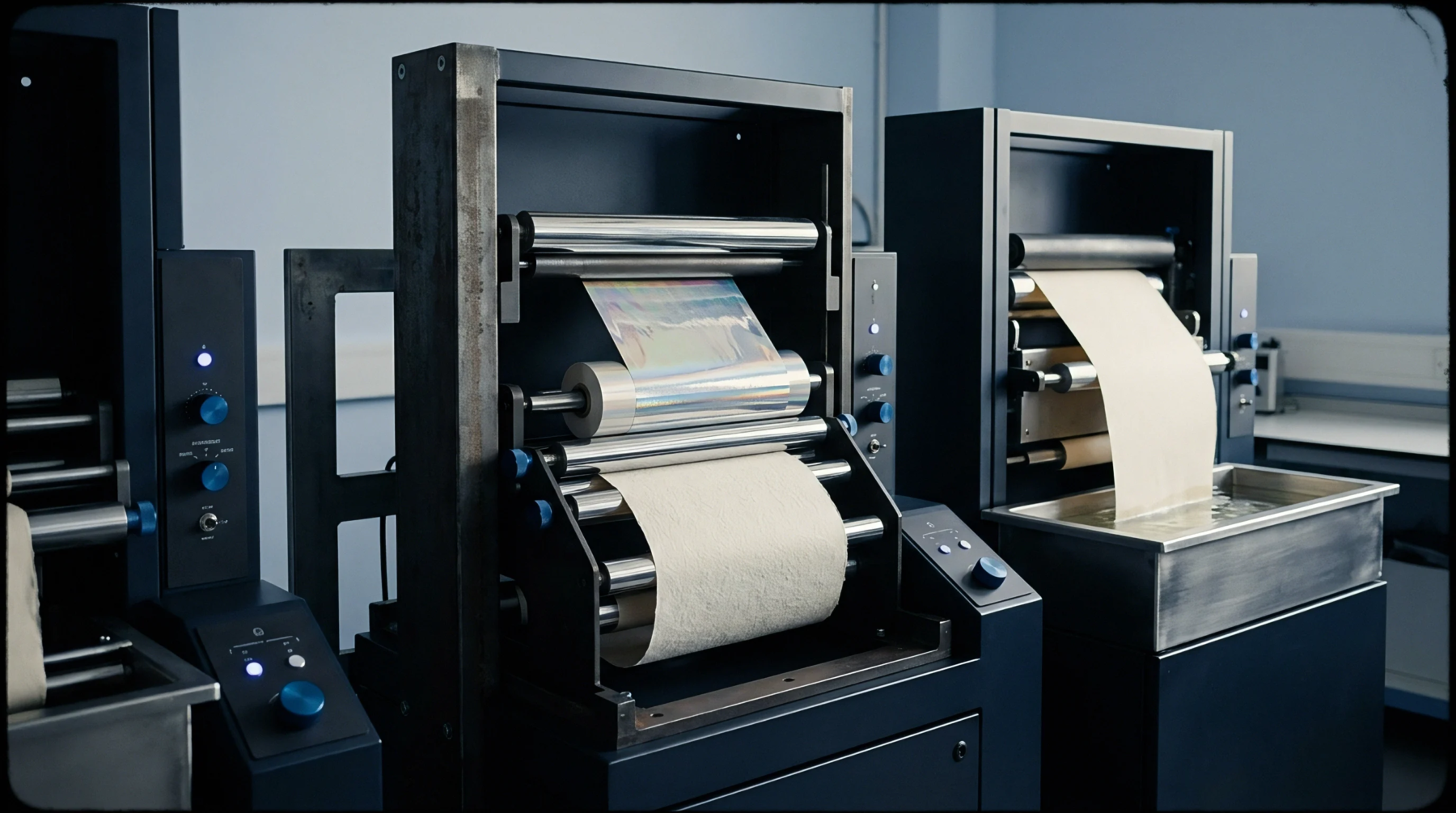
Polyurethane soft-touch laminates fail above 115 degrees Celsius and 18 kilonewtons of line pressure, causing matte collapse, score cracking, and scuffing.
Standardized flake purity certification requires accredited third-party batch assays to verify decontamination limits and prevent border rejections.
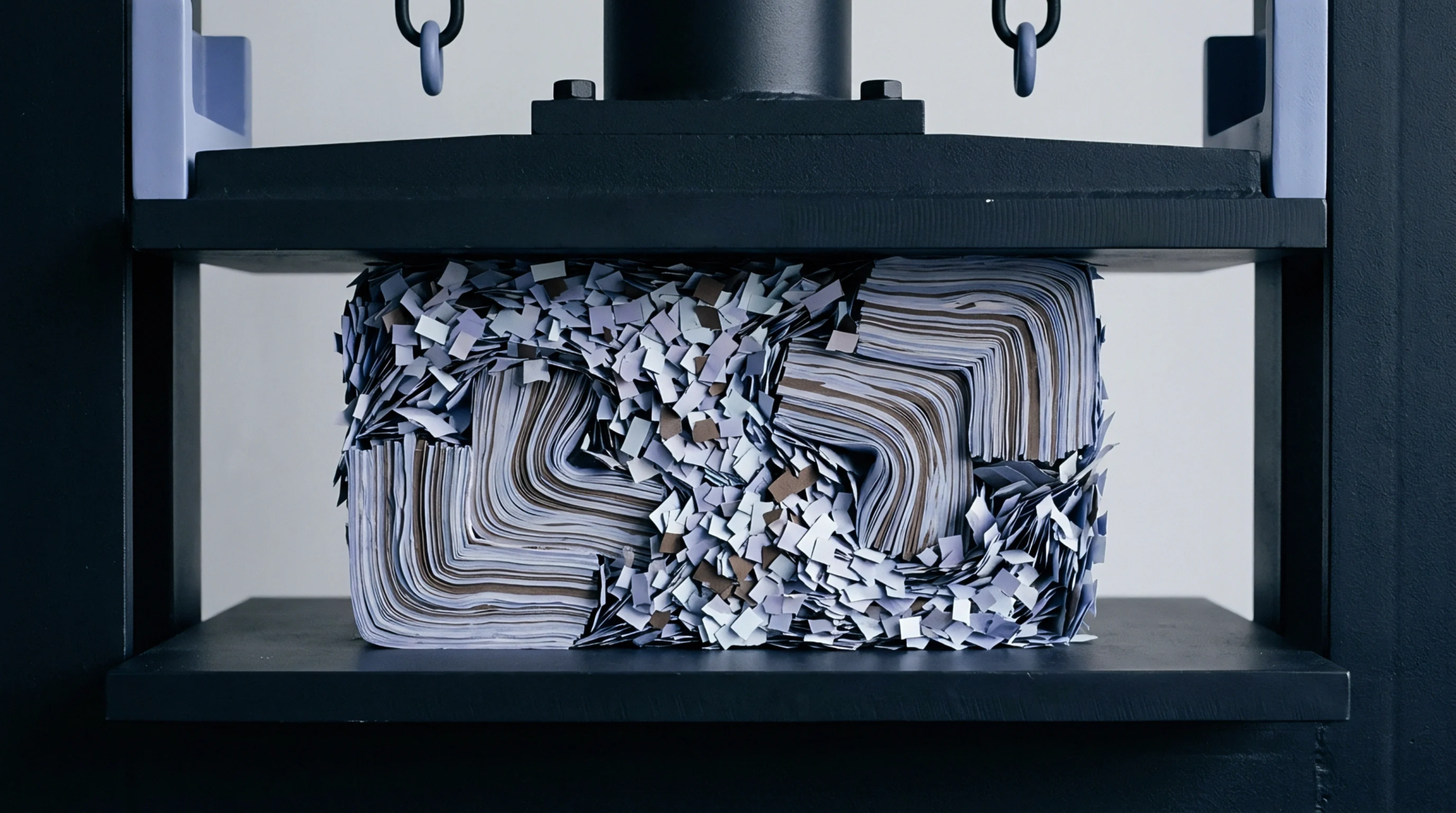
Spectrophotometric bleed testing measures optical transmittance and CIELAB color shift in filtered caustic wash liquor to verify packaging ink compliance.

Effective de-linking requires alkali-swellable binders that flake cleanly in hot caustic wash baths without dissolving pigments or blinding melt filters.
Vacuum-deposited AlOx barrier integrity relies on precise stoichiometry and chill drum contact to eliminate adatom nucleation defects at high web speeds.
Standardized 90-degree peel testing isolates true metPET interfacial bond strength by fixing separation geometry and eliminating backing deformation errors.

Quantify metal-to-polymer adhesion using ASTM F904 peel testing with EAA backing, targeting values above 60 N/m to ensure barrier stability during converting.
Reversing lamination and hot stamping passes increases crease crack resistance by 34 percent while degrading mechanical fiber yield under CEPI testing by 18 points.
Dynamic surface energy decay and thermal history alter interlayer bond strength in multi-pass converting, demanding dyne verification before every pass.

Pass sequencing dictates surface energy retention, creasing matrix integrity, recyclability scores, and cumulative scrap rates across multi-step structural packaging runs.
Quantifying acrylate extractables in low migration packaging requires standardized solvent extraction coupled with thermal desorption GC-MS spectral screening.
Quantifying photoinitiator breakdown products demands solvent extraction or headspace GC-MS/MS backed by deuterated standards to verify migration limits.
Residual acrylate monomer testing via static headspace gas chromatography quantifies unreacted species to verify food contact safety compliance.

Polymeric barrier coatings suppress gas phase photoinitiator migration from recycled board when low free volume and tortuous mineral platelets delay permeation.

Low migration UV conversion succeeds by verifying photoinitiator cure through spectrometry, maintaining peak irradiance, and preventing set-off transfer.
Photoinitiator migration limits in food contact print finishes are determined through standardized simulant extractions quantified by GC-MS or LC-MS testing.

Dynamic soft segment mobility drives thermal hydrophobic recovery in extruded TPU, demanding roll core cooling below 30°C to avert lamination failure.
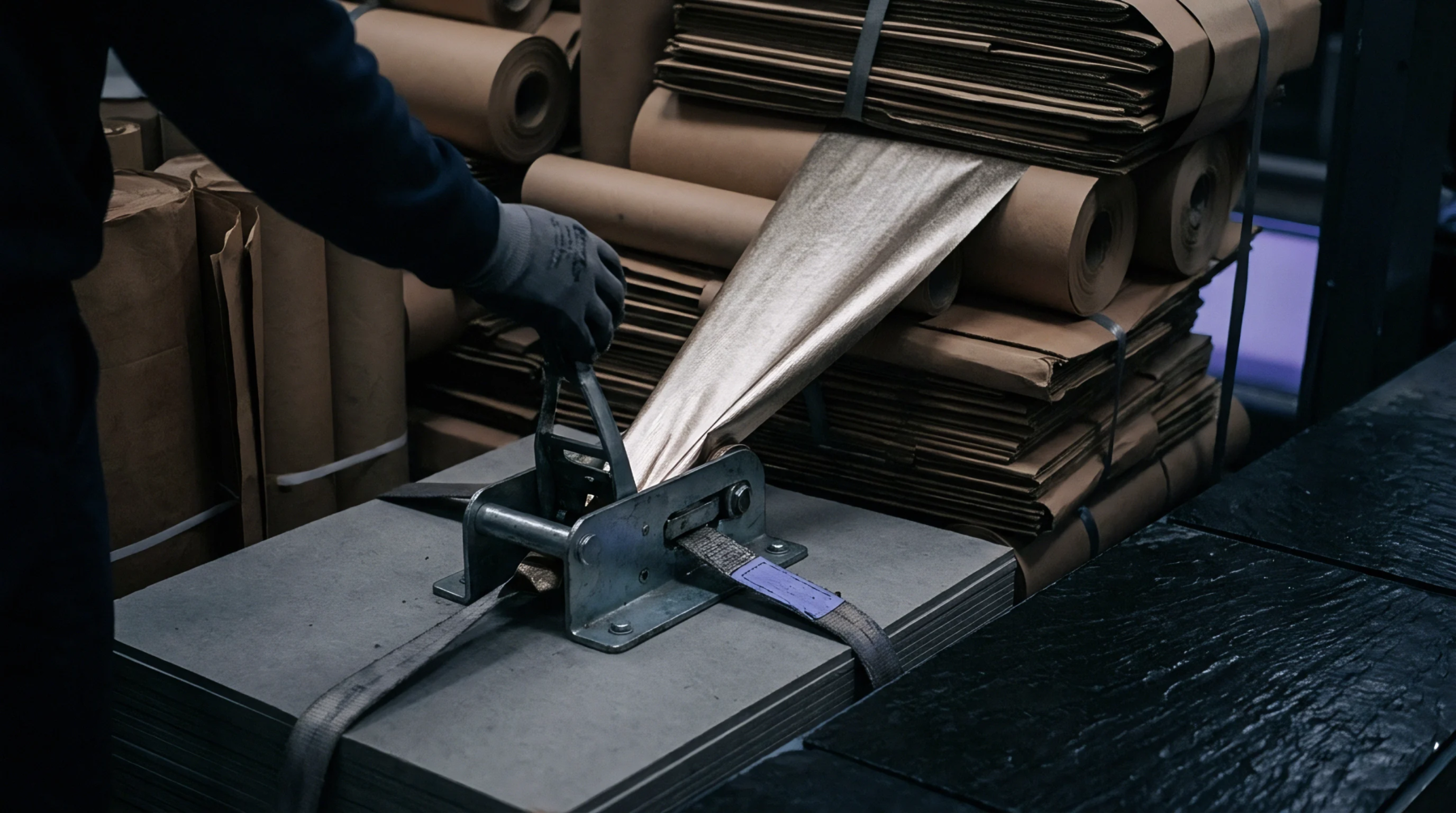
Contact angle analysis detects hydrophobic recovery and additive blooming in polyurethane films before lamination failure occurs on high-speed converting lines.

Polyurethane surface energy decays through soft-segment rotation, demanding secondary pass execution within seventy-two hours or inline re-activation.

Pre-scaling brass die vector artwork based on directional thermal strain maps eliminates press registration drift across large format heated platens.
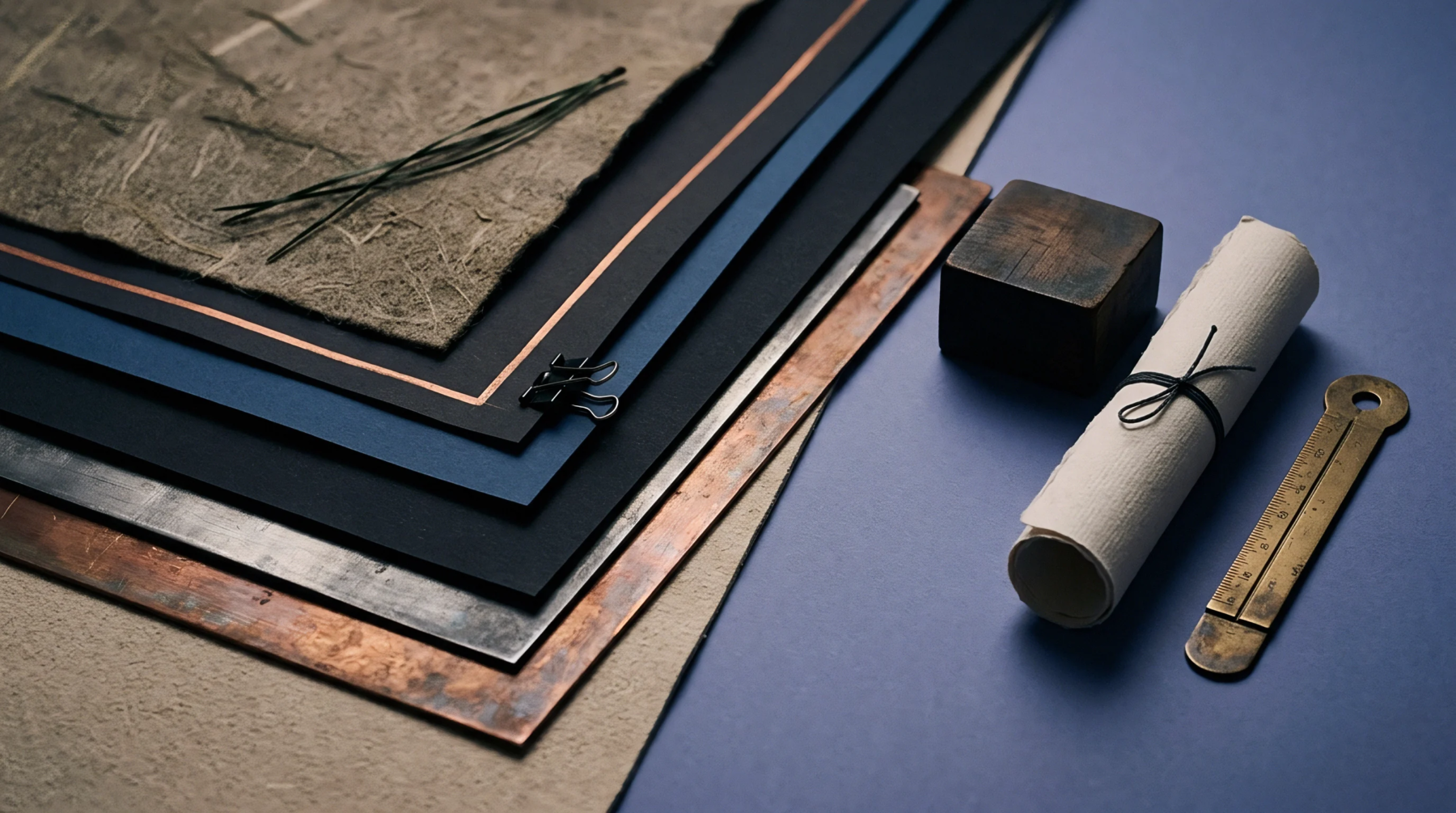
Substrate desiccation during heated stamping alters sheet dimensions, requiring differential die scaling and controlled humidity recovery between passes.

Calculate brass die thermal expansion by multiplying the alloy coefficient by temperature delta and original length, then invert to get pre-press artwork scale.
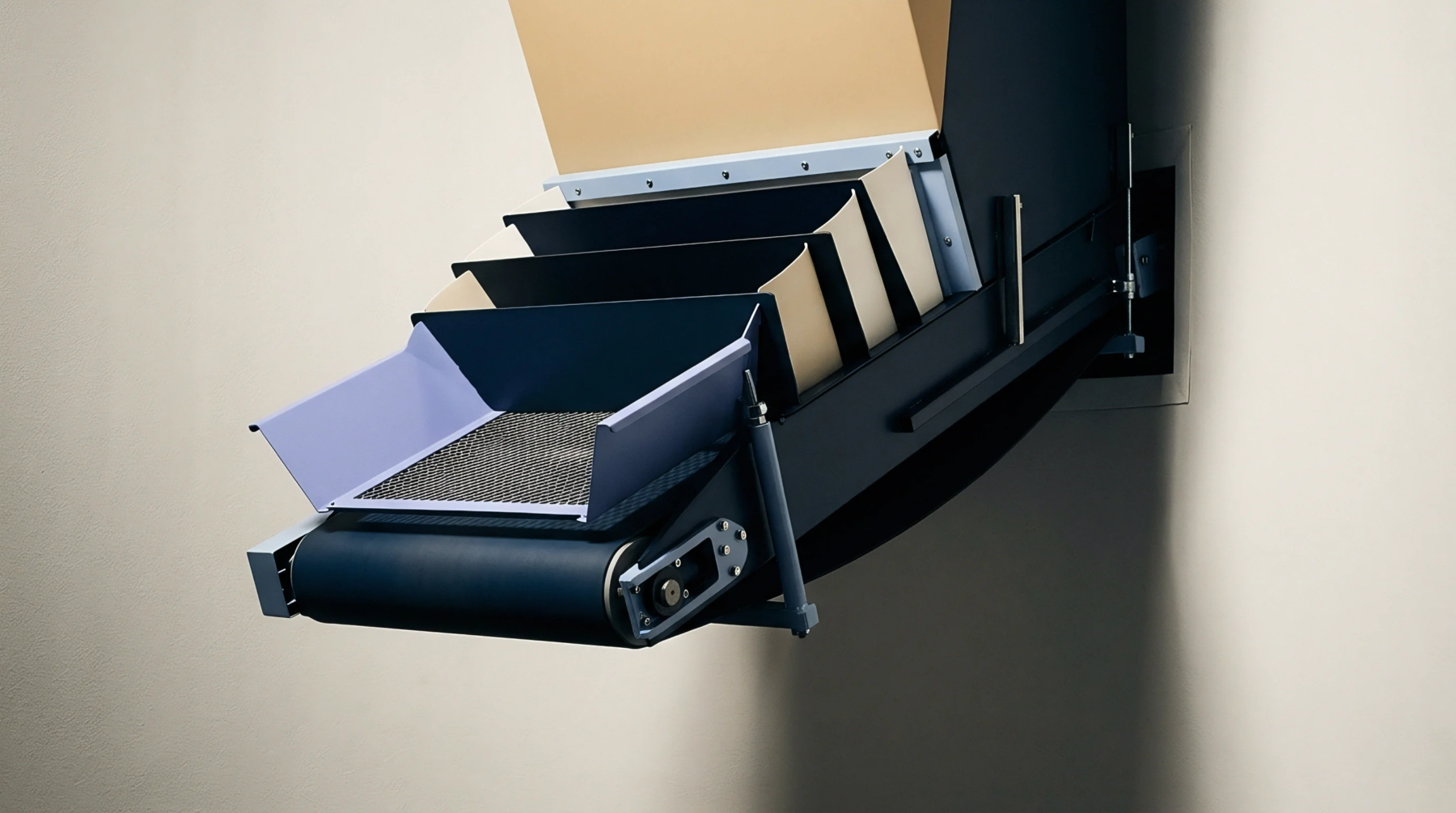
Dynamic platen converting above 7,500 sph degrades board core shear modulus by up to 60 percent, demanding calibrated matrix tooling to prevent carton collapse.
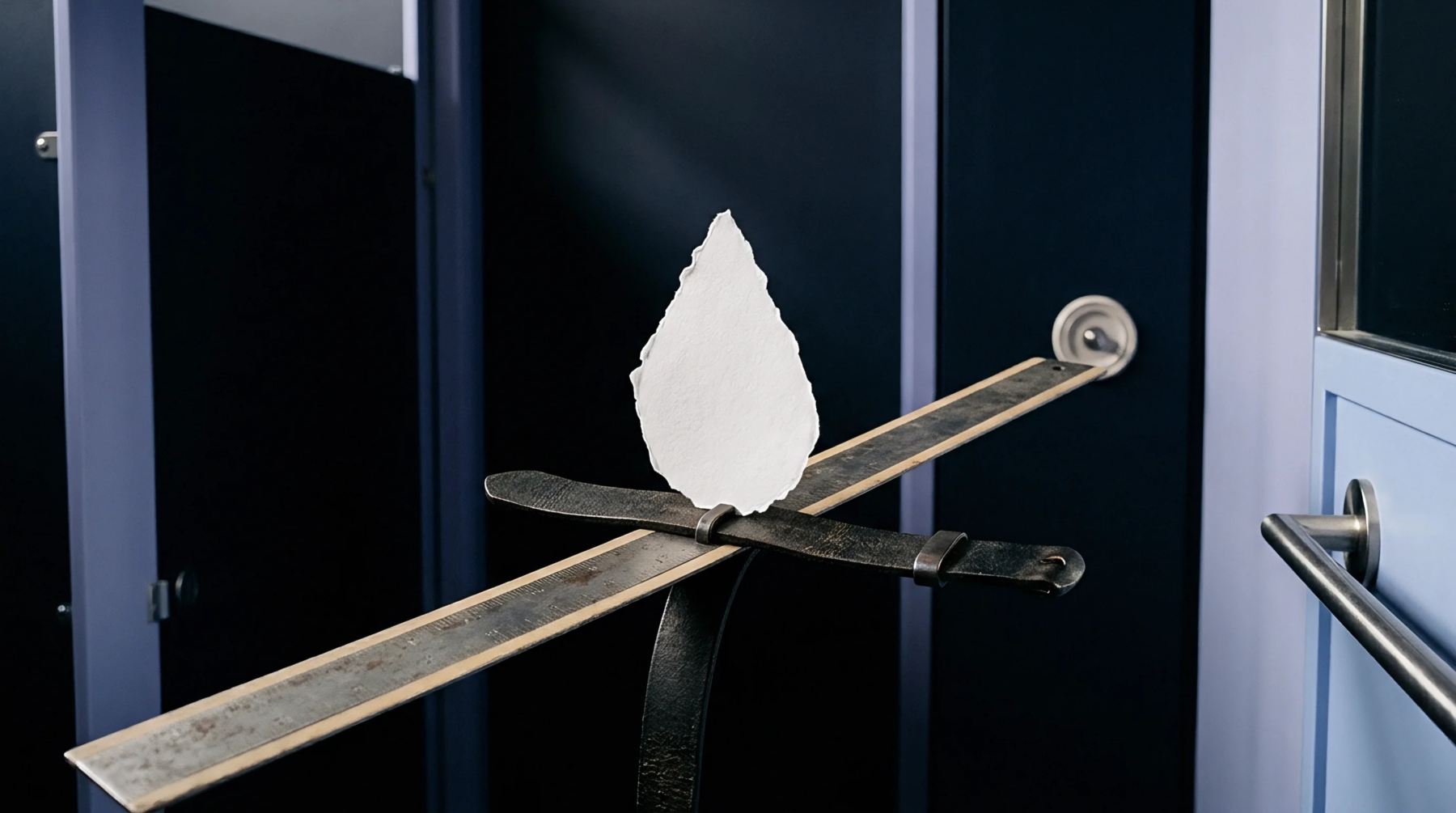
Dynamic crease stiffness analysis measures real-time polymer film relaxation during high-speed board folding to prevent barrier fracturing and line jams.

Heavyweight folding boxboard requires matrix depth matching board caliper and channel width calculated at one point seven times caliper plus rule thickness.
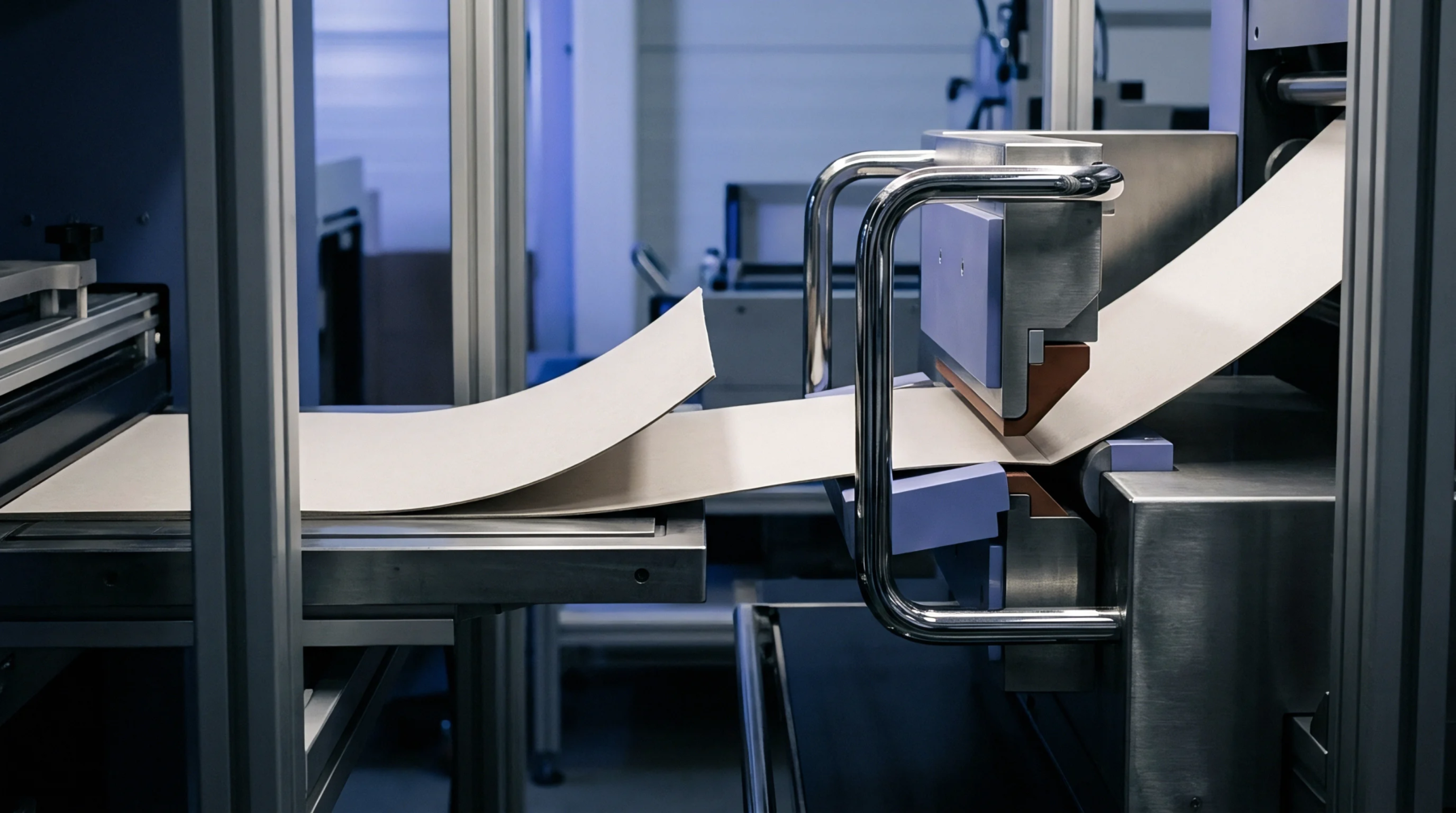
Inline acoustic time-of-flight profiling maps internal board ply delamination at line speed, preventing cartoner jams without marking finished carton surfaces.

Ultrasonic attenuation decay rates directly quantify paperboard crease delamination depth, enabling real-time inline verification of folding stiffness.

Acoustic velocity profiling provides non-destructive dynamic stiffness metrics that predict score cracking and lamination curl in converting passes.
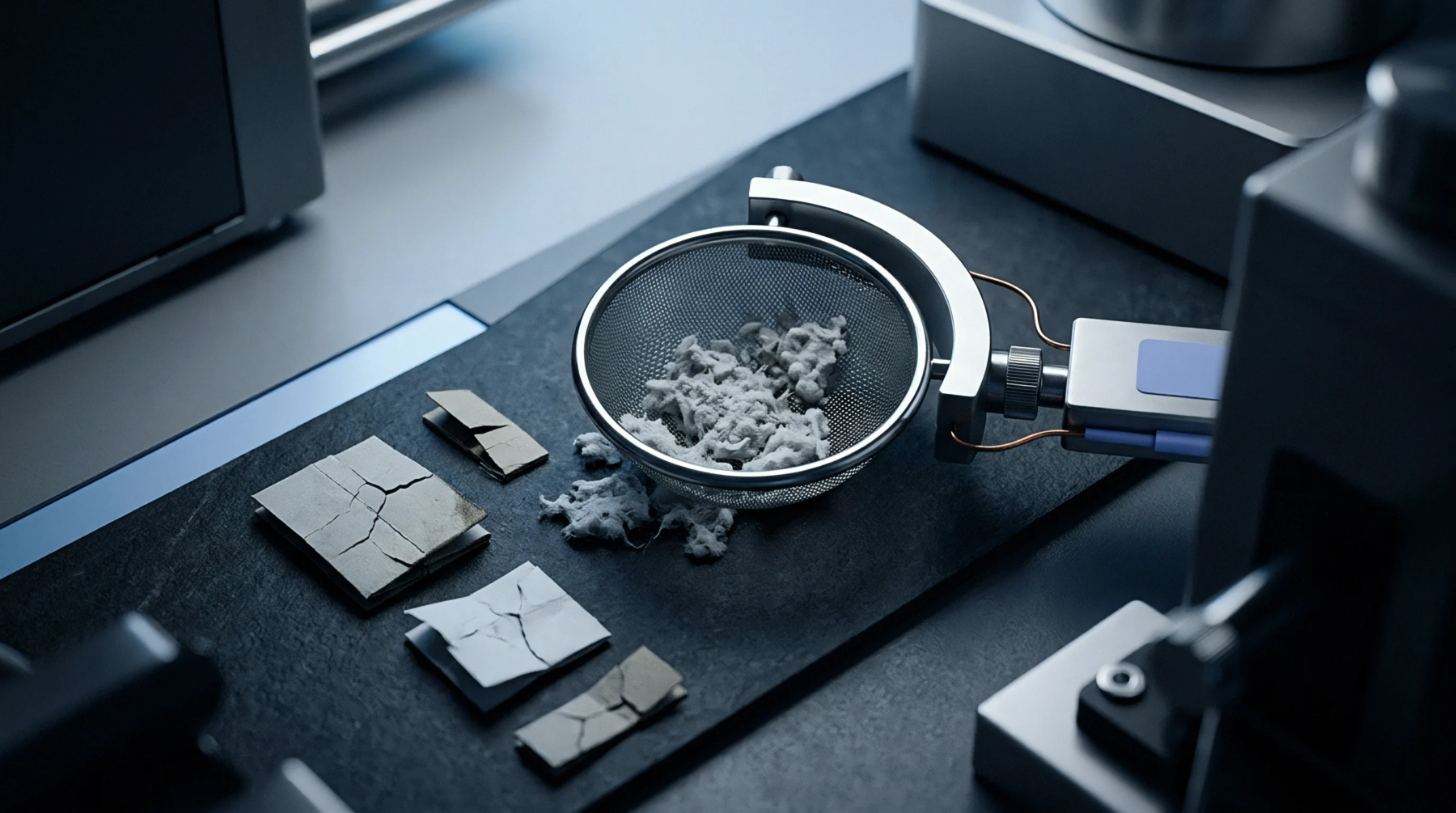
Moisture plasticizes secondary fibre bonds, reducing Mode I and II fracture energy thresholds and causing delamination during thermal finishing and creasing.
Expertise is a utility, not a secret. sentiention™ publishes its working knowledge as open reference: intelligence layer covering the materials it sources, the markets it enters, and the reference that serves both.