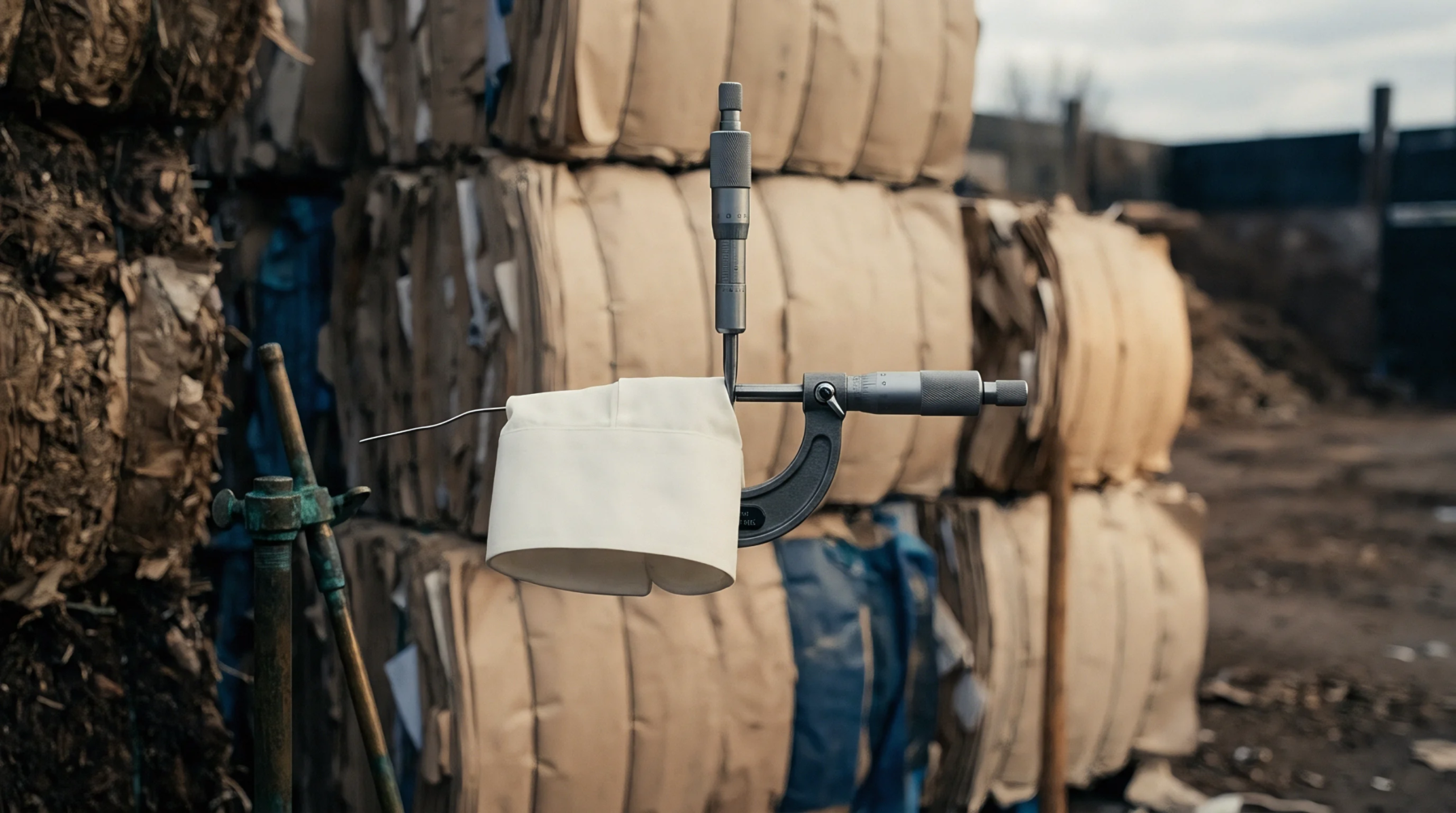
Hygroexpansive Stress Derivation in Recycled Boxboard Plies during Converting Operations
Asymmetric hygroexpansion across recycled boxboard plies induces internal shear stresses and curl, demanding strict moisture control to avoid converting scrap.
Asymmetric hygroexpansion across recycled boxboard plies induces internal shear stresses and curl, demanding strict moisture control to avoid converting scrap.
Dynamic Scott Bond impact and static Z-tensile testing verify multi-ply recycled board strength to prevent costly delamination during foil stamping and creasing.
Dynamic micro-stepping impression control compensates for strain-rate stiffness shifts during press speed ramps, preserving multi-ply board caliper and strength.
Real-time platen bed deflection correction eliminates crease depth variance across wide formats, preventing high-speed packaging jams and cutting tooling wear.
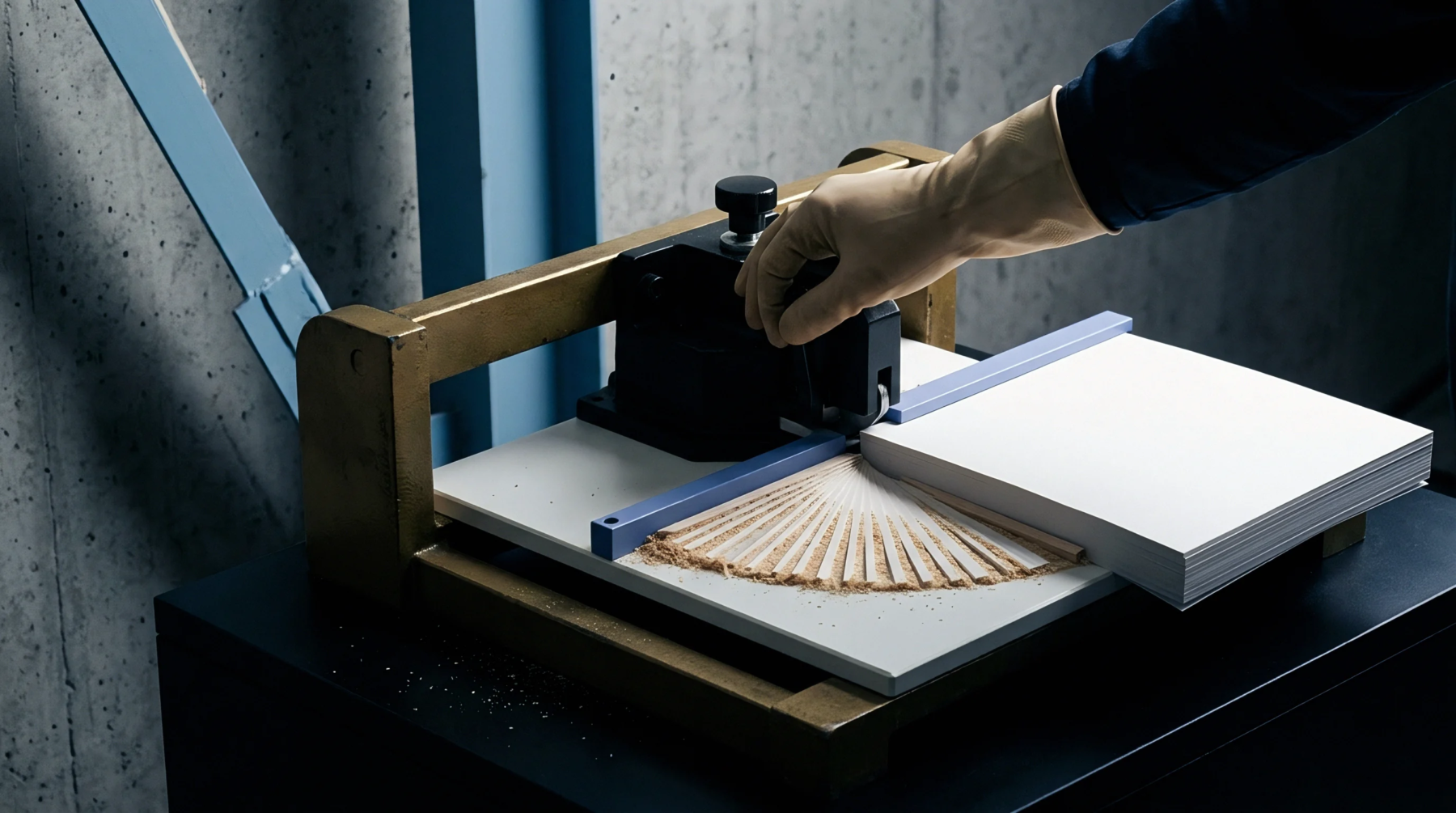
Select creasing channels for laminated folding boxboard using wider channel factors to protect surface polymer films from tensile rupture during folding.
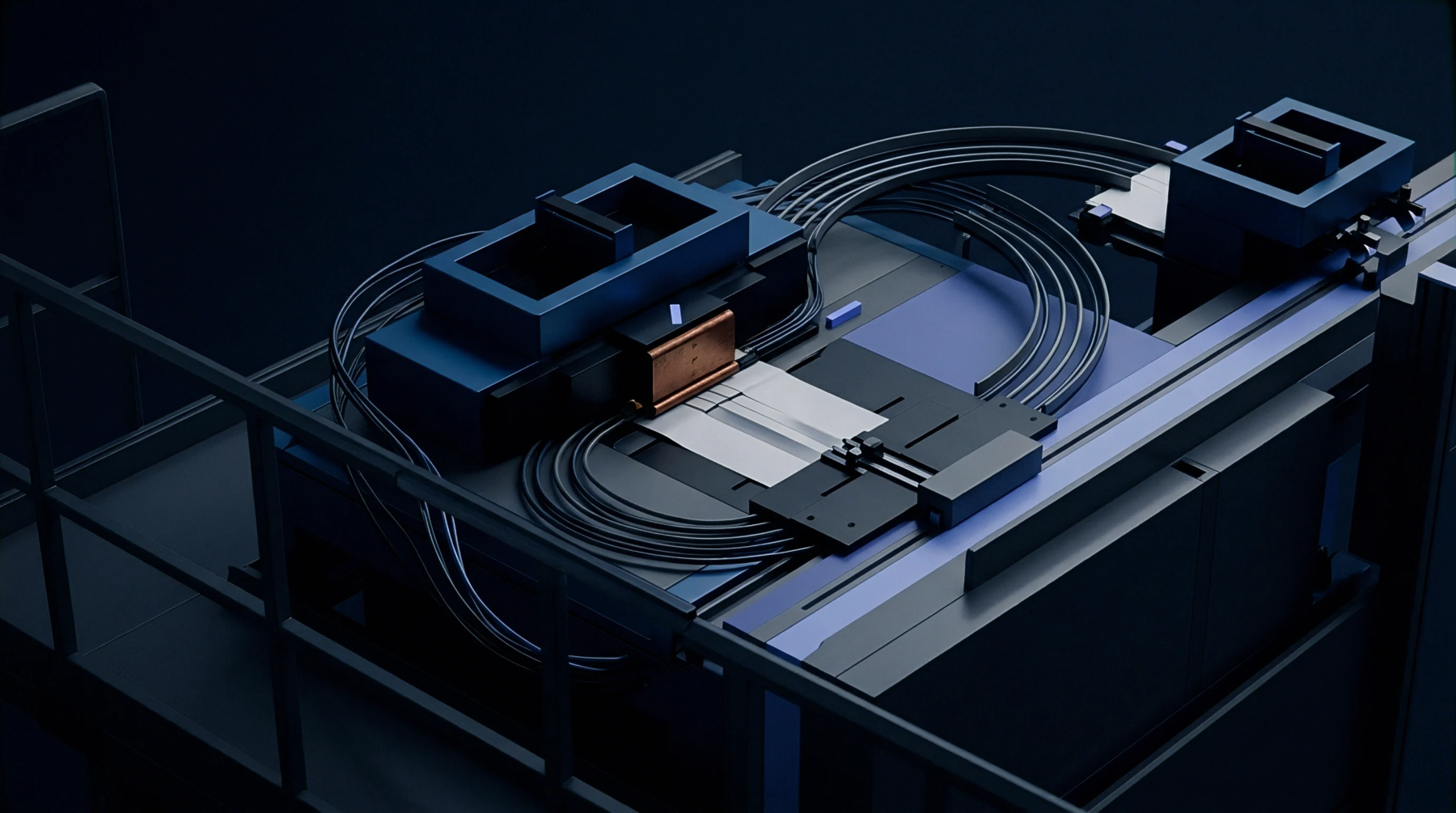
Boundary lubricant depletion during high-speed packaging stems from mechanical wiping exceeding diffusion replenishment, demanding non-migratory slip selection.

Optical specular light scattering drops as varnish micro-roughness exceeds wavelength dimensions, requiring precise rheological control and coat weight to maintain target gloss.
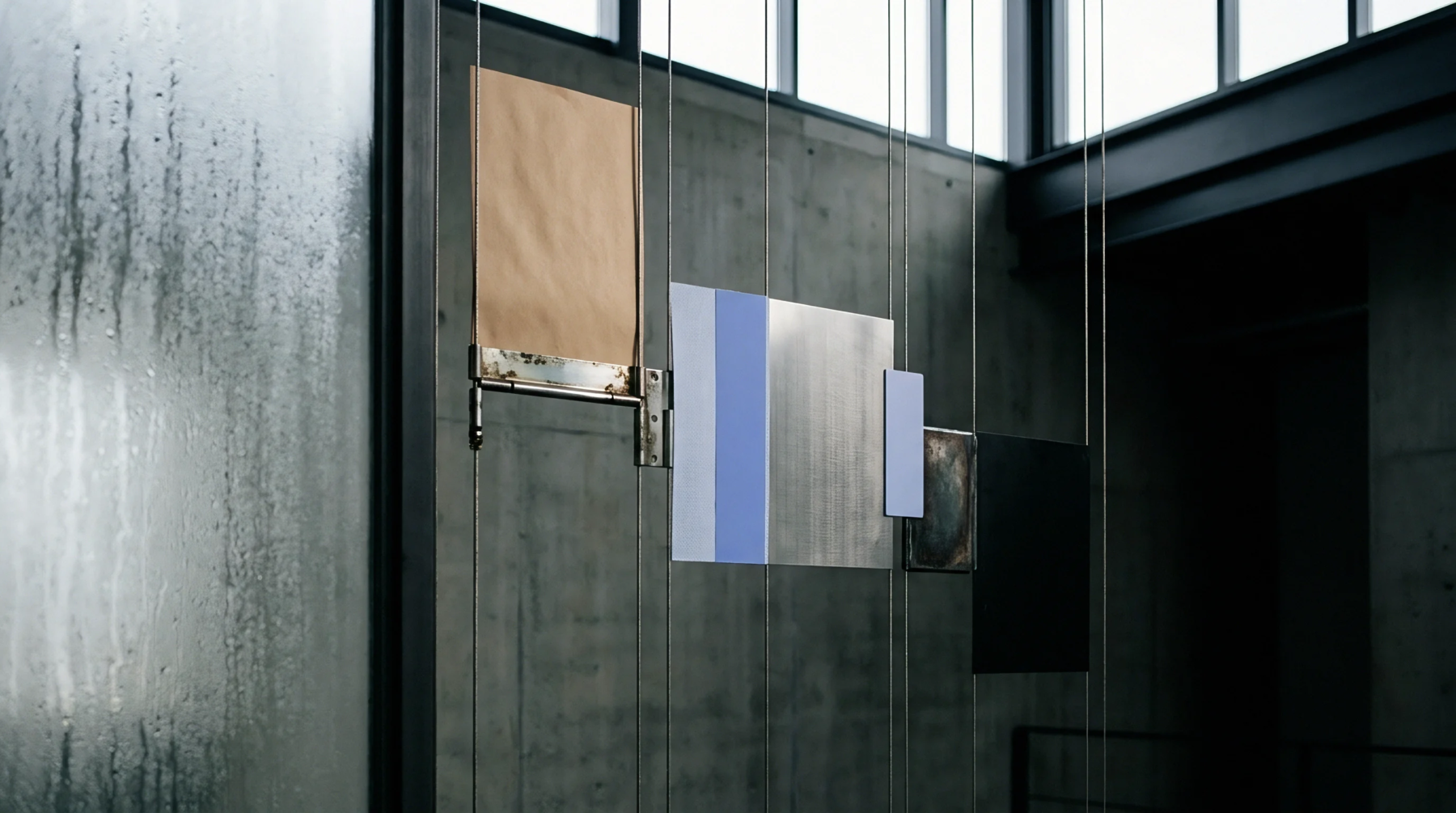
Friction cycles mechanically strip oxidized surface layers and accelerate polar group reorientation, causing rapid dyne loss across polyolefin films.
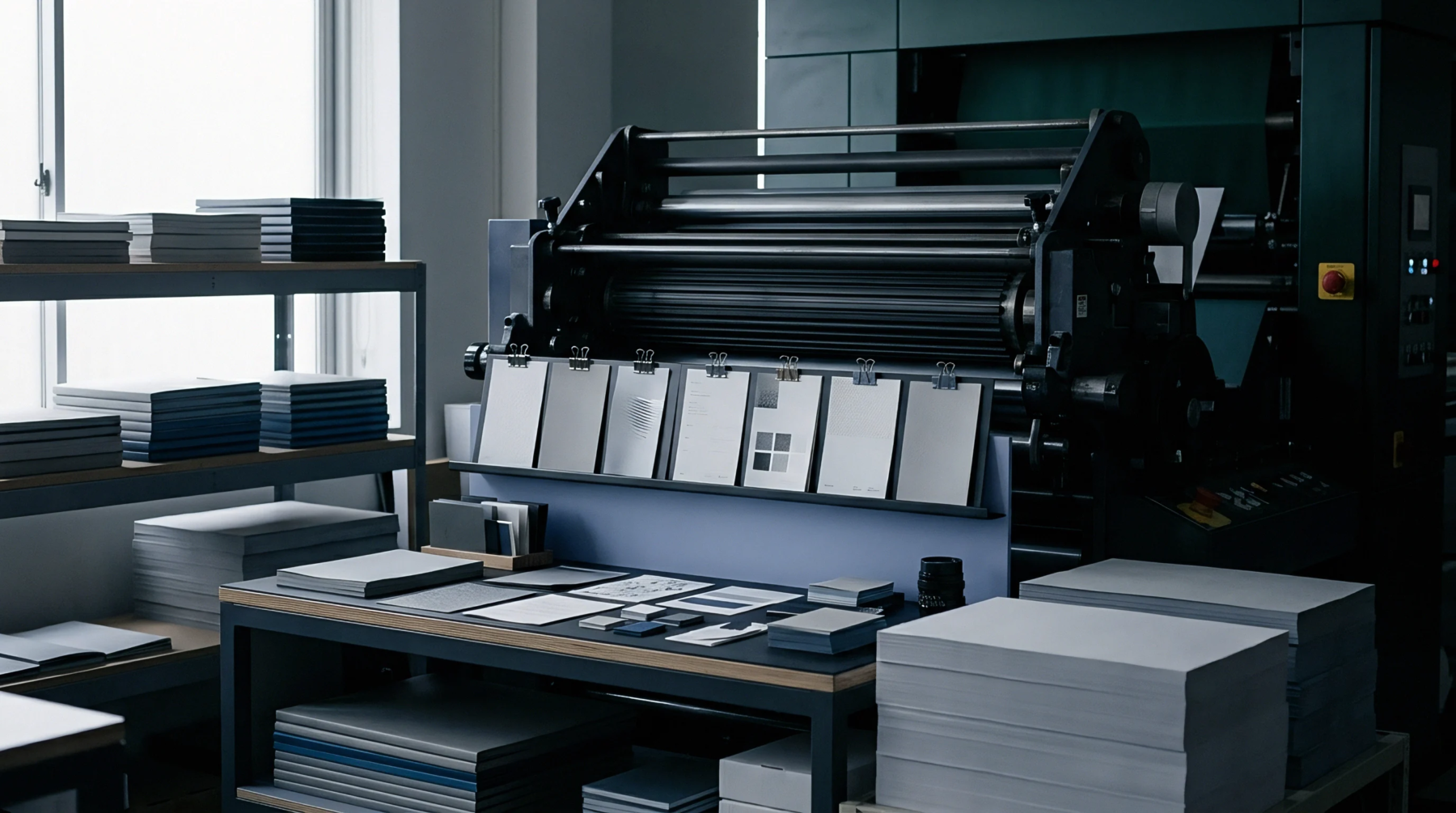
Quantitation of hydroxycyclohexyl phenyl ketone breakdown products requires HS-GC-MS targeting cyclohexanone below 0.01 mg/kg to prevent set-off food contact breaches.
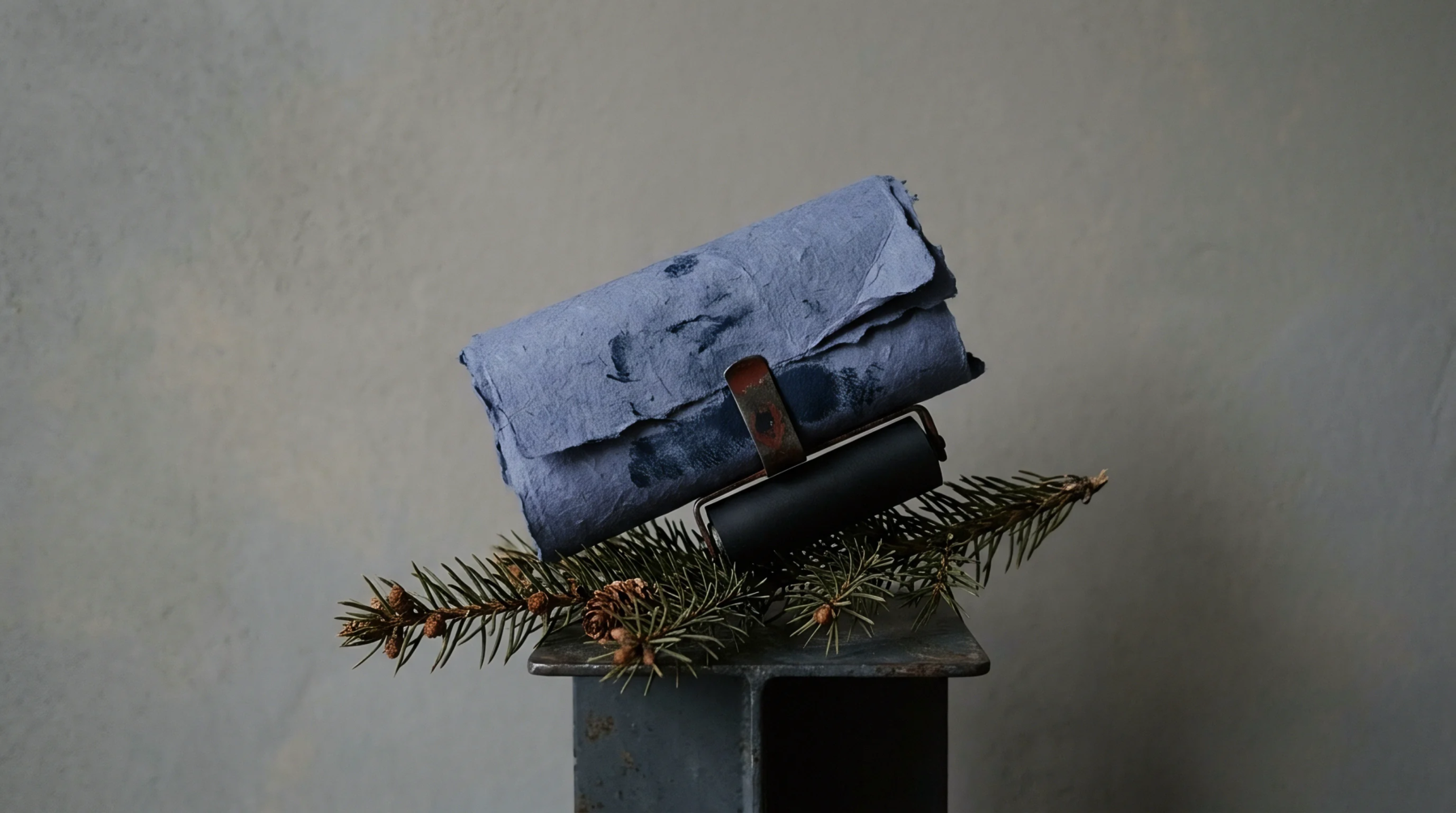
Non destructive laser thermoelastic mapping measures subsurface micro delamination dynamics in high speed barrier board scores without damaging surface coatings.
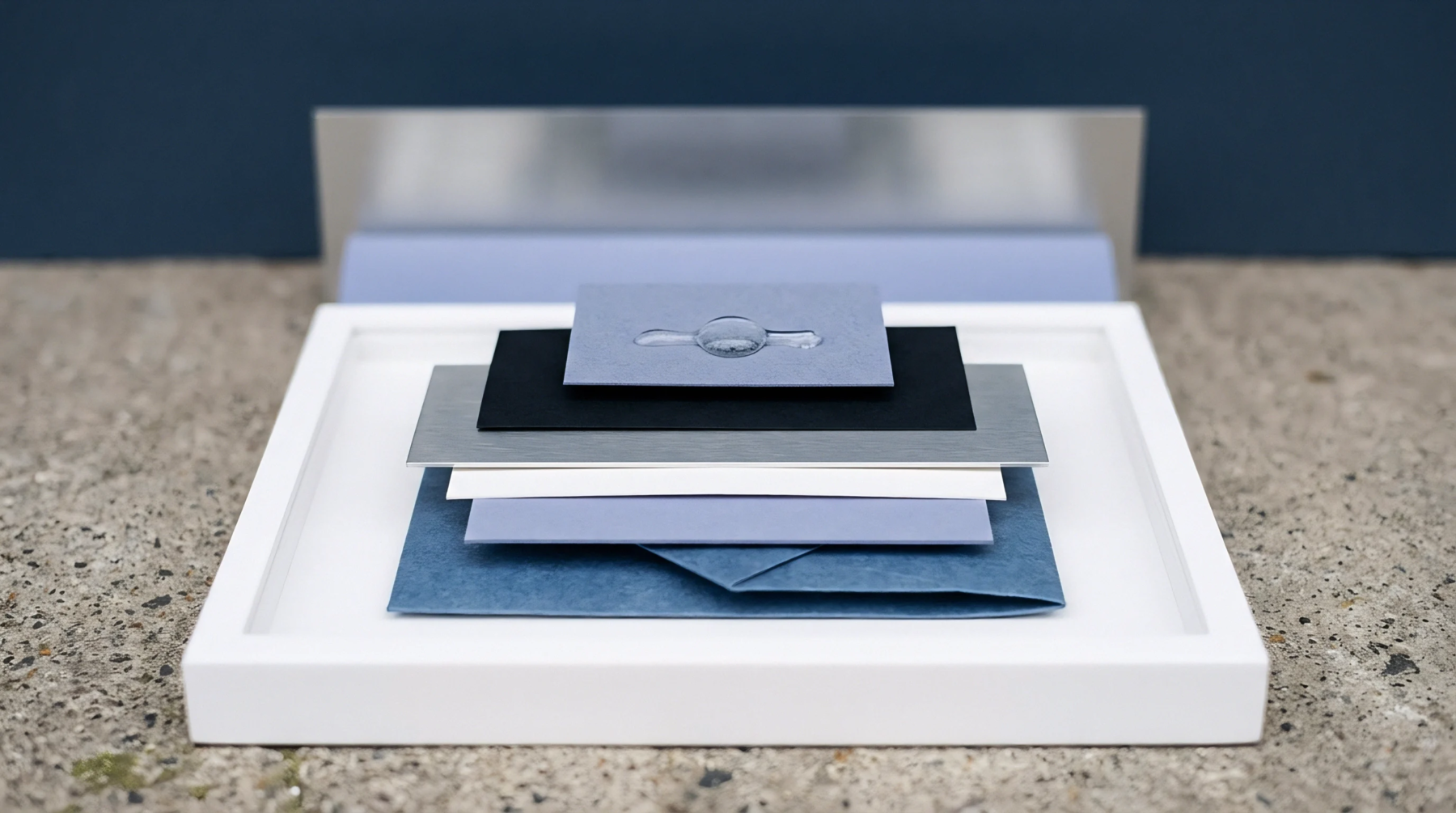
Acoustic impedance profiling detects multi-layer film debonding by measuring ultrasonic phase inversion and amplitude jumps caused by air voids at polymer boundaries.
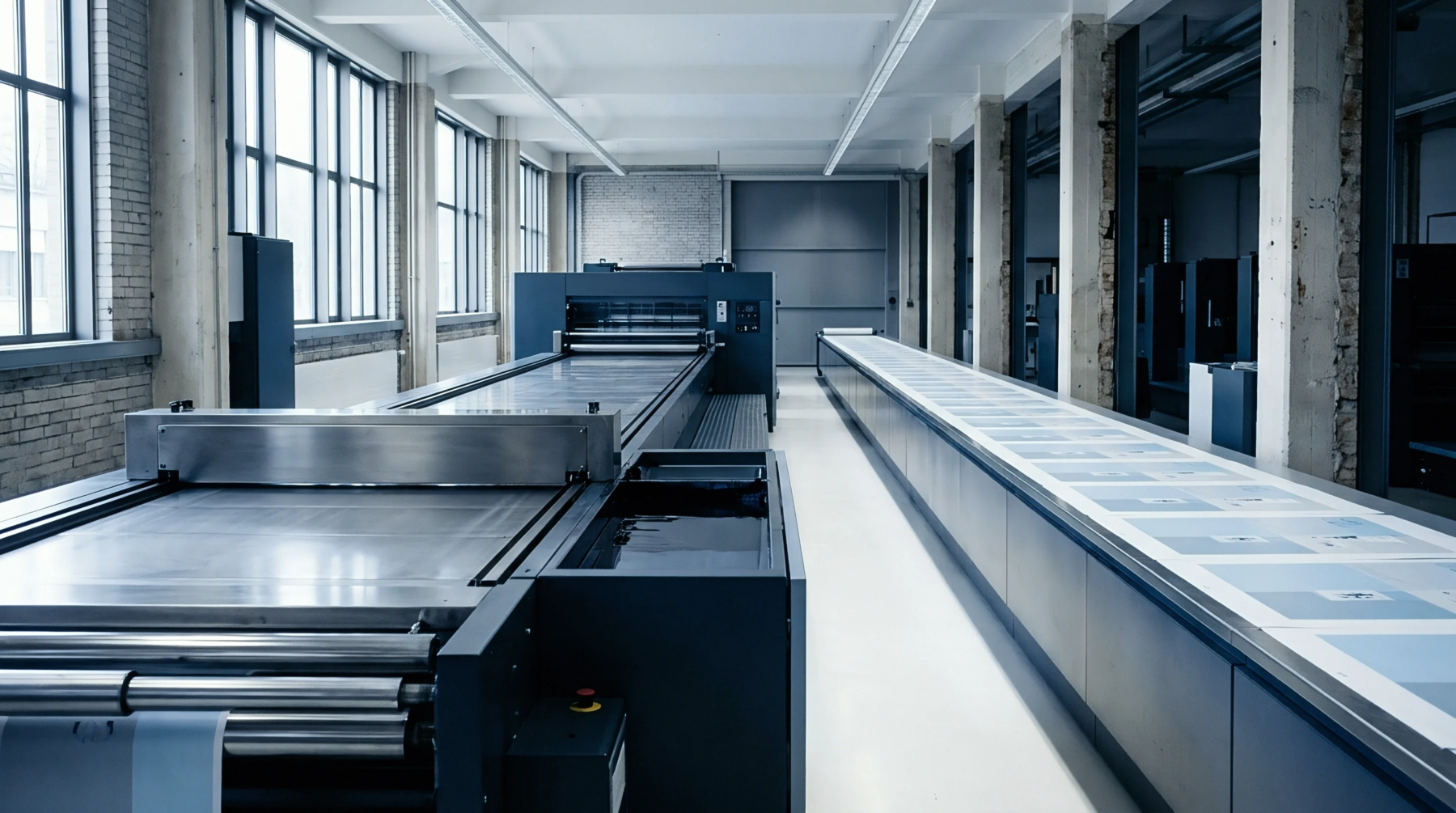
Inline ultrasonic testing verifies internal score delamination and folding resistance in real time, preventing visual surface cracking and high-speed erect jams.
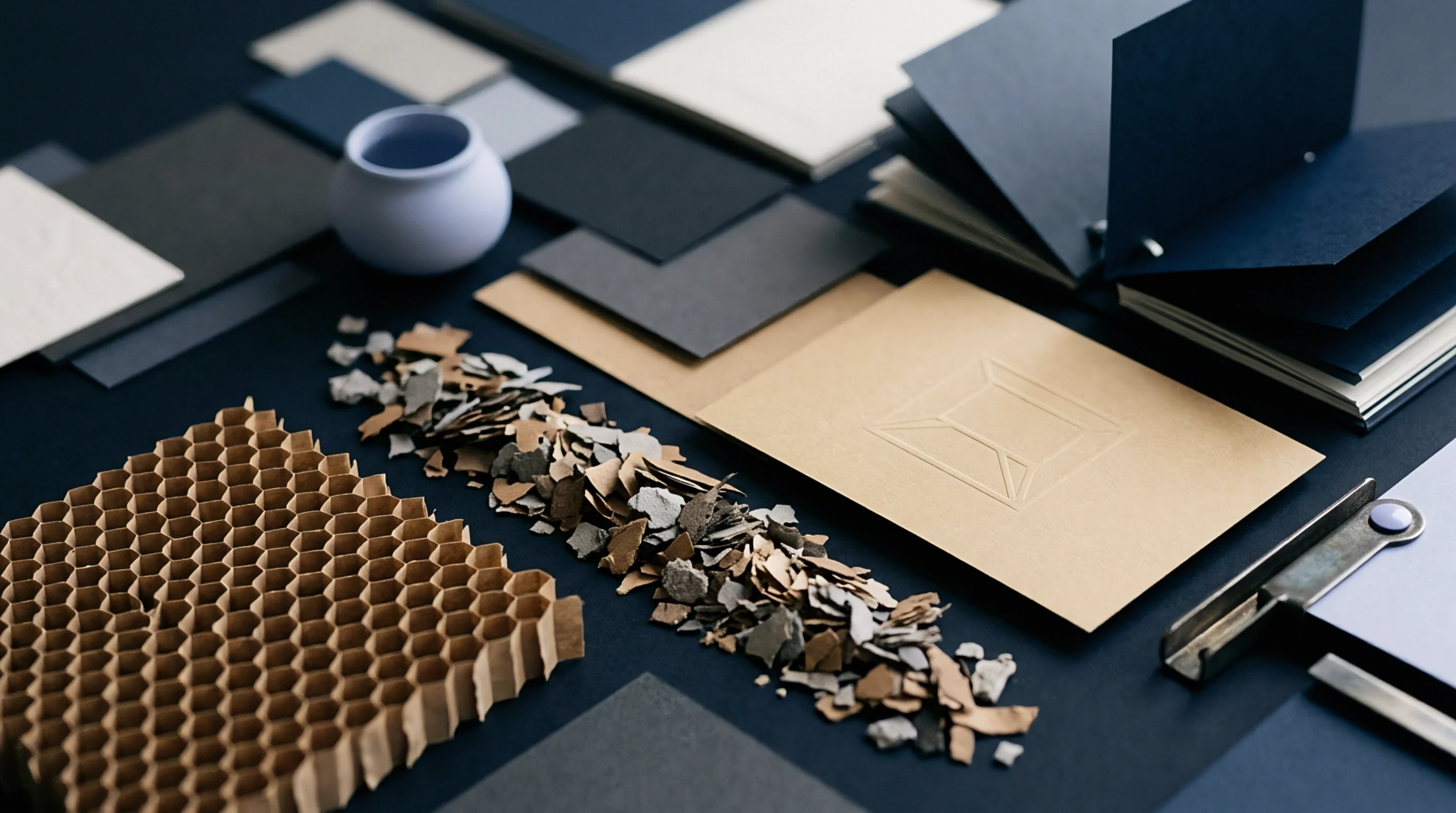
Rotary embossing squeeze flow displaces barrier coatings across die apexes, increasing pinhole density unless dwell times and die radii match polymer viscosity.
Calculate matrix channel width for co-extruded laminates using an expanded 1.65 to 1.85 board modifier plus rule gauge and double film thickness.
Calculating multi-layer film compressive strain demands iso-stress summation of individual layer elasticities to prevent localized barrier failure and seal thinning.
Predicting interfacial delamination thresholds in recycled boxboard requires quantifying Mode II shear fracture toughness and adjusting crease matrix channel dimensions to prevent hinge failure under cyclic loading.
Matte film lamination yields at 6 to 12 percent strain during high speed folding, causing micro-crazing that demands wider crease channels to prevent failure.
Calculate crease matrix width by multiplying uncoated cartonboard caliper by 1.5 and adding rule thickness, setting channel depth equal to board caliper.
Chromatographic identification couples GC-MS and LC-HRMS screening with Cramer classification to clear unidentified non intentionally added substances below 0.01 mg/kg.
Creasing modified latex barriers creates micro-fissures that accelerate migrant diffusion, requiring strain-matched polymer selection and standardized cell testing.
Single-sided cell exposure with calibrated ethanol-water media prevents artificial edge leaching and accurately isolates dispersion coating migration.
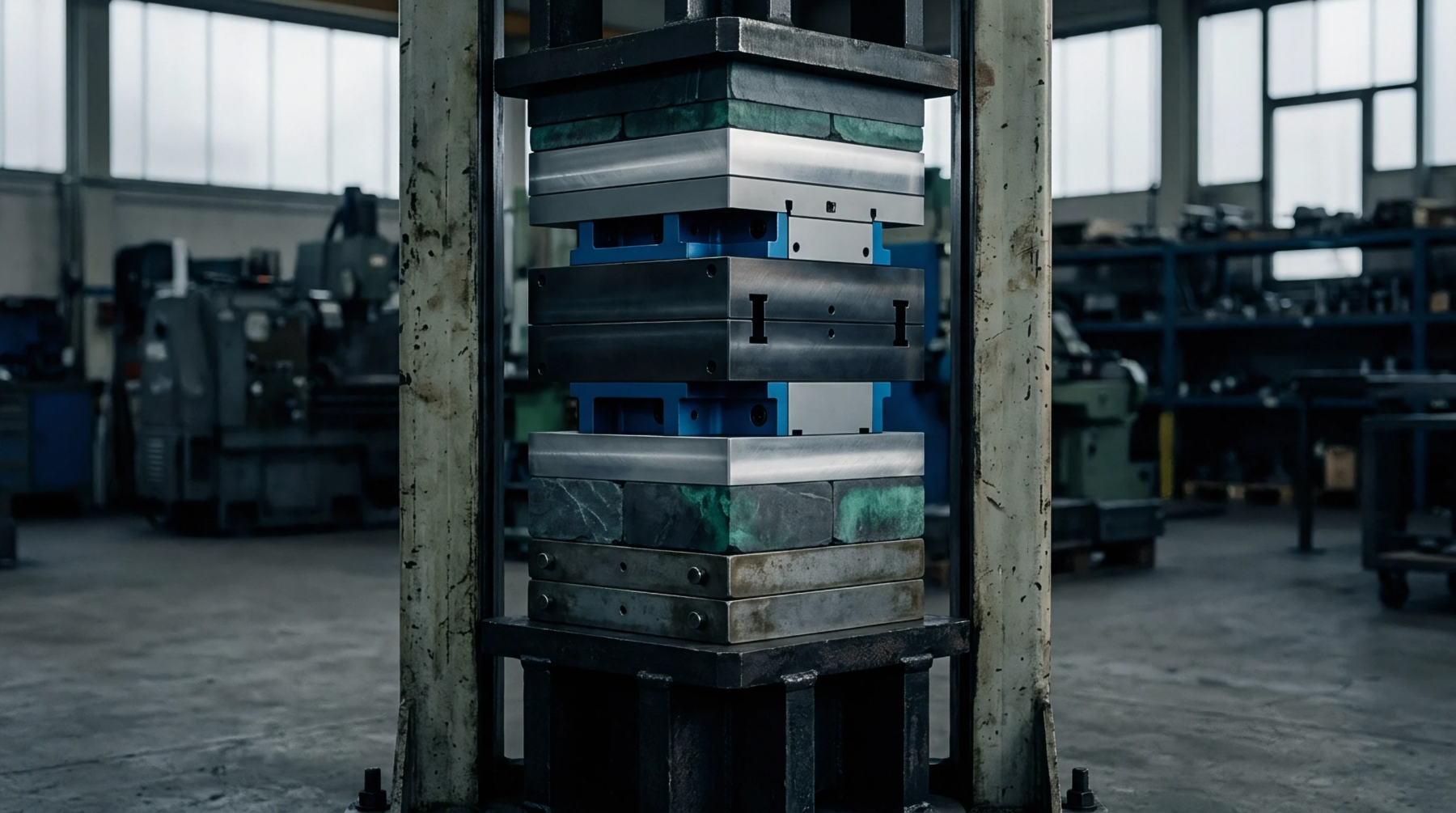
Predict dynamic thermal expansion and counterforce creep using alloy scaling factors and glass-transition temperature limits to maintain stamping register.
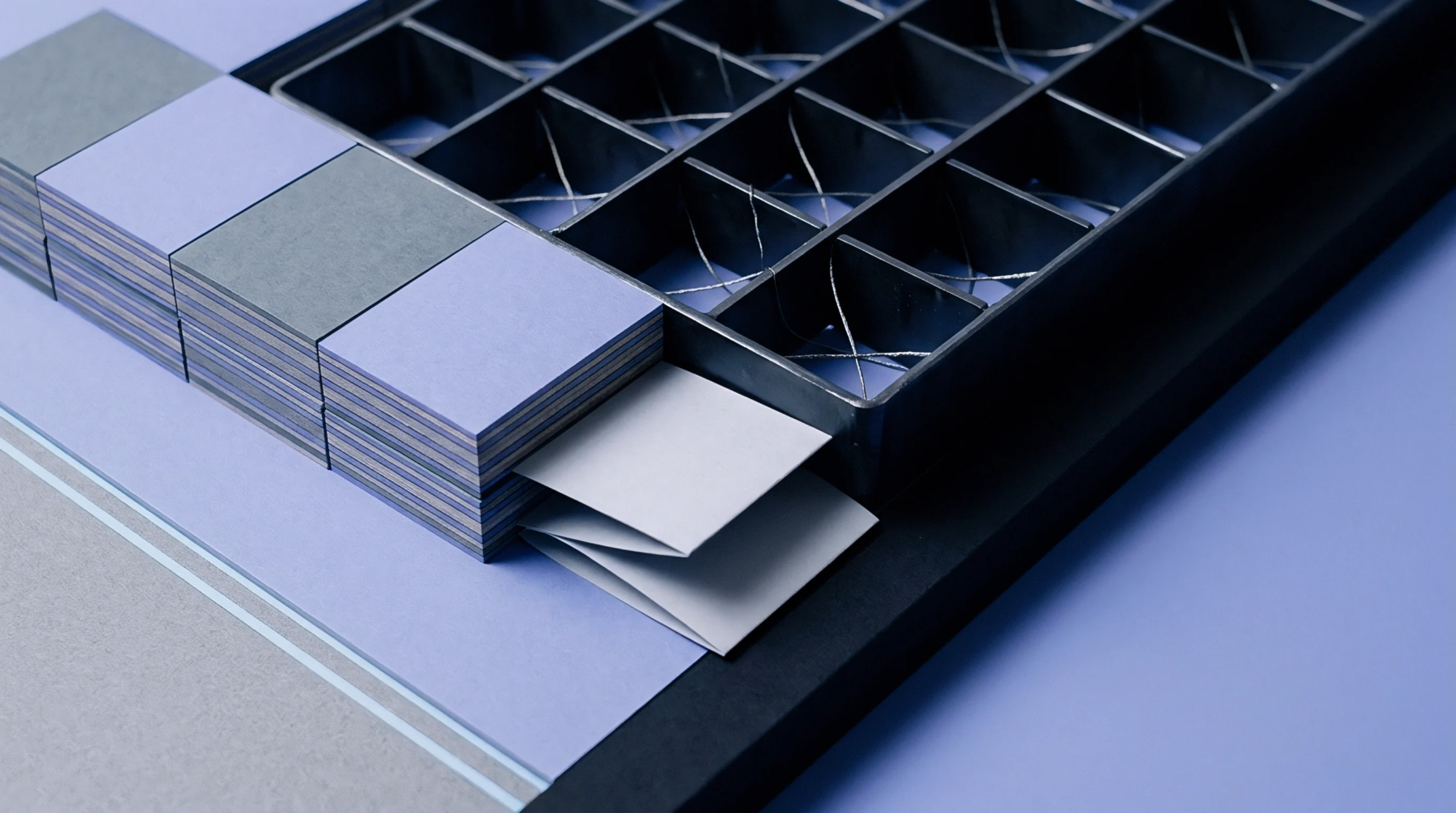
Counter die relief profiles for film laminated folding boxboard require expanding channel widths by twenty percent to prevent outer film shear tearing.
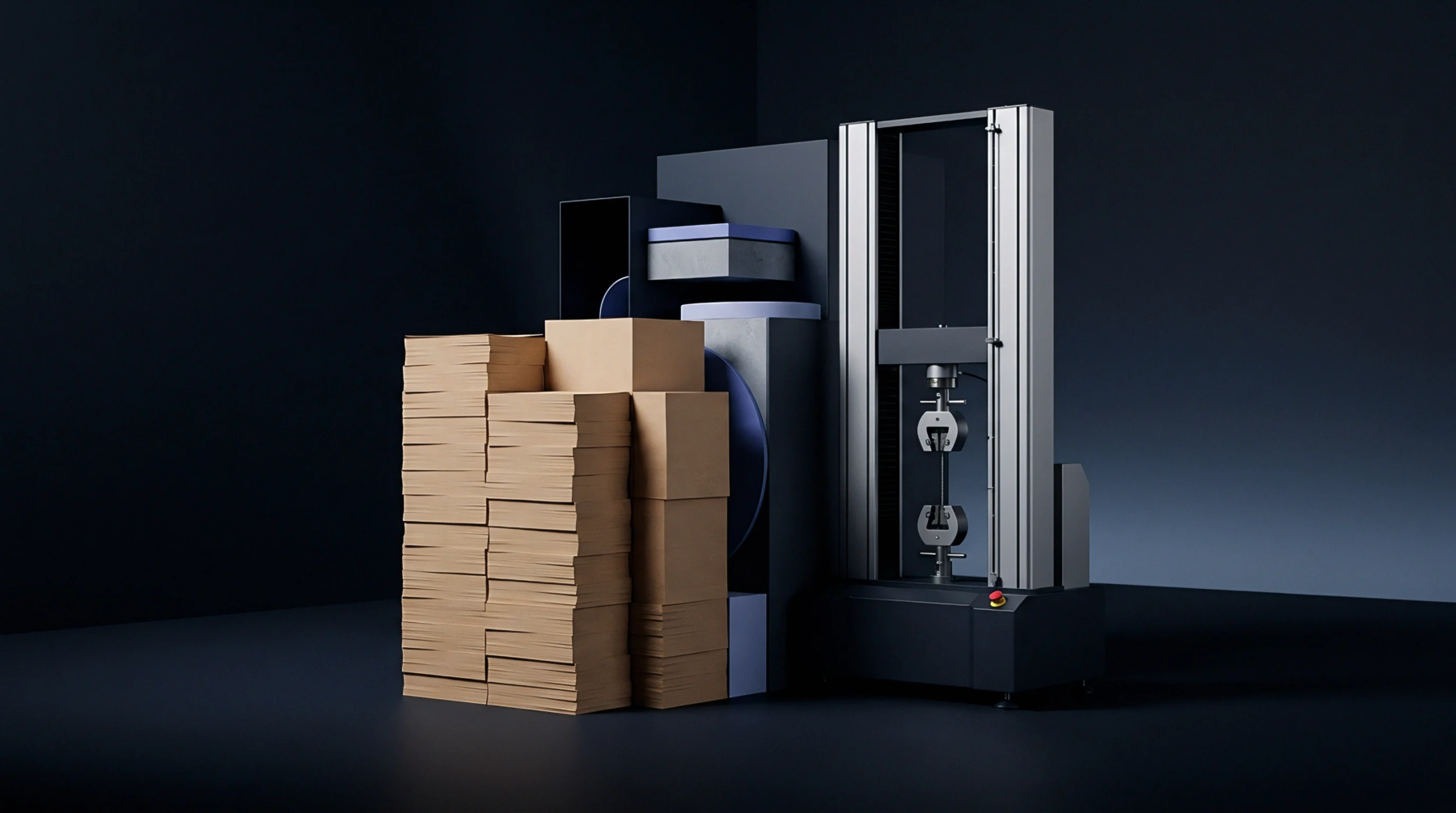
Substrate compression ratio measures z-axis compaction, balancing tool impression depth against fiber strain limits to maximize embossing height without shearing.
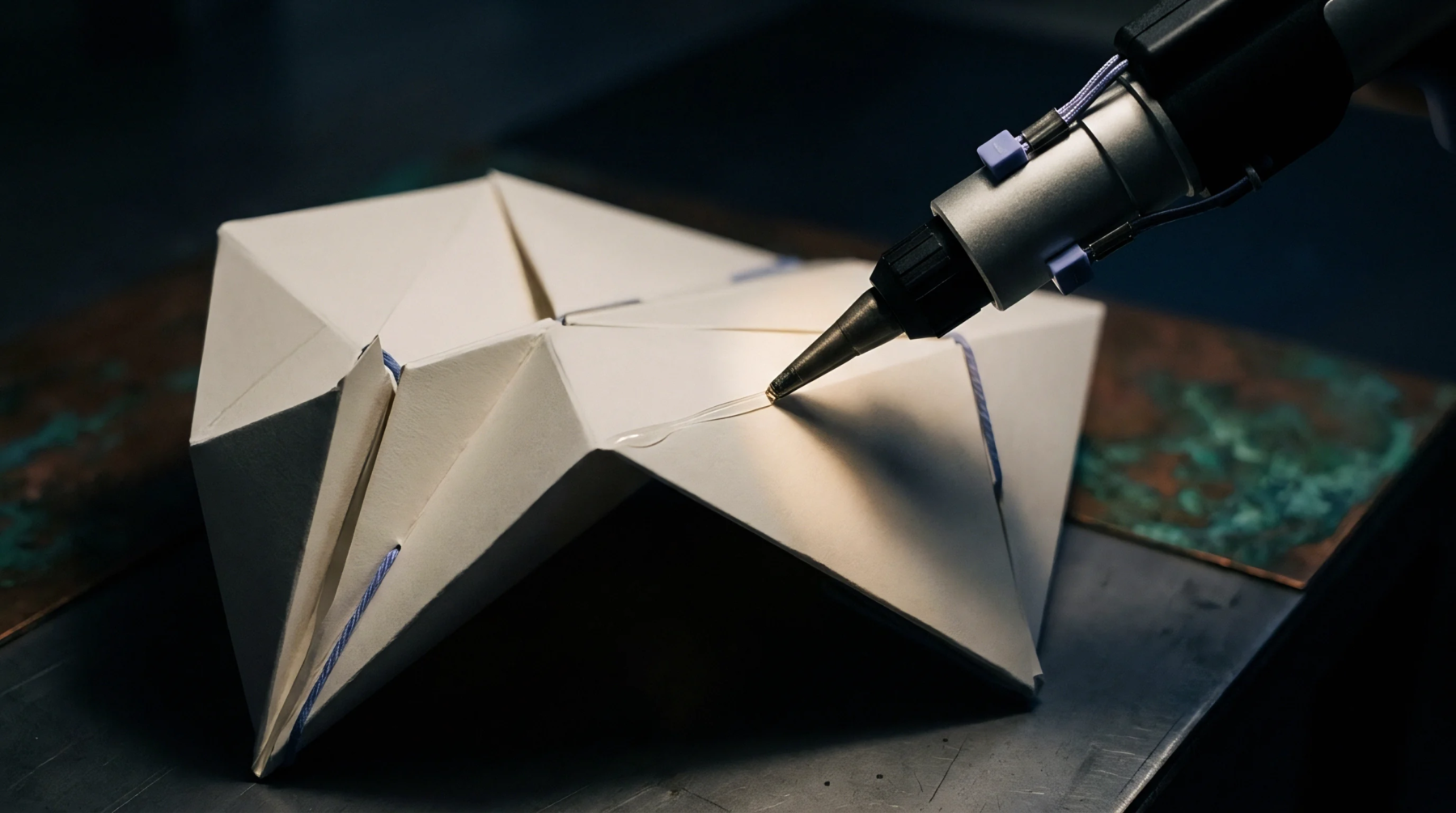
Polycarbonate polyurethane adhesives provide high fatigue limits and moisture resistance in barrier laminates by eliminating hydrolytic cleavage.
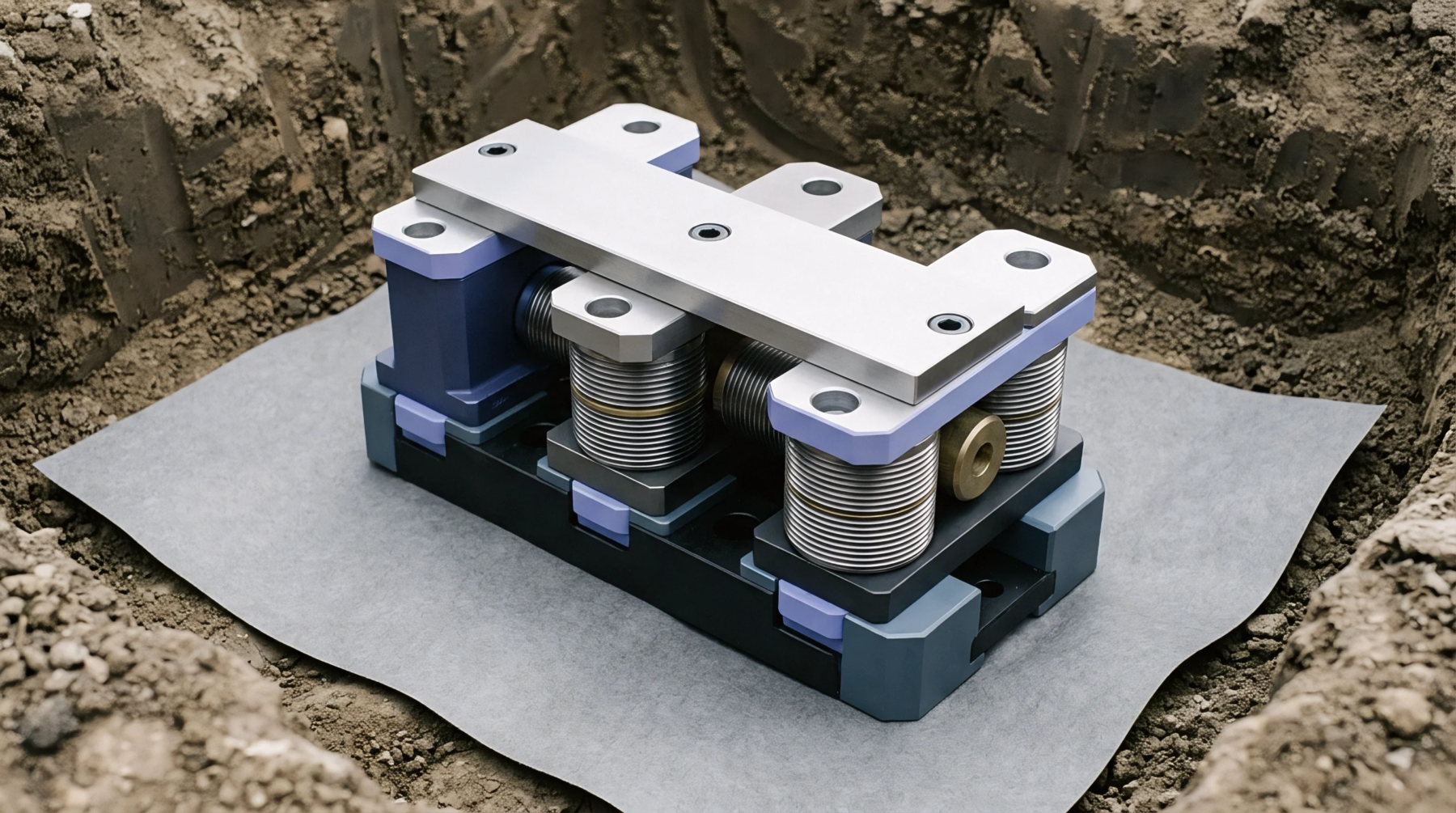
Hydrolytic scission in polyester polyurethane adhesives accelerates under dynamic heat and humidity, requiring polyether or aliphatic systems for shelf-stable barrier packaging.
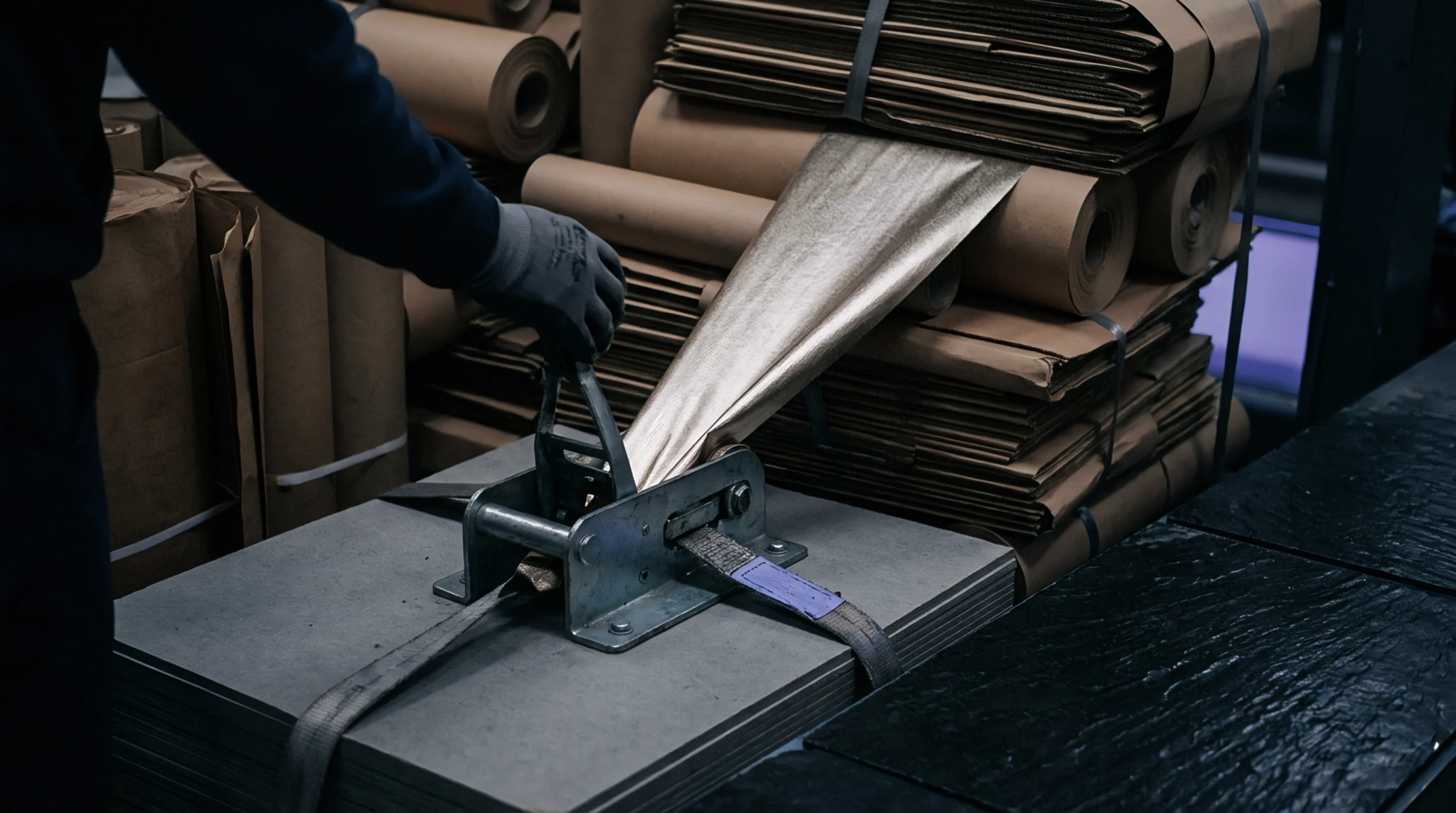
Polyurethane bond degradation in laminated flexible packaging is driven by Corona decay, slip amide migration, and moisture hydrolytic cleavage at film boundaries
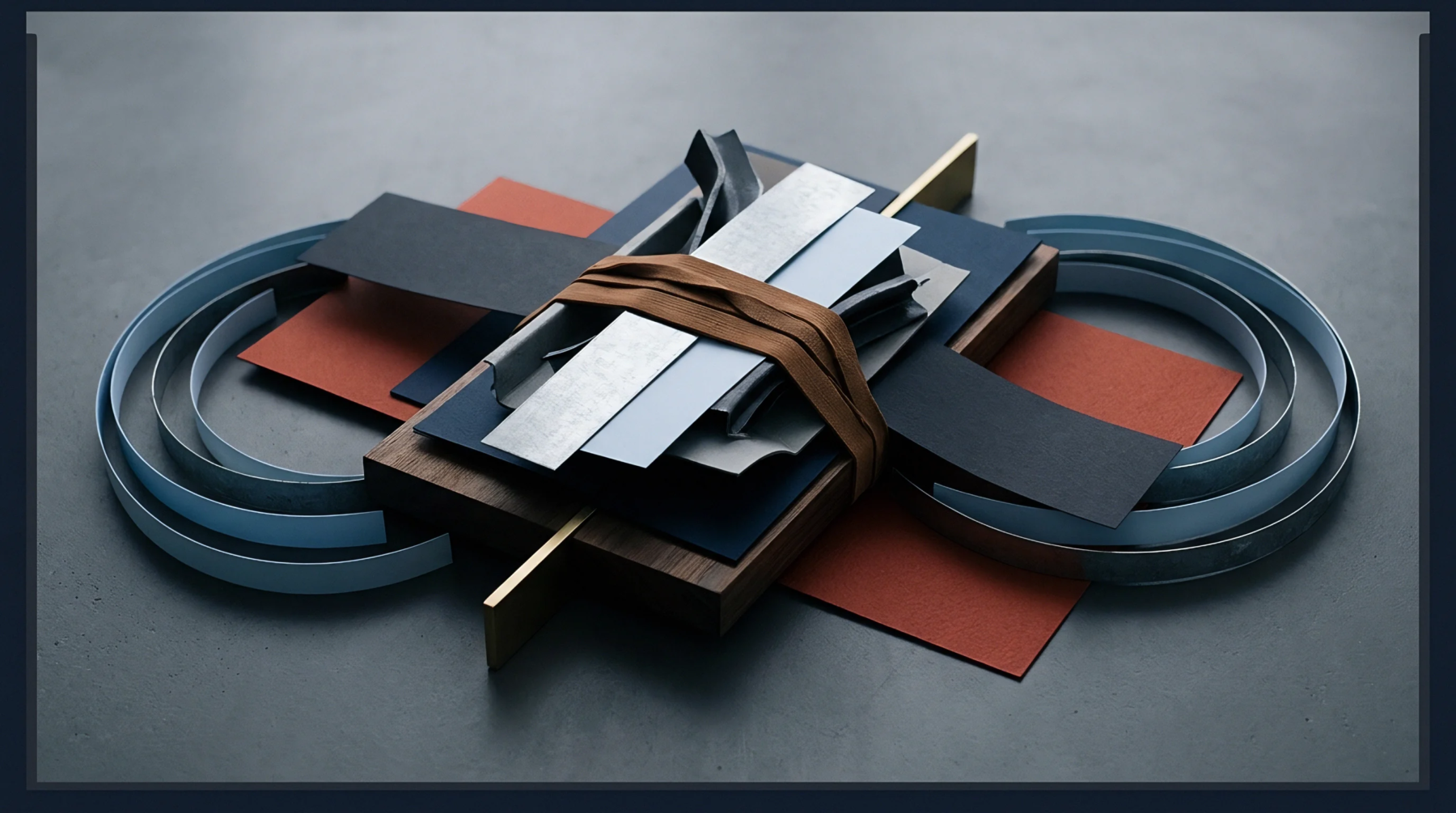
Dynamic relative humidity cycling accelerates compressive creep strain and drives interlaminar delamination kinetics in recycled board packaging stacks.
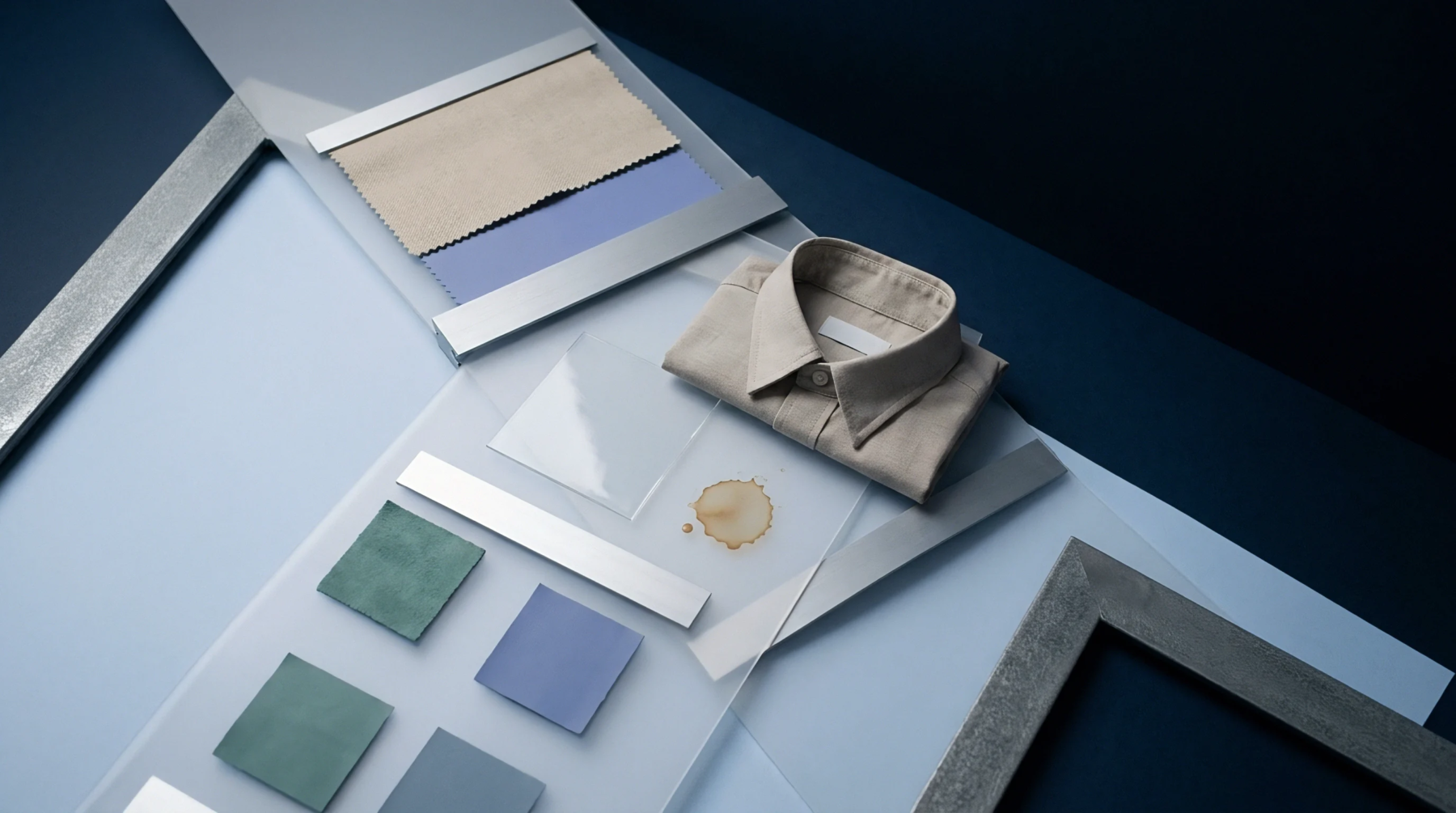
Interfacial fracture toughness in laminated paperboard depends on substrate z-direction fiber strength, controlled corona energy, and scoreline strain management.

Viscoelastic creep in cellulosic matrices accelerates under humidity cycling, reducing long-term compression strength and requiring calibrated safety margins.
Expertise is a utility, not a secret. sentiention™ publishes its working knowledge as open reference: intelligence layer covering the materials it sources, the markets it enters, and the reference that serves both.