Interfacial Bond Degradation in Laminated Flexible Packaging Film
Polyurethane bond degradation in laminated flexible packaging is driven by Corona decay, slip amide migration, and moisture hydrolytic cleavage at film boundaries
Bond
Interfacial destruction in multi-ply flexible packaging occurs at the nanometer-scale boundary between polymeric films and crosslinked polyurethane resins. Secondary chemical reactions, localized stress, and additive migration compromise the structural continuous phase holding adjacent web layers together. When two polymer layers separate under ambient or thermal stress, the root cause is usually inadequate surface preparation, stoichiometry imbalances during adhesive application, or phase separation along the contact boundary.
Corona treatment provides the surface energy necessary for wet adhesive wetting across non-polar polyolefin webs. Extruded polyethylene and polypropylene films possess low surface energy, typically between 30 and 32 dynes per centimeter. Applying a high-voltage electrical discharge oxidizes the surface, introducing hydroxyl, carbonyl, and carboxyl functional groups that elevate surface energy above 42 dynes per centimeter.
This surface energy decays rapidly during storage due to polymer chain relaxation and internal additive migration. When surface energy drops below 38 dynes per centimeter before lamination, complete chemical wetting fails. The liquid adhesive bead cannot establish molecular contact, trapping micro-voids of air that initiate localized delamination points under mechanical shear.

Interfacial Thermodynamics and Boundary Layers
Thermodynamic adhesion relies on covalent bonding across the interface coupled with hydrogen bonding and van der Waals interactions. Polyurethane adhesives utilize terminal isocyanate groups to react with active hydrogen sites generated by Corona treatment on the film surface. When these linkages form across a clean substrate, interfacial bond strength exceeds the yield strength of the film itself.
Introducing low-molecular-weight species destroys this continuity, creating a weak boundary layer where mechanical resistance drops to near zero.
Polyurethane adhesives applied to polyolefin films without adequate Corona treatment degrade rapidly at the substrate boundary regardless of total coating weight.
Moisture breaks down these crosslinked polymeric networks directly. Atmospheric water vapor penetrating through sealant film layers reacts with unreacted aliphatic or aromatic isocyanate groups remaining in the matrix. This reaction yields carbamic acid intermediates, which spontaneously decompose into polyurea linkages and carbon dioxide gas.
Off-gassing carbon dioxide at the interface forms micro-bubbles that reduce physical surface contact, while concurrent hydrolytic attack cleaves ester bonds within the cured polyurethane backbone, lowering molecular weight and turning a flexible crosslinked elastomer into an amorphous resin.
Fatty Acid Amide Migration Kinetics
Slip additives blended into polyolefin resins constantly threaten long-term interfacial strength. Erucamide and oleamide are incorporated into polyethylene resin formulations at concentrations between 500 and 1500 parts per million to reduce friction during bag converting. These unsaturated fatty acid amides remain mobile within the amorphous polymer matrix.
Over ambient curing periods, amide molecules migrate to the film surface and accumulate directly at the polyurethane contact layer.
- Erucamide blooming at the interface forms a physical lubricant layer that prevents polyurethane resins from anchoring to oxidized polyolefin sites.
- Oleamide phase separation creates crystalline domains within the uncured adhesive line, introducing localized stress points under web tension.
- Corona energy decay accelerates when migrated amides mask surface functional groups, dropping film surface energy below wetting thresholds.
- Hydrolytic cleavage of polyurethane ester links accelerates under acidic food contact conditions, resulting in rapid bond destruction.
Converting plants frequently attribute boundary failure to uncalibrated Corona discharge units at the film extrusion plant rather than addressing internal adhesive stoichiometry drift.


Foil
Flexible barrier packaging that uses solid metal sheets or vacuum-deposited aluminum plies degrades through distinct interfacial paths driven by oxide hydration and chemical attack. Aluminum metal layers, standardly specified at thicknesses between 6.3 and 9 microns for high-barrier food and pharmaceutical packaging, provide zero permeability to moisture and oxygen. However, the interface between the outer metal oxide layer and the laminating adhesive remains vulnerable to chemical separation when exposed to acidic condensates or aggressive liquid fills.
Freshly rolled aluminum develops a thin, passive aluminum oxide skin upon exposure to air. This oxide layer acts as the anchor surface for primer coats and polyurethane adhesives. Moisture vapor migrating through outer polymer films initiates a hydration reaction that transforms the stable oxide into aluminum hydroxide and pseudo-boehmite structures.
This hydrated layer has poor cohesive strength; under physical strain or moisture cycling, it splits internally and detaches the protective adhesive matrix from the core metal substrate.
Oxide Layer Hydration Dynamics
Chemical attack by package contents is a major cause of failure in metallic laminates. Food products containing organic acids, such as acetic, citric, or lactic acid, generate volatile vapors that diffuse through inner polyethylene or polypropylene seal layers. Upon reaching the aluminum surface, acidic molecules react directly with the metal oxide interface to produce aluminum salts and hydrogen gas.
Trapped gas forces physical separation between metal foil and adhesive film, causing widespread surface blistering and total bond failure.
| Substrate Laminate Combination | Target Coating Weight (g/m²) | Initial Peel Strength (N/15mm) | Conditioned Peel Strength (N/15mm) | Dominant Separation Mode |
|---|---|---|---|---|
| PET (12µm) / PE (50µm) | 1.6 – 1.8 | 3.5 – 4.2 | 2.8 – 3.4 | Cohesive adhesive layer split |
| PET (12µm) / Alu Foil (7µm) / OPA (15µm) / CPP (70µm) | 3.2 – 3.8 | 6.5 – 8.0 | 1.2 – 2.0 | Interfacial oxide hydration failure |
| BOPP (20µm) / MET-PET (12µm) / PE (40µm) | 1.4 – 1.6 | 2.2 – 3.0 | 0.5 – 1.1 | Metal transfer to adhesive matrix |
| OPA (15µm) / PE (60µm) | 2.0 – 2.4 | 5.0 – 6.2 | 4.1 – 5.0 | Substrate film yield elongation |
| Conditioning parameters: 14 days storage at 40°C and 90% Relative Humidity in acidic food simulant (3% acetic acid). Peel testing conducted according to ASTM F904 at 300 mm/min. | ||||
Metallized Film Vacuum Deposition Defects
Vacuum-metallized films, such as MET-PET or MET-BOPP, degrade differently than solid foil. Aluminum evaporated in a vacuum chamber deposits onto polyester film at coat weights between 10 and 50 nanometers. Adhesion between the deposited aluminum atoms and the base film depends entirely on physical deposition energy and mechanical keying.
Excess web moisture during vacuum coating creates a weak, under-oxidized metal deposit.
Adhesion failures in metallized laminates usually show up as complete metal transfer. When peeled, the ultra-thin aluminum deposit strips entirely off the polyester base film and stays attached to the adhesive phase. This indicates that the metal-to-adhesive bond strength exceeded the metal-to-base-film bond.
Optimizing plasma pre-treatment inside the metallizing chamber raises base film bonding energy, preventing inter-layer metal stripping during package handling.
Metallic barrier plies subjected to acidic contents require aliphatic ester adhesives to resist interfacial oxide cleavage.

Solvent
Coating application metrics and volatile evaporation kinetics dictate the structural density of crosslinked polyurethane networks. Converting lines run either solvent-borne systems, typically diluted with ethyl acetate, or 100 percent solid solventless adhesives. Each technology sets specific limits on coat weight control, pot life management, and curing schedules.
Imbalances in chemical metering directly compromise final bond strength.
Solventless laminators use multi-roll metering stacks heated between 40°C and 60°C to lower adhesive viscosity. Target coat weight for solventless systems is narrow, generally between 1.2 and 2.0 grams per square meter. Running below 1.2 grams per square meter starves the interface, leaving inadequate contact area across rough or printed film surfaces.
Exceeding 2.2 grams per square meter slows the reaction speed of two-component polyurethane formulations, forcing adhesive squeeze-out into heat-seal zones.

Metering Roll Viscosity Control across Shifts
Stoichiometric balance between the isocyanate (NCO) component and the hydroxyl (OH) polyol component governs crosslinking density. Errors altering the specified NCO to OH ratio by more than five percent disrupt network formation. Excess polyol leaves unreacted hydroxyl groups, creating a soft, tacky adhesive film that fails cohesively under low force.
Excess isocyanate increases matrix brittleness and reacts with ambient humidity in curing rooms, generating carbon dioxide bubbles that weaken interfacial anchorage.
Residual ethyl acetate trapped inside flexible laminates above 10 milligrams per square meter suppresses complete polyurethane crosslinking and drops initial bond strength by 40 percent.
Solvent-borne systems require precise drying tunnel temperature profiles to drive off carrier liquids before web nip combination. Oven zones set at progressive temperatures, such as 60°C, 70°C, and 80°C, evaporate ethyl acetate without forming a dry surface skin over the liquid adhesive layer. Skinning traps residual solvent inside the coating, where it acts as a plasticizer, lowering the glass transition temperature of the cured resin and impairing thermal stability during subsequent packaging operations.
Residual Volatile Entrapment and Plasticization
Balancing line speed against drying tunnel exhaust volumes prevents solvent entrapment. Web running speeds above 350 meters per minute shorten residence time inside drying chambers, increasing the likelihood of residual solvent retention. Retained solvent above acceptable limits severely inhibits chemical crosslinking during room curing.
- Verify adhesive mix ratios using automated gear pump dosing systems equipped with mass flow meters before filling application reservoirs.
- Monitor roll temperatures across metering stacks with infrared sensors to hold adhesive viscosity within a five percent window.
- Check drying tunnel air velocities using hot-wire anemometers to guarantee turbulent airflow across the evaporating web surface.
- Measure residual solvent levels via gas chromatography directly from first-off roll samples before authorizing production runs.
Purchase dockets referencing ISO 13341 specify a maximum allowable residual ethyl acetate threshold of 5 milligrams per square meter, automatically voiding lot acceptance if exceeded.

Heat
Thermal processing during retort sterilization subjects multi-layer flexible packaging to severe hydrolytic and thermomechanical stress. Sterilization cycles run at 121°C for 30 minutes or 134°C for 45 minutes force high-pressure steam against outer packaging layers. Under these conditions, water vapor transmission rates surge.
Steam diffuses rapidly through outer polymer films to the crosslinked adhesive interface while the package remains under expansion stress.
Thermal expansion mismatches across adjacent substrate plies generate heavy interfacial shear stress during heating and cooling ramps. Aluminum foil exhibits a thermal expansion coefficient of approximately 23 x 10^-6 per Kelvin, whereas cast polypropylene expands at rates exceeding 150 x 10^-6 per Kelvin. As retort temperatures climb, the plastic sealant ply expands at six times the rate of the adjacent aluminum foil.
This differential movement generates high shear stress at the adhesive line, driving crack propagation along pre-existing micro-voids.
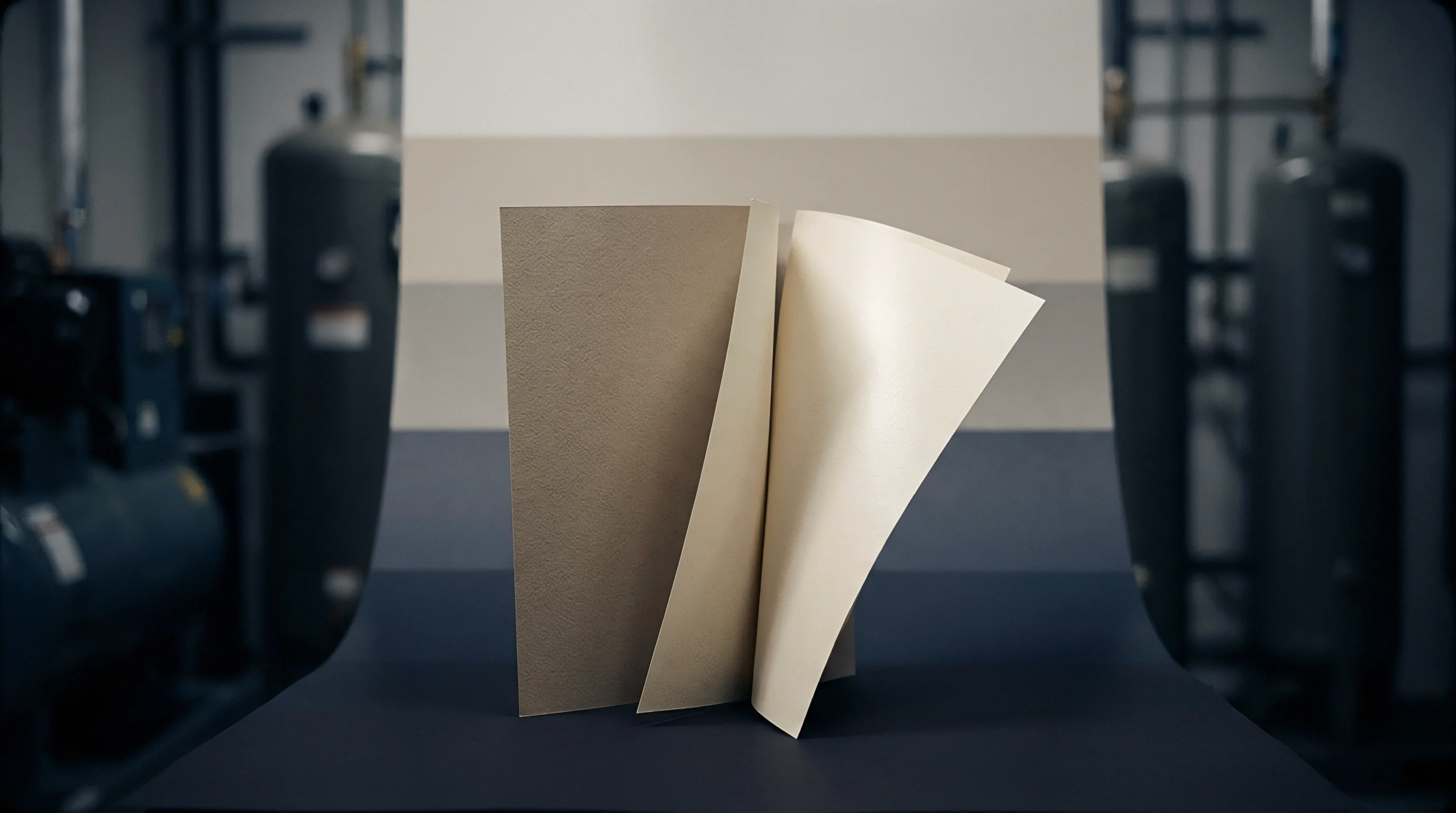
Retort Sterilization Thermal Shear Stress
Hydrolytic degradation of polyurethanes accelerates under high-temperature steam. Polyester-based polyurethanes, chosen for high initial bond strength, contain internal ester linkages vulnerable to nucleophilic attack by water molecules. Hydrolysis cleaves the polymer chains, converting high-molecular-weight elastomers into short oligomers.
This chain scission drops cohesive strength, causing packages to delaminate under internal pressure generated during steam sterilization.
| Adhesive Polymer Chemistry | Test Conditioning Environment | Initial Peel Force (N/15mm) | Retained Peel Force (N/15mm) | Bond Retention Percentage (%) |
|---|---|---|---|---|
| Standard Aromatic Polyester Polyurethane | 121°C Steam / 30 Min Retort | 5.2 | 1.1 | 21.1 |
| Aliphatic Polyether Polyurethane | 121°C Steam / 30 Min Retort | 4.8 | 4.2 | 87.5 |
| High-Performance Modifiable Polycarbonate Polyurethane | 134°C Steam / 45 Min Retort | 6.0 | 5.4 | 90.0 |
| Standard Solventless Polyether Polyurethane | 85°C Hot Fill / 60 Min Hold | 3.8 | 2.1 | 55.2 |

Hydrolytic Degradation Kinetics of Ester Polyurethanes
Polyether-based and polycarbonate-based polyurethanes offer significantly higher hydrolytic stability than standard polyester formulations. Polyether linkages resist nucleophilic cleavage by water at temperatures up to 135°C. Substituting polyether or specialized aliphatic hard-segment resins into adhesive formulations preserves interfacial integrity throughout retort processing. However, polyether chemistries show lower initial bond strength on metallic substrates compared to polyester options, requiring precise resin modification to achieve balanced performance.
Retort packaging specifications governed by ISO 11339 reject any laminate batch whose interfacial peel force drops below 3.5 Newtons per 15 millimeters after 45 minutes at 121 degrees Celsius.
Uncured resins migrate easily under thermal stress. Unreacted monomeric species remaining in the adhesive layer gain mobility at retort temperatures, diffusing toward package contact faces and risking food safety non-compliance.
Ignoring thermal expansion mismatches during retort cycle selection leads to total seal wall separation and post-sterilization package destruction across the entire production batch.


Decay
Quantifying interfacial performance loss requires standardized mechanical peel testing matched with microscopic analysis of separated surfaces. Testing protocols establish baseline adhesion levels and isolate root causes of field failures. Peel strength measurement alone provides an incomplete picture unless combined with clear failure mode categorization.
Standard peel testing according to ASTM F904 or ISO 11339 uses a universal testing machine operating at a constant crosshead speed of 300 millimeters per minute. Test strips prepared at a standard width of 15 millimeters are peeled in either a 90-degree or 180-degree geometry. The recorded force profile yields peak, minimum, and average force across the peeled distance.
Low average peel values with smooth force curves indicate clean interfacial separation. High average force accompanied by erratic stick-slip traces indicates strong chemical bonding alongside localized substrate deformation.
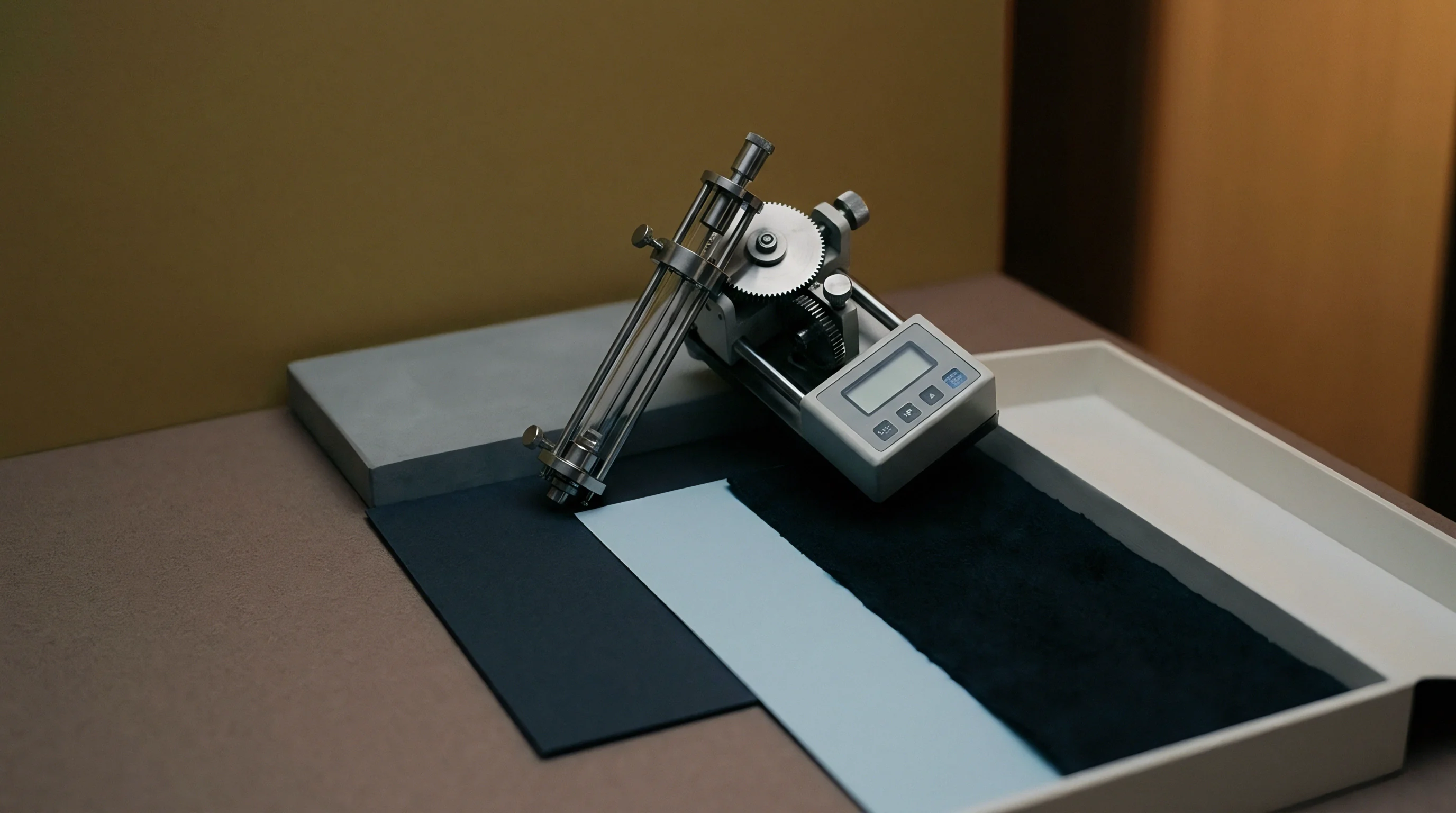
Why Do Cured Polyurethane Bonds Decay under Acidic Pack Contents?
Acidic contents accelerate the cleavage of ester bonds within the cured adhesive matrix through acid-catalyzed hydrolysis. Hydrogen ions released by organic acids penetrate the sealant film, lowering interfacial pH. This acidic environment acts as a catalyst, accelerating water-driven polymer backbone breakdown by several orders of magnitude compared to neutral water exposure.
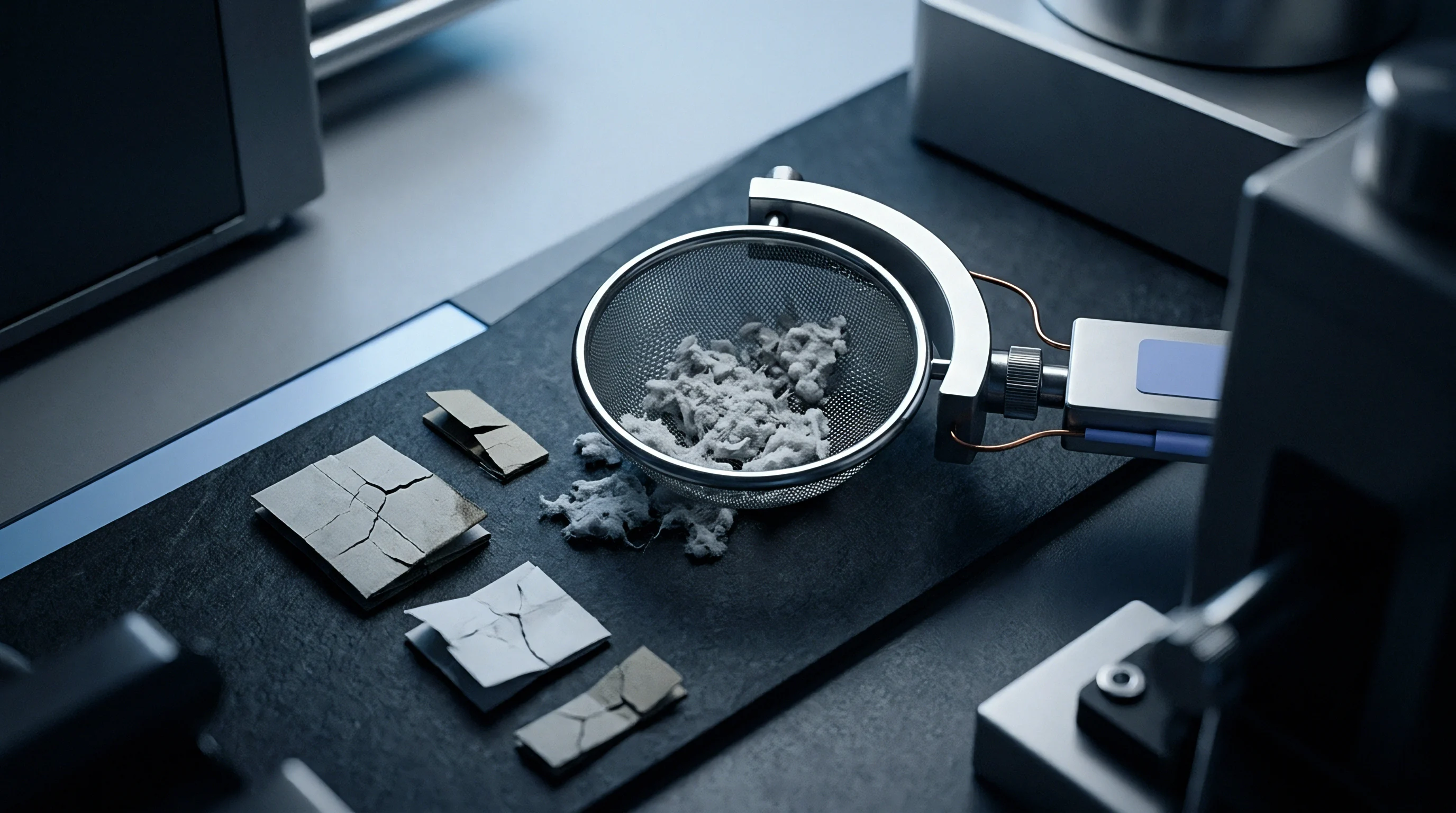
Microscopic examination of separated surfaces categorizes structural failure mechanics into distinct physical regimes. Stereomicroscopy and attenuated total reflectance Fourier-transform infrared (ATR-FTIR) spectroscopy confirm the precise locus of separation.
- Mount the peeled film strip securely on the stereomicroscope stage using neutral tension clamps to prevent mechanical distortion during observation.
- Examine both separated surfaces under 40x magnification using low-angle oblique lighting to pinpoint visual surface roughness and fracture boundaries.
- Collect ATR-FTIR spectra from both matching peeled faces to identify chemical functional groups left on each substrate surface.
- Compare collected spectra against virgin substrate reference spectra to establish whether failure occurred along the adhesive interface or within the bulk resin layer.
Chemical migration of erucamide slip agents to the adhesive layer forms a weak boundary film that triggers spontaneous delamination during ambient storage.
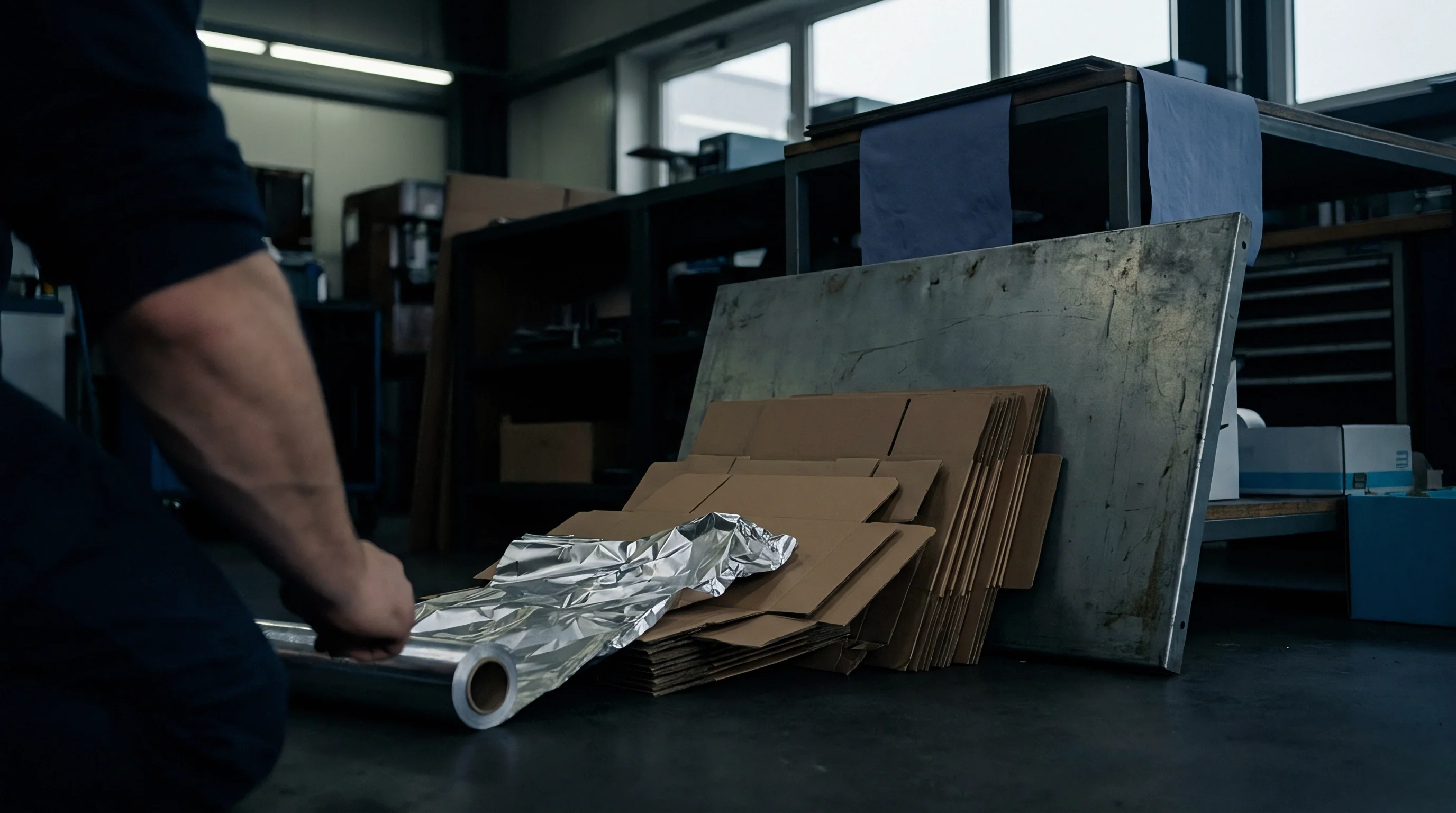
Peel Mechanics and Interfacial Failure Classification
Failure classification guides converting corrections by isolating chemical, thermal, or mechanical sources of weakness.
| Failure Mode Designation | Physical Locus of Separation | Typical Peel Strength Profile | Primary Root Cause Mechanism |
|---|---|---|---|
| Mode A: Adhesive Failure | Clean separation at substrate boundary | Low force ( | Low Corona treatment, surface contamination, slip agent bloom |
| Mode C: Cohesive Failure | Internal split within bulk adhesive layer | Moderate force (1.5 – 3.0 N/15mm), steady trace | Incorrect NCO:OH ratio, solvent entrapment, incomplete curing |
| Mode S: Substrate Tear | Destruction or tearing of film substrate | High force (> 4.5 N/15mm), erratic trace | Interfacial bond strength exceeds film material yield limit |
| Mode M: Metal Delamination | Separation between vacuum aluminum and base film | Low force ( | Inadequate metallizer vacuum energy, base film oxidation deficiency |
| Classifications derived from microscopic ATR-FTIR surface spectrum analysis following ASTM F904 peel testing protocols. | |||

Primary Aromatic Amine Migration Limits
Food safety compliance regulations strictly limit chemical migration originating from degraded or incompletely cured polyurethane adhesives. Aromatic isocyanates, such as diphenylmethane diisocyanate (MDI) or toluene diisocyanate (TDI), react with moisture to form Primary Aromatic Amines (PAAs) if lamination lots are processed before full chemical crosslinking completes. PAAs including 4,4′-methylenedianiline are recognized health hazards.
European Union Regulation 10/2011 specifies a strict maximum migration limit for total primary aromatic amines set at 0.01 milligrams per kilogram of food simulant. Detecting PAAs requires spectrophotometric testing or liquid chromatography-mass spectrometry (LC-MS) following migration testing using food simulants like 3 percent acetic acid or 10 percent ethanol. Package release holds remain active until analytical testing proves PAA levels drop below detection thresholds.
Whether non-isocyanate polyurethane systems can match the thermal durability of aromatic polyisocyanates without introducing migrating cyclic monomers remains a subject of ongoing commercial debate.
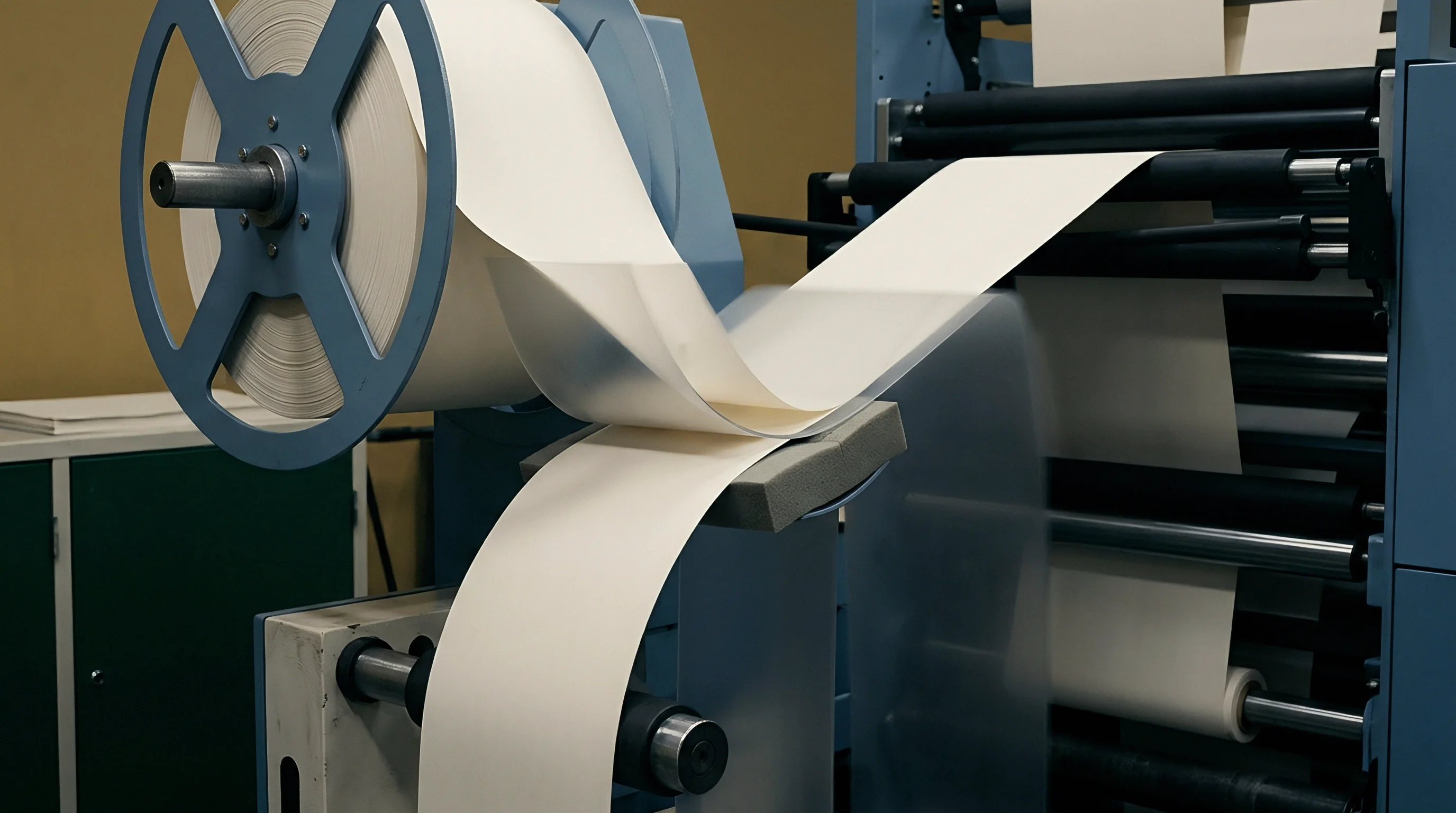
Risk
Commercial exposure from delamination in flexible packaging extends far beyond raw film replacement costs. Loss of package integrity leads to product leakage, microbial contamination, shortened shelf life, and large-scale consumer product recalls. Assigning technical accountability requires rigorous raw material trace records and clear quality control documentation.
A worked financial model illustrates the leverage of finishing quality control. Consider a production run of 100,000 meters of four-ply retort barrier laminate produced for liquid food packaging. Raw film material and adhesive pass costs average €0.85 per square meter, representing a baseline production value of €85,000.
If this lot undergoes converting, filling, and thermal sterilization before interfacial separation manifests, liability calculations shift from raw converting costs to finished product values.

Financial Liabilities and Recall Cost Modeling
Assuming each filled pouch contains €1.50 worth of food product and incurs €0.40 in processing, filling, and logistics expenses, the total invested value reaches €2.25 per individual pouch. A ten percent yield failure rate across a batch of 500,000 filled pouches generates direct product loss claims amounting to €112,500. Stoppages on commercial filling lines incur downtime charges averaging €3,500 per hour.
Rejection costs compound rapidly.
Quality assurance protocols mitigate these liabilities by enforcing hold-for-release procedures. Certificate of Analysis (CoA) documentation must record Corona treatment dynes, residual solvent chromatographic readings, coat weight distribution across the web width, and 48-hour cured peel test data before releasing reels to slitting departments.
Quality Assurance Dossiers and Release Protocols
Audit dossiers provide legal protection during supplier dispute arbitrations. A compliant dossier records line speed, roll nip temperatures, ambient curing room humidity logs, and post-cure PAA extraction values. Establishing clear acceptance thresholds in purchase contracts prevents financial losses when processing variable film grades.
Establishing tight coat-weight verification at the laminator nip combined with mandatory chemical testing before slitting provides the only reliable defense against field delamination failures.