
Calibrating Creasing Rule Geometry to Prevent Interlaminar Delamination on Recycled Board
Prevent recycled board delamination by widening matrix channels to 1.75 times board caliper and deploying crowned creasing rules with larger tip radii.
Prevent recycled board delamination by widening matrix channels to 1.75 times board caliper and deploying crowned creasing rules with larger tip radii.

Verify recycled folding boxboard internal bond strength using TAPPI T 569 dynamic impact testing to prevent line delamination during high-speed folding and gluing.
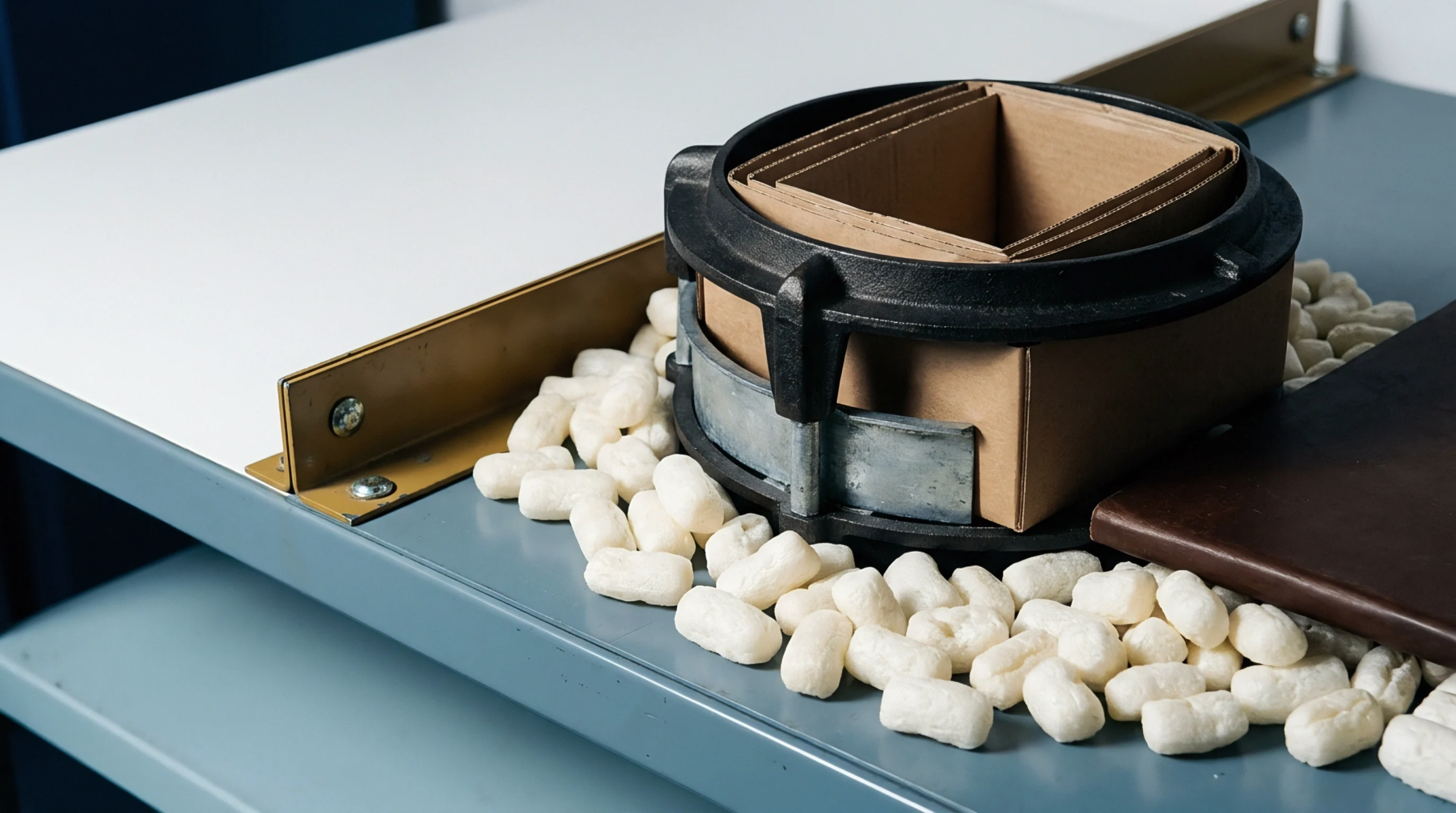
Piezoelectric force compensation during press speed variations requires velocity-dependent gain scheduling and real-time charge bleed filtering.
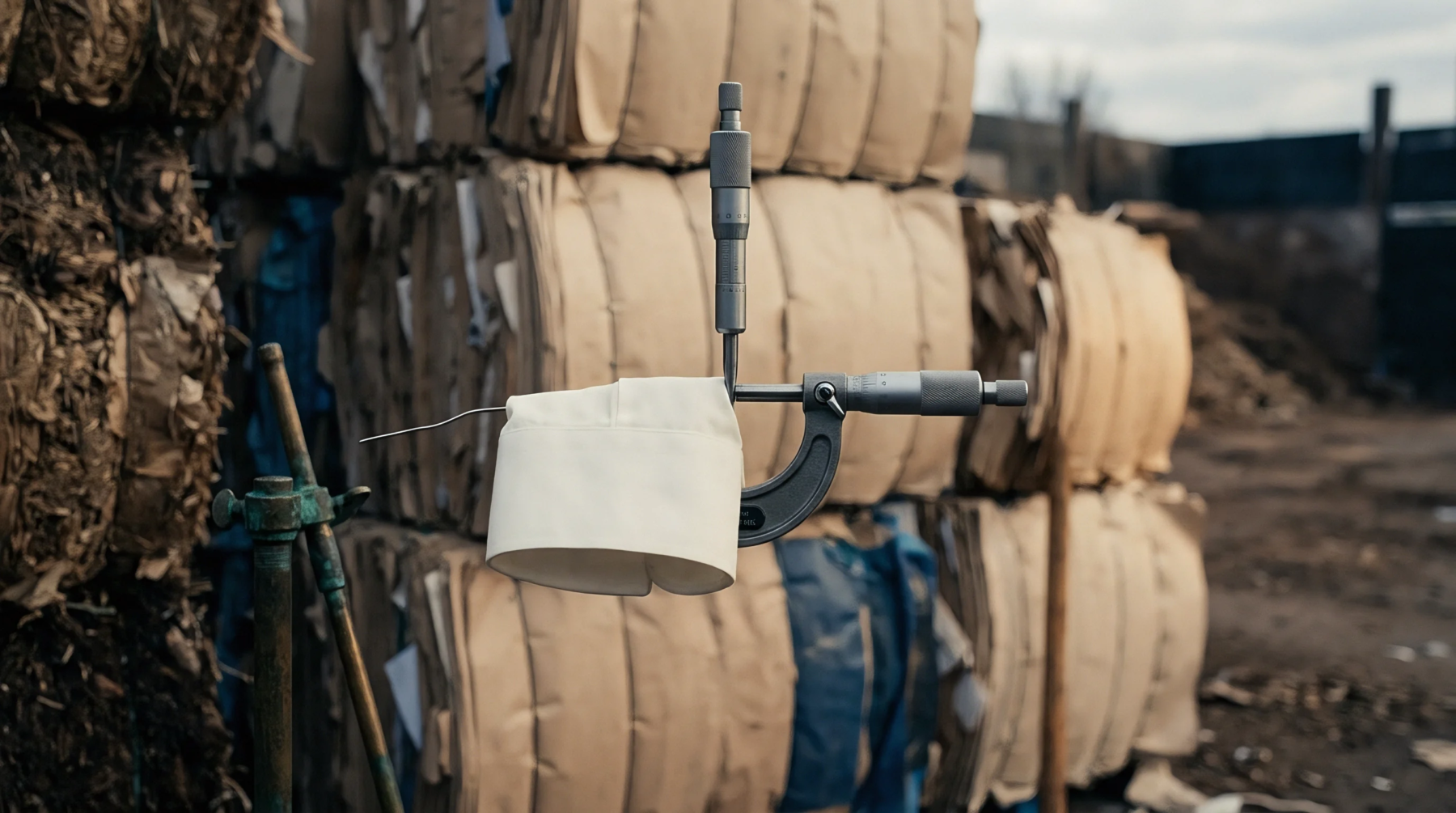
Dynamic viscoelastic caliper recovery in recycled board plies dictates operational thickness loss and downstream print density under millisecond impression passes.
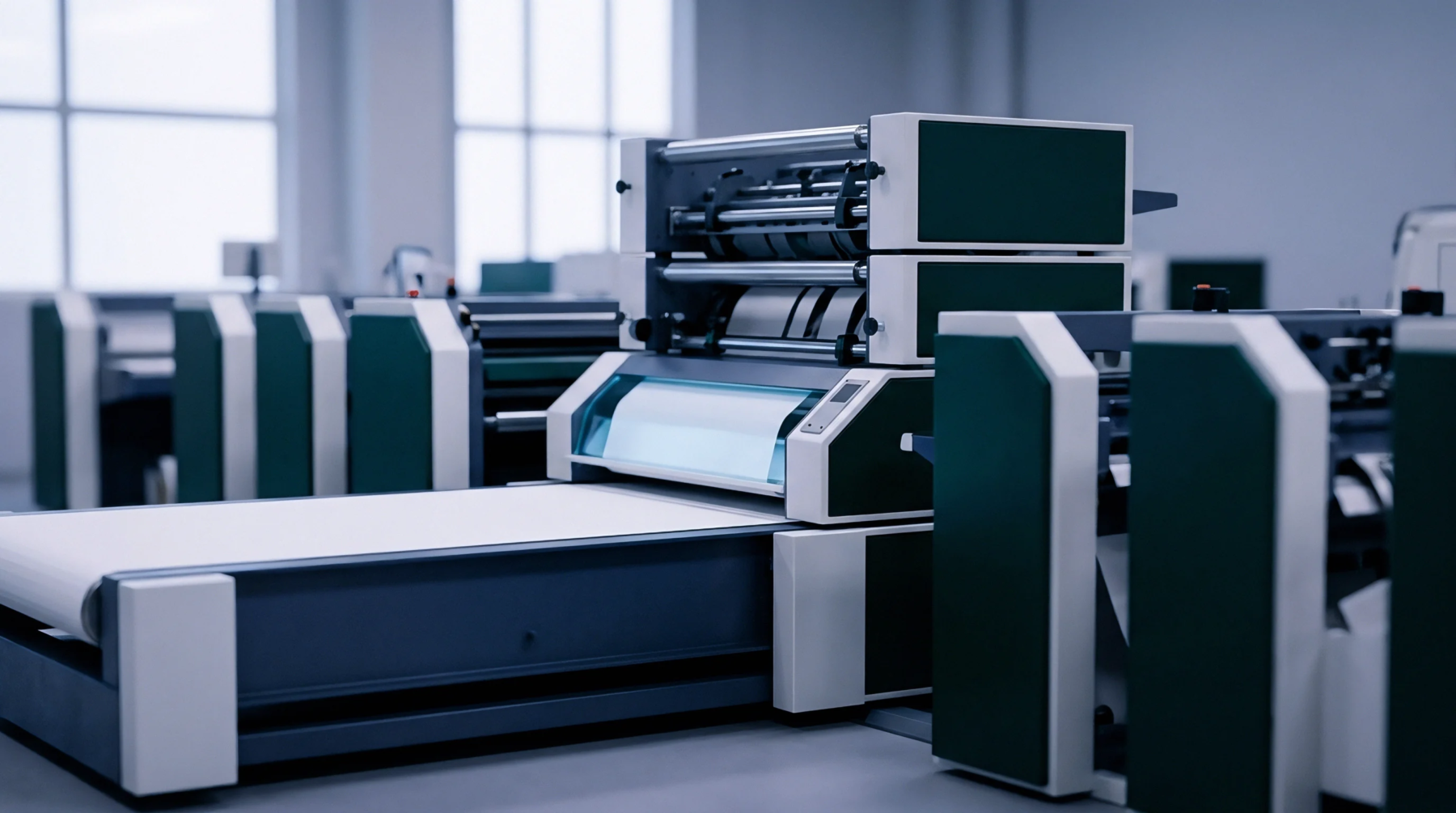
Micro-stepping impression actuators on heavy carton presses demand closed-loop linear encoding to prevent lost motion under cyclic forty-kilonewton sheet shocks.
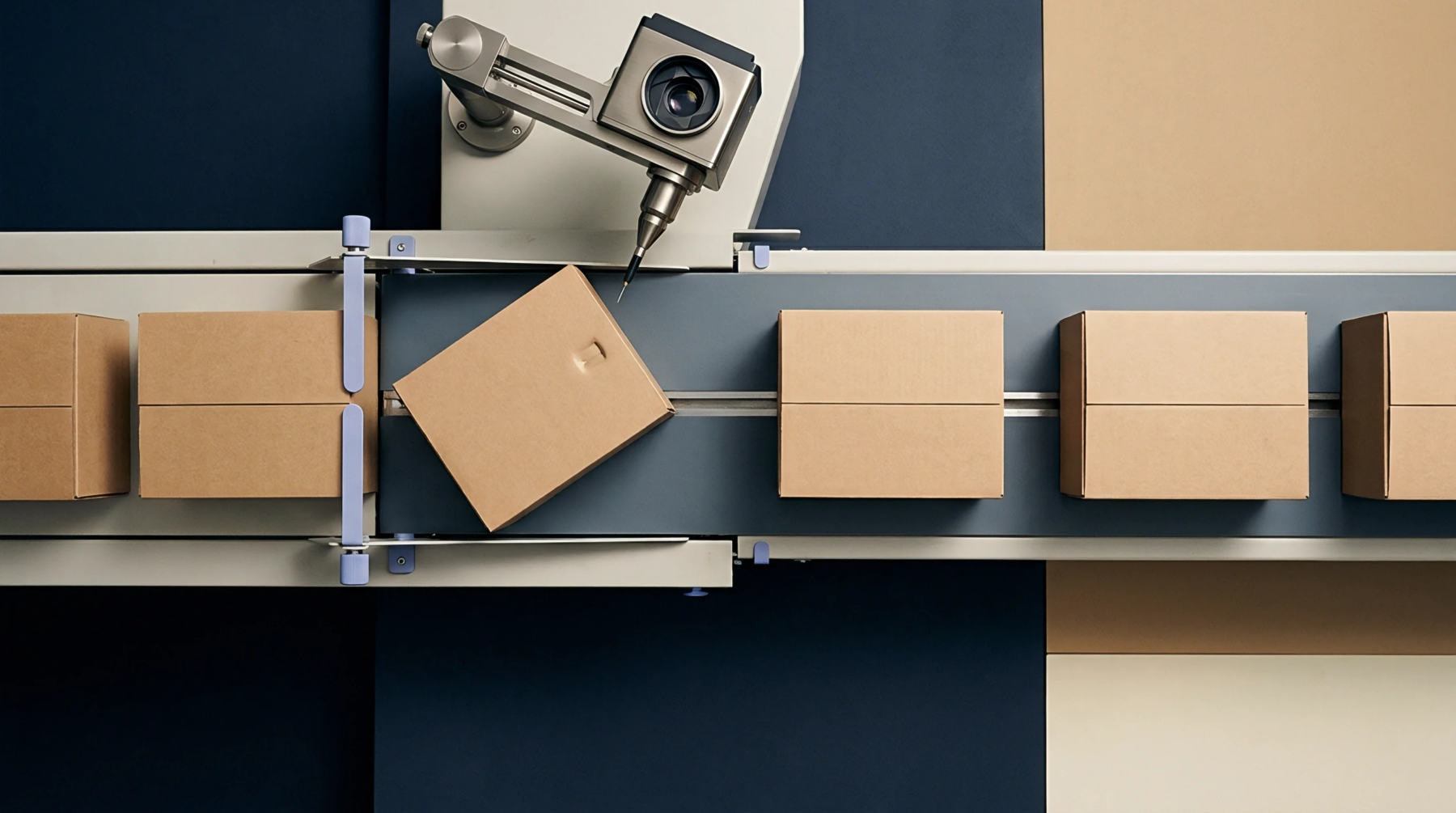
Closed loop autoplaten wedge controls require dynamic sensor drift models to isolate structural thermal growth and maintain impression accuracy within five micrometers.
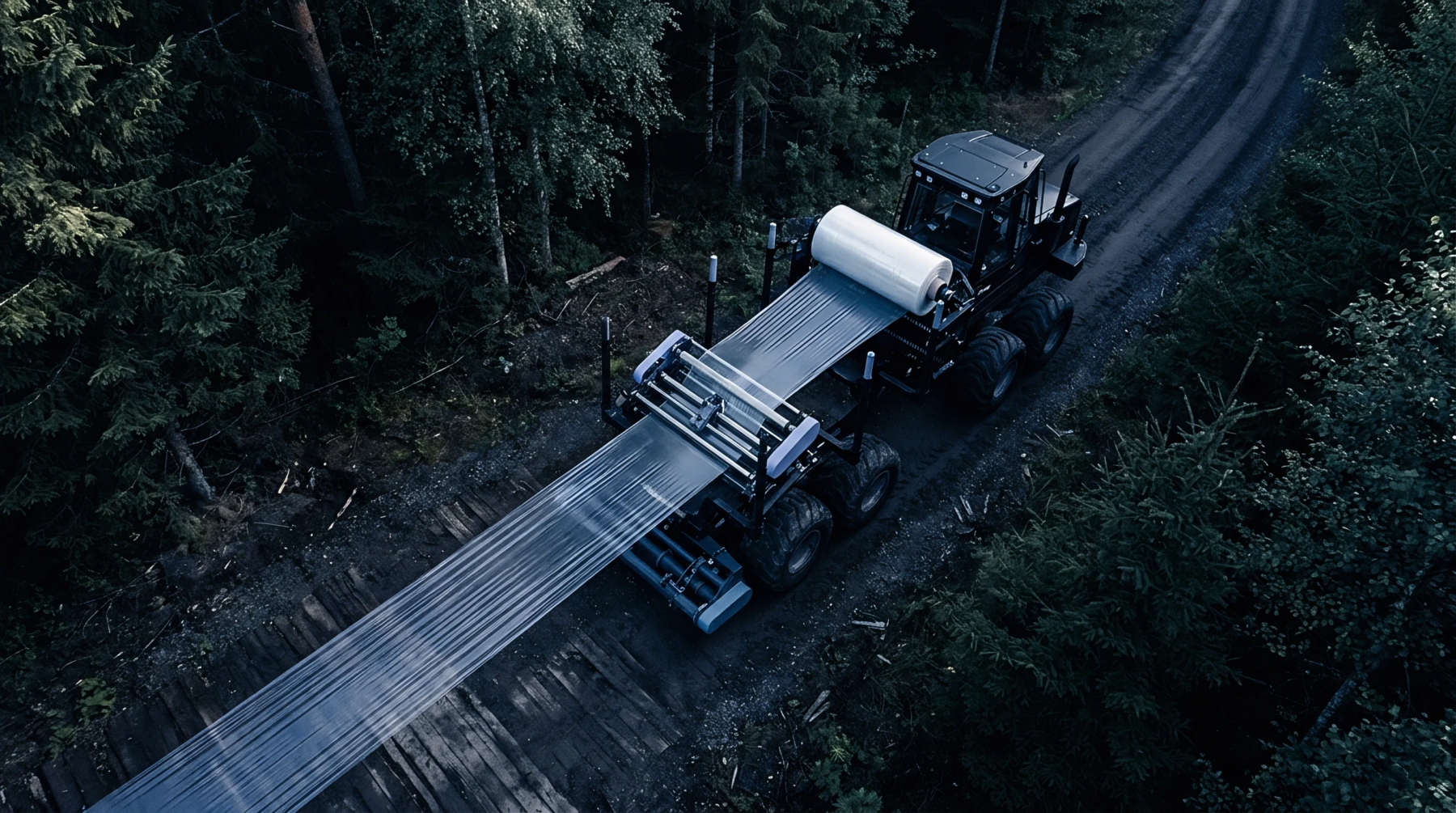
Dynamic impression compensation balances wide format platen beam flexure to ensure uniform crease depth and prevent score cracking across large paperboard sheets.
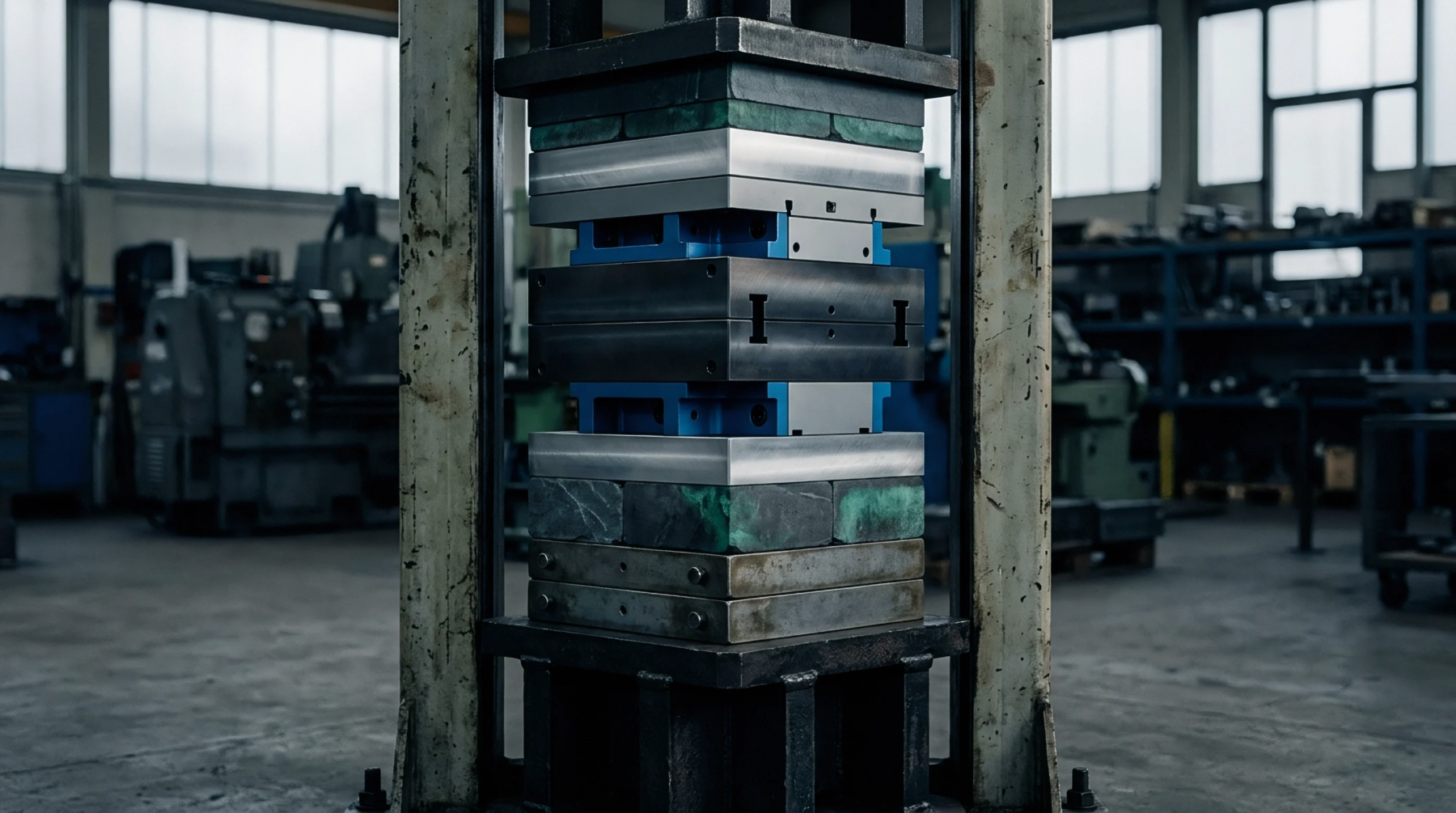
Platen bed deflection creates center-to-edge pressure gaps during die-cutting, requiring precise glassine patching to prevent rule wear and unsevered board bridges.
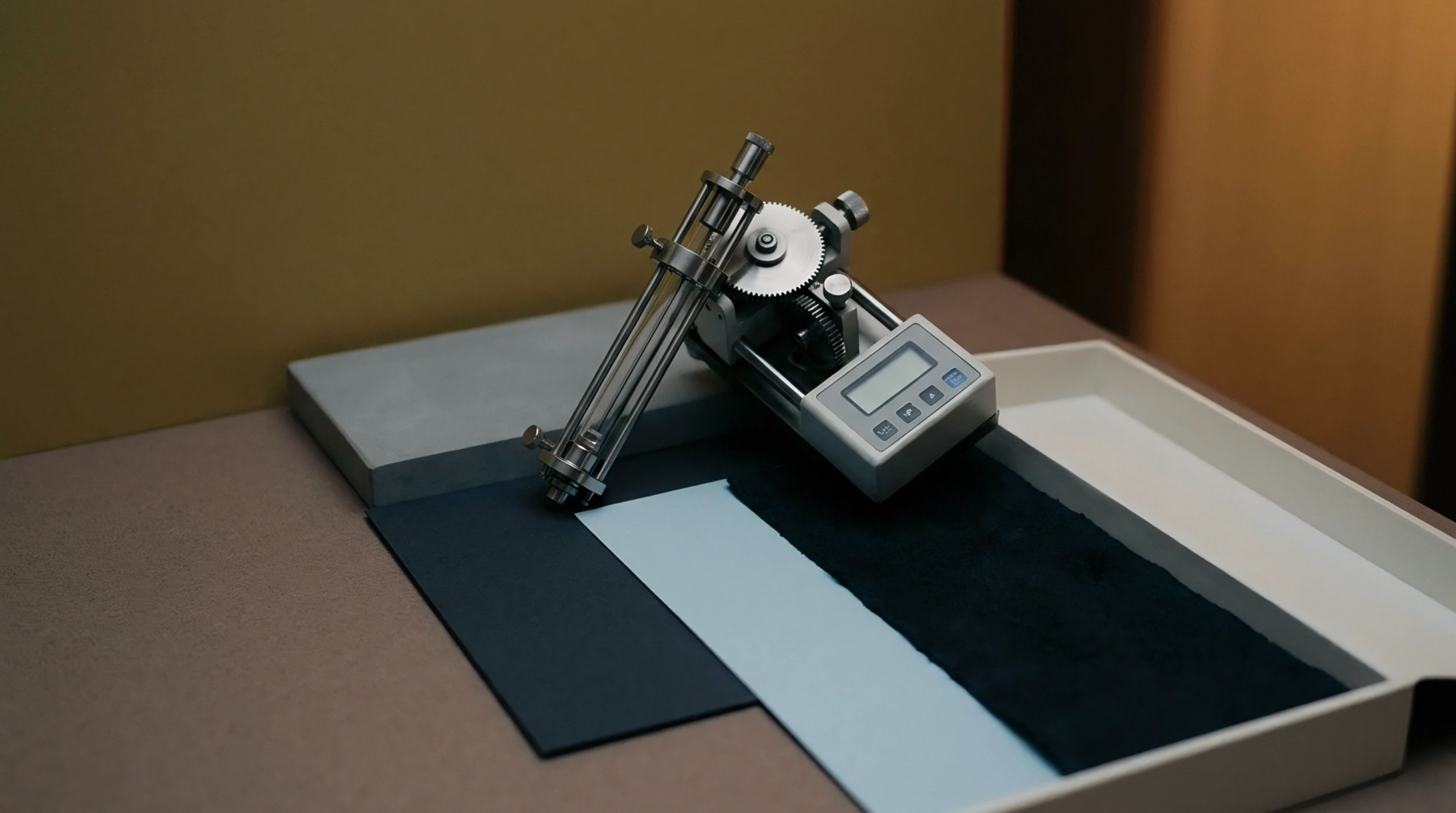
Polymer film shear stress peaks at counter die channel shoulders where localized flexural bending drives interfacial debonding and surface cracking.

Heavy caliper laminated board calls for creasing matrix channels expanded by film thickness and adhesive modulus factors to prevent outer film splitting.
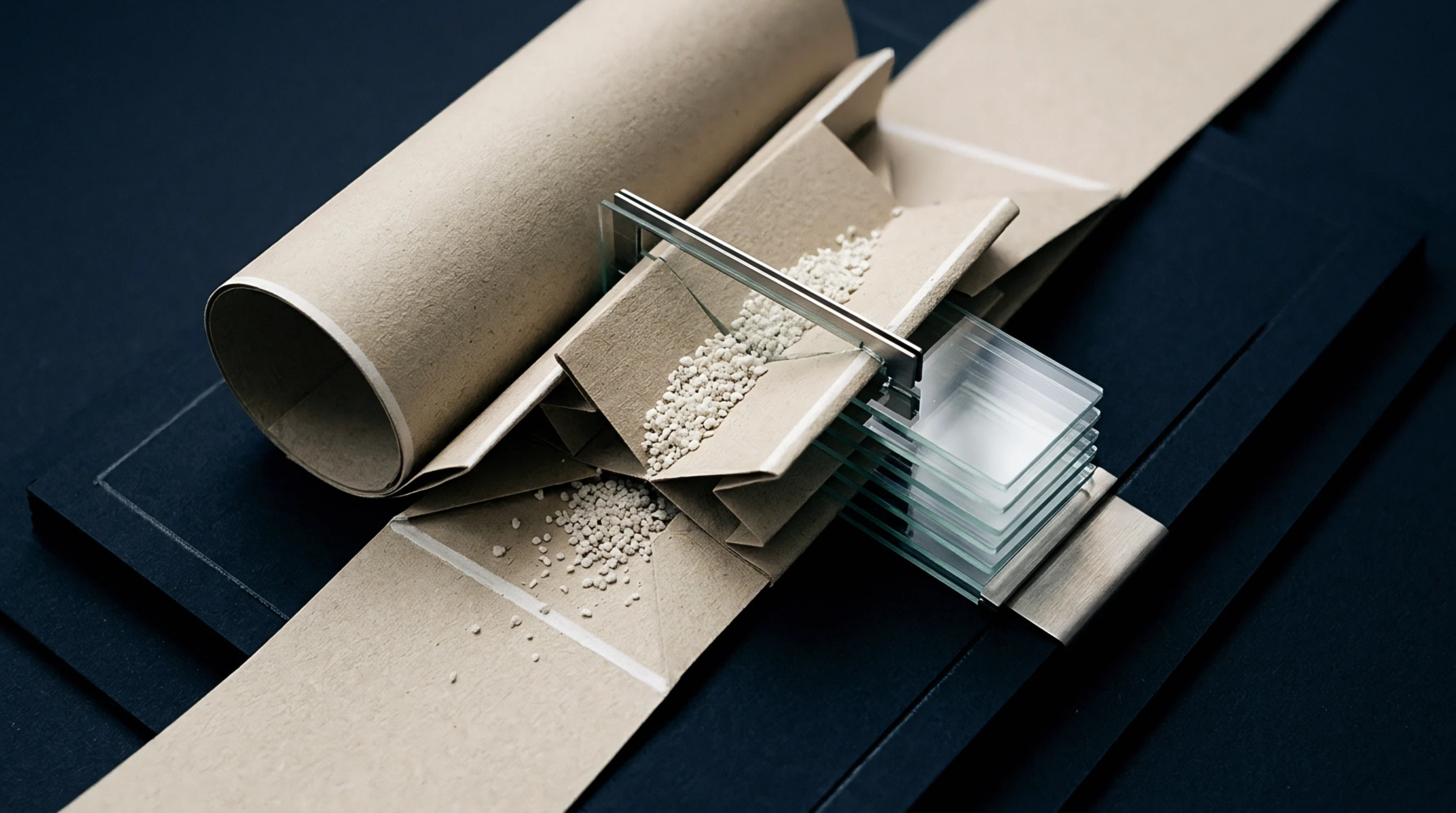
Uncoated FBB requires matrix channels 1.5 to 1.7 times board caliper plus rule width and strict 45-55% relative humidity to prevent liner cracking.

Thermally accelerated diffusion models require capping aging temperatures below polyolefin alpha-relaxation points to accurately predict fatty acid amide surface blooming and COF stability.
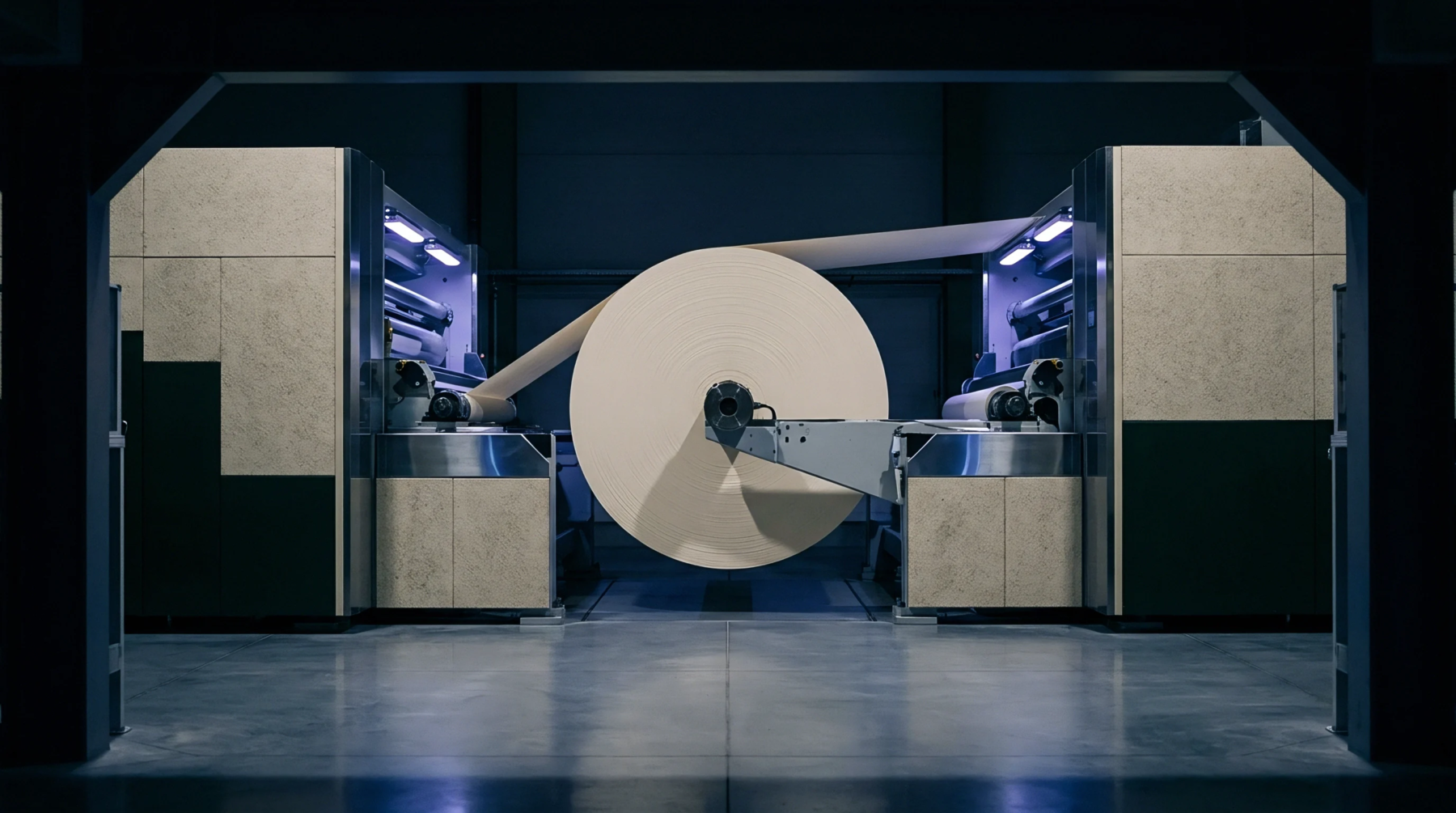
Predictive tribological kinetics correlate shear stress with coating degradation to prevent surface failure in converting lines.
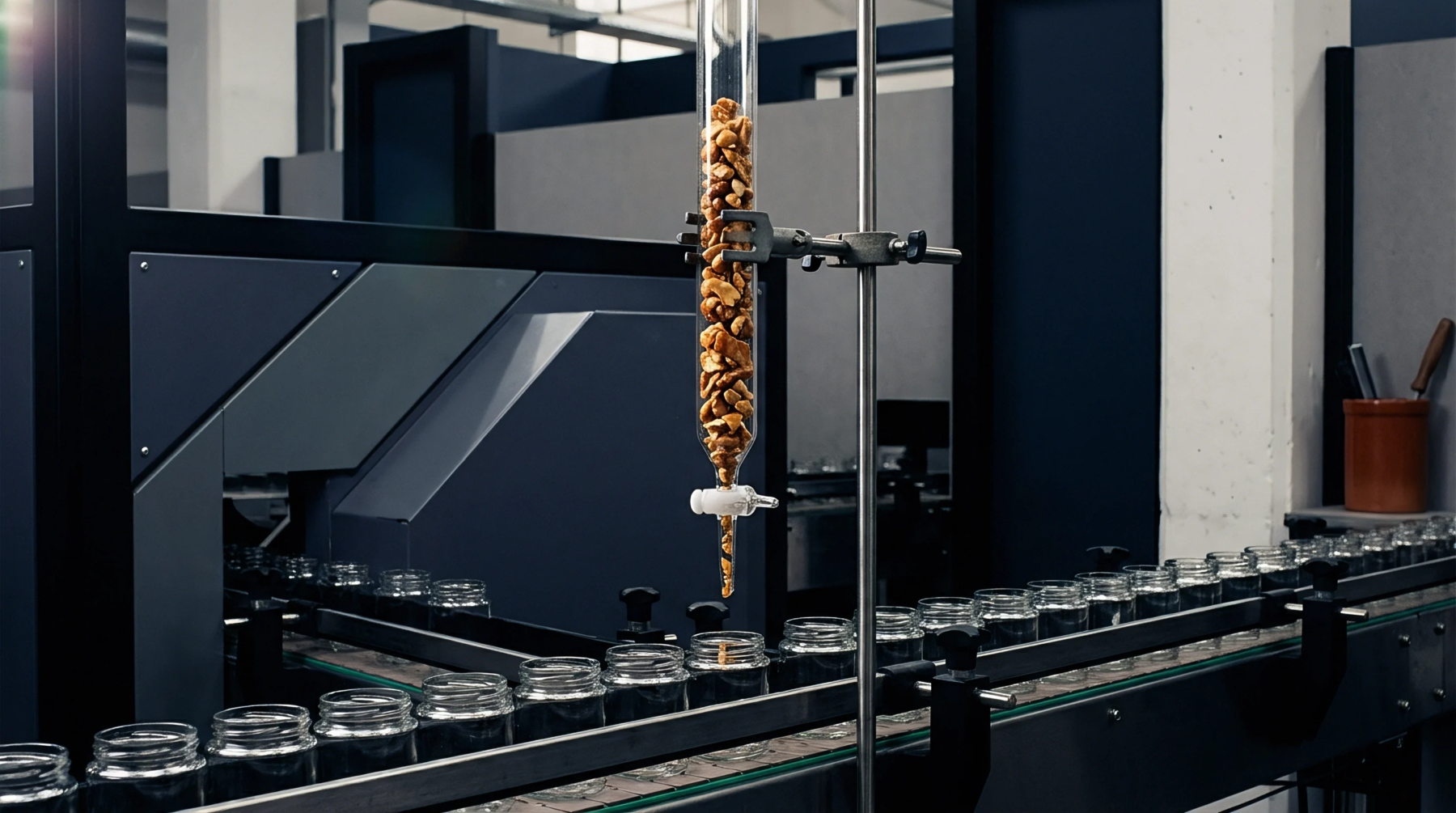
Dynamic friction testing must evaluate elevated platen temperatures and blooming kinetics to prevent high-speed line stoppages and web breakage.
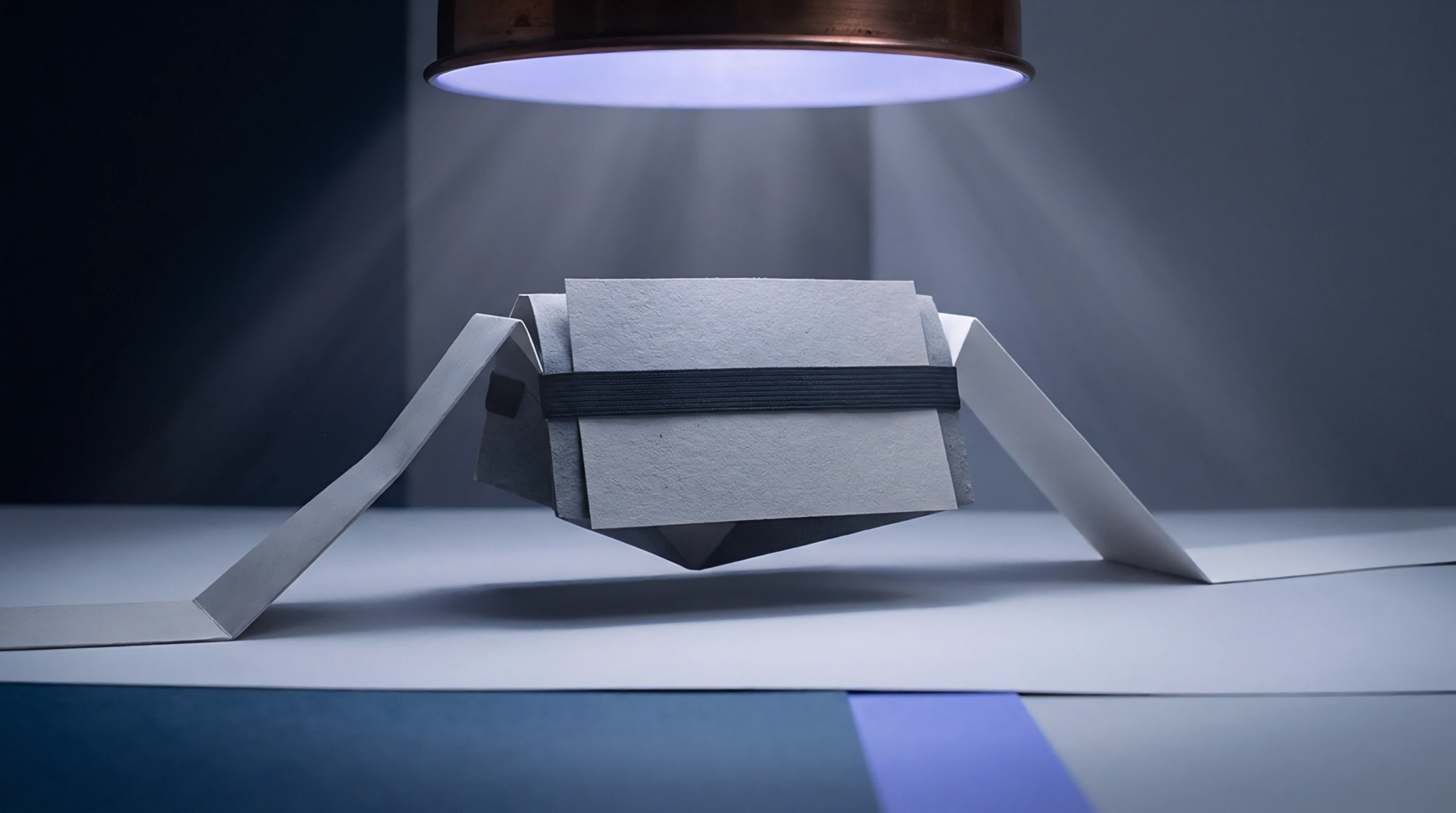
Angle resolved goniophotometry quantifies specular lobe width and haze tails to optimize matte coating performance and prevent print run rejection.
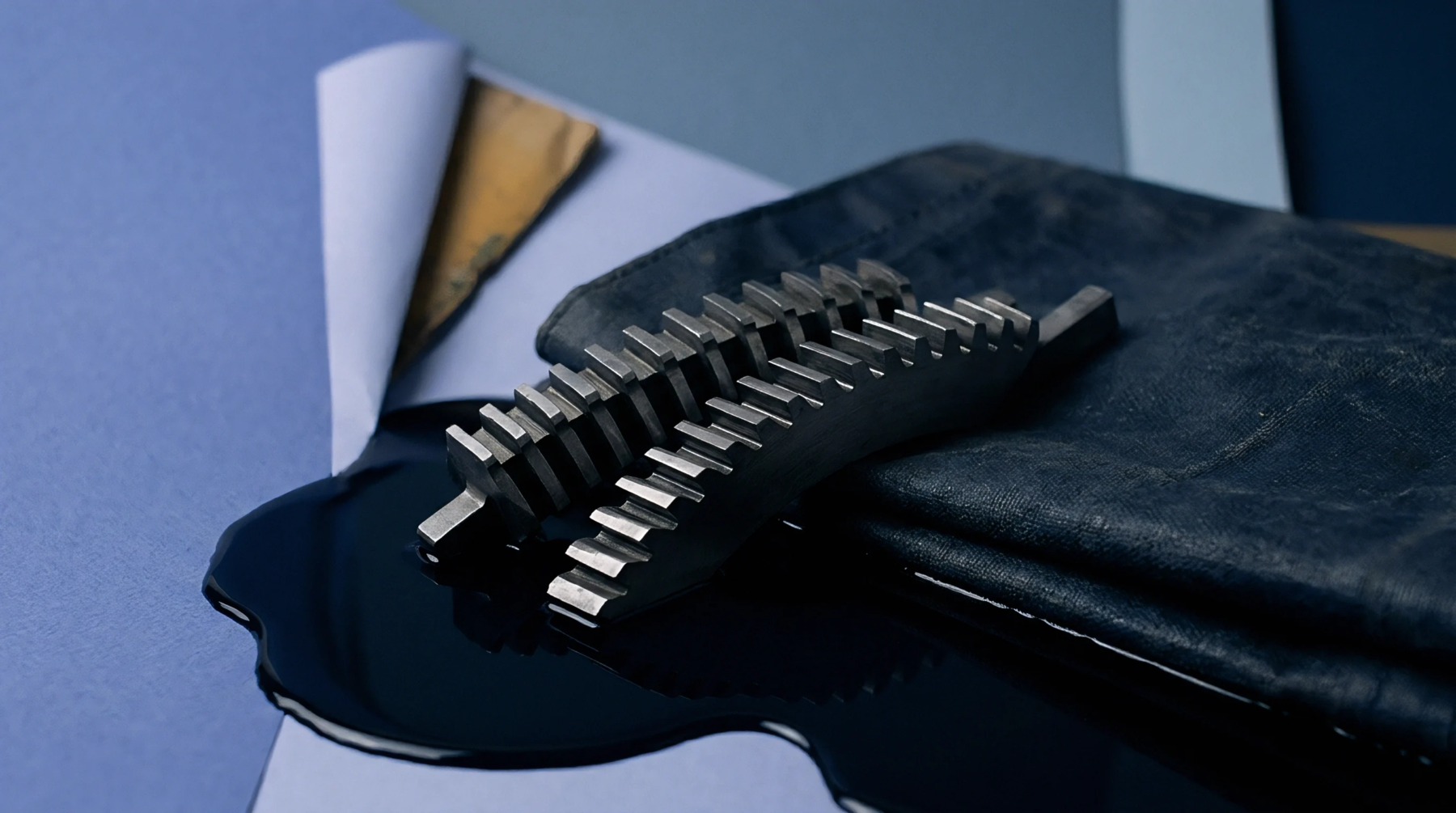
UV varnish surface smoothness requires balancing zero-shear viscosity and surface tension against curing lamp delay before photopolymerization freezes leveling.

Optical specular reflectance shifts on board substrates depend on micro-roughness and pore absorption, requiring sealed primer passes to match virgin board gloss.
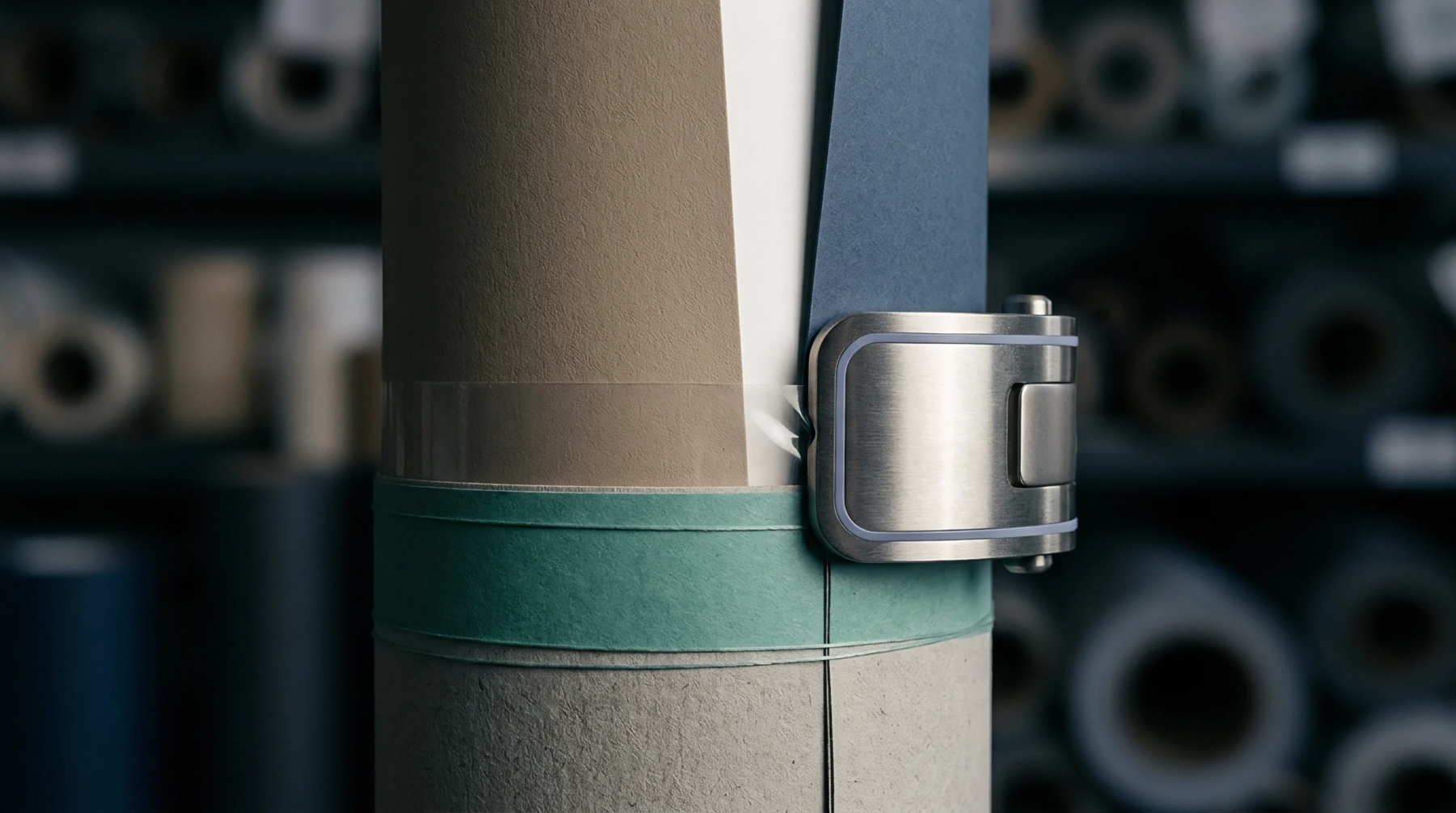
Balancing slip additive bloom against web shearing requires precise dosing to maintain stable kinetic friction without destroying bond strength or seal integrity.
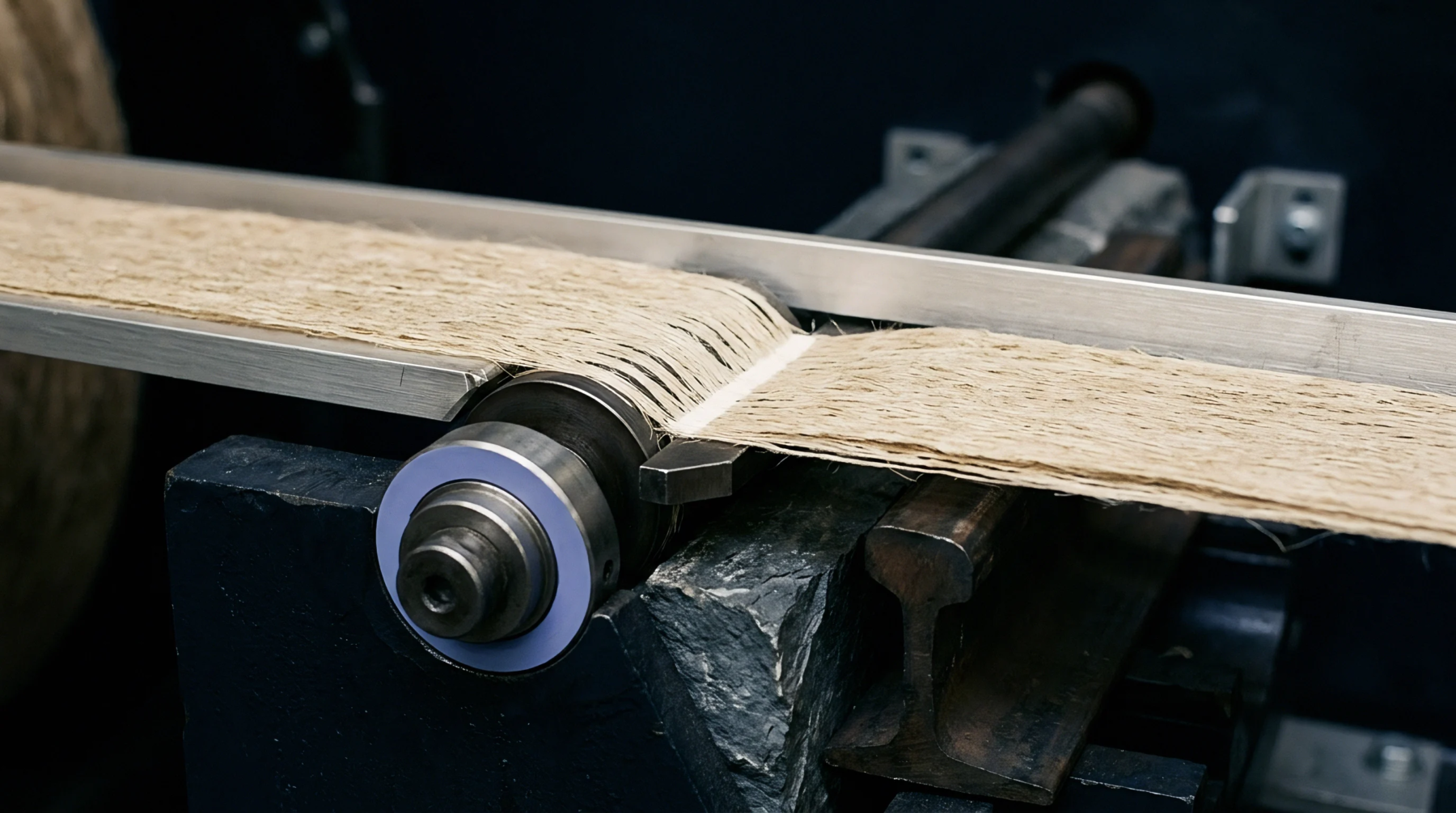
Mechanical shearing removes low molecular weight oxidized material from corona treated polypropylene, degrading surface energy and causing lamination failure.
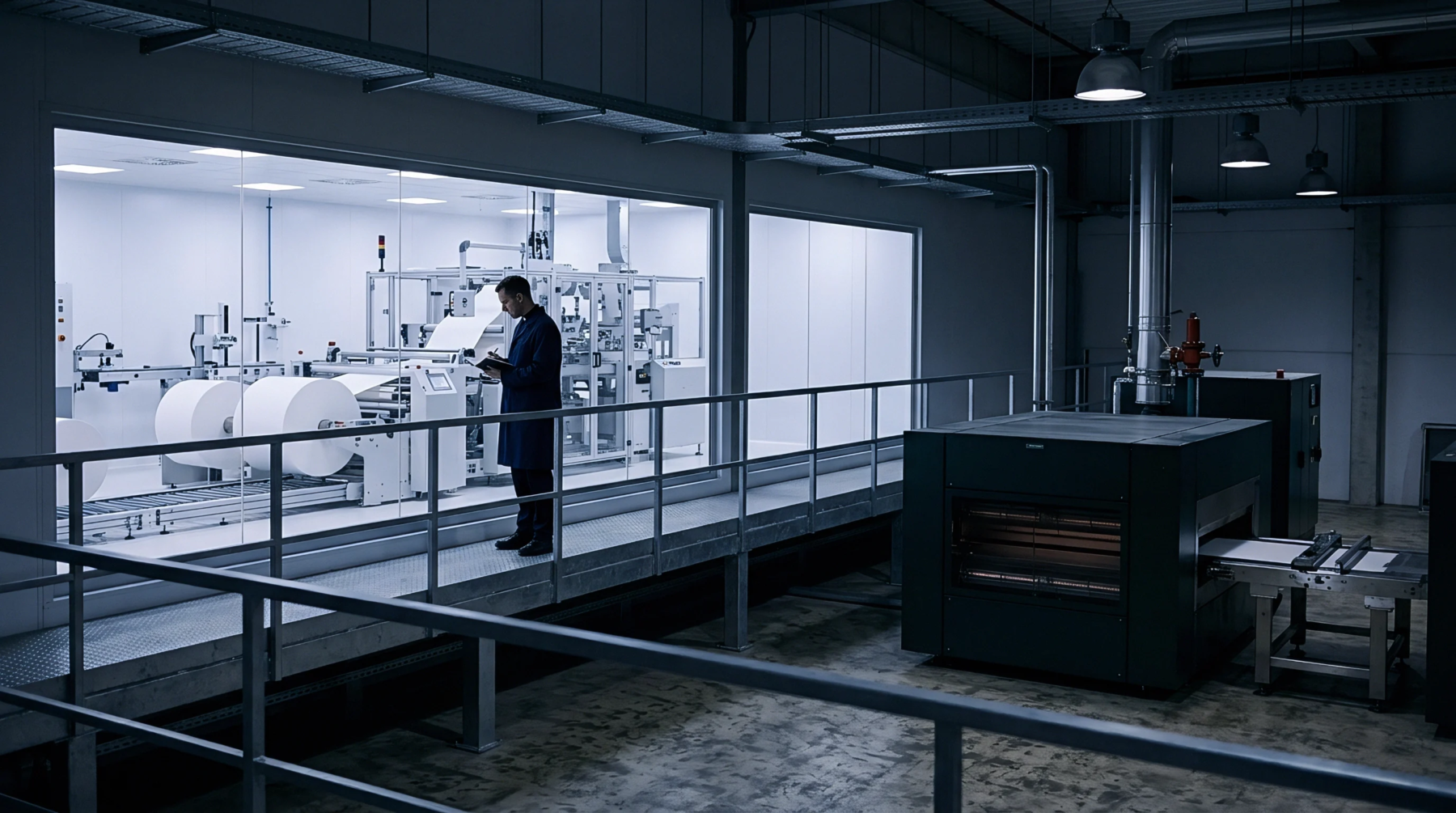
Wound polyolefin reels lose dyne level as polar groups rotate into the polymer bulk, slip amides bloom, and nip pressure transfers backside contaminants.

Polymeric photoinitiators prevent parent molecule migration, but low molecular weight photolysis products diffuse through paperboard unless functional barrier coatings are applied.
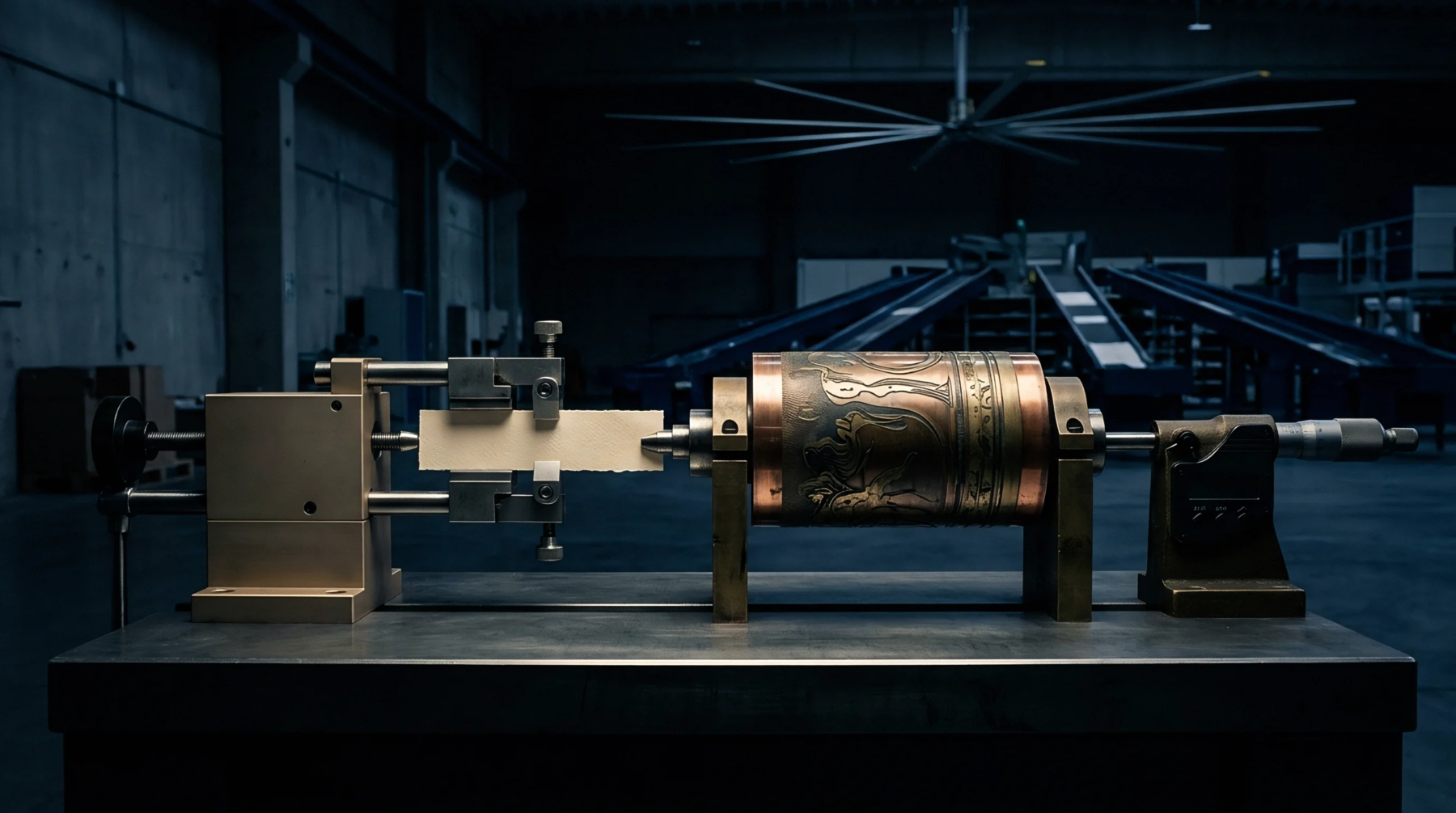
Gas chromatography validation of low migration energy curable inks relies on standardized solvent extraction parameters and mass spectrometry verification.
Quantifying photoinitiator cleavage products requires targeted LC-MS/MS or GC-MS extraction protocols to verify migration remains below specific legal limits.

Environmental moisture ingress accelerates multi-layer micro-delamination fatigue kinetics by plasticizing adhesives and elevating Paris law growth exponents.

Optical Lamb wave mapping detects barrier board delamination non-destructively by measuring phase velocity changes across symmetric and antisymmetric modes.
Pulsed thermoelastic wave excitation provides real-time non-destructive coat weight and interface stiffness monitoring for coated packaging paperboard lines.

Air-coupled acoustic inspection reliably detects delamination and blisters above two millimeters, but fiber scatter masks pinholes below 500 micrometers.
Acoustic phase inversion analysis detects packaging delaminations by identifying 180-degree echo polarity flips caused by impedance drops at unbonded interfaces.
Inline ultrasonic reflection profiling measures individual layer thicknesses in barrier films by calculating high frequency sound reflections at acoustic impedance boundaries.
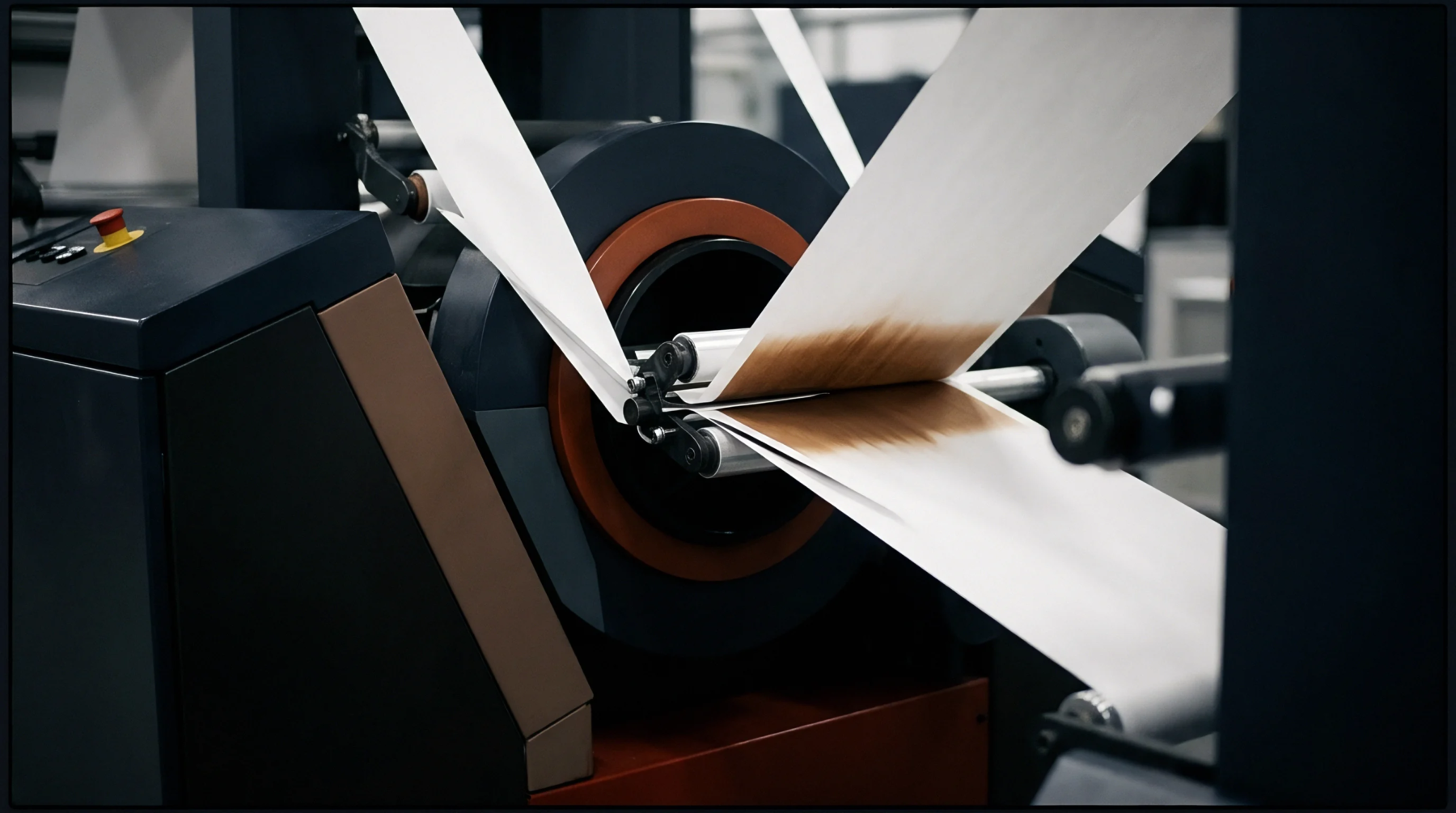
Air-coupled ultrasonic web dispersion mapping predicts dynamic erecting forces, allowing inline scoring adjustments that prevent box jams at high speed.
Expertise is a utility, not a secret. sentiention™ publishes its working knowledge as open reference: intelligence layer covering the materials it sources, the markets it enters, and the reference that serves both.