Recovered Raw Material
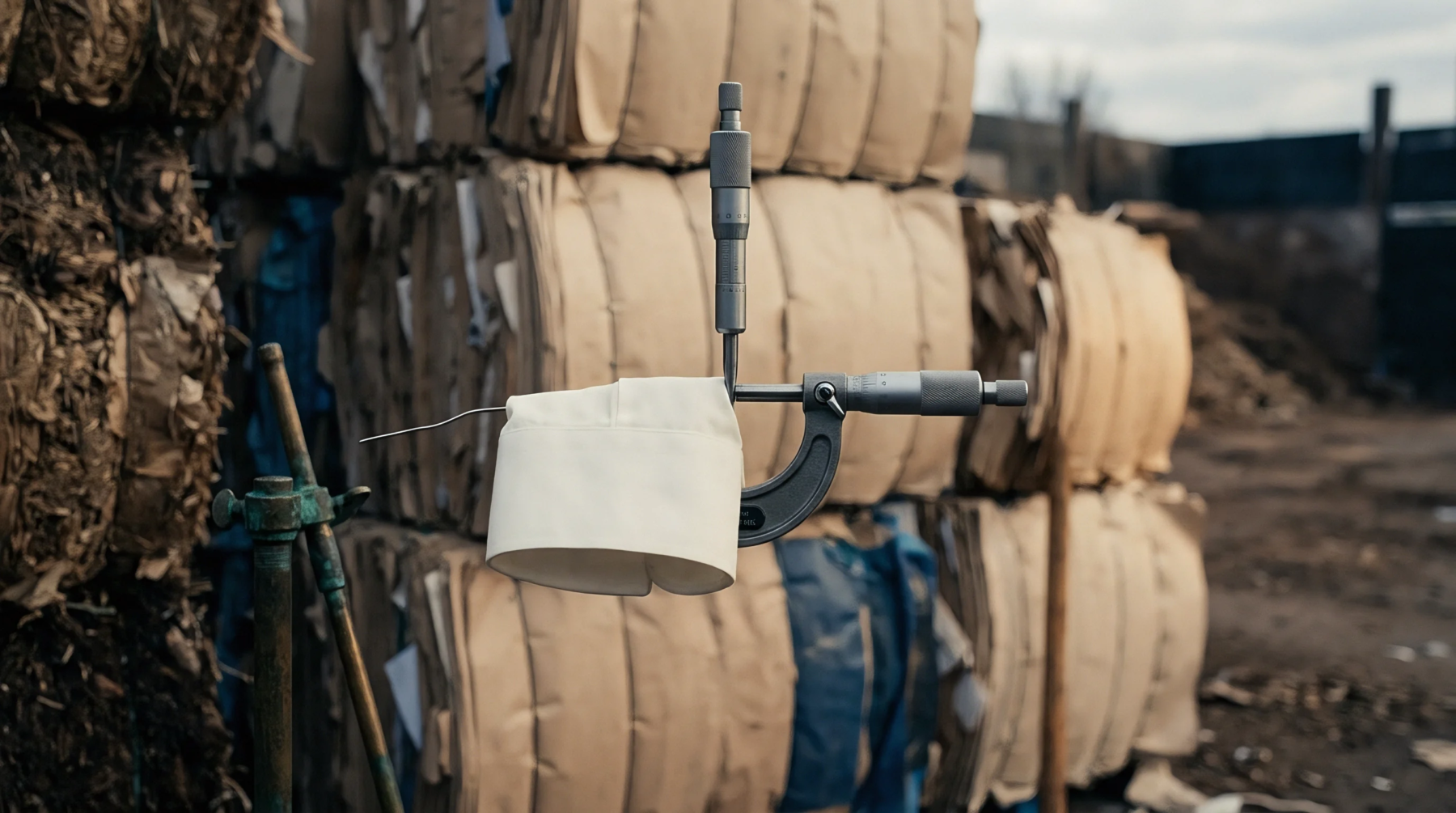
Unsorted post-consumer recovered paper collected from residential and commercial sources contains a broad variety of paper grades and packaging boards. This mixed waste paper comprises newspapers, junk mail, paperboard cartons and corrugated box clippings that are processed together at the recycling mill. It is classified as a low-cost, low-grade fibre source used as a primary raw material for mills producing industrial paperboards.
The material must be cleaned extensively to remove contaminants like plastics, metals and adhesives before the fibres can be reused. This grade is typically processed in large drum pulpers that gently separate the wood fibres without breaking down the non-paper contaminants into smaller particles.
Fiber Cleanliness
Cleaning systems are required to purge the slurry of both heavy and light contaminants. When mixed waste paper is pulped, it releases non-fibrous materials that can damage paper machines and degrade the final sheet. Screen baskets and centrifugal cleaners remove sand, staples and plastic films from the pulp.
This intensive cleaning process ensures the recovered fibres can be formed into a clean, uniform web.
Structural Limitation
Strength limitations arise from the short fibre length of the recycled material. Papermakers use mixed waste paper primarily for the core plies of multi-ply folding boxboards or the fluting medium of corrugated board. These applications rely on density and stiffness rather than high tensile strength.
This raw material helps reduce the overall cost of packaging without compromising the box stiffness.