
Quantifying Surface Burnishing in Synthetic Silica Matte Overprint Varnish Formulations
Controlling silica pore volume below 1.2 ml/g and balancing micronized polyethylene wax holds matte varnish burnishing under four gloss units across transit rub.
Controlling silica pore volume below 1.2 ml/g and balancing micronized polyethylene wax holds matte varnish burnishing under four gloss units across transit rub.
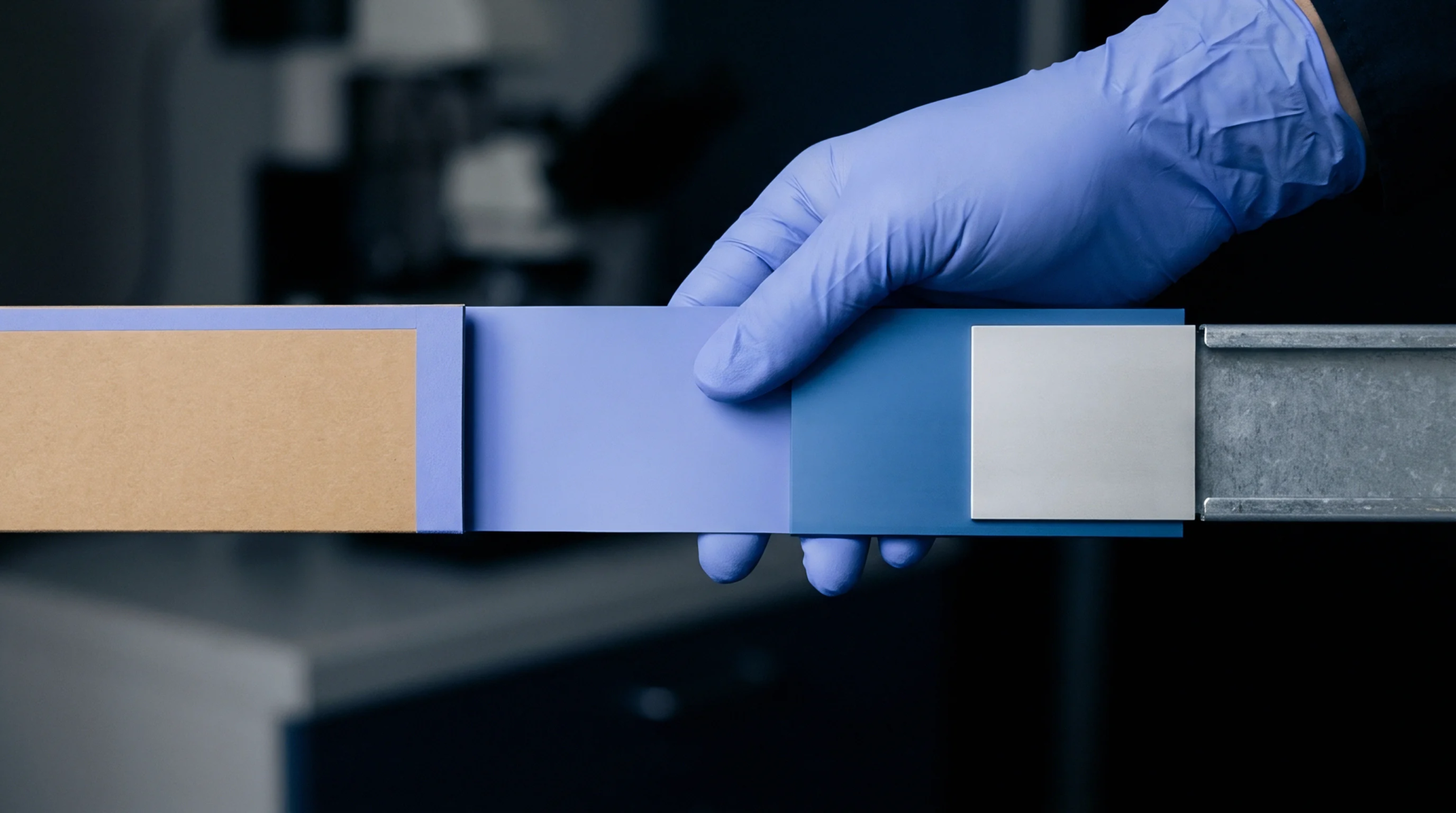
Matte varnish abrasion performance depends on balancing silica matting particle protrusion against wax slip migration verified through calibrated rub cycles.

Gas phase migration from recycled board requires continuous functional barriers to halt volatile non intentionally added substances escaping fiber pores.
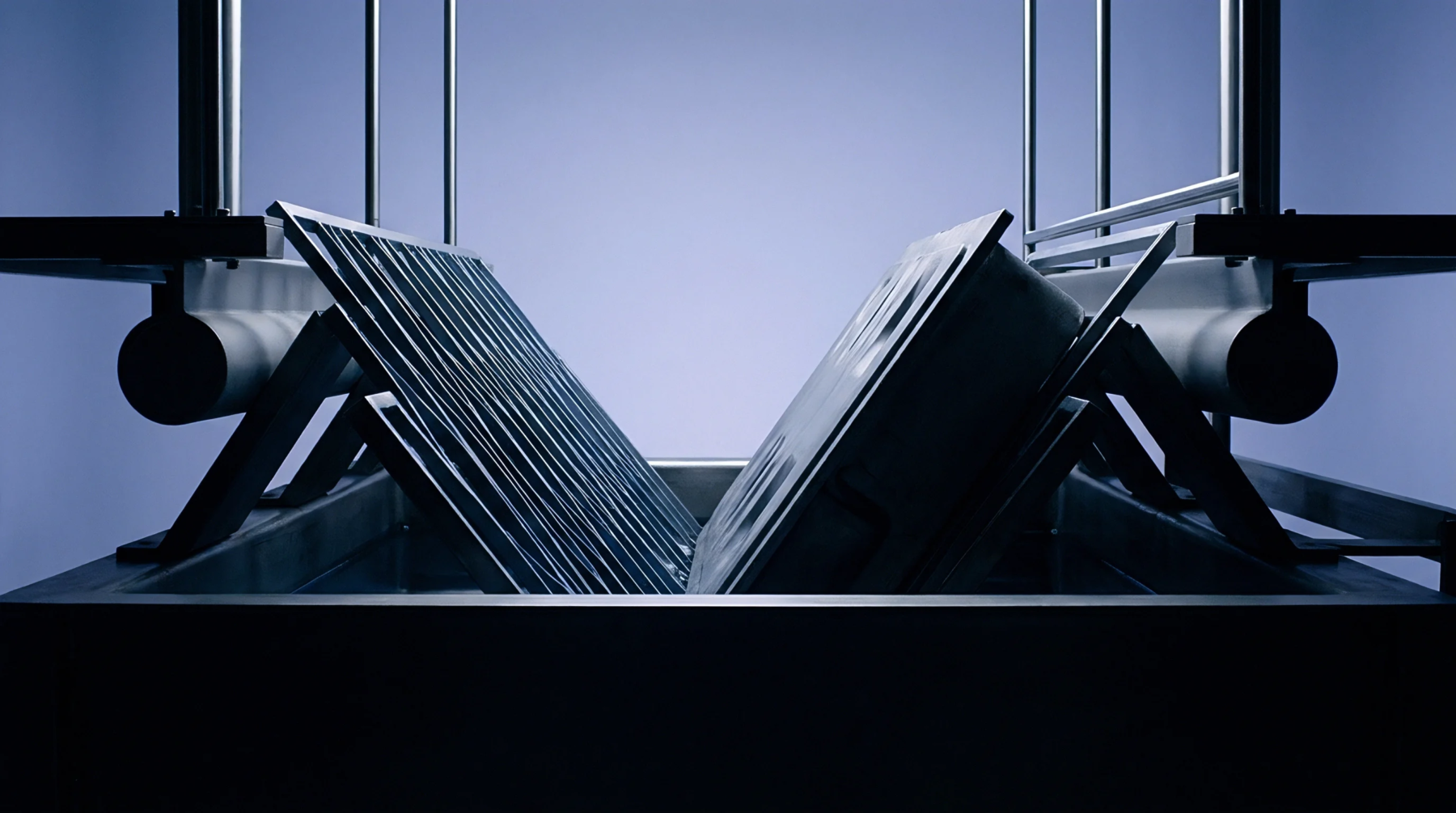
Verify functional barrier board integrity through chromatographic simulant migration testing and scoreline micro-crack inspection across high-speed die operations.
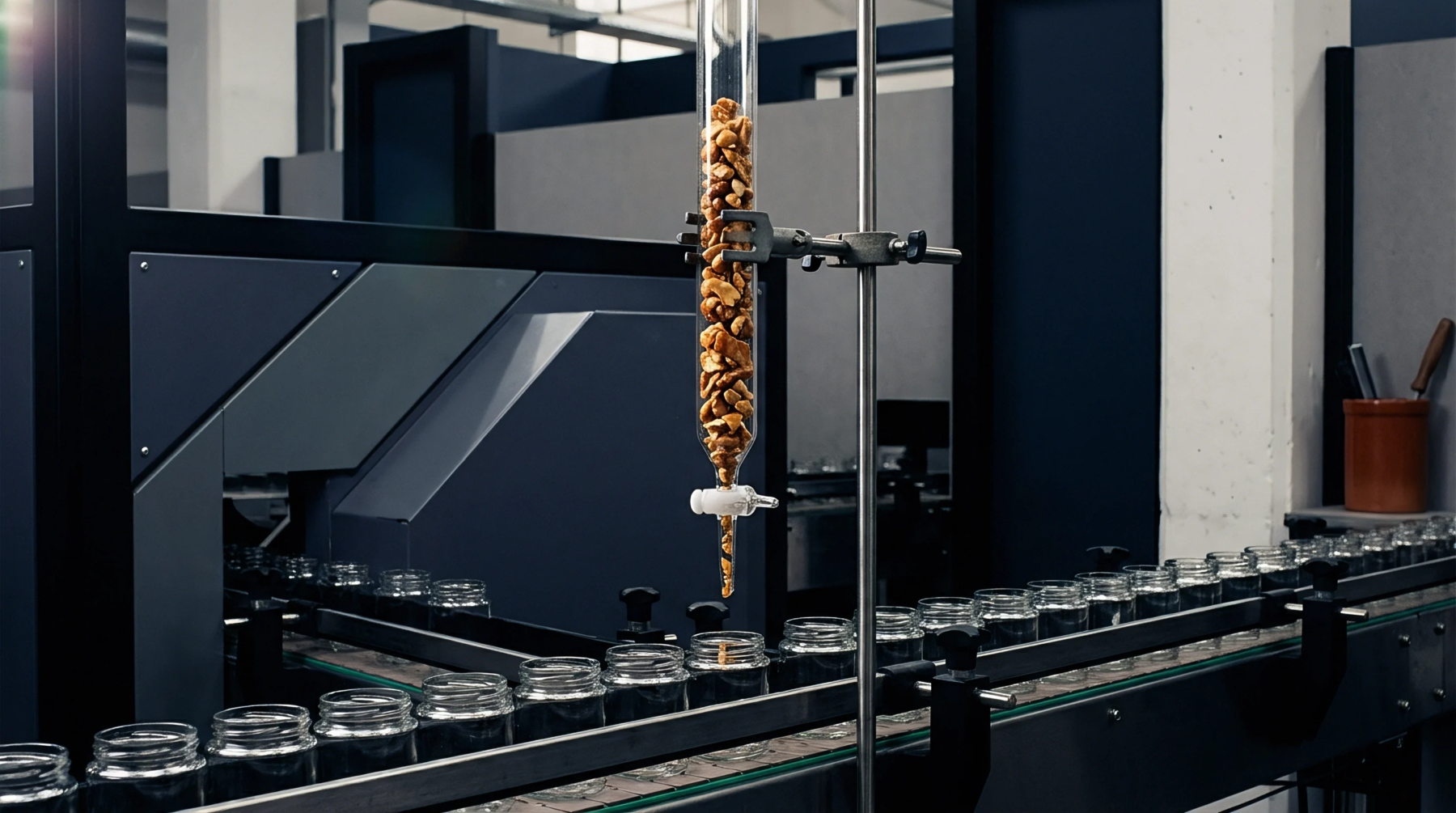
Audit declarations by matching raw chemistry recipes to migration test reports under actual food contact conditions instead of accepting unverified mill statements.

Thermal gradients in wound rolls drive fatty amides into unreacted isocyanate layers, requiring strict NCO stoichiometric control to stop bond failure.
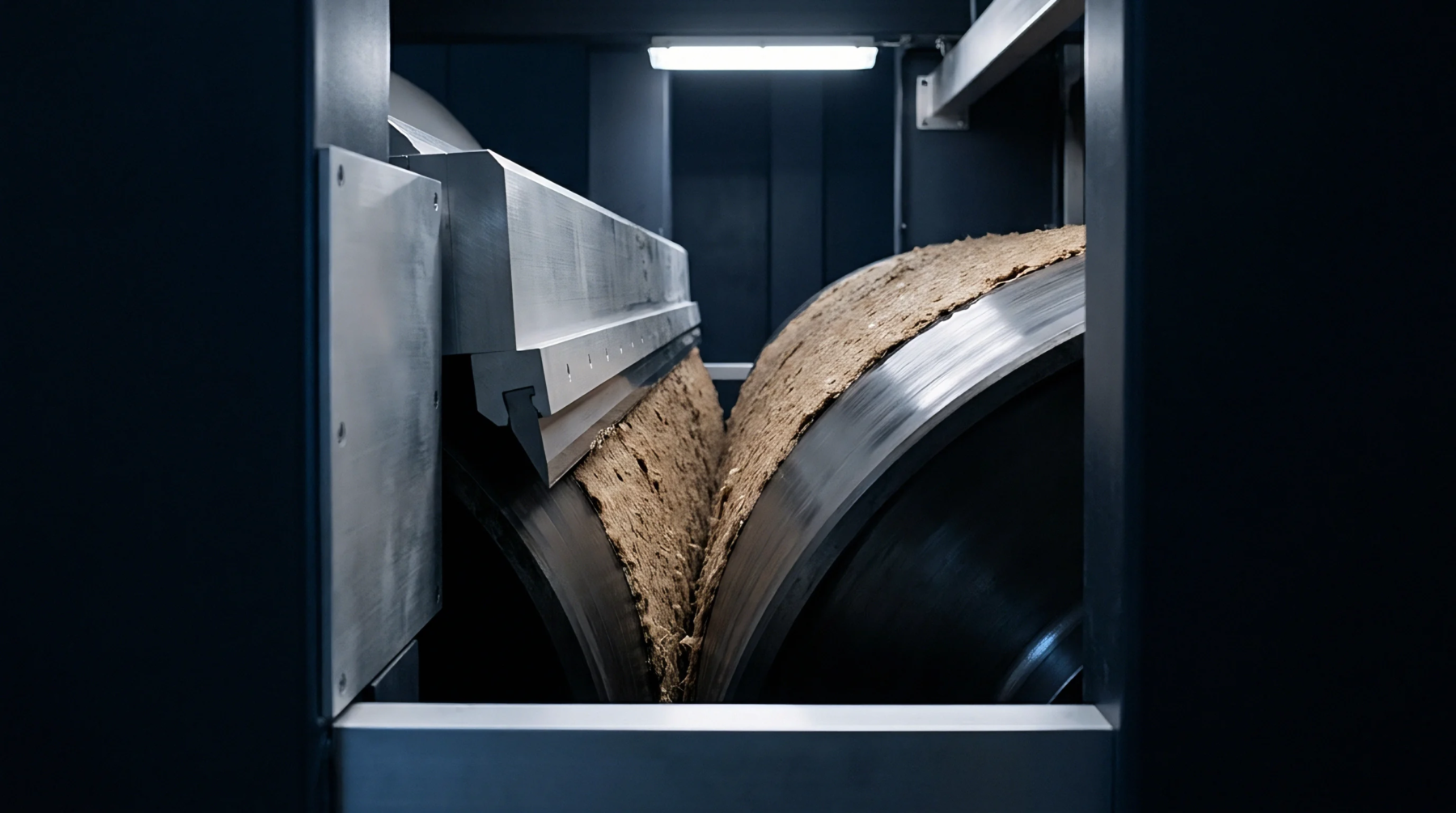
Flory-Huggins thermodynamic modeling predicts slip amide migration across polyurethane adhesives, preventing laminate bond failure and seal contamination.
Polyolefin slip additives migrate along concentration gradients to form weak boundary layers that terminate adhesive crosslinking and cause delamination.
In situ optical coherence profiling reveals that Marangoni convection transports silica to the coating surface within eighty milliseconds before gelation.
Confocal Raman depth profiling maps overprint varnish thickness and cure conversion across ink interfaces with micron-scale chemical precision.
Maintain overprint varnish circulation velocity above 0.8 m/s with yield stress over 0.5 Pa to prevent silica dropout, cell plugging, and gloss drift.
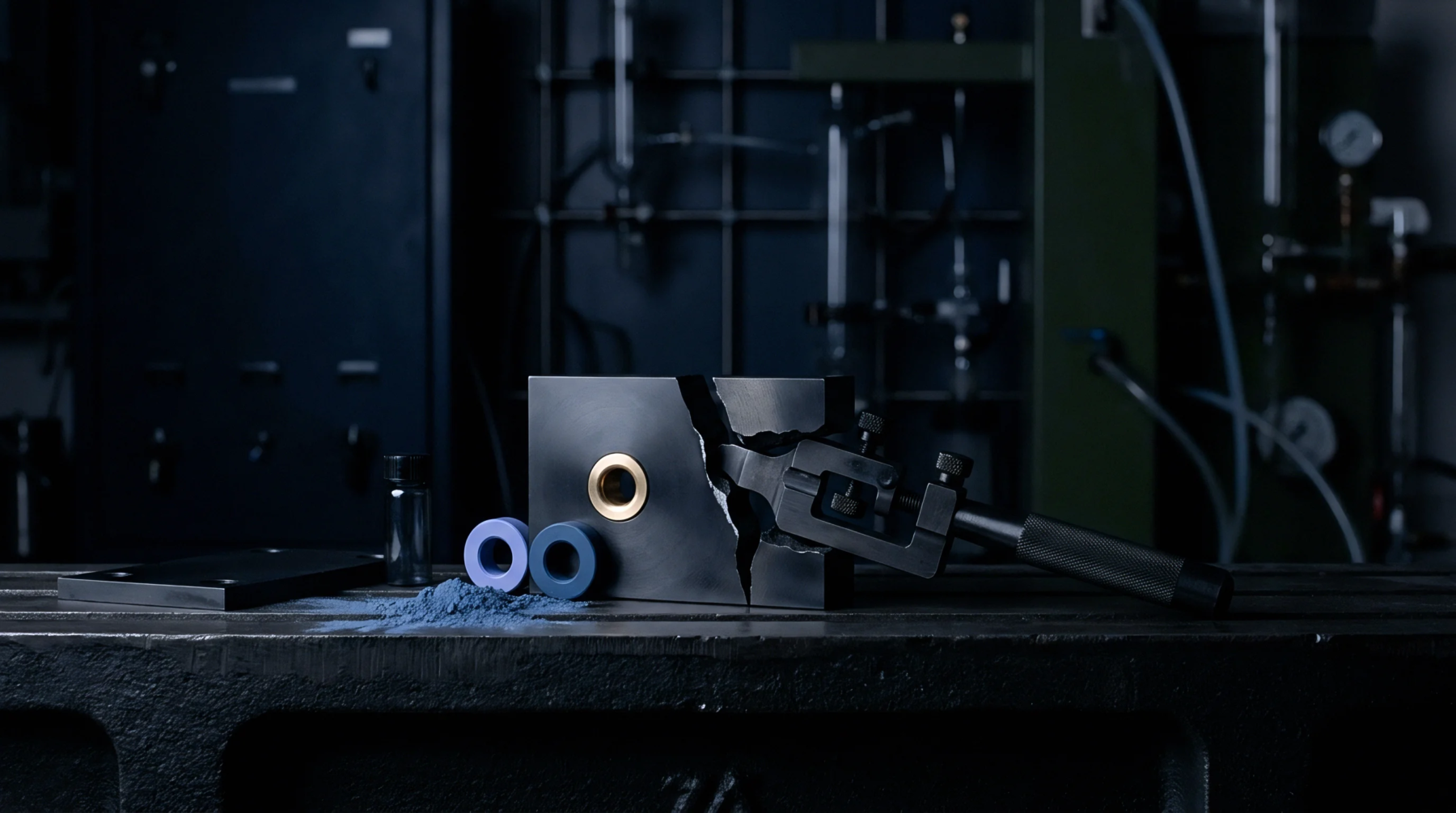
Dynamic strain velocity embrittles recycled multi-ply board, requiring widened crease channels and derated insertion speeds to prevent score line delamination.
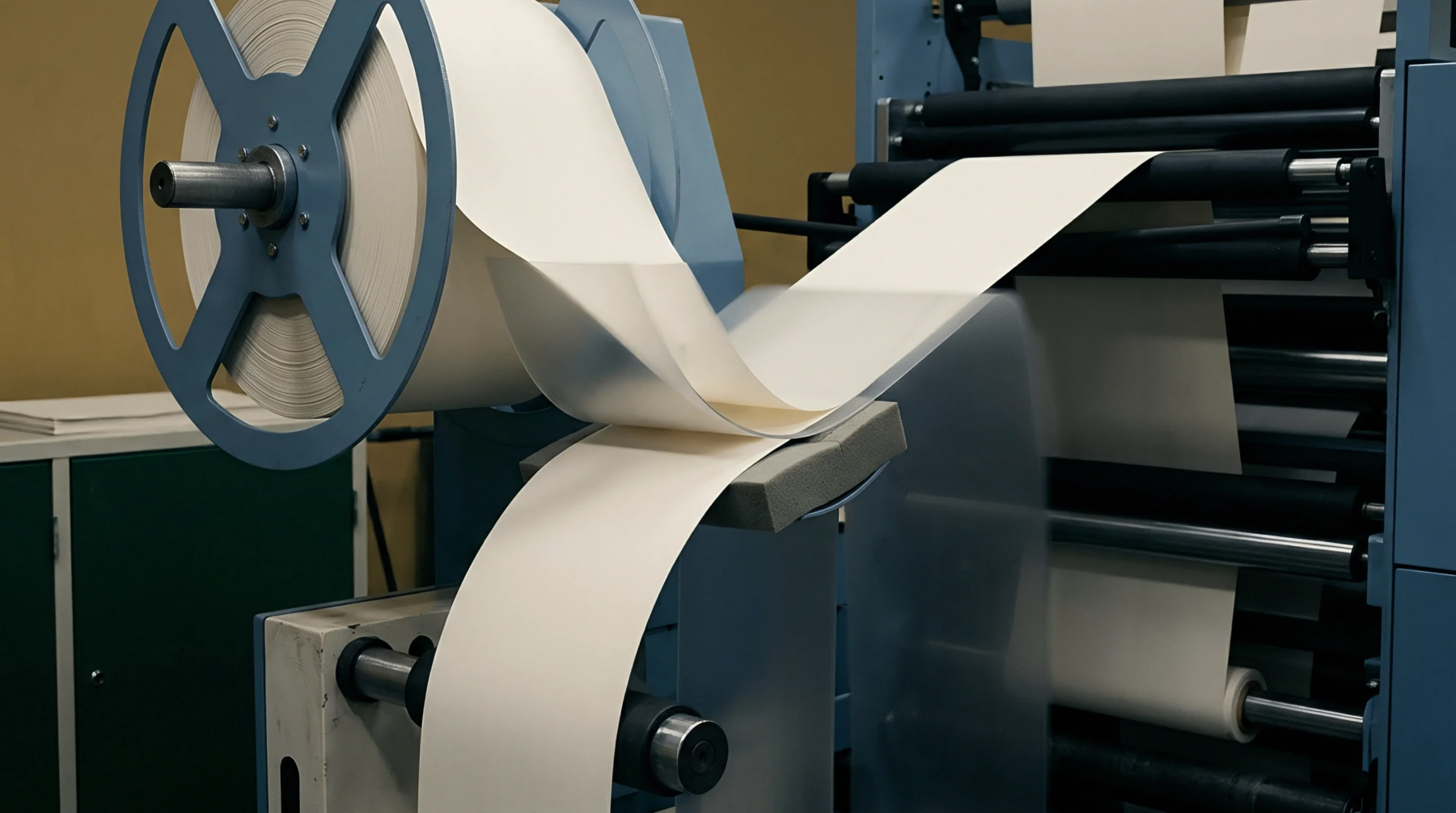
Optimizing high-speed board converting requires nonlinear viscoelastic models that tune matrix clearances and nip temperatures to microsecond dwell times.

Controlled transverse shear delaminates the middle ply into sliding plates, lowering folding torque and protecting outer coated liners from tensile fracture.
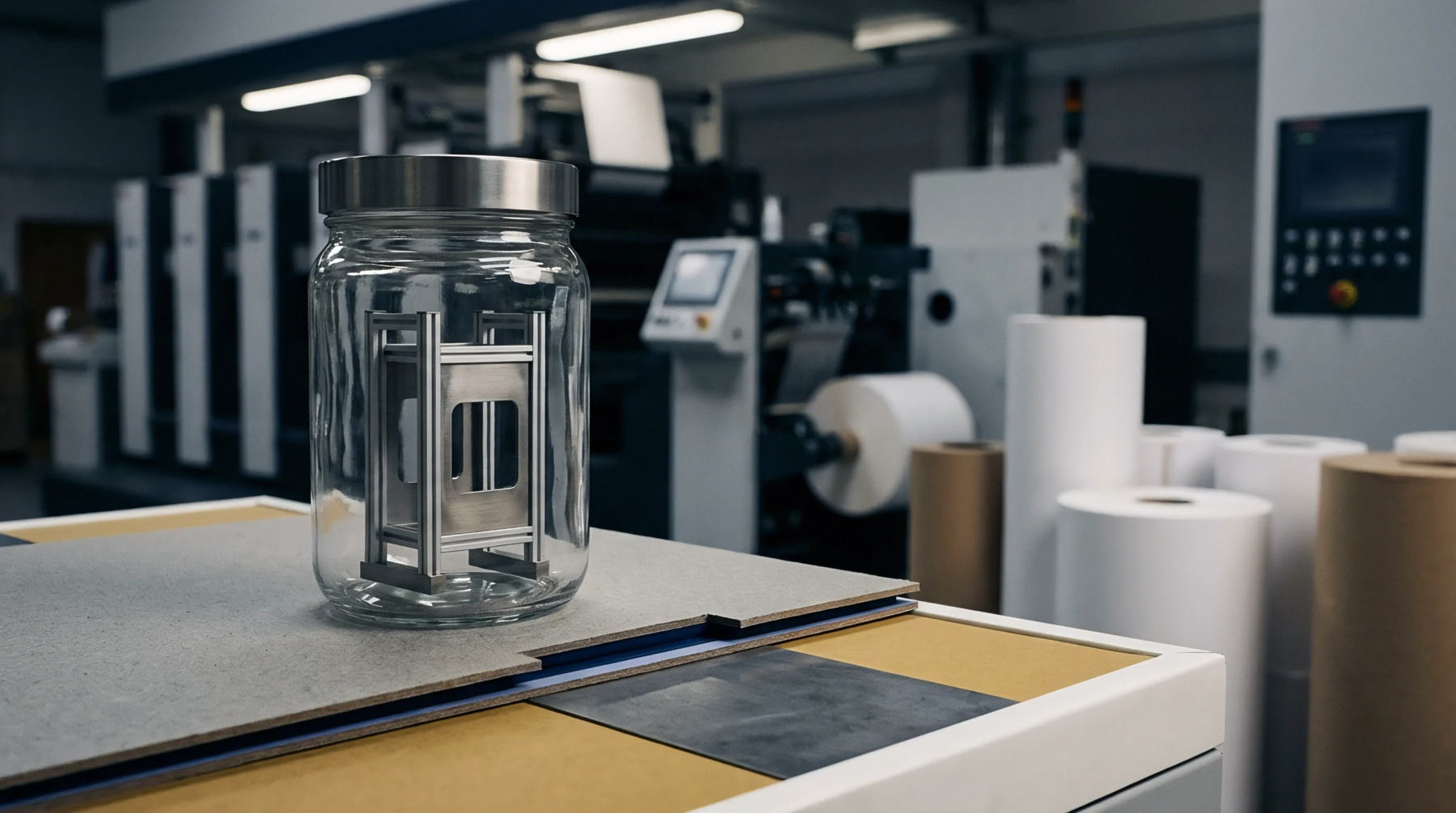
Real-time moisture migration models calculate edge vapor ingress to predict dimensional expansion and box compression decay in sealed paperboard pallets.

Managing hygroexpansion in multi-pass laminating requires balancing substrate moisture, tension, and barrier symmetry to stop curl and register failures.

Maintain board equilibrium moisture between 50 and 55 percent RH to prevent anisotropic fiber expansion, sheet fan-out register drift, and score cracking.
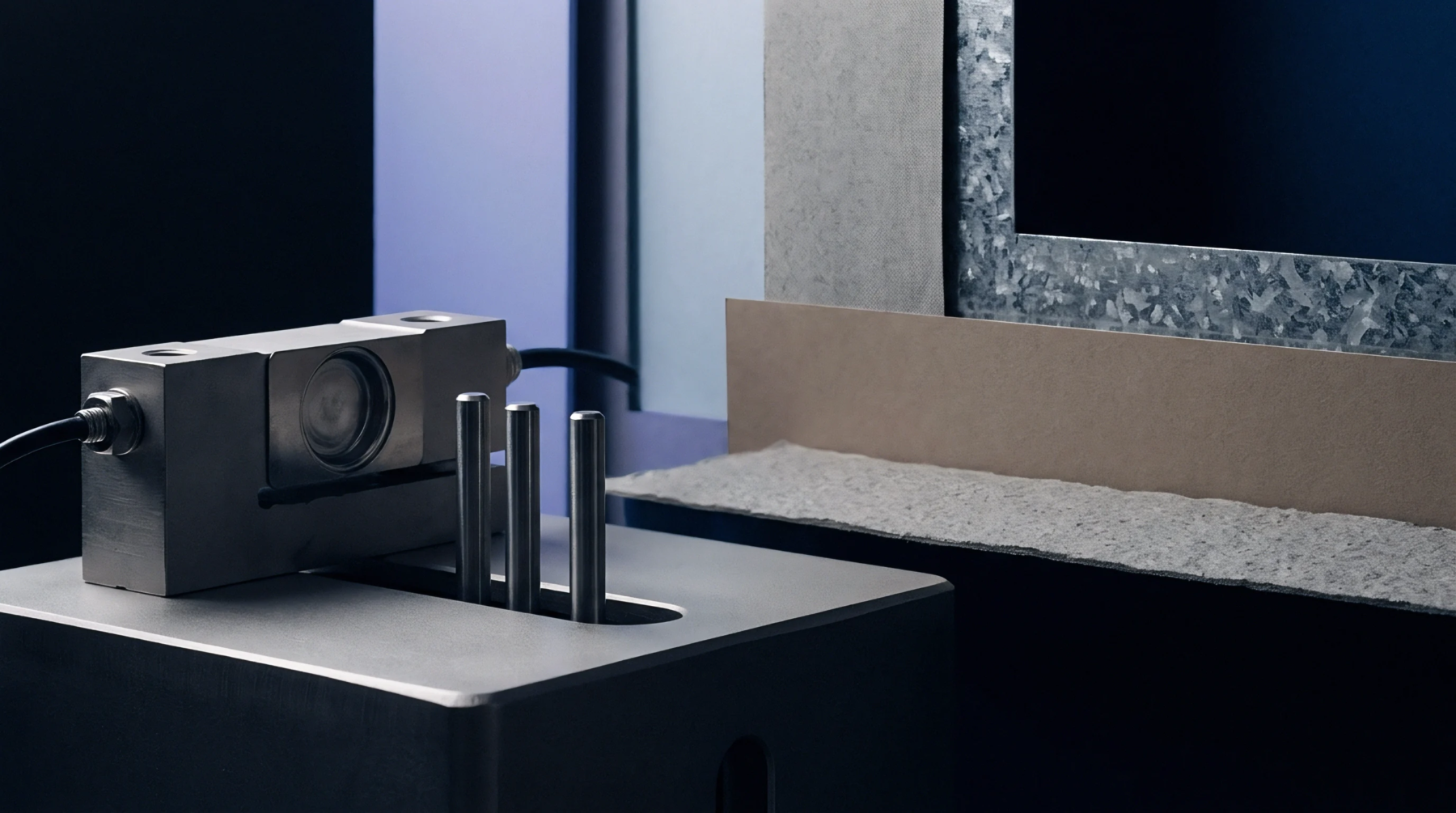
Compressive edge loading drives non-linear barrier failure when localized liner buckling exceeds polymer yield strain, requiring coupled transport models.

Compressive pallet pressure crushes cartonboard micro-roughness, multiplying contact area and forcing chemical migrants into reverse plies during storage.

Set-off migration prediction requires calculating pressure-dependent contact areas and temperature-driven diffusion rates across stacked cartonboard sheets.
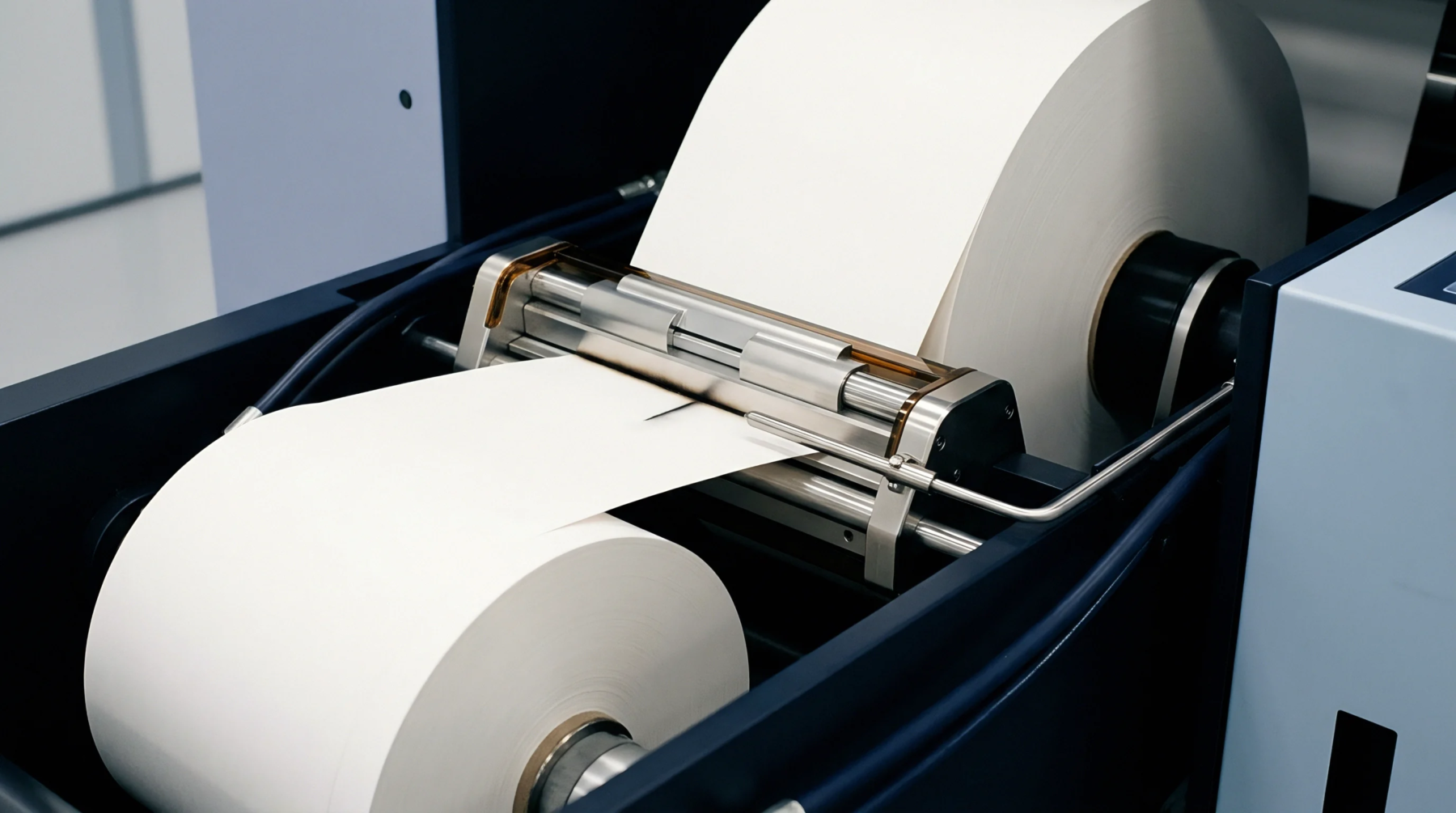
Establishing a 70% gloss retention threshold under calibrated abrasion prevents transit scuffing while maintaining certified recyclability and low EPR fees.

Twenty-degree gloss drops three times faster than seventy-five-degree gloss under Sutherland rub cycles because micro-scratches scatter narrow specular beams.

Abrasion sheen loss in coated cartonboard is quantified by measuring sixty-degree delta gloss after standardized contact-rub cycles under ASTM D5264.
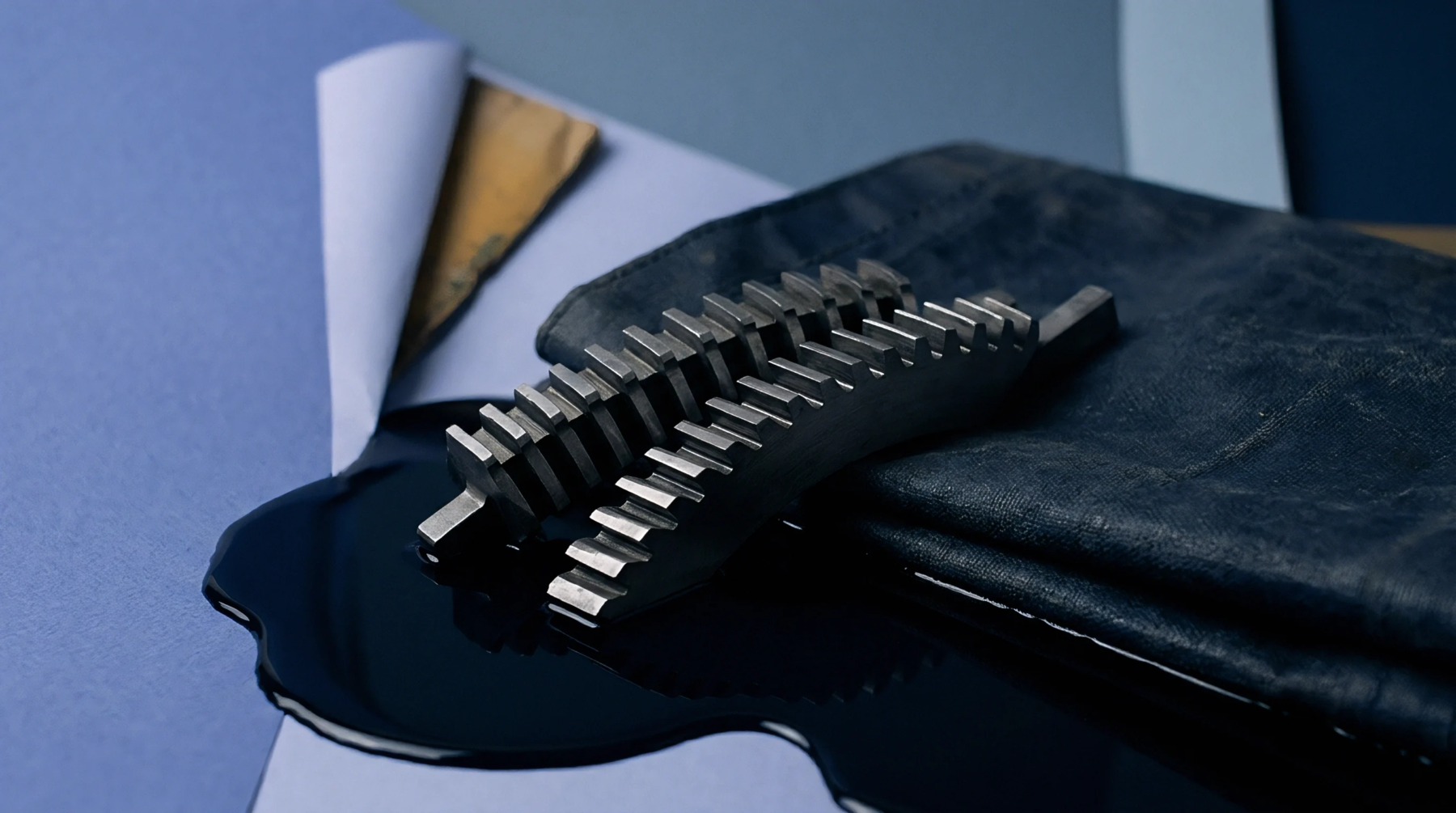
Resolving dispersion coating NIAS migration liabilities requires paired chromatography, Cramer class toxicity screening, and strict set-off control.
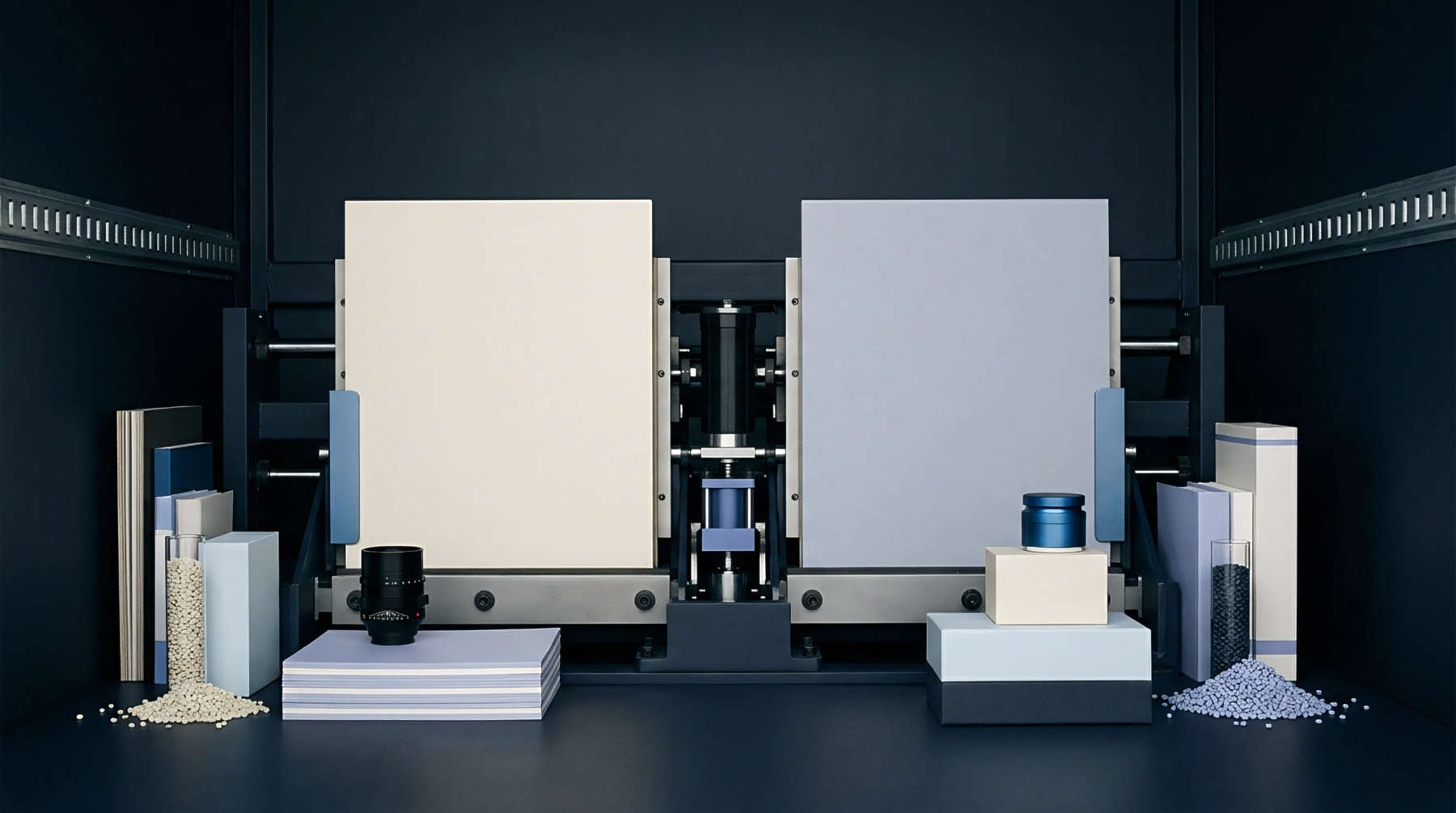
Attenuated total reflectance infrared spectroscopy combined with thermal analysis isolates extrusion resins from dispersion coatings to verify repulpability.
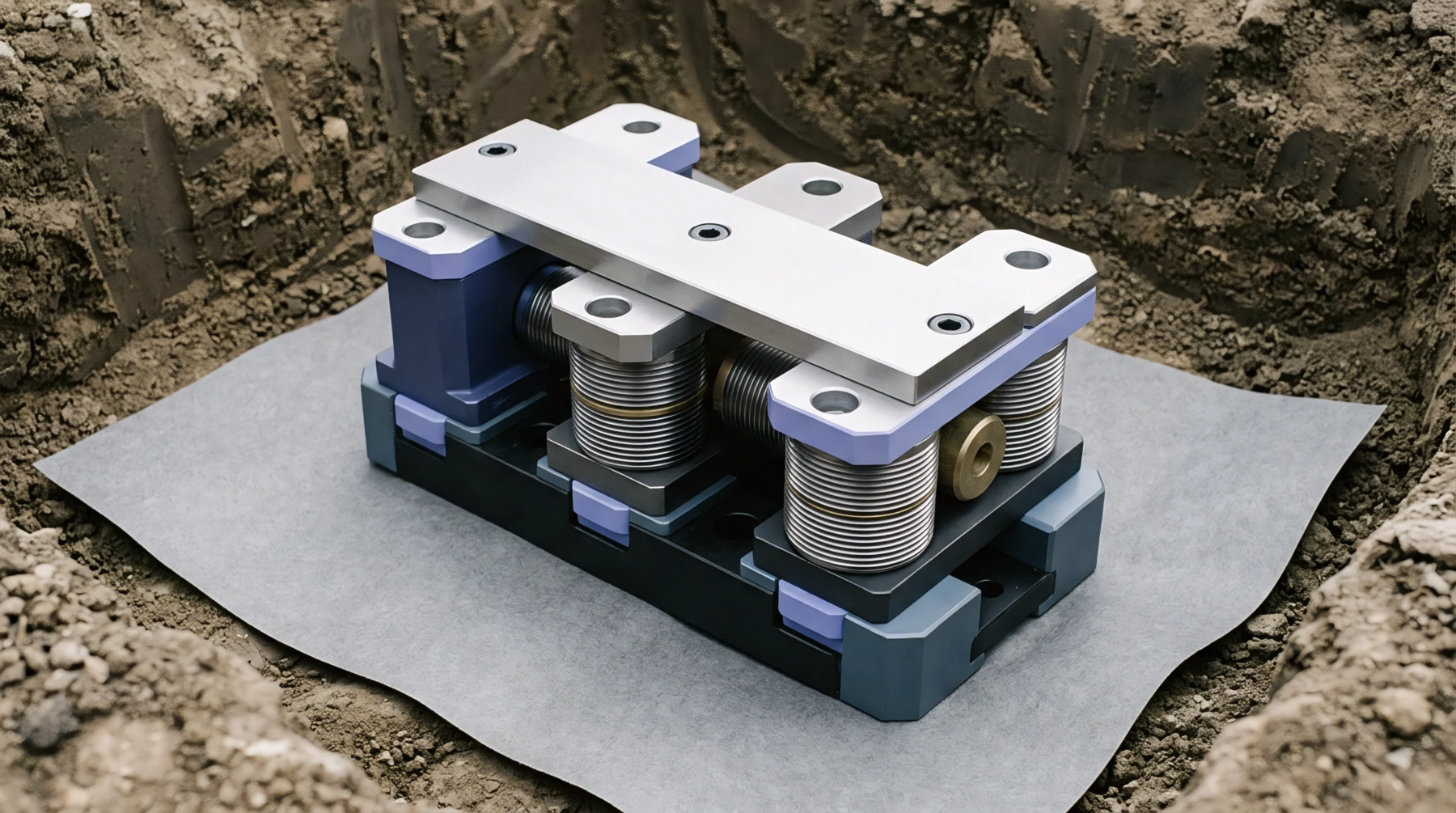
Polymer component screening identifies residual monomers, mobile additives, and degradation products in aqueous food packaging coatings before line conversion.

Kinetic modeling of sorption-induced strain reversion quantifies moisture-driven release of locked micro-stresses to prevent carton curl and score failure.

Thermal dwell matching polymer glass transition arrests micro embossed geometry loss, preventing stack creep from flattening diffraction peaks under pallet storage.

Micro-scale tooling forces hollow cellulosic cell walls past transverse yield, where apex radii under thirty micrometers balance wall densification against fiber shear.
High velocity thermal compression triggers polyolefin chain scission and steam explosion pinholing when moisture flash pressure exceeds melt cohesion.
Expertise is a utility, not a secret. sentiention™ publishes its working knowledge as open reference: intelligence layer covering the materials it sources, the markets it enters, and the reference that serves both.