Differential Brass Die Thermal Expansion Calibration in Multi Impression Stamping
Precompensate brass stamping dies by scaling CAD repeat centers outward from platen origin using inverse thermal expansion formulas before CNC engraving.
Precompensate brass stamping dies by scaling CAD repeat centers outward from platen origin using inverse thermal expansion formulas before CNC engraving.
Thermal impression passes desorb board moisture, driving cross-direction shrinkage that requires scaled tooling and immediate inter-pass humidity control.
Predicting thermal drift across segmented stamping platens requires combining steel thermal expansion equations with recycled board moisture compression profiles.
Pre-press vector files for hot foil stamping require non-proportional scaling to offset paperboard moisture loss and thermal die growth.
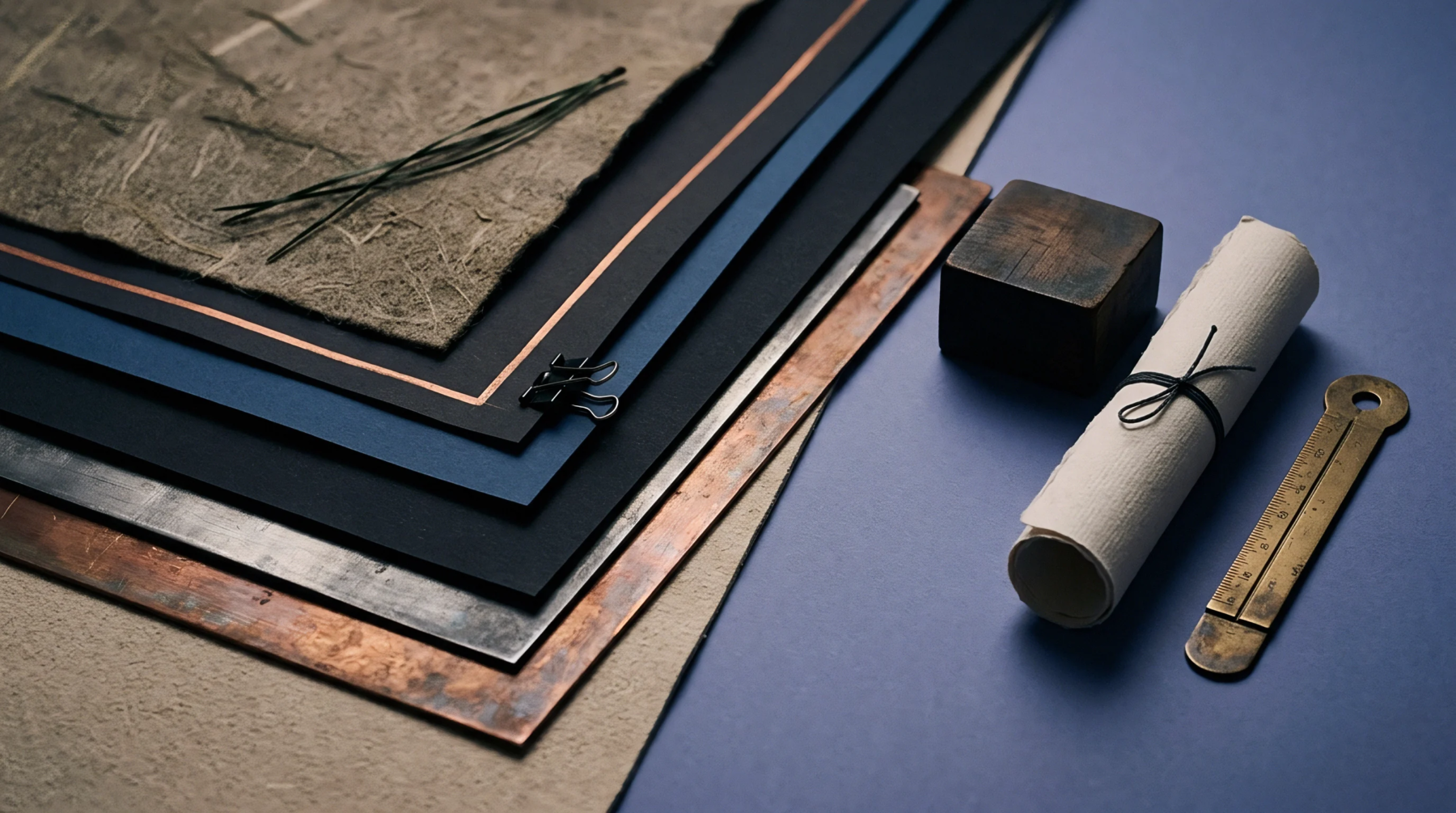
Calculating brass die thermal expansion requires scaling CAD artwork down by the CTE ratio before CNC milling to hit perfect sheet register at 130°C.

Dynamic acoustic matrix monitoring isolates microbuckling in high-speed platen converted packaging cores, preventing hidden structural score line failure.
Dynamic platen drift drives severe internal core shear in laminated boards, requiring balanced die resistance, wider creasing channels, and lower tonnage.
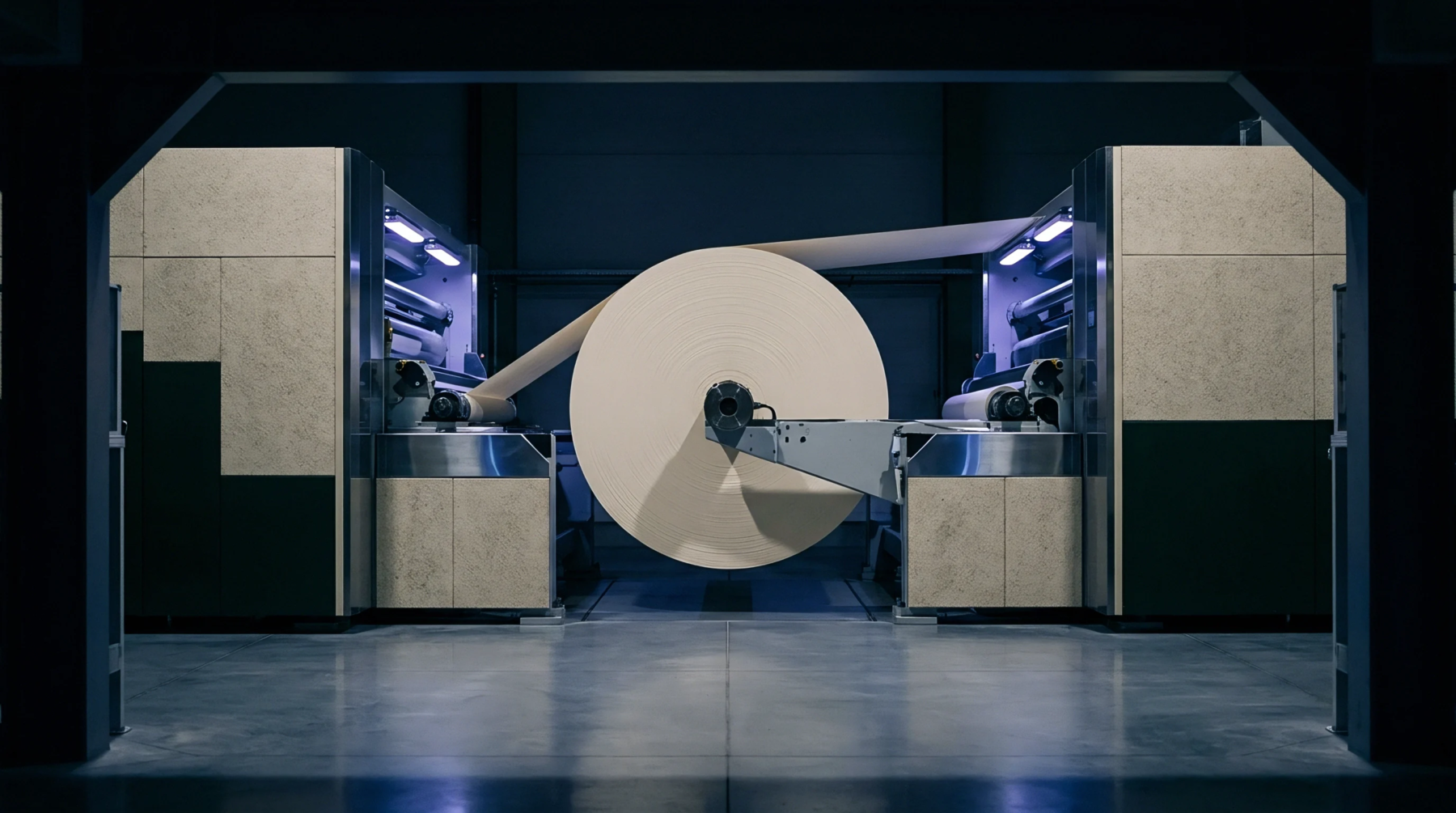
Core shear degradation is measured by dynamic torsional deflection and bore ovality to prevent inter-ply slip, register drift, and web snap at line speed.
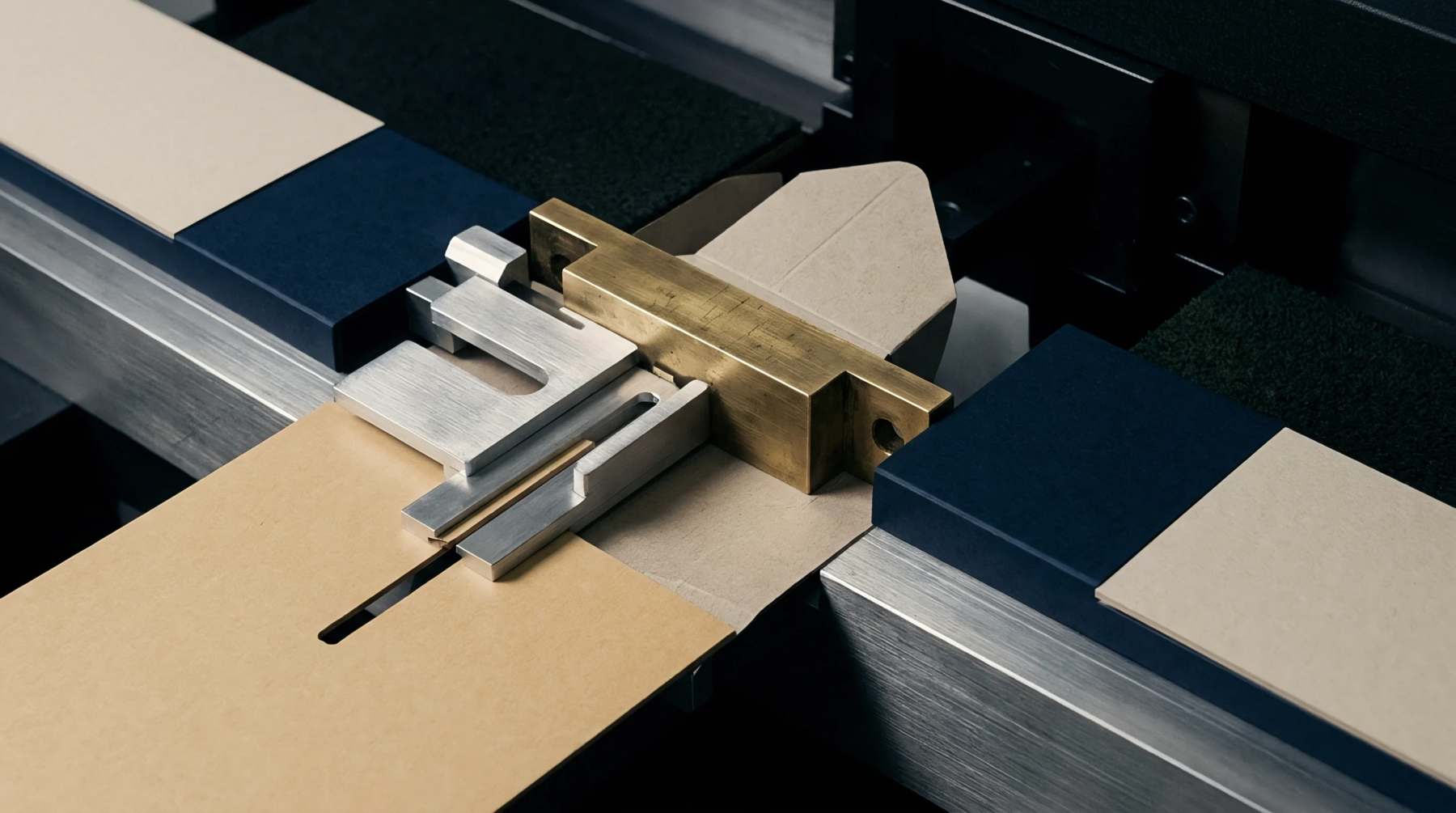
Aqueous dispersion barriers fracture when folding actuation time drops below polymer relaxation time, demanding wider crease channels and flexible latex shells.
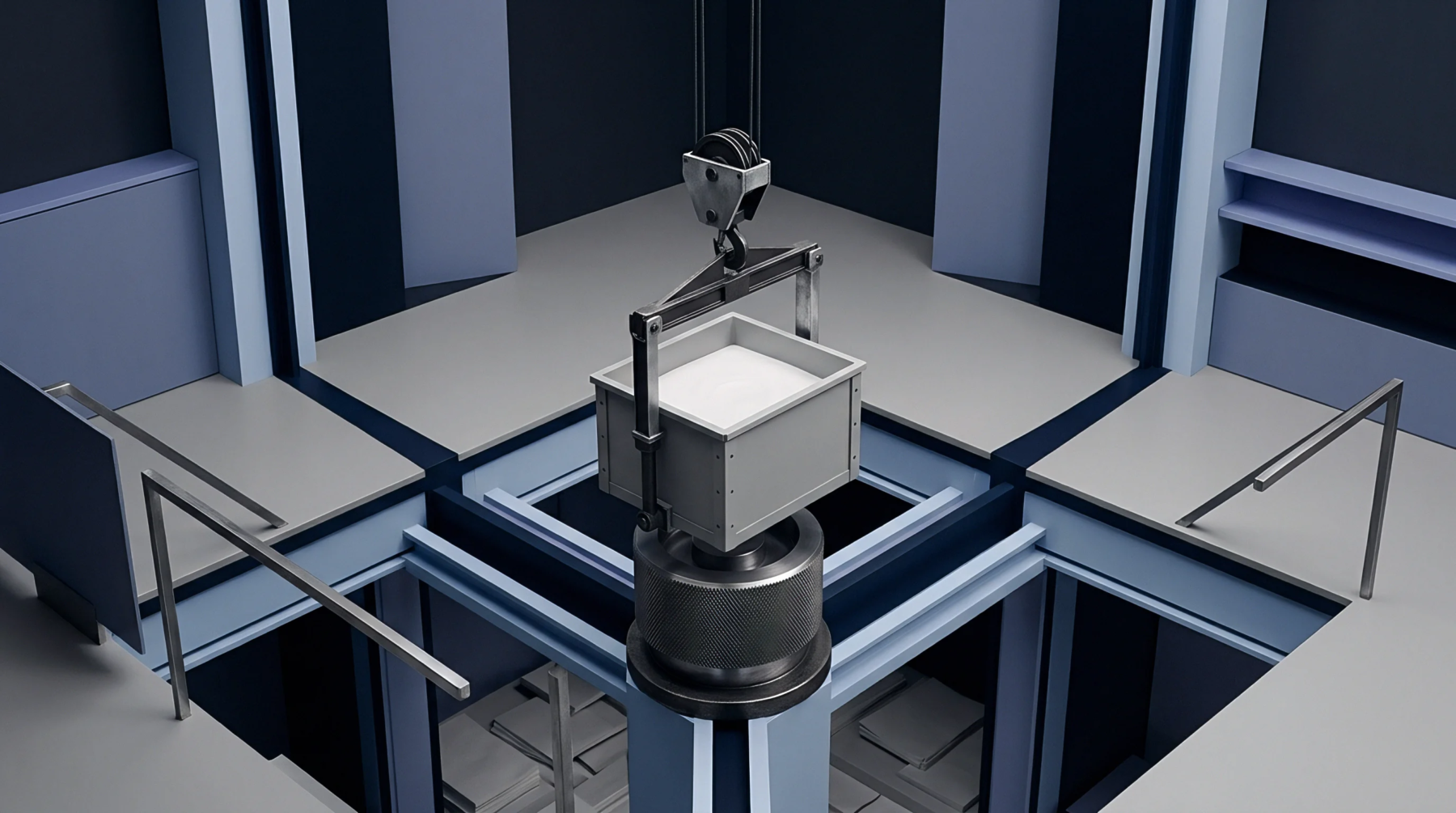
Matching polymer dispersion glass transition temperature to folding line strain rate eliminates micro-cracking and preserves barrier integrity on high-speed gluers.
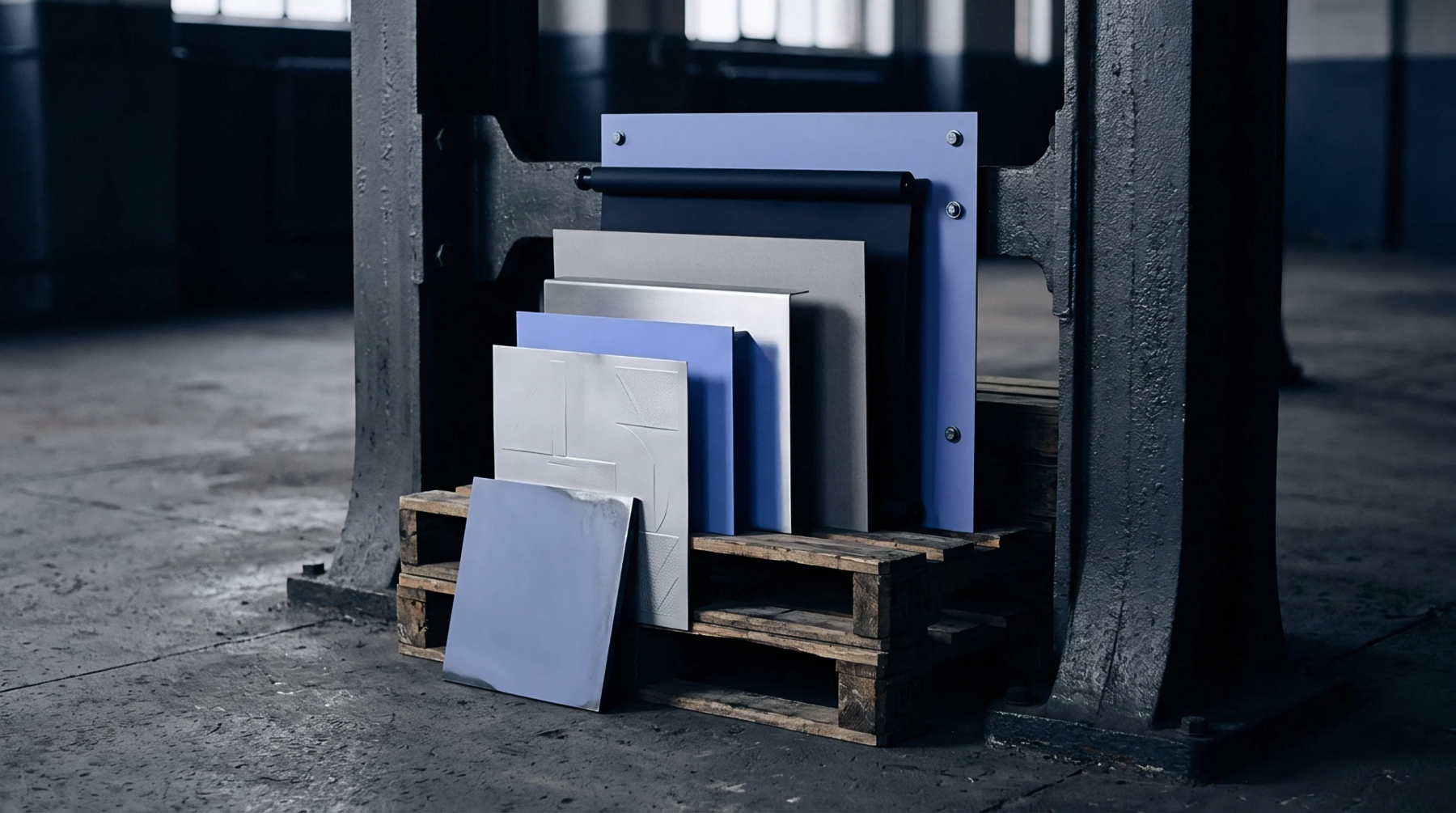
Dynamic crease resistance measures rapid deformation forces during converting, which diverge from static bench tests due to strain-rate coating stiffening.

Calibrating steel counterplate channels for heavyweight virgin board sets width at 1.4 times board thickness plus rule width with 30 degree chamfers.
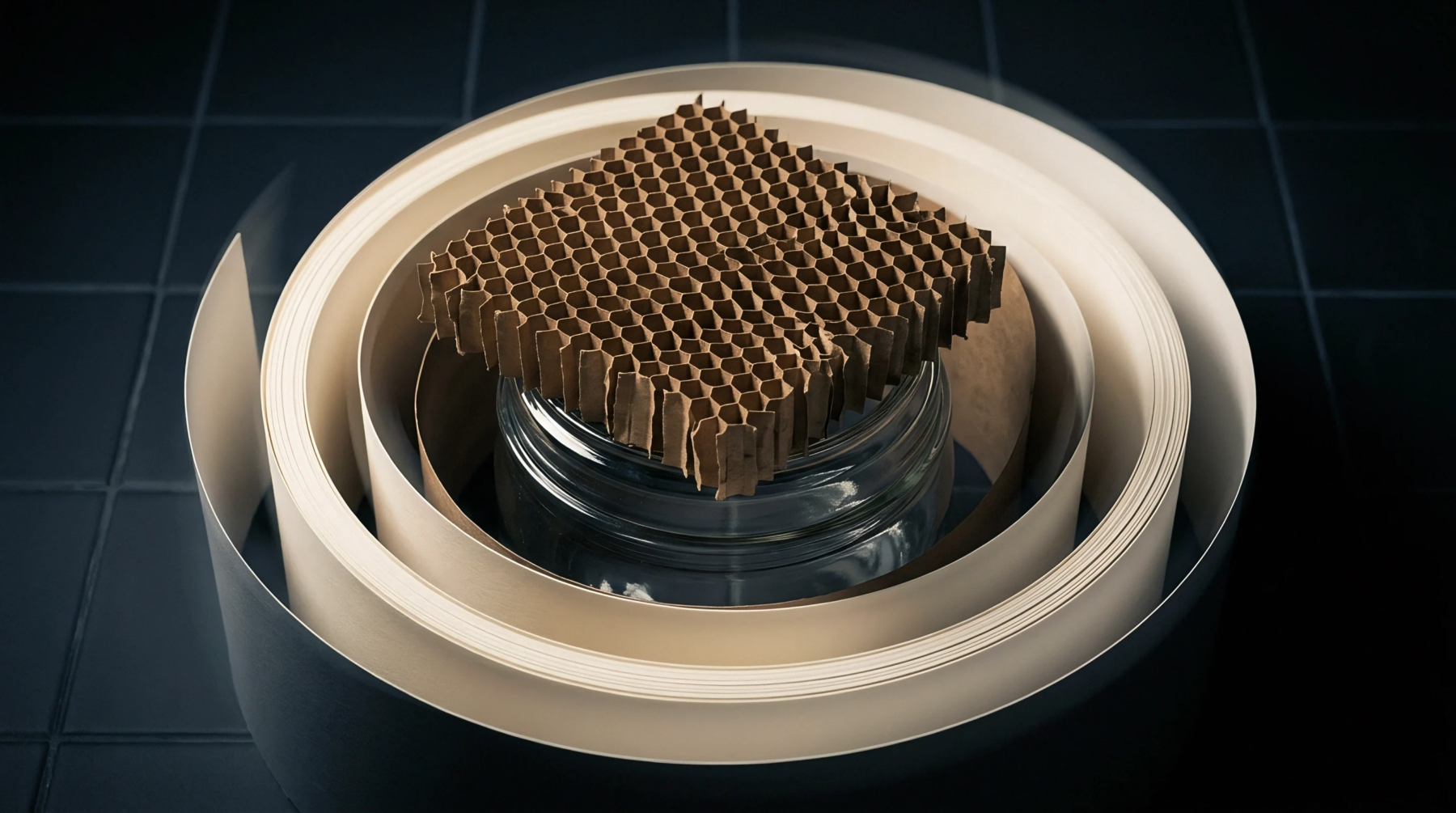
Prevent board surface rupture by calculating localized nip and film tension shear forces to ensure total operational stress stays below substrate ZDT values.

Select creasing matrix depth equal to FBB board thickness and calculate channel width using rule thickness plus 1.5 times thickness with-grain or 1.7 times across-grain.
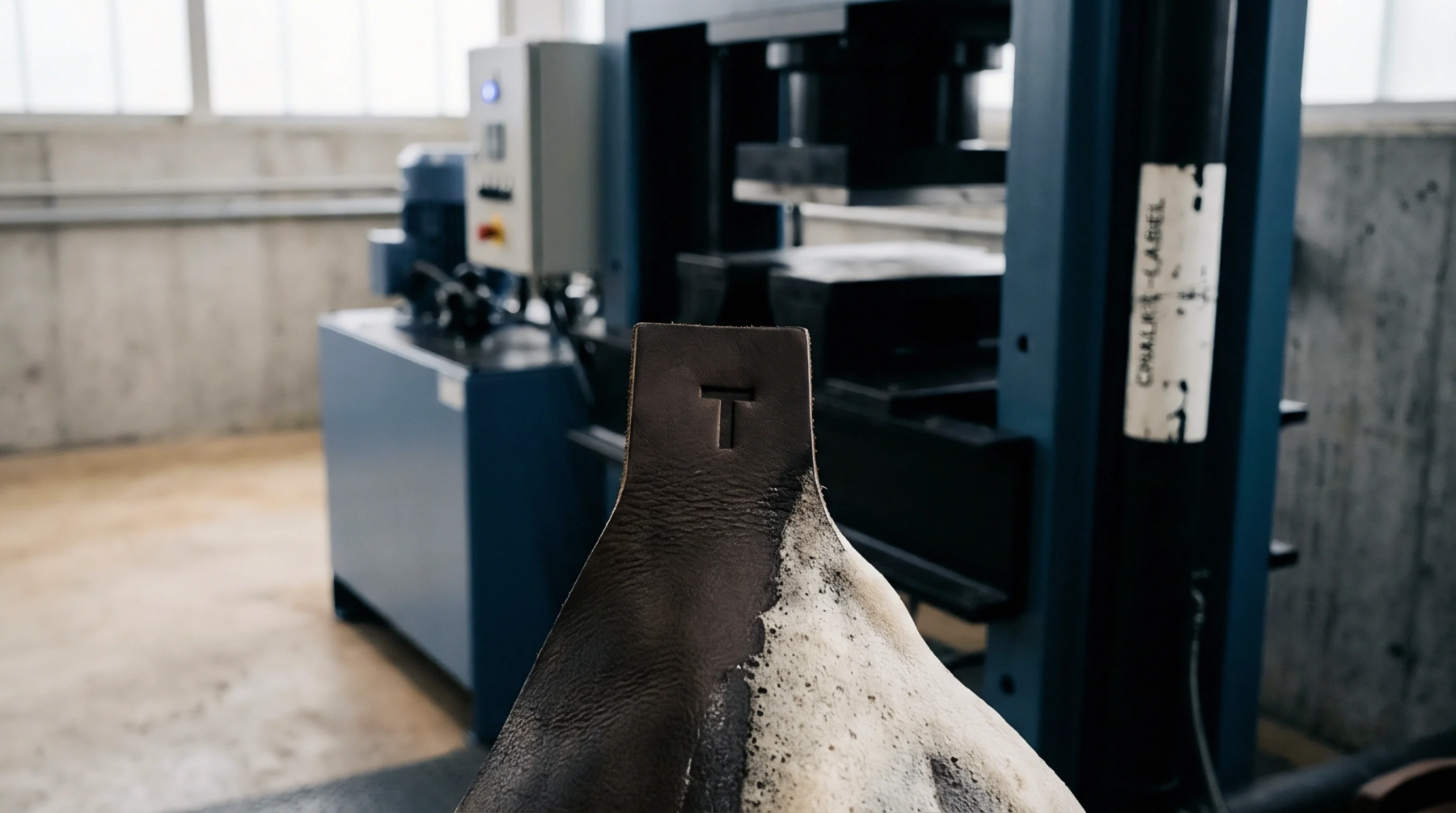
Inline acoustic wave attenuation isolates internal BCTMP core delamination during dynamic scoring, preventing score cracking without over-crushing board caliper.

Air-coupled ultrasonic transducers evaluate internal cartonboard score delamination inline at high speeds without surface contact or web marking.

Ultrasonic time of flight profiling quantifies internal paperboard delamination during creasing by measuring out-of-plane elastic modulus drops.
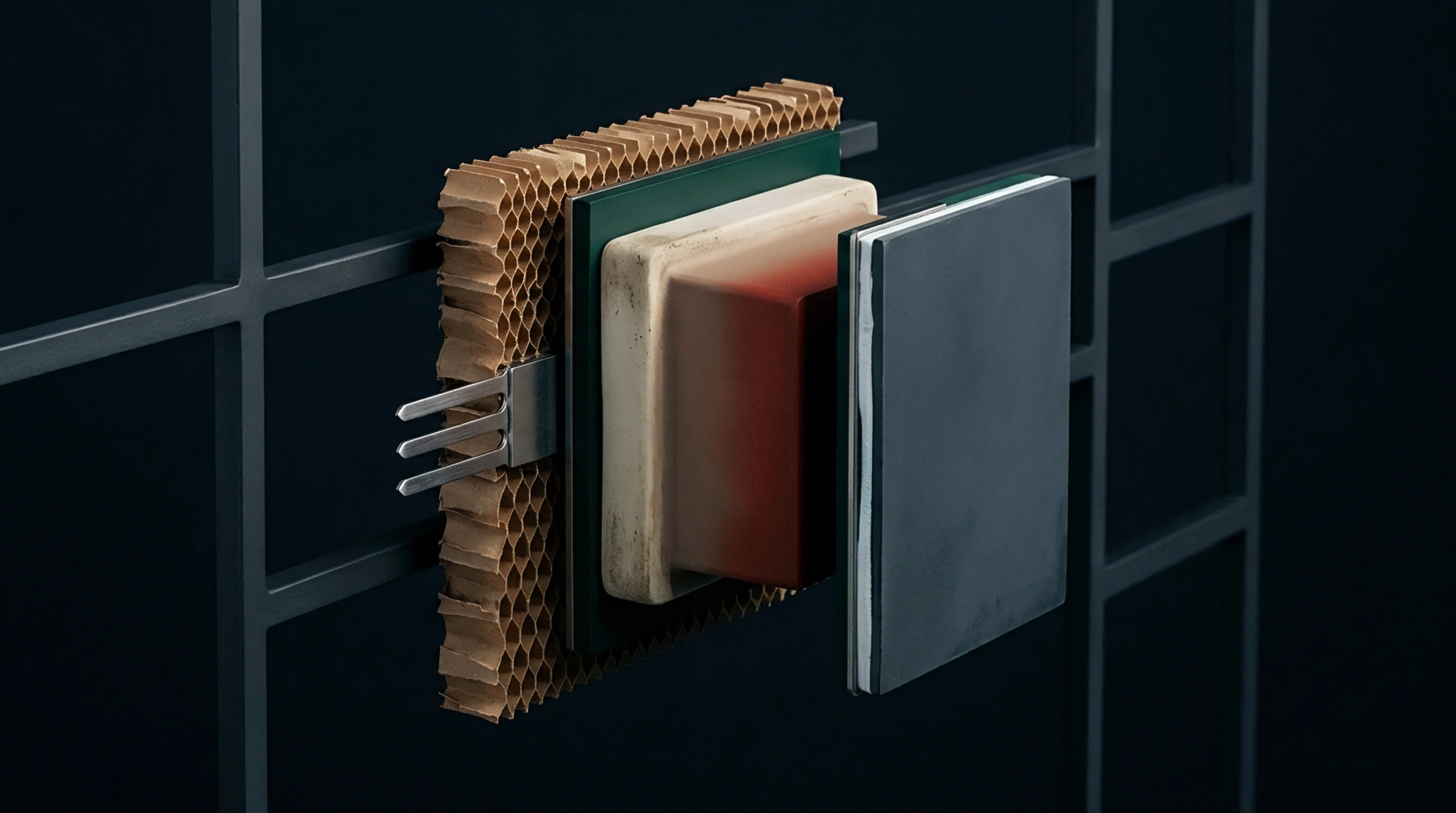
In-line multi-frequency acoustic tomography maps paperboard Z-shear modulus in real time to prevent score cracking and reduce convertor scrap.

Acoustic decay coefficients quantify internal ply delamination along high speed creasing lines, enabling real time detection of liner cracking.

Optimizing paperboard out-of-plane elastic constants allows Z-axis core compaction during heavy embossing, preventing outer-ply surface tensile fracture.
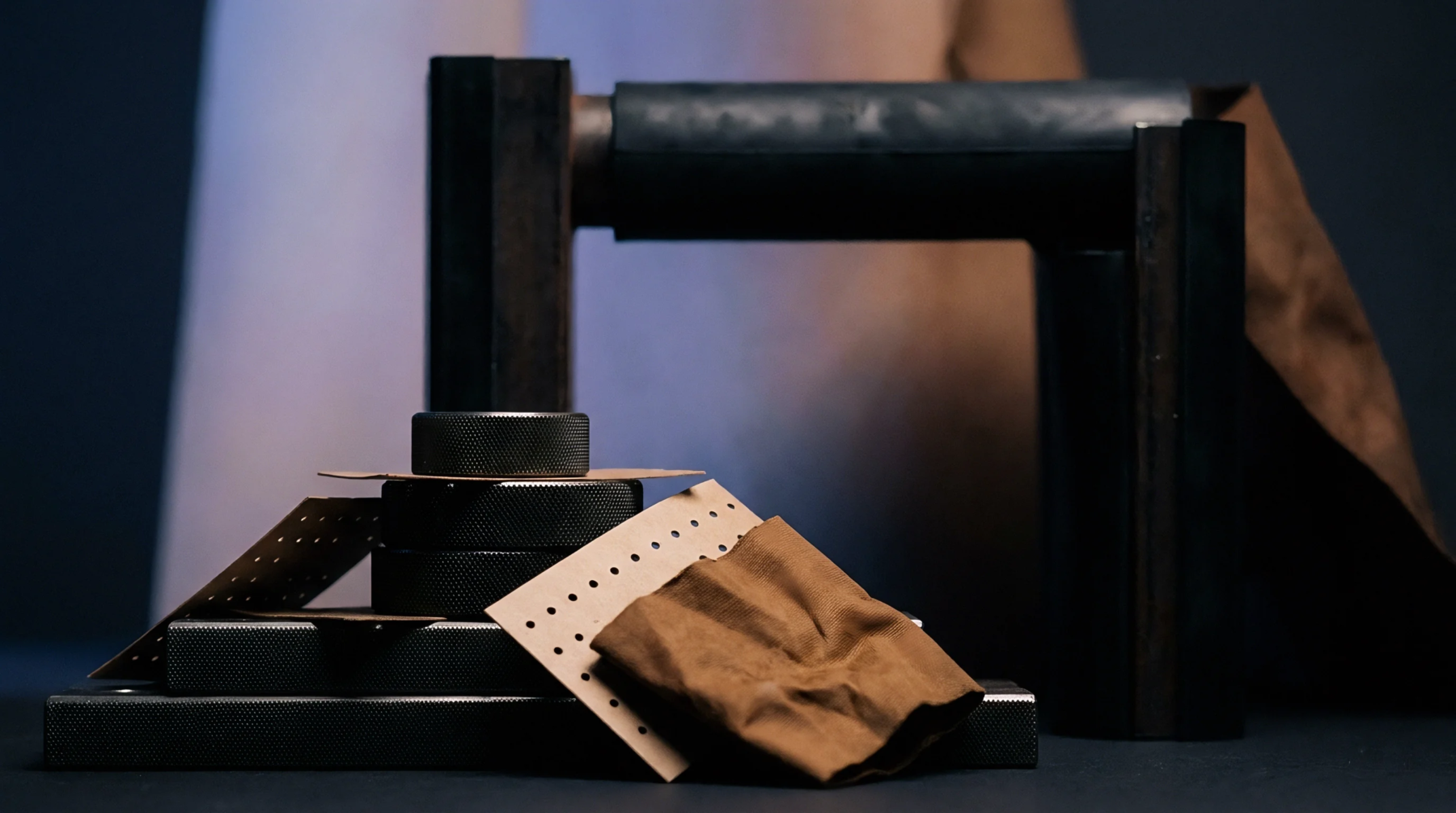
Calibrated high-frequency ultrasonic transducers resolve internal paperboard delamination depth within 20 micrometers without altering sheet moisture or surface energy.

Ultrasonic tensile stiffness index measurements predict ply delamination energy, allowing precision crease die tuning to eliminate score cracking.

In-plane ultrasonic velocity profiling maps fiber orientation angles and stiffness anisotropy non-destructively to prevent carton curling and die-cutting failure.
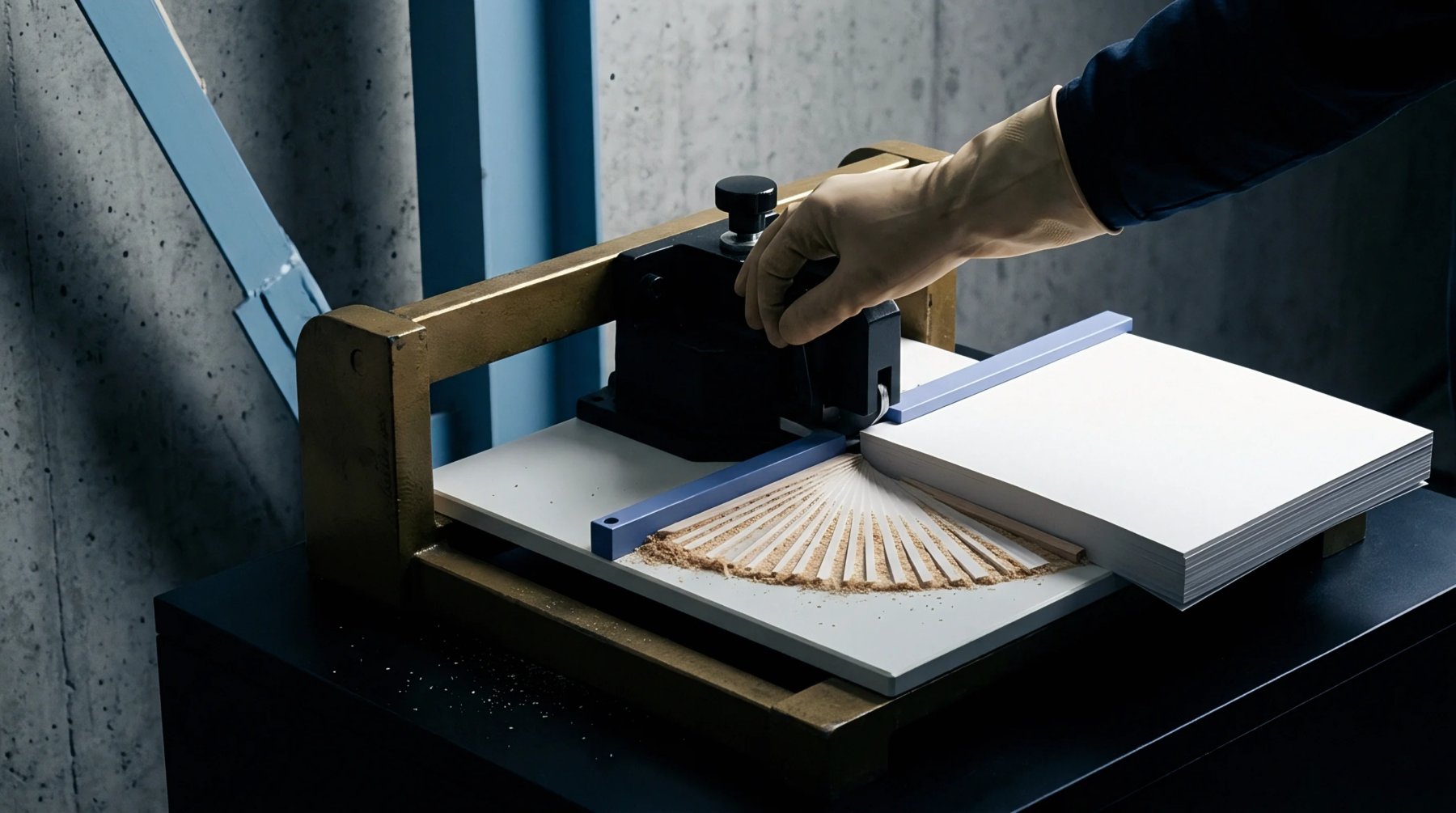
Managing shear rupture in hornified recycled board under cyclic ambient moisture depends on matrix channel sizing and strain release rate control.
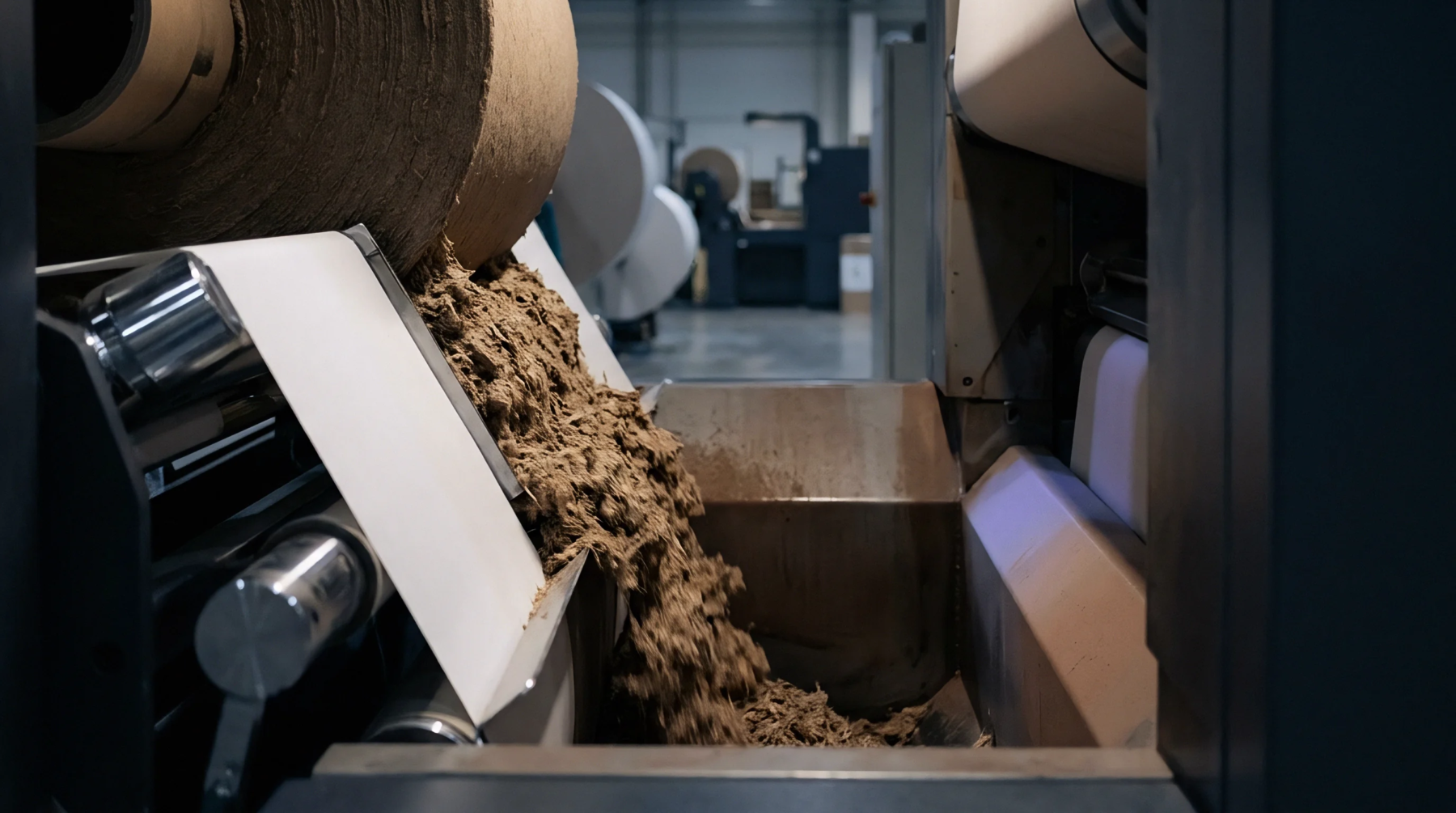
Moisture-induced delamination in recycled board converting is prevented by matching nip shear profiles to moisture-softened z-directional strength parameters.
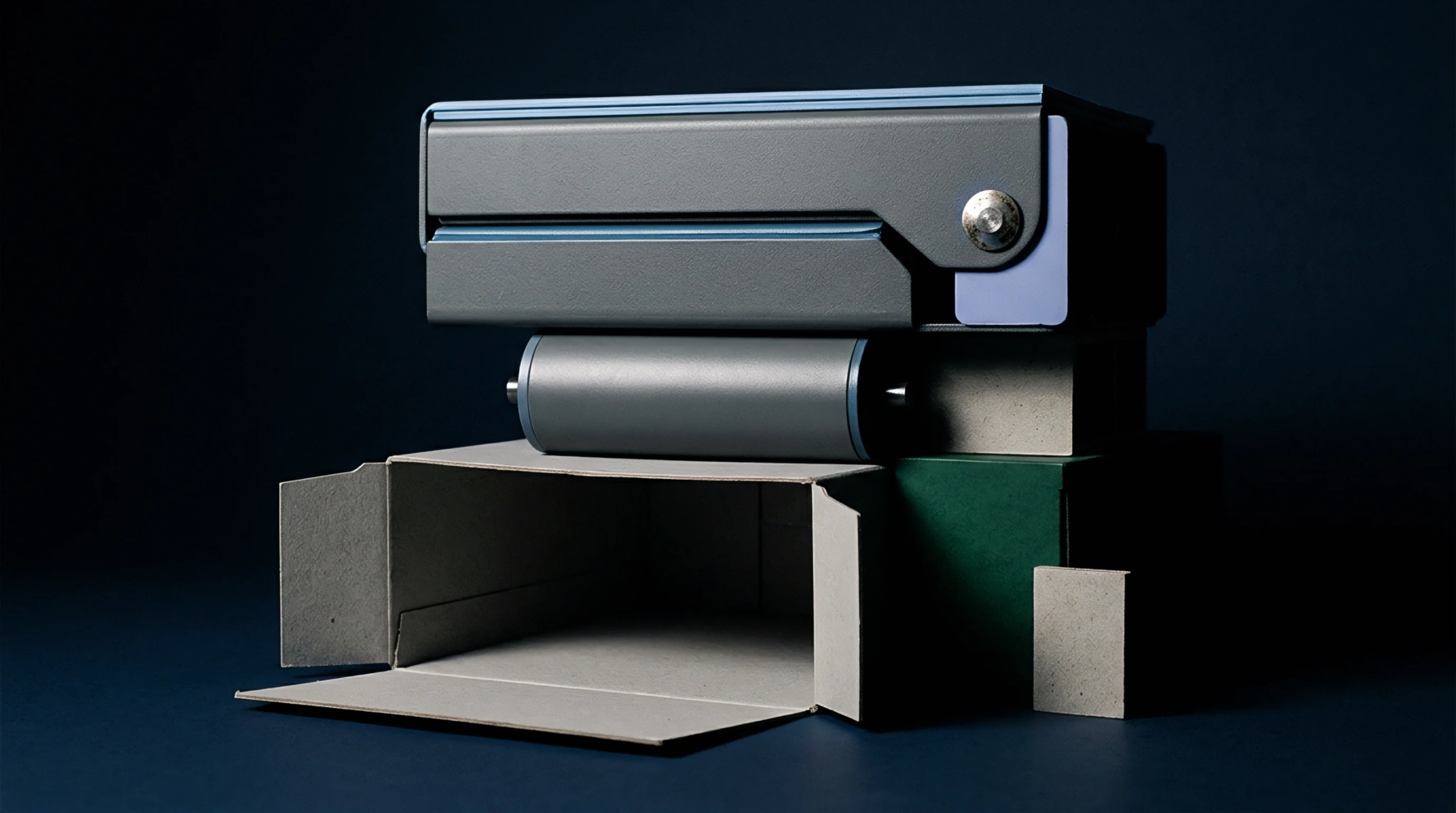
Low relative humidity during converting degrades interply bond strength in recycled boxboard, causing liner delamination during high-speed scoring passes.
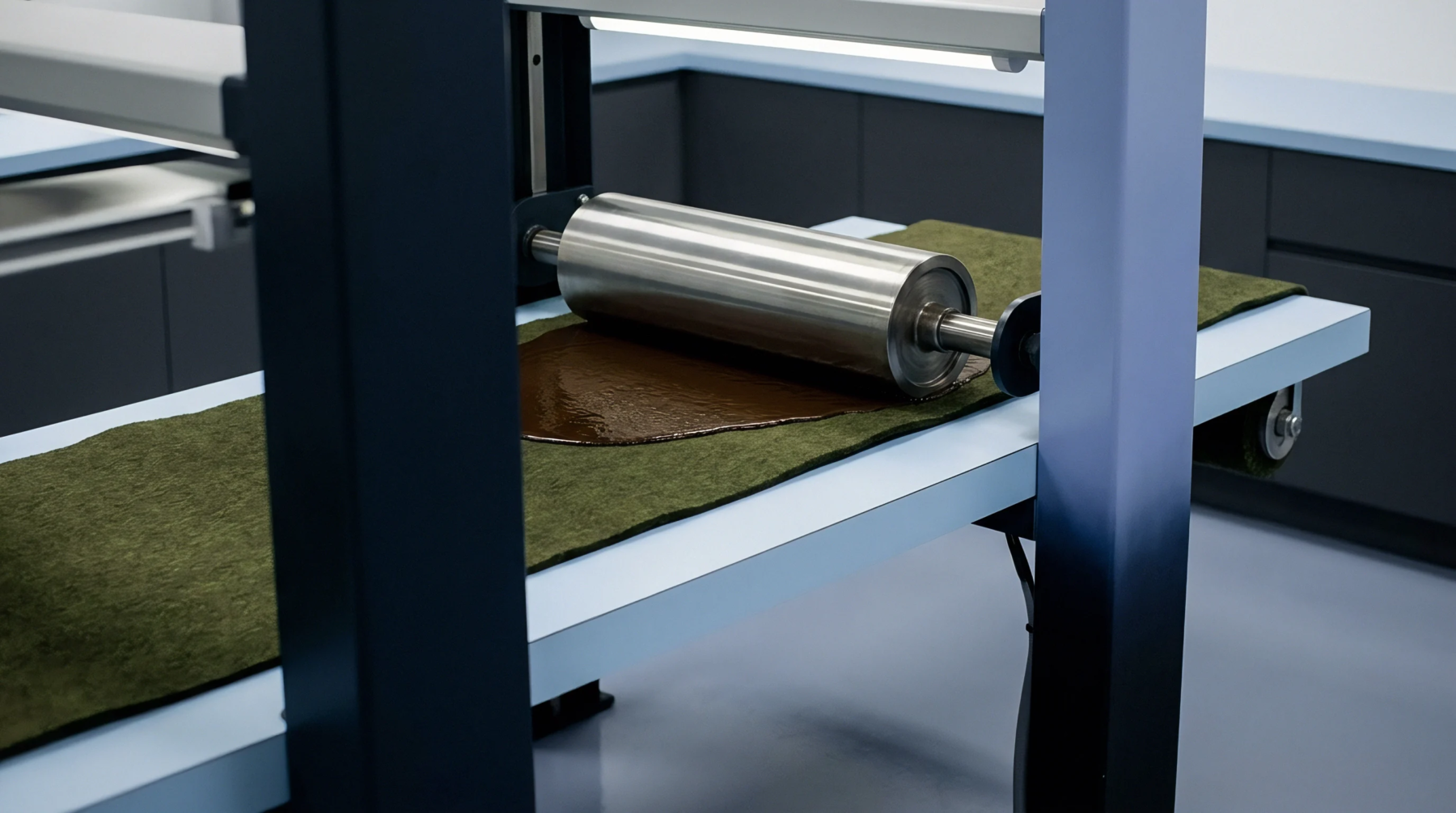
Secondary fiber webs undergo accelerated mechano-sorptive creep during cyclic converting humidity, demanding climate-controlled bays to prevent register loss.
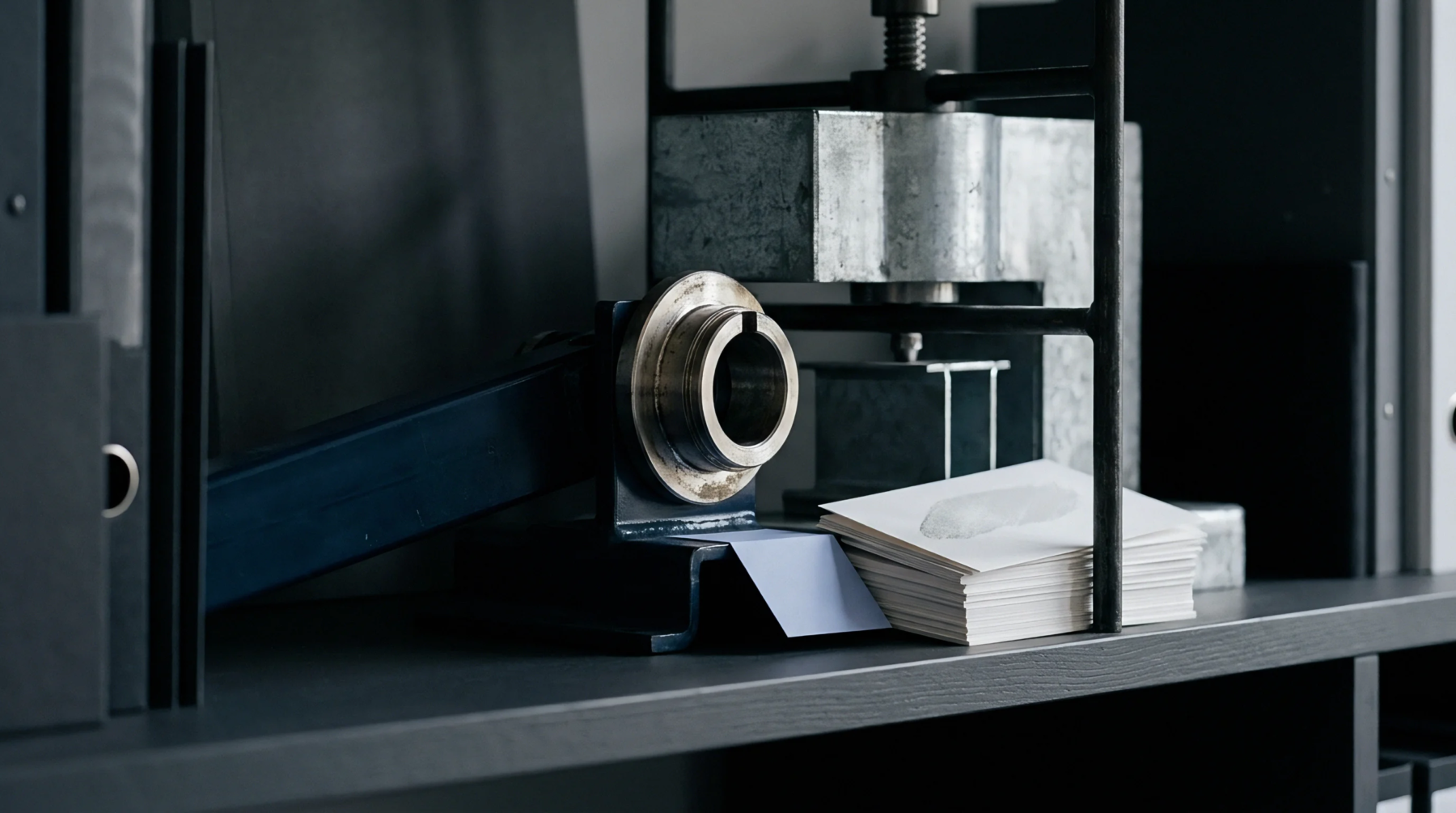
Static Z-tensile tests fail at converting speeds because Mode II dynamic shear energy dissipation governs ply bond stability under microsecond strain rates.
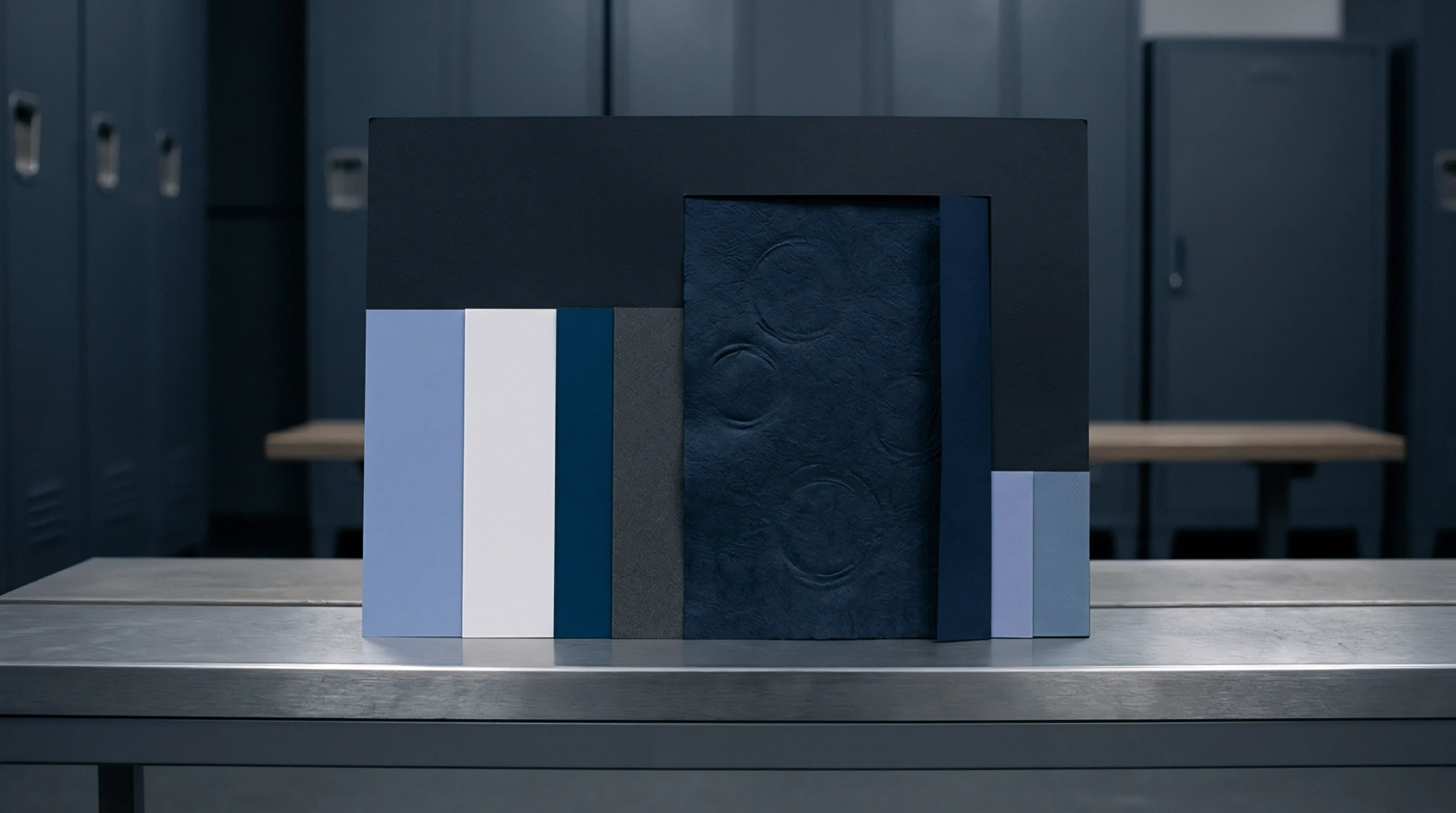
Asymmetric barrier coatings induce unbalancing moisture expansion moments, causing cross-direction panel warp manageable by matching ply elastic moduli.
Moisture-driven delamination in recycled boxboard occurs when swelling middle plies shear weak starch interfaces under finishing stress and asymmetrical barrier curl.
Expertise is a utility, not a secret. sentiention™ publishes its working knowledge as open reference: intelligence layer covering the materials it sources, the markets it enters, and the reference that serves both.