Predicting Dynamic Asymmetrical Thermal Drift across Segmented Stamping Platens on Recycled Paperboard
Predicting thermal drift across segmented stamping platens requires combining steel thermal expansion equations with recycled board moisture compression profiles.

Platen
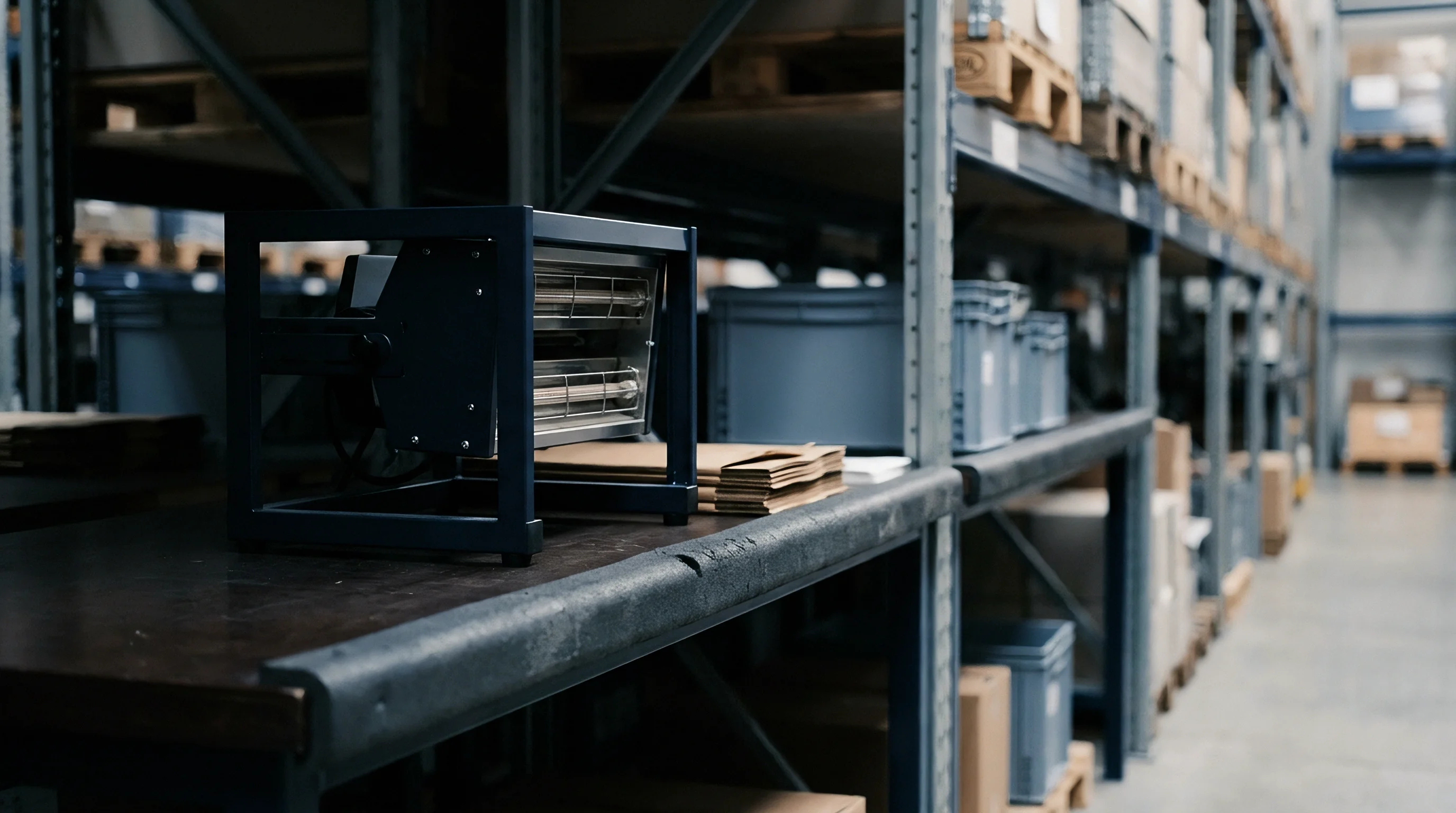
Heavy foil stamping on recycled folding boxboard relies on independent electrical heating elements distributed across multi-zone metal bases to maintain proper release temperatures. When adjacent heating segments operate at different setpoints to accommodate varying die coverage, the metal expands at different rates across the bed length. This thermal gradient generates internal stresses that displace tool mounting locations relative to the sheet gripper line.
Differential Heating Mechanics across Multi Zone Heating Bases
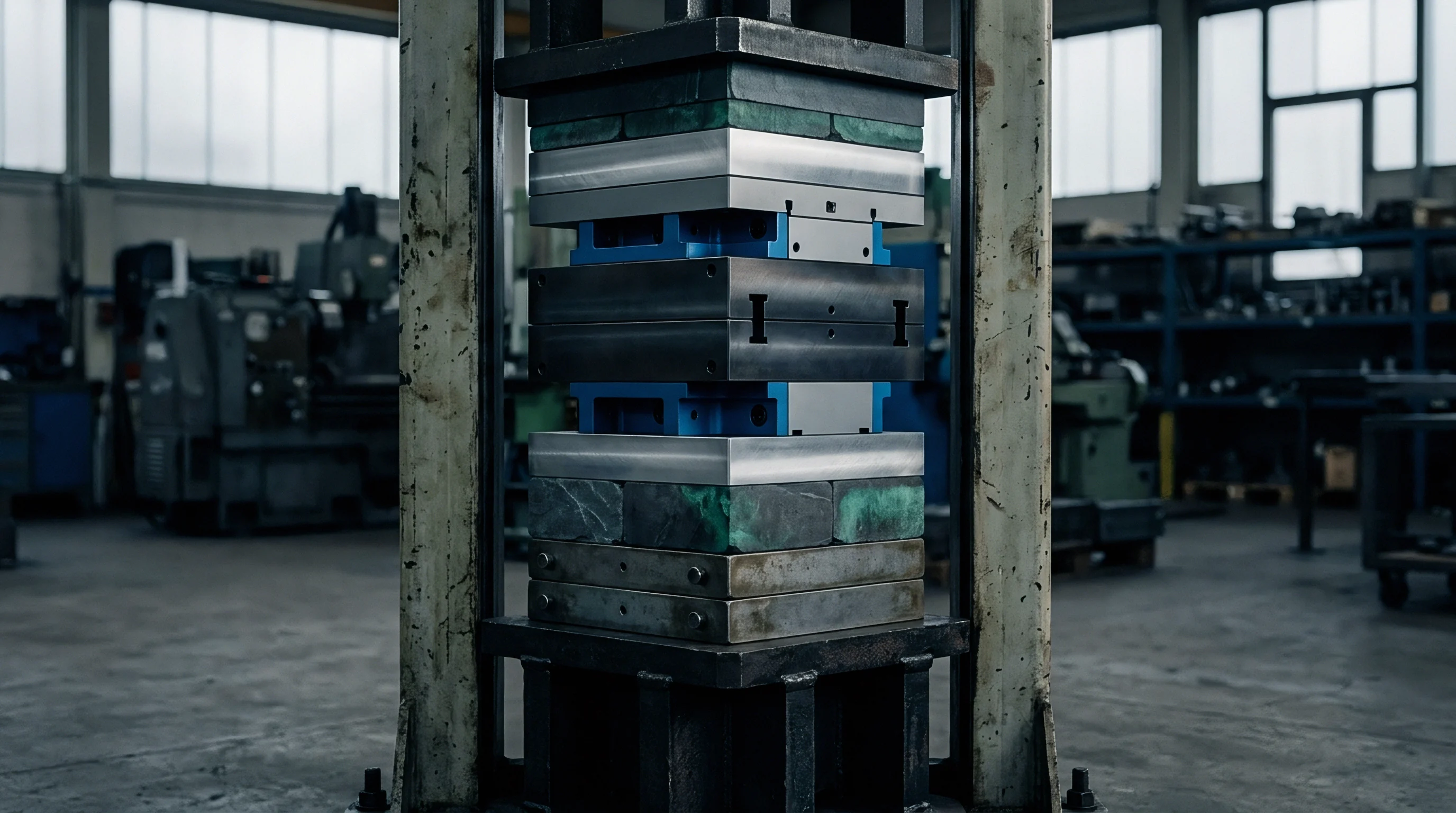
Segmented heating beds utilize isolated resistance elements embedded within forged steel or specialized copper alloy plates. Because outer heating zones lose energy to ambient air and press frame castings faster than interior zones, press operators compensate by driving more power to peripheral heaters, creating localized thermal pockets across the mounting surface. Subjected to these internal gradients, solid metal bases expand unevenly, bowing or warping across the die mounting plane.
The magnitude of structural displacement scales directly with platen dimensions and operating temperature spreads. A central heating zone running at 150 degrees Celsius flanked by unheated or low-temperature zones creates severe lateral shear forces that act directly on die retention clamps, pushing multi-cavity stamping dies out of positional alignment across the impression area.

Asymmetrical Thermal Expansion and Tooling Offset Dynamics
Stamping press bed plates deform along predictable expansion vectors determined by zone geometry and thermal distribution maps. Lateral movement occurs parallel to the press hinge line, whereas longitudinal movement acts along the sheet feed axis. When heating profiles are asymmetrical across the machine centerline, the overall expansion skews diagonally across the sheet area.
- Foil Flaking at Zone Boundaries local shear stresses across adjacent heating elements disrupt film layer separation during foil release.
- Micro Embossing Registration Drift directional expansion shifts fine line steel tooling past the allowable tolerance window of 0.05 mm.
- Substrate Compression Gradient Variance non-uniform thermal transfers alter local surface stiffness, yielding inconsistent impression depth across the impression bed.
- Die Bridge Warping uneven thermal expansion induces internal bending moments within multi-cavity brass die blocks mounted across zone seams.
Precise registration between printed target areas and hot-stamped foil elements breaks down when platen growth exceeds 0.04 mm across individual sheet positions. Recycled board carries variable internal stress and uneven density profiles that exacerbate these registration errors, forcing operators to halt production for frequent manual adjustments during long runs.
A temperature differential of 18 degrees Celsius across adjacent heating zones induces a localized lateral displacement of 0.082 mm along a 600 mm die base at 140 degrees Celsius operating temperature.
Misjudging thermal expansion vectors across zone boundaries distorts multi-color foil registration, leading to rejected packaging batches during customer intake audits.


Coefficient
Mathematical modeling of asymmetric thermal expansion requires mapping localized linear strain across distinct temperature domains in high-conductivity tool steels. Standard tool steel features a thermal expansion value between 11.5 and 13.0 micro-strain per degree Celsius. Calculating physical movement across segmented heating plates involves resolving non-linear differential equations that account for conduction across zone isolation gaps.
Governing Differential Equations for Multi Zone Heat Distribution
Steady-state heat transfer through a segmented plate assembly combines conduction within individual metal blocks and convective dissipation along boundary interfaces. Thermal energy transfer across zone boundaries follows Fourier’s law, modified by interface contact resistance between adjacent segments. Total physical deformation is determined by integrating local thermal expansion values over the full volume of the plate assembly.
Internal thermal gradients produce non-uniform stress distributions across the tool support structure. Heat flow into structural press side-frames adds secondary thermal loads that shift the press centerline during extended runs. Quantitative modeling must combine localized plate expansion values with machine frame compliance factors to predict total registration drift at the nip line.
| Zone Temperature (°C) | Steel Thermal Expansion (µm/m·K) | Local Heat Flux (kW/m²) | Calculated Lateral Drift (mm/m) |
|---|---|---|---|
| 110 | 11.8 | 4.2 | 0.035 |
| 130 | 12.2 | 6.8 | 0.061 |
| 150 | 12.6 | 9.5 | 0.088 |
| 160 | 12.9 | 11.1 | 0.103 |

Dynamic Transient Strain Calculations under Intermittent Dwell
Transient thermal conditions arise whenever production speed changes or during press stops, which cause rapid surface cooling while internal heating elements remain energized. Thermal recovery cycles then produce sharp spikes in localized plate growth upon restart. Predictive calculations must evaluate these transient temperature states to anticipate physical displacement before sheets enter the impression zone.
- Measure the baseline spatial temperature profile across all heating segments using calibrated thermography during thermal equilibrium bring-up.
- Record continuous localized surface temperature shifts across impression cycles at maximum production speeds.
- Compute directional expansion vectors by evaluating local temperature differences against the thermal expansion properties of the mounting base material.
- Map the calculated expansion vectors into the press registration software to apply precise counter-positioning adjustments before tool locking.
Analytical calculations assume uniform thermal contact across plate interfaces, but surface roughness and mechanical clamping pressure variations alter local heat flux lines in practice. Engineering teams must calibrate structural expansion equations against physical measurements taken under full operational tonnage.
Whether high-frequency inductive heating arrays can completely eliminate spatial thermal gradients between adjacent tooling zones during prolonged high-speed production runs remains unproven across commercial converting operations.

Substrate
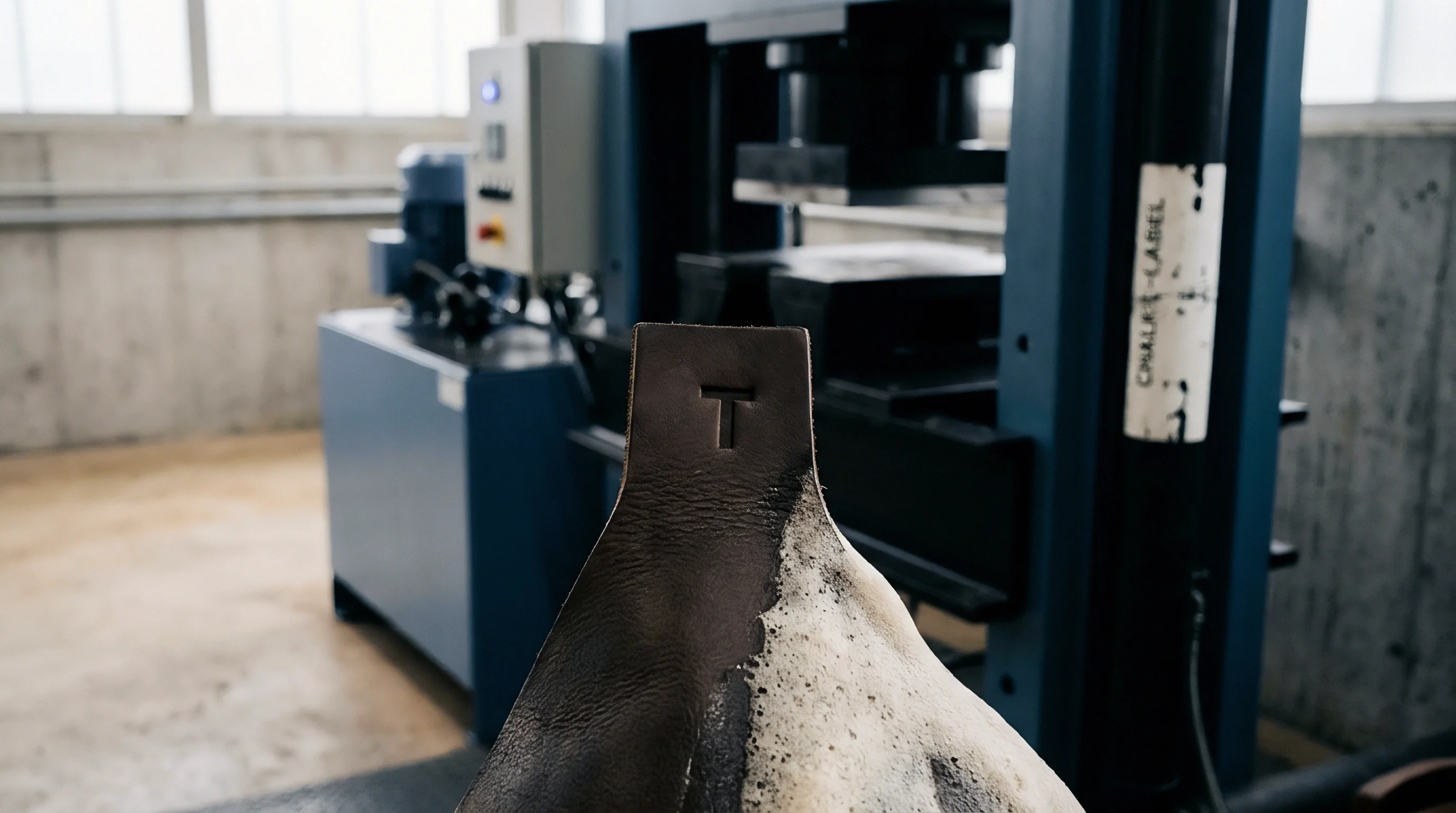
Recycled paperboard exhibits non-uniform density, variable moisture distribution, and anisotropic thermal conductivity due to reclaimed fiber heterogeneity. Paperboard layers containing high proportions of post-consumer waste and ash collapse differently under heat and pressure compared to virgin fiber grades. Non-uniform fiber orientation creates asymmetric movement when heated board surfaces undergo local moisture loss during impression dwell.

How Does Moisture Migration Accelerate Localized Board Distortion?
Stamping temperatures exceeding 100 degrees Celsius convert bound water within recycled fibers into steam, driving rapid vapor migration toward cooler sheet regions. This movement rapidly alters localized sheet dimensions within the nip, causing board sections beneath hot zones to contract as moisture drops from nominal levels down to near zero during contact.
Unequal moisture loss creates dimensional shear along the sheet plane. Heated areas contract while surrounding cooler regions hold their original dimensions, introducing waviness and sheet curl. This differential movement breaks registration alignment between multi-pass stamping operations and prior offset or flexographic printing passes.
| Stock Caliper (µm) | Recycled Fiber Content (%) | Surface Temperature Range (°C) | Z-Direction Compression Shift (%) | Moisture Loss Rate (%/sec) |
|---|---|---|---|---|
| 300 | 60 | 110 – 130 | 4.2 | 1.1 |
| 350 | 80 | 120 – 145 | 6.8 | 1.8 |
| 400 | 100 | 130 – 155 | 9.5 | 2.4 |
| Data measured under 40 bar nip pressure with 80 ms dwell time using ISO 187 pre-conditioned board stock. | ||||
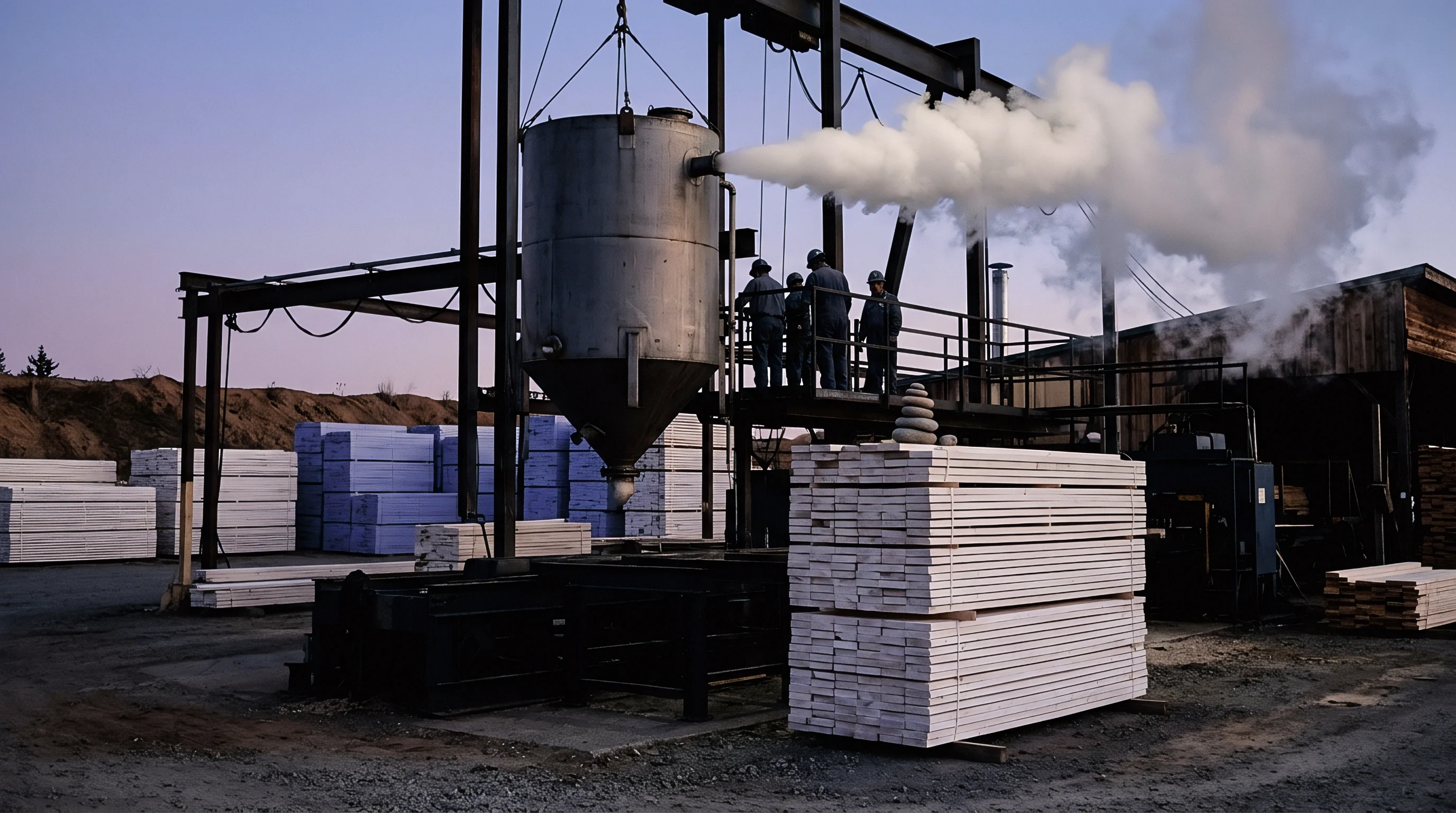
Z Direction Compressibility and Thermal Impression Memory
High heat during impression dwell lowers the elastic modulus of lignin and hemicellulose binders, allowing recycled fiber networks to compress permanently under lower impression forces. When temperature varies across the bed, the caliper of the stamped board varies proportionally across the sheet width.
Localized over-compression reduces structural stiffness along packaging crease lines and flap structures. Heat applied asymmetrically alters the bending resistance of recycled board stock, causing downstream carton folding errors on high-speed gluer lines. Converting engineers must align zone temperature profiles with substrate compression thresholds to preserve package integrity.
Higher recycled fiber content accelerates moisture evaporation during hot dwell, increasing localized board shrinkage directly under elevated heating zones.
Higher platen temperatures always demand reduced dwell times on high-ash recycled board to prevent irreversible fiber collapse along score lines.


Sensor
Monitoring asymmetric thermal drift on active converting lines relies on continuous real-time temperature collection embedded directly within metal base structures. Thermocouples installed inside designated plate recesses measure internal heat levels, while optical pyrometers capture die surface temperatures during press operation. Accurate data streams allow control systems to apply dynamic adjustments to heater outputs.
Embedded Thermocouple Placement and Infrared Array Calibration
Placement depth defines sensor responsiveness to rapid thermal shifts. Sensors positioned deep within structural plates reflect internal core temperatures, lagging behind surface cooling caused by cold board contact. Mounting thermocouples close to the die interface yields responsive tracking, enabling rapid closed-loop heater modulation.
Infrared array sensors mounted on the press bridge monitor temperature maps across the entire die surface area in real time. Calibration accounts for foil layer emissivity variations and reflective tool steel surfaces. Optical scanning maps temperature distributions across zone boundaries, feeding precise spatial profiles into register control algorithms.
- Thermocouple Recessing Depth positioning thermal detectors within 3 mm of the die mounting face ensures accurate monitoring of rapid surface temperature drops.
- Infrared Scanner Beam Alignment directing optical thermal detectors at the board exit nip prevents false readings caused by ambient air currents around the heating bed.
- Actuator Step Resolution selecting servo-driven register blocks capable of 0.005 mm micro-adjustments allows precise tracking of continuous thermal drift curves.
- Thermal Lag Compensation Algorithms adjusting machine controller feedback delays prevents hunting behavior when heating elements cycle on and off during production breaks.

Automated Closed Loop Register Compensation Mechanisms
Modern foil stamping systems utilize dynamic servo-driven feed drives to compensate for thermal expansion in real time. Machine controllers adjust lateral sheet positioning based on continuous thermal expansion calculation models, holding positional accuracy within plus or minus 0.025 mm across variable temperature runs.
Feedback loops monitor both metal base expansion and board entrance temperature profiles. Combining structural steel expansion data with optical register mark detection prevents cumulative drift across multi-thousand sheet production cycles.
According to ISO 187 conditioning guidelines, paperboard test samples evaluated for thermal stability must remain at 23 degrees Celsius and 50 percent relative humidity for 24 hours prior to press runs.
Lateral registration shifts stem from both paperboard moisture fluctuation and uncompensated thermal expansion within heating segments.
Cost
Uncontrolled thermal expansion across multi-zone impression beds inflates make-ready waste and forces premature tool replacement. Extended bring-up times spent stabilizing temperature profiles burn billable machine hours and consume expensive board stock before salable impressions are produced.

Make Ready Waste and Tooling Wear Financial Models
Make-ready waste scales exponentially when operating complex multi-zone heating dies on recycled substrates. Sheet alignment scrap accumulates rapidly during initial thermal stabilization, while additional expenses stem from accelerated tool wear when asymmetrical thermal growth forces steel dies into misaligned contact with counter-pressure plates.
| Run Length (Impression Count) | Uncompensated Spoilage Rate (%) | Compensated Spoilage Rate (%) | Die Rework Expenses (USD) | Net Job Margin Shift (%) |
|---|---|---|---|---|
| 10,000 | 8.5 | 2.1 | 450 | -12.4 |
| 50,000 | 5.2 | 1.4 | 1,200 | -6.8 |
| 100,000 | 4.1 | 0.9 | 2,800 | -3.2 |
Die replacement costs increase when thermal shear forces cause micro-chipping along fine embossing edges. Tooling re-engraving fees and associated shipping delays add direct line costs that erode profitability, forcing converters to factor thermal drift stabilization protocols into standard job pricing.

Commercial Contractual Specifications for Thermal Tolerance
Buying contracts for high-end decorated packaging must include explicit clauses defining acceptable registration tolerances across thermal cycles. Clear language protects converters from arbitrary quality rejections while establishing verifiable benchmarks for substrate dimensional stability.
- Platen Zone Variance Maximum specifying a maximum allowable temperature differential of 5 degrees Celsius across adjacent heating segments limits localized thermal drift.
- Thermal Drift Allowance Limits defining positional registration limits of plus or minus 0.05 mm across the entire sheet area establishes clear rejection criteria.
- Substrate Moisture Window Provisions establishing acceptable board moisture levels between 6.0 and 7.5 percent protects converters against moisture-induced dimensional instability.
- Tooling Calibration Documentation Requirements requiring certified thermal expansion profiles for all multi-piece brass dies holds toolmakers accountable for thermal compatibility.
Calculated pre-heating of multi-piece tooling reduces initial thermal shock during press bring-up and stabilizes sheet registration within the first five hundred impressions.
Establishing precise thermal compensation protocols allows packaging converters to maintain tight registration tolerances across extended production runs on recycled board while keeping unit costs within competitive targets.