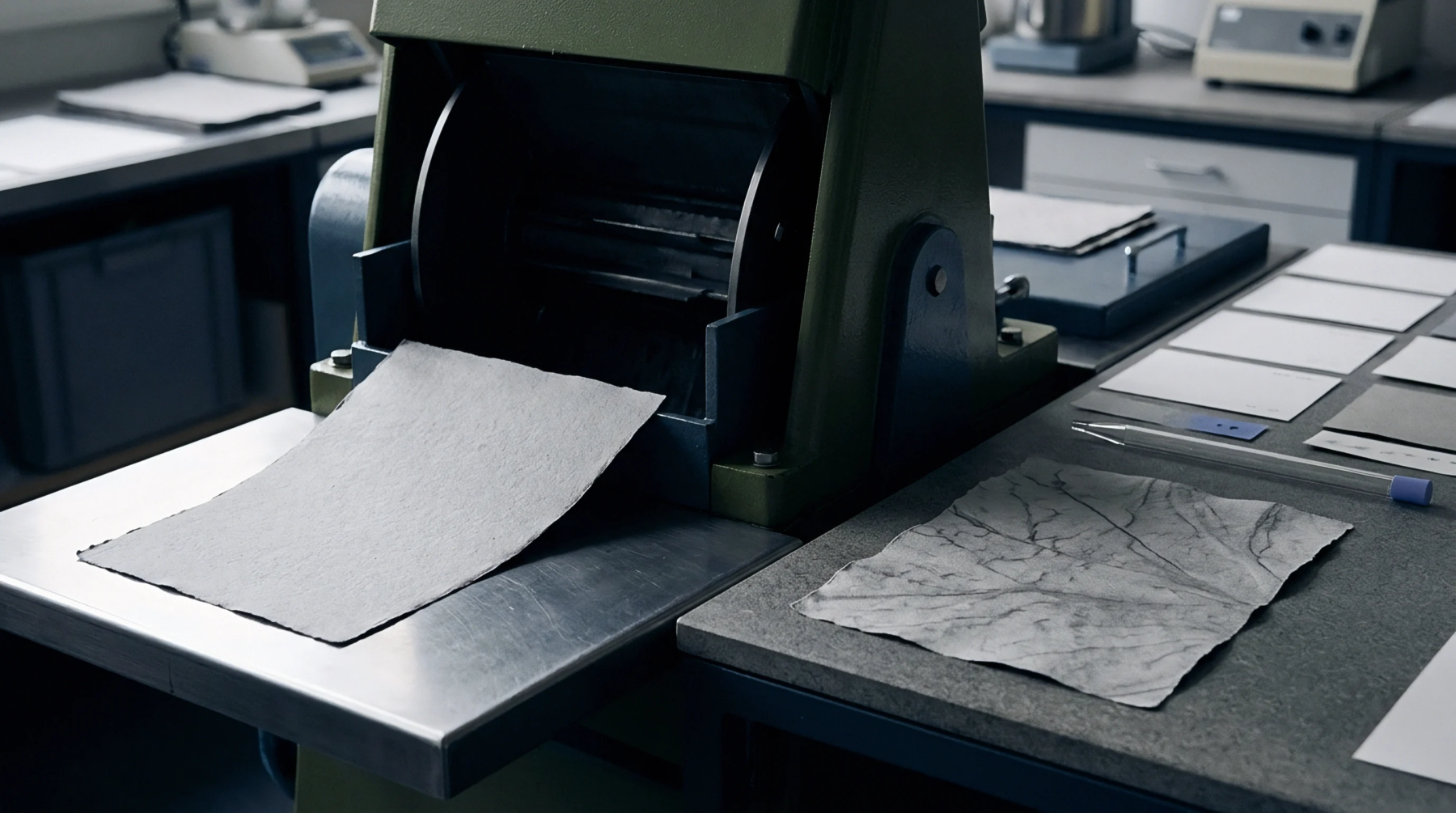
Protective Function
Functional multi-layer substrates prevent the migration of gases, water vapor, and volatile organic compounds into or out of a packaged product. A protective barrier film holds specific resistance values determined by the crystalline structure of the polymer or the thickness of the vapor-deposited metal layer. This material is chosen to prevent oxidation of fats, loss of aroma, or moisture gain in dry foods.
Measurement of the transmission rate occurs under controlled environmental chambers.
Material Composition
Production of these specialized layers involves coextrusion, vacuum deposition, or solvent-based coating of active polymers onto a base web. When manufacturing a barrier film, the choice of raw materials like ethylene vinyl alcohol or polyamide dictates the final gas transmission characteristics. Coextrusion allows the integration of thin layers of highly functional resins with cheaper polyolefin structural layers, minimizing total material cost.
Careful control of the cooling rate on the chill roll is necessary to optimize polymer crystallinity. This crystal structure directly limits the path of diffusing gas molecules, thereby determining the overall protection level of the substrate.
Performance Limit
Environmental conditions and mechanical conversion processes limit the practical utility of these protective structures. Exposure to high relative humidity can cause polar polymers in a barrier film to swell, which increases the rate of oxygen permeation. Creasing, folding, and heat sealing can also rupture thin barrier layers.
For this reason, converters run trials to ensure the layer survives both folding and filling.