Fiber Waste
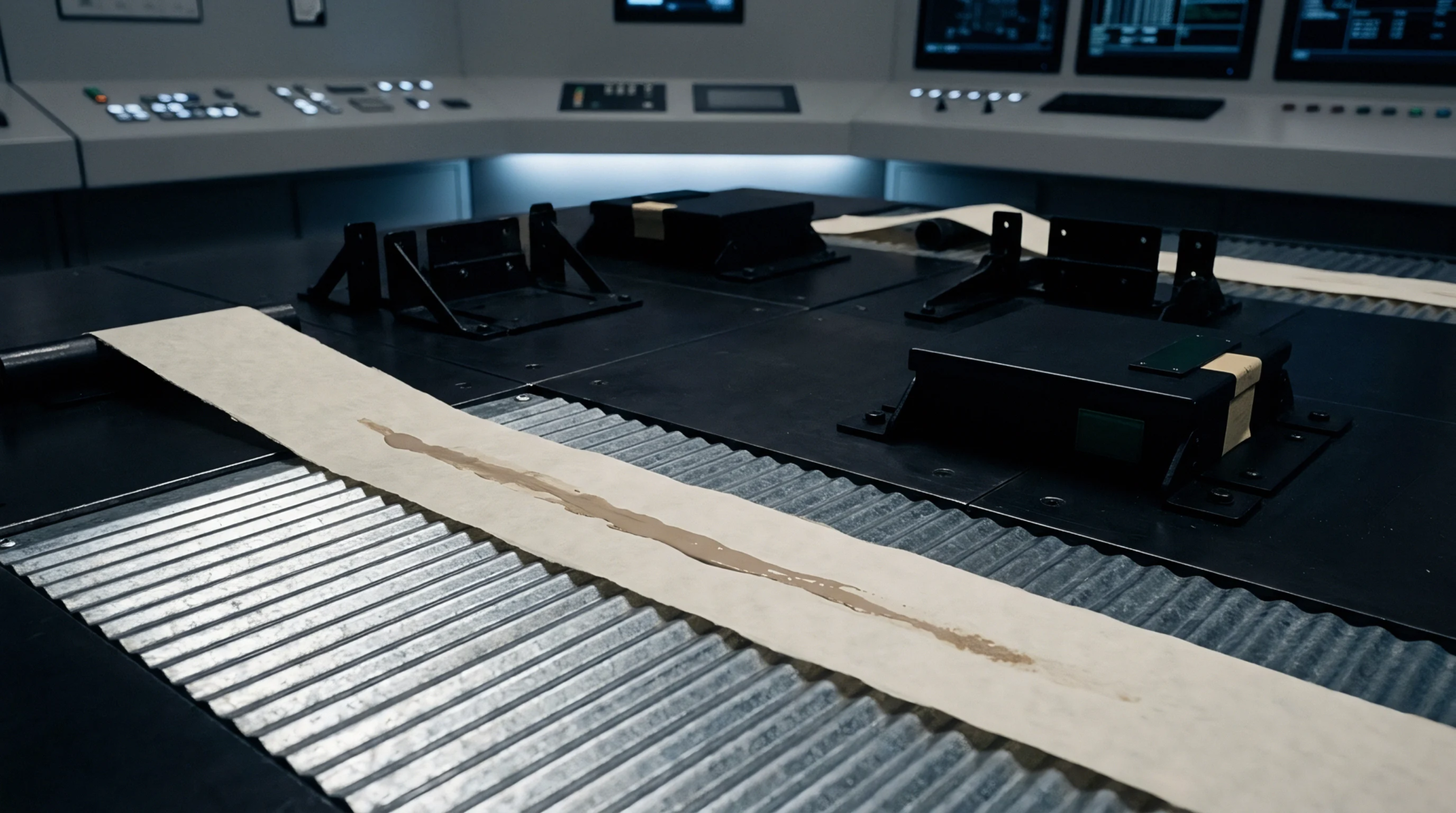
Post-industrial paperboard offcuts generated during die-cutting, slitting, trimming and box scoring form a clean secondary raw material stream. Processing converted board scrap recovers high-grade virgin or recycled fibers directly from packaging plants before consumer distribution. The material consists of skeletal die-cut frames, edge trims, print waste and defective folded cartons.
Because the scrap originates within controlled converting environments, contamination levels remain lower than in post-consumer waste streams.
Repulping Yield
Polymer coatings, cold-set adhesives, varnishes and printing inks determine how easily offcut board breaks down in hydro-pulpers. Clean converted board scrap containing only starch adhesive and water-based inks re-fibers rapidly, yielding clean secondary pulp for linerboard or folding boxboard production. Heavy polyethylene coatings, foil stampings, wax blends and hot-melt adhesives require mechanical screening and centrifugal cleaning to remove sticky contaminants.
Uncoated board offcuts deliver fiber yields exceeding ninety-five percent, whereas heavily laminated scrap requires specialized pulping cycles that lower fiber recovery and increase processing costs.
Collection Efficiency
Pneumatic trim extraction systems transport edge shavings directly from converting lines to baling presses. Effective collection of converted board scrap keeps plant floors clear, prevents web entanglements, avoids machinery jams and preserves fiber cleanliness prior to compaction into dense commercial bales.