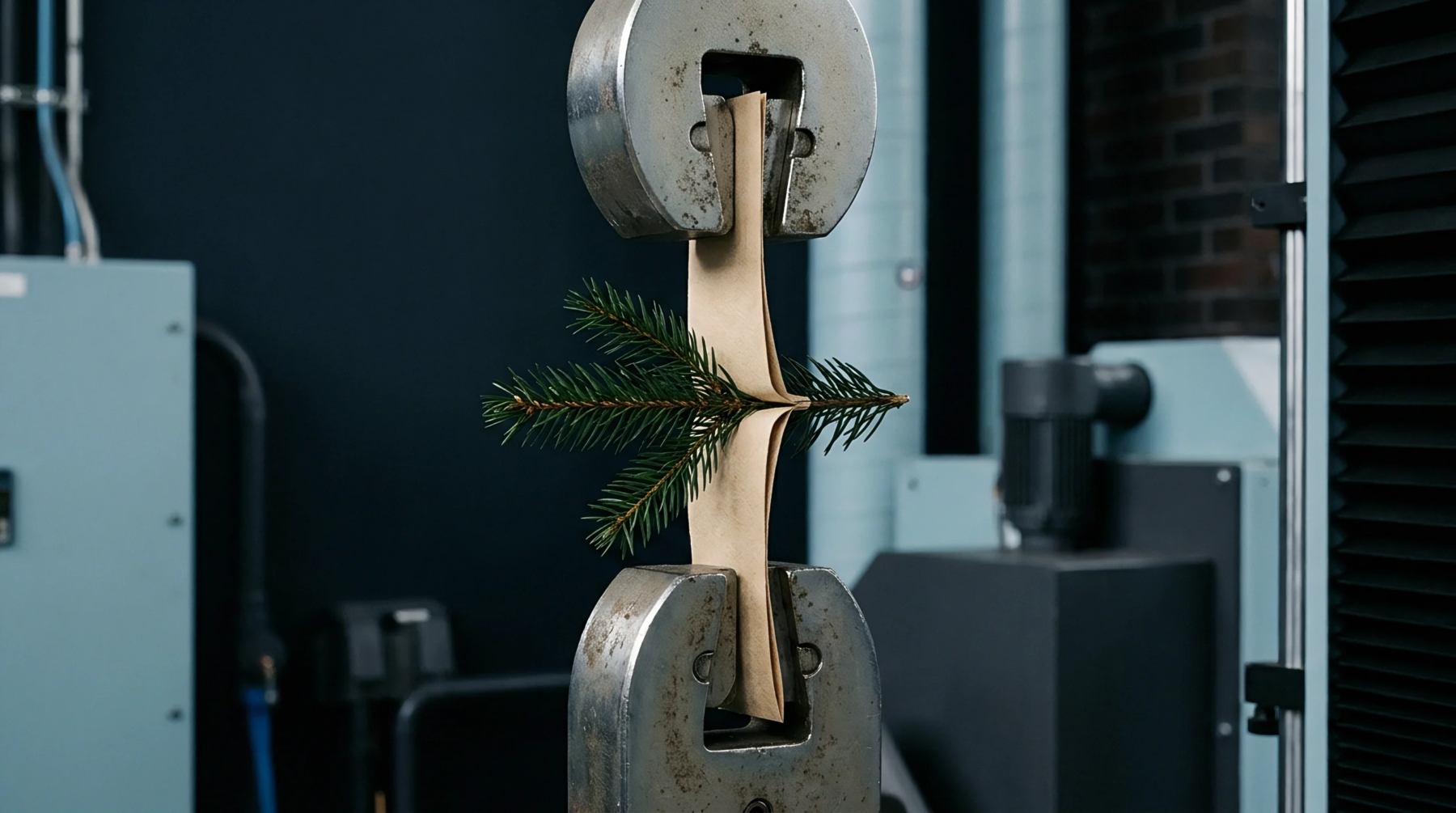
Compression Force
Lateral force exerted by hydraulic attachments on a forklift ensures the stability of large paper rolls during transport. Applying clamp truck pressure allows for the lifting and rotation of heavy reels without the load slipping from the pads. The amount of force required depends on the weight of the roll and the friction coefficient of the outer wrapper.
Crush Resistance
Excessive compression of the outer layers leads to permanent damage known as starred rolls or flat spots. Because clamp truck pressure acts directly on the wound fiber, the internal tension of the roll must be high enough to resist the inward force of the pads. Digital pressure gauges ensure that the compression remains within the limits specified by the paper mill to avoid wasting material.
Core Integrity
Structural failure of the central cardboard tube occurs when the gripping force exceeds the radial strength of the core. Since clamp truck pressure is concentrated on two opposing sides, it creates an oval deformation that prevents the roll from being mounted on a high speed printing press. Maintaining the correct balance between grip and compression preserves the circularity of the reel for downstream processing.
Damaged cores often require manual repair or the use of hydraulic expanders before the paper can be used.