Barrier Performance
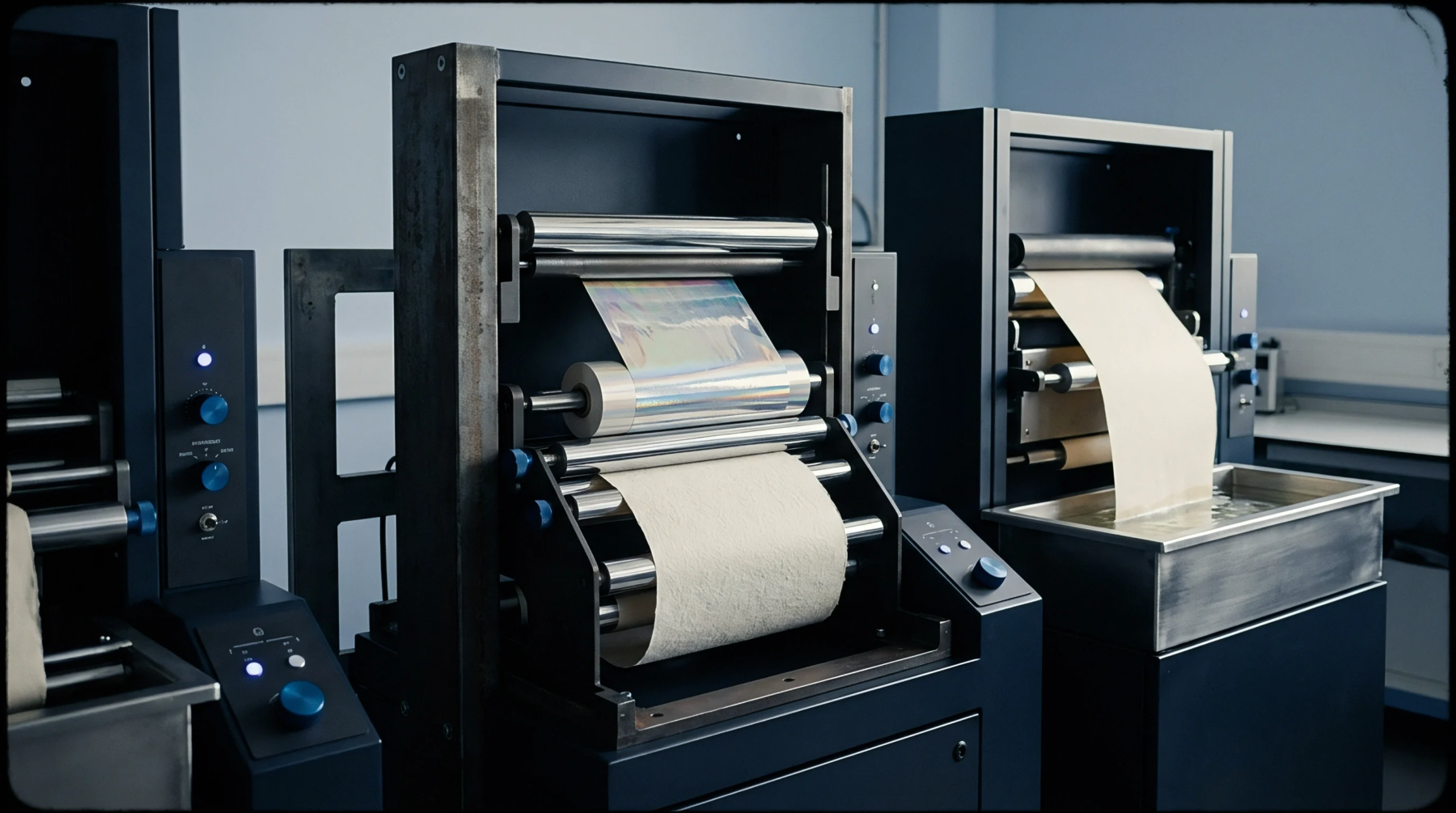
Synthetic thermoplastic resin functions as a high-density coating for flexible packaging structures to prevent the migration of oxygen, moisture, and aromatic compounds. Poly-vinylidene chloride exhibits a molecular arrangement that restricts the path of gas molecules through a substrate surface. Converting operations apply this material through aqueous dispersion or solvent-based coating heads onto paper, foil, or plastic films.
The resulting layer maintains integrity under heat sealing conditions while providing a chemical resistance threshold that prevents oil penetration. Manufacturers specify the thickness of this application in grams per square meter to ensure the substrate meets shelf-life requirements for food or pharmaceutical products.
Application Parameters
Precise control of the drying curve during the converting phase dictates the final clarity and film-forming quality of poly-vinylidene chloride. Excessive heat intensity creates surface defects such as micro-cracking or pinholes that compromise the continuity of the protective layer. Drying tunnels calibrate the transition from the liquid state to a solid crystalline matrix by managing the evaporation rate of the carrying solvent or water.
Operators monitor the surface tension of the substrate to ensure uniform wetting and adhesion across the entire web width. Variations in the dispersion viscosity influence the spread rate, forcing tight tolerances on pump pressure and applicator blade alignment to avoid uneven coating weight distribution.
Thermal Stability
Decomposition of poly-vinylidene chloride begins when the material experiences prolonged exposure to temperatures that trigger the release of hydrochloric acid. This degradation process alters the color of the coating from transparent to yellow or brown and weakens the barrier properties of the packaging. Proper stabilization additives neutralize the acid output during production and processing cycles.
Waste management systems require specific handling protocols because the presence of chlorine in the chemical structure complicates the incineration or recycling pathways for mixed material scrap. Reliable film performance depends on maintaining the thermal profile of the coating below the point where molecular chain scission occurs.