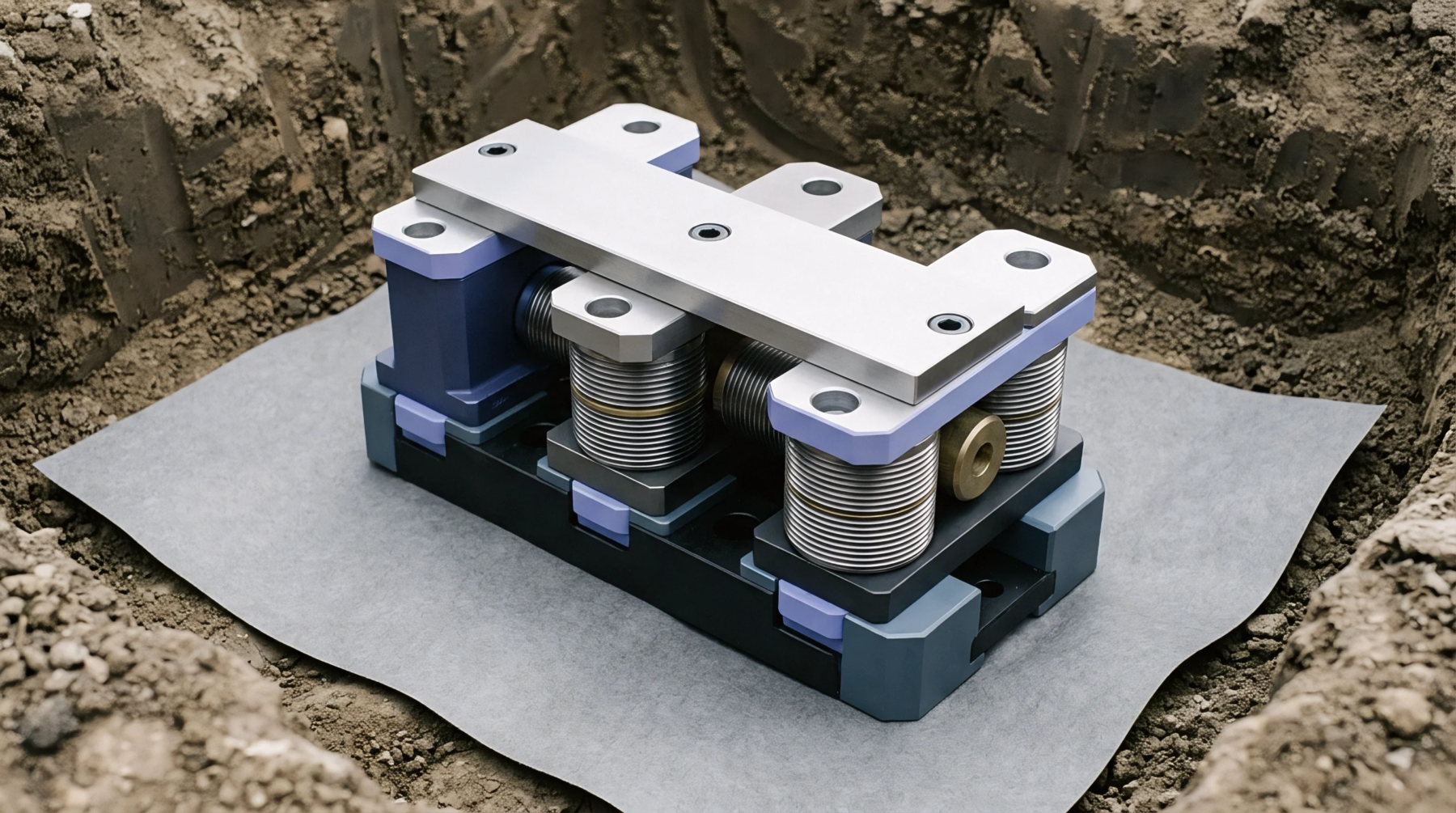
Resistant Polyol
Polymeric chains featuring carbonate groups in the backbone offer high durability for coatings and structural adhesives. A polycarbonate polyol is used when a laminate must survive repeated exposure to heat, moisture, acidity, and chemical cleaners without losing its integrity. It represents the top tier of polyol technology for polyurethanes, providing a level of hydrolysis resistance that exceeds both polyesters and polyethers.
This material is primarily selected for high-specification packaging where failure is not an option.
Environmental Endurance
Chemical bonds in this structure are less susceptible to attack by moisture, which prevents the thinning of the adhesive layer over time. In a tropical climate, a standard adhesive might fail within weeks, but one based on a polycarbonate polyol maintains its physical properties for years. The high glass transition temperature of these resins also contributes to the thermal stability of the finished bond.
This makes them suitable for cook-in-bag applications or sterilization processes. Molecular structures that resist breaking apart under high pressure are essential for industrial use. Resistance to yellowing and loss of clarity ensures that the aesthetic quality of the packaging remains high throughout its use.
Quality Specification
Polyurethane systems derived from these polyols are often found in the aerospace and automotive sectors, but they are increasingly used in premium consumer electronics packaging. The high cost of the raw material limits its use to cases where the environmental stress is too great for cheaper alternatives. Its performance is measured by the retention of tensile strength after immersion in boiling water.