Liquor Chemistry
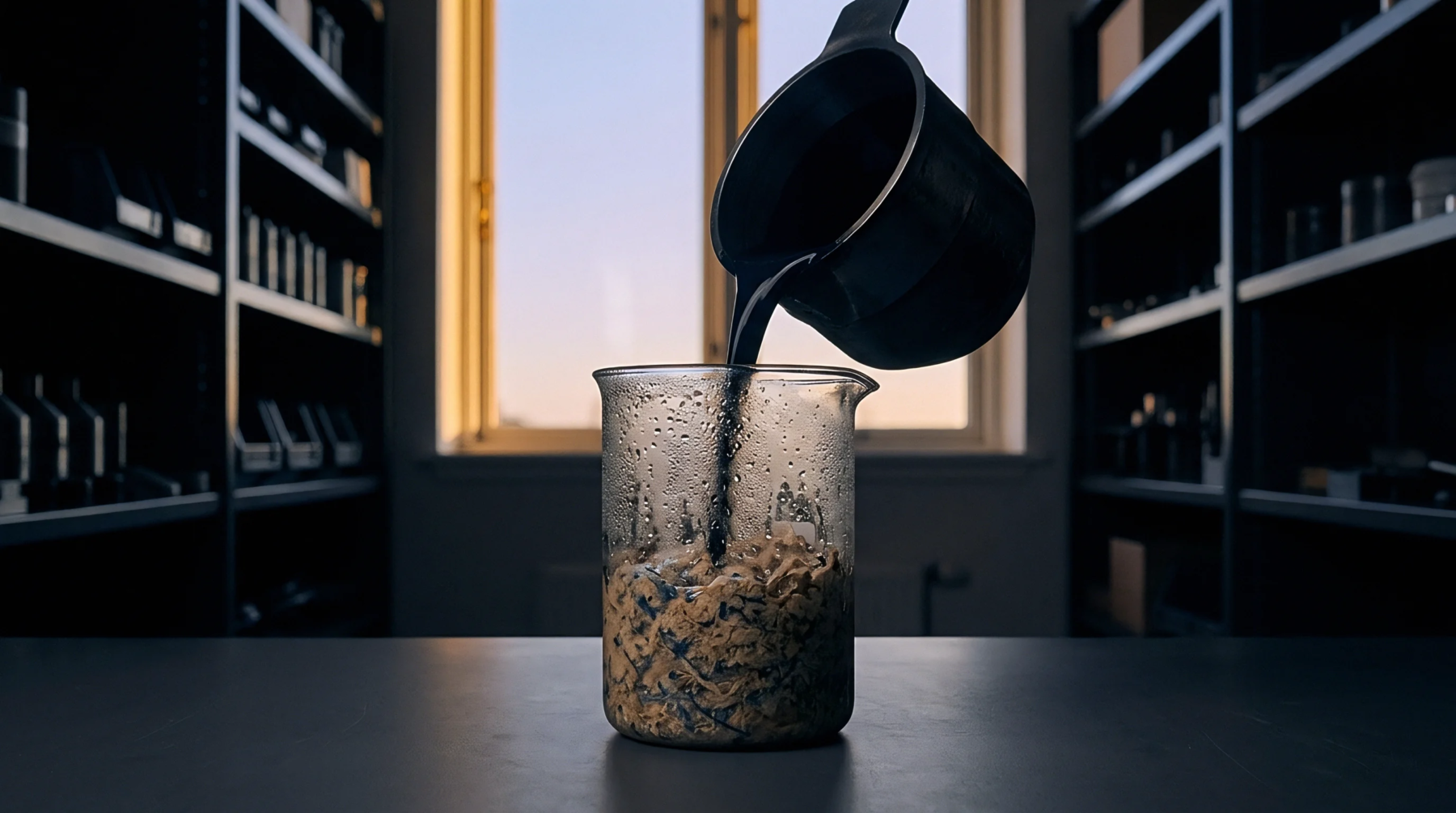
Chemical titration measures active alkali in kraft pulping liquors to control the delignification rate inside continuous digesters. Sodium hydroxide and sodium sulfide comprise the primary components of active alkali within white liquor streams entering the reaction vessel. Mill operators maintain specific concentration targets because low chemical charges stall lignin removal while excessive charges degrade cellulose chains and reduce final paper tear strength.
Converting facilities depend on consistent pulp stock properties to ensure uniform caliper and burst resistance across coated folding boxboard grades.
Digester Control
Hydroxide ions penetrate wood chips during initial impregnation zones before higher temperature cooking phases accelerate delignification. Effective alkali charge calculations determine white liquor volume additions per ton of oven dried wood based on incoming chip moisture and species density. Reaction kinetics depend strictly upon maintaining uniform chemical concentrations throughout the liquor phase surrounding wood fibers.
Digester temperature profiles shift when active alkali levels fluctuate because residual chemical concentrations dictate reaction rates in the final zones.
Pulp Quality
Final paper brightness and bleaching chemical demands correlate directly with residual active alkali measured at the digester discharge. Insufficient chemical consumption indicates premature liquor exhaustion which leaves residual lignin bound inside unbleached kraft fibers. Subsequent chlorine dioxide stages require higher oxidant dosages to reach target brightness values when cooking liquor concentrations drop below standard operating thresholds.
Surface sizing absorption and converting runnability depend upon maintaining precise chemical parameters throughout pulp production processes.