Fibre Rejection
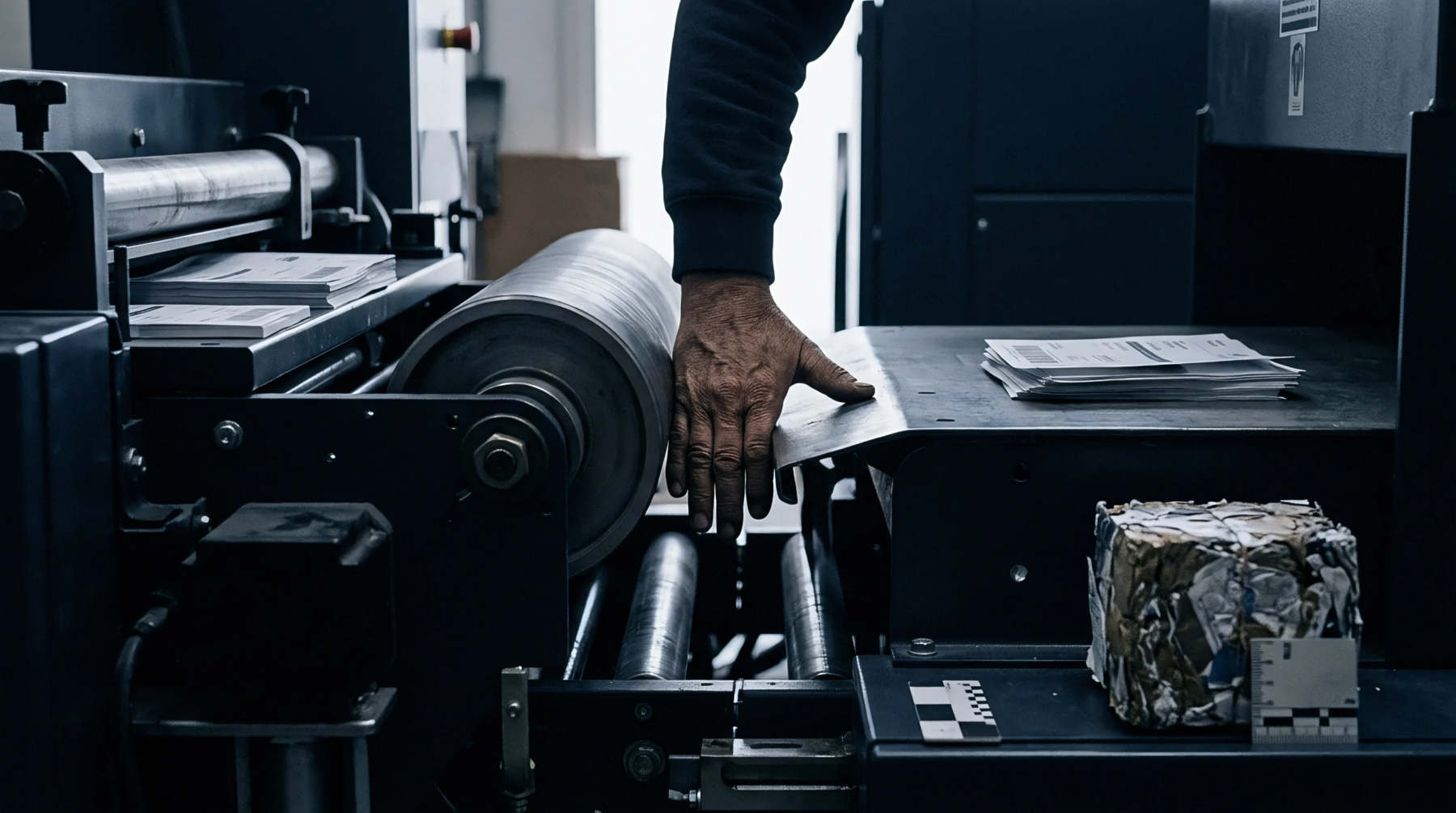
Unrefined secondary material pulled from recycled stock preparation lines forms coarse reject fractions during pulping. Mill screens separate these oversized contaminants from usable pulp based on particle dimensions. Slot widths on pressure screens and holes on perforated cylinders set the physical boundary where this separation occurs.
Anything failing to pass through the apertures exits the loop as waste.
Screening Efficiency
Pulpers discharge heavy contaminants along with undefibrated flakes toward tertiary cleaner stages. Operators adjust rotor speed and reject rates to balance fibre recovery against final sheet cleanliness. High reject rates reduce stock yield while low reject rates allow non fibrous debris to enter the paper machine.
Slot geometry interacts with consistency to determine which oversized elements remain behind.
Disposal Economy
Hauling landfill bound waste incurs gate fees that impact overall plant operating costs. Mills burn combustible portions in biomass boilers to recover thermal energy for drying cylinders. Stringent regional environmental standards dictate whether dewatered residues require specialized disposal routes.
Processing costs rise when mills fail to optimize secondary cleaner loops.