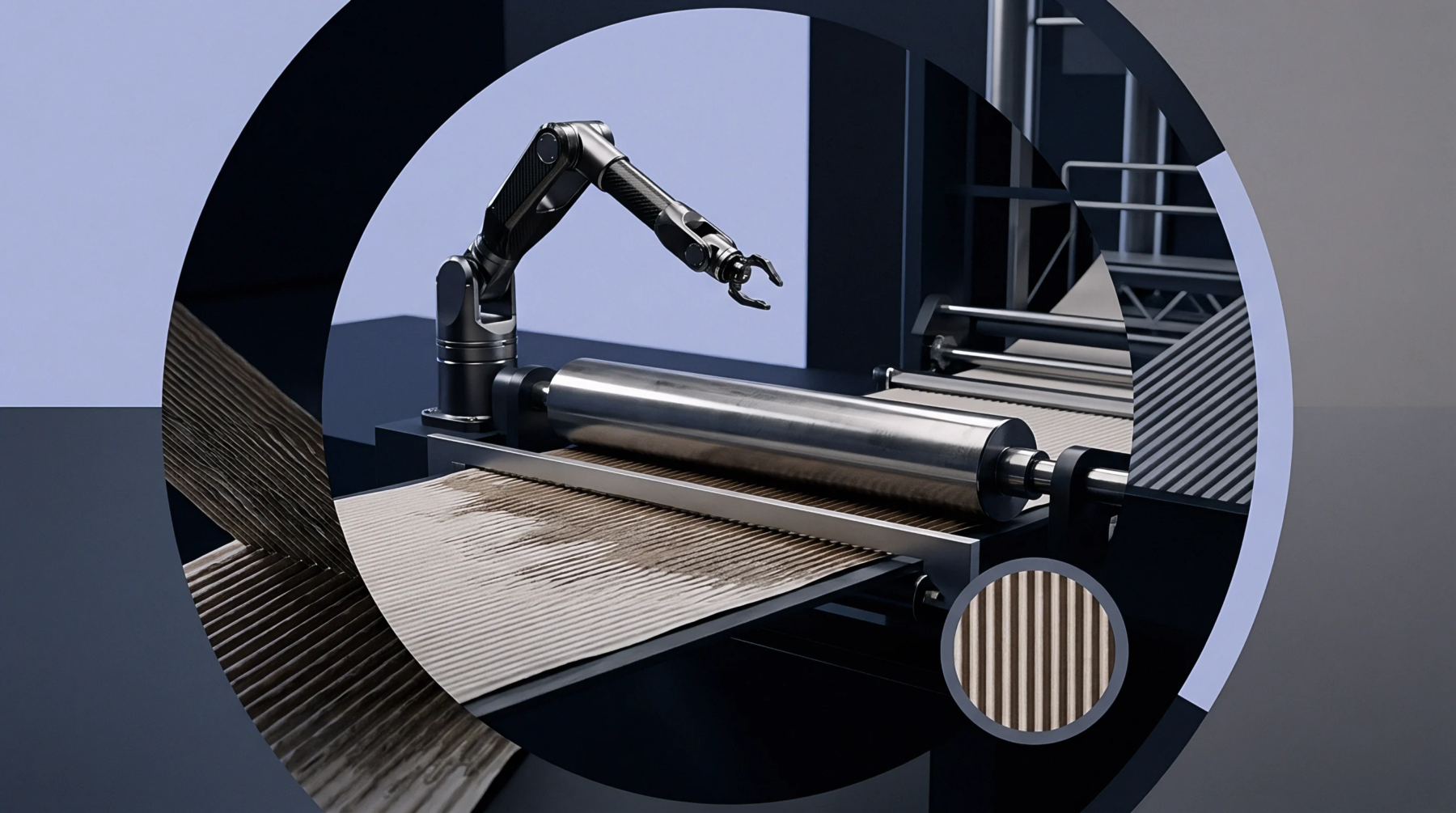
Thickness Calibration
Mechanical precision determines the vertical clearance of a set of parallel plates tasked with gauging the height of a sheared paper specimen. A cut strip micrometer serves the specific function of verifying thickness uniformity across the cross direction of a finished web. This apparatus forces the substrate through a fixed gap under a constant spring load to ensure the compression of surface fibers reaches a stable state before measurement.
Calibration of the zero point against a precision ground steel block removes bias introduced by thermal expansion or mechanical wear of the anvil. Consistent pressure across the specimen prevents crushing of the cellulose structure, which would otherwise report a false reduction in local caliper.
Measuring Mechanism
Operational accuracy depends upon the integration of a flat circular foot and a circular base of equal diameter to distribute load evenly. A cut strip micrometer employs a deadweight or spring mechanism to apply a force typically set at one hundred kilopascals to the surface of the paper. Operators slide the prepared sample between the plates to verify the thickness at intervals that align with the full width of the machine direction edge.
Deviations between these points quantify the localized variation in fiber deposition or moisture distribution during the drying phase of production. Variations in caliper influence the final tension of the roll and the success of subsequent coating applications.
Performance Standard
Compliance with technical specifications for substrate weight and bulk hinges upon the data gathered by these devices. Proper alignment of the pressure foot guarantees that the reading represents the true gap of the specimen rather than the deflection of the internal spring. Regular maintenance of the contact surfaces preserves the flat profile required for reproducible results across different laboratory environments.
High precision in this measurement allows converters to predict how the substrate handles within high speed folder gluers or web presses. Precise control of the gap setting dictates the reliability of the entire converting workflow.