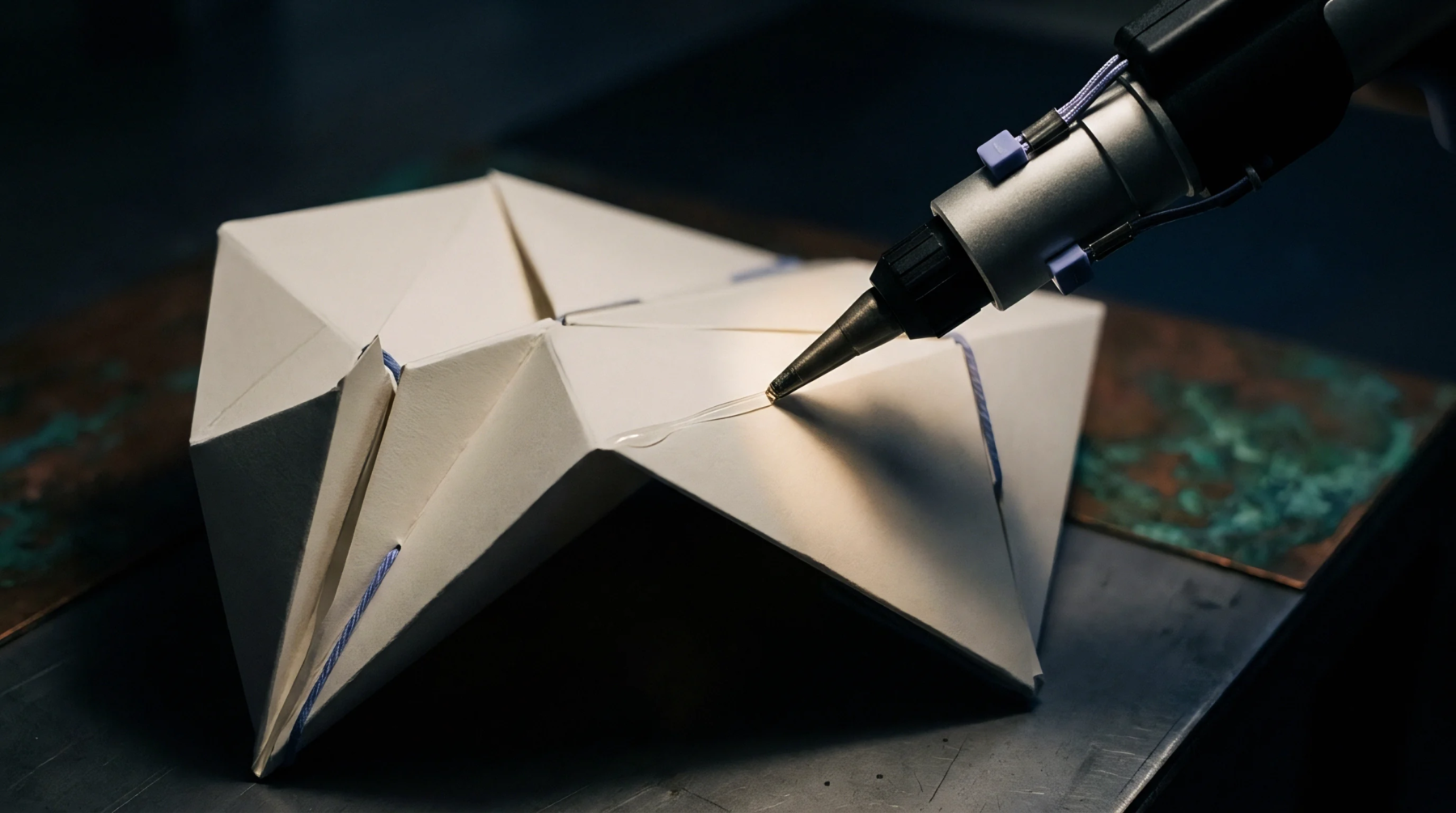
Stress Limit
Resistance to cyclic mechanical stress determines the durability of paperboard and flexible materials during transport and automated handling. Known as fatigue threshold, this property is the limit below which cyclic loading does not cause progressive cracking or material failure. It defines the point where micro-cracks cease to grow, which is essential for ensuring that packaging does not fail during prolonged vibration on shipping pallets.
Evaluation Method
Testing involves subjecting the material to repeated bending, pulling, or folding cycles until structural degradation occurs. Instruments like the board fatigue tester apply a controlled force repeatedly to a pre-creased sample to simulate the action of opening and closing a carton. By plotting the number of cycles to failure against the applied stress, technicians determine the limit where the material can survive infinite cycles.
This testing helps paper mills formulate fiber blends and chemical additives that resist the propagation of internal micro-tears under the dynamic loads of automated distribution centers.
Structural Design
Design optimization of heavy-duty boxes relies on this value to predict long-term performance under stack loads. In humid warehouses, paper fibers suffer from accelerated fatigue under changing moisture levels. Selecting materials with a high resistance to cyclic stress allows engineers to reduce the overall fiber weight of the packaging while preventing sudden collapsing of the carton.