Surface Adhesion
Laminate separation describes the mechanical failure occurring between two bonded layers when internal stress exceeds the strength of the adhesive bond. This peeling reaction reduces the structural integrity of composite packaging materials and often originates from chemical incompatibility between the substrate and the ink or coating applied during production. Such failure leads to immediate rejection of the stock because the bond lacks the permanence required for transport and consumer handling.
Mechanical Strain
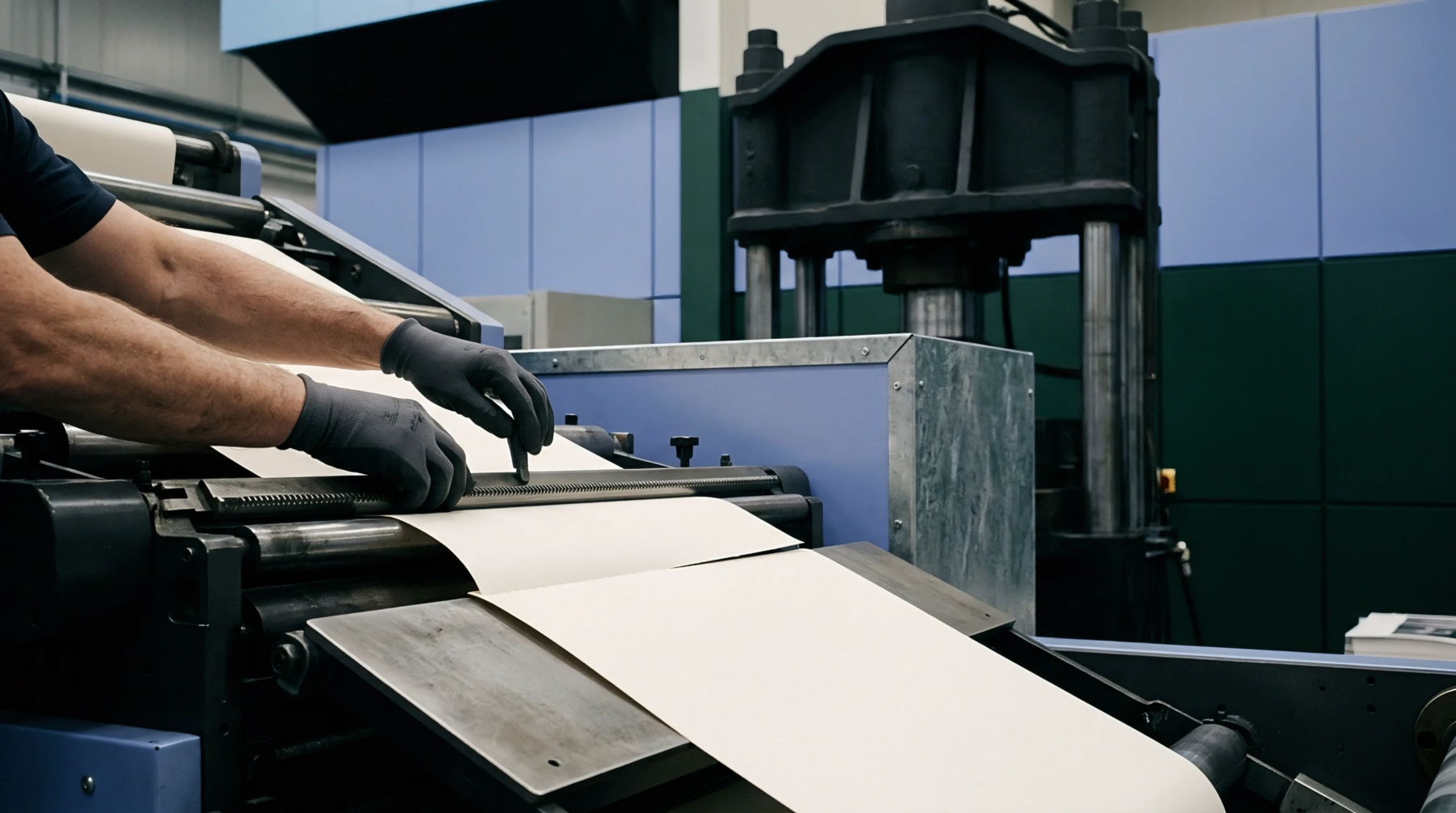
Factors influencing the force required for separation include the drying temperature of the adhesive and the surface tension of the base film. Proper tension control during the converting process mitigates uneven pressure that otherwise accelerates the peeling reaction across the width of a web. When operators calibrate the nip rollers at the correct pressure, the bond achieves uniform thickness and resistance against lateral pull.
Precise alignment of the curing cycle ensures that the polymer chains crosslink sufficiently to prevent intermittent delamination.
Quality Threshold
Standards for evaluating this bond strength rely on controlled tensile testing where the force required to separate the layers per unit width determines the pass criteria for the batch. A laminate qualifies as acceptable only when the measured resistance consistently maintains a level that withstands the physical abuse of the filling line and subsequent distribution environment. Producers monitor these values to avoid premature separation that exposes the product to moisture or atmospheric contaminants.
Consistent performance of the interface confirms the stability of the entire packaging structure under normal conditions.