Thermal Bandwidth
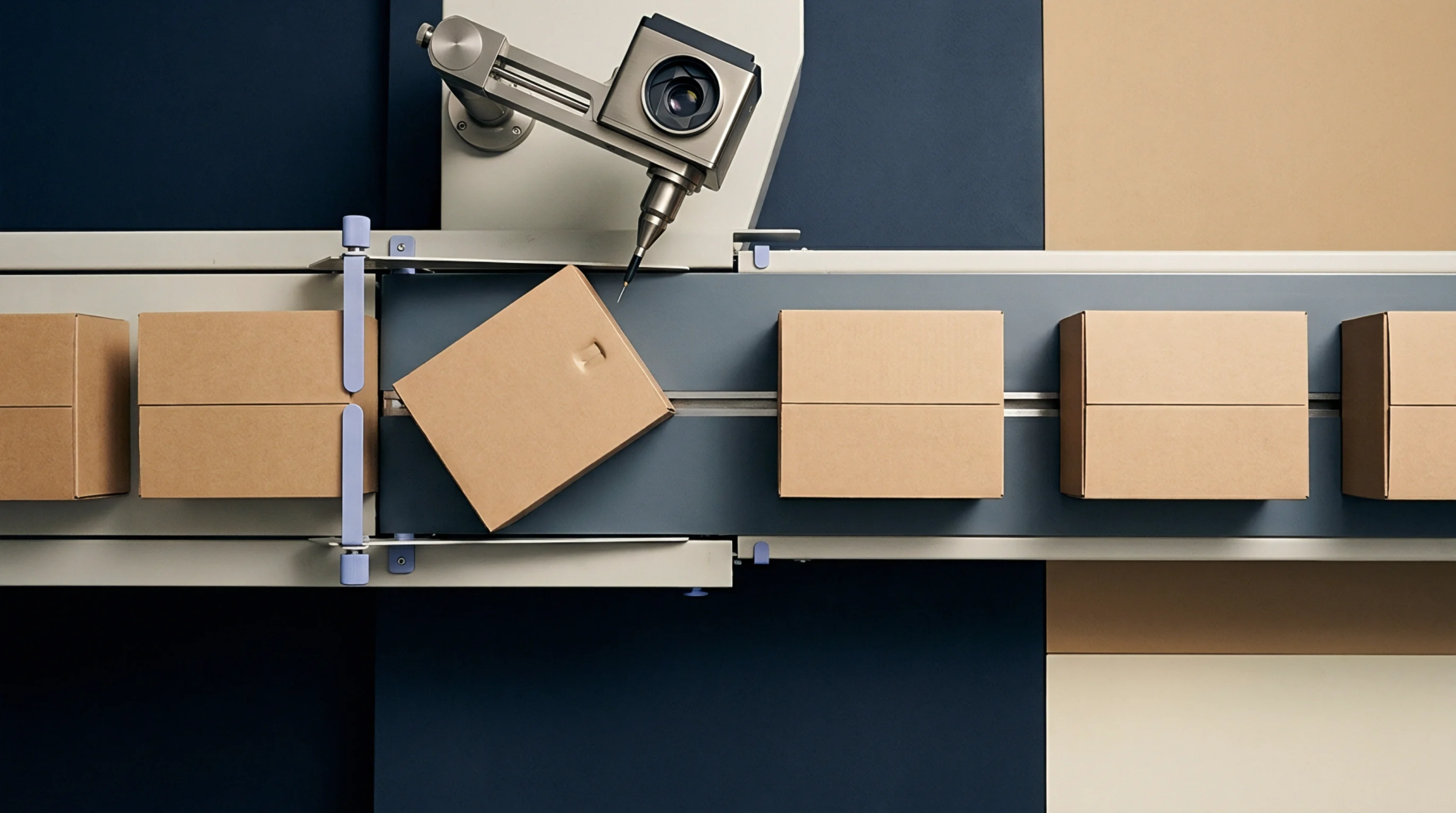
Infrared pyrometer integration embeds non-contact thermal sensors into continuous web-handling machinery to measure substrate temperature without surface contact during high-speed drying and curing. High-speed infrared thermometers read infrared radiation emitted by moving paper or board webs, converting radiant energy into electrical signals for automated process controllers. Paper machines and coating lines demand continuous thermal monitoring because web temperature dictates moisture evaporation rates and binder crosslinking efficiency.
Thermal sensor placement requires careful alignment across the web width to capture cross-direction temperature profiles without interference from ambient air currents or moisture vapor pockets. Optical lenses on the sensors accumulate paper dust and coating binders over time, necessitating automated air purge collars to maintain optical clarity and measurement accuracy.
Conversion Tolerance
Coating viscosity and drying kinetics depend directly on the precise thermal energy delivered by infrared dryers positioned immediately after fluid application stations. Pyrometer integration feeds real-time temperature data to burner management systems or electrical heater banks, holding substrate temperatures within strict operational windows. Folding boxboard production requires exact temperature control to prevent binder migration and blister formation during rapid moisture flashing in multi-deck gas-fired dryers.
Temperature deviations exceeding five degrees Celsius above target thresholds cause paper curl, delamination, or premature crosslinking in functional barrier coatings applied to liquid packaging board. Automated feedback loops adjust zone power outputs instantly when pyrometer readings register thermal drift caused by incoming basis weight variations or line speed adjustments.
Calibration Drift
Infrared sensors suffer from gradual calibration drift caused by optical degradation, thermal shock within the housing, and changes in paper emissivity across different pulp grades. Laboratory blackbody sources provide reference temperatures for periodic off-line calibration checks, whereas internal shutter mechanisms or reference lamps support automated on-line drift correction routines. Emissivity settings on the pyrometer must match the specific surface characteristics of the running substrate, accounting for fillers such as calcium carbonate or titanium dioxide embedded in the sheet.
Uncompensated emissivity changes introduce systematic measurement errors that mislead closed-loop thermal controllers and destabilize downstream converting operations such as extrusion lamination and hot-foil stamping. Proper sensor cooling jackets protect internal electronics from ambient heat radiated by heavy-duty drying hoods, ensuring measurement stability throughout continuous multi-day production runs.