Fiber Separation Standard
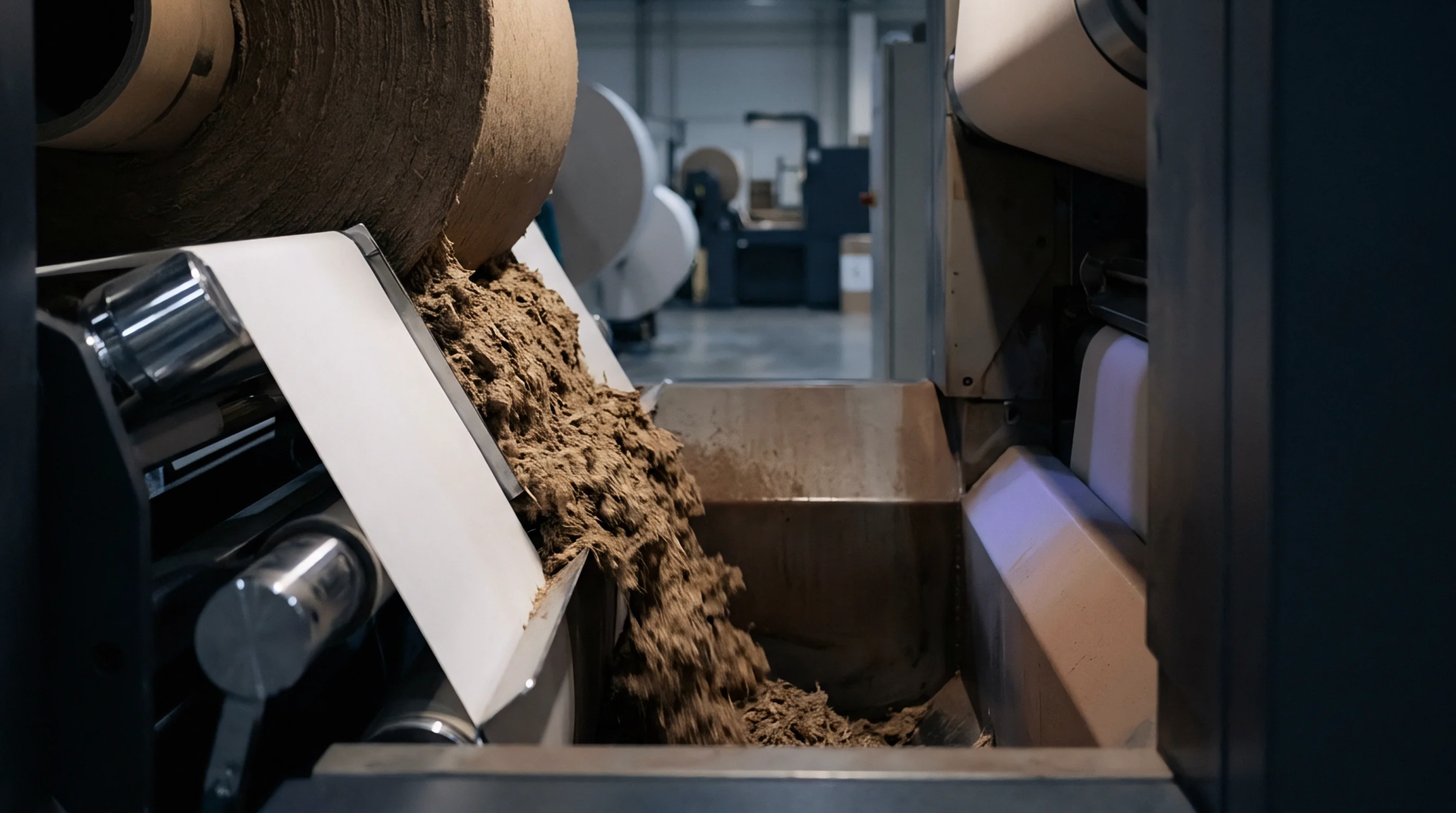
Quantitative assessment classifies the ease with which secondary papermaking materials return to a slush state during the aqueous disintegration stage of recycling. Repulpability grading measures the concentration of residual flake, adhesive load and coating integrity remaining after a standardized agitation interval. Mills utilize these thresholds to determine compatibility between incoming feedstock and existing water treatment plant capacity.
High resistance during the initial mechanical shear phase forces a longer cycle time, which increases the overall energy consumption per batch.
Operational Tolerance Threshold
Laboratory testing facilities apply specific rotational forces to dry board samples suspended in water to determine the effective recovery rate of usable cellulose. Repulpability grading identifies the specific mechanical energy input required to break down fiber networks without destroying the structural length of the individual strands. Production managers correlate these findings with the settings on pulper blades and internal screen mesh sizes to avoid equipment clogging or excessive material loss into the reject stream.
Converting plants provide these values to ensure that aqueous dispersants in adhesives or barrier coatings do not prevent the successful separation of paper layers during post-consumer processing.
Recycling Yield Metric
Economic consequences arise when material specifications fail to align with the processing capability of a recovery site. Manufacturers must align the binder chemistry of specialized lamination or coating applications with the performance limits established during repulpability grading to maintain the viability of the waste stream. Secondary fiber quality declines when synthetic contaminants remain attached to the wood pulp, thereby reducing the structural integrity of the resulting sheet.
Strict adherence to standardized test methods allows for the reliable prediction of recovered output volume in commercial mill configurations.