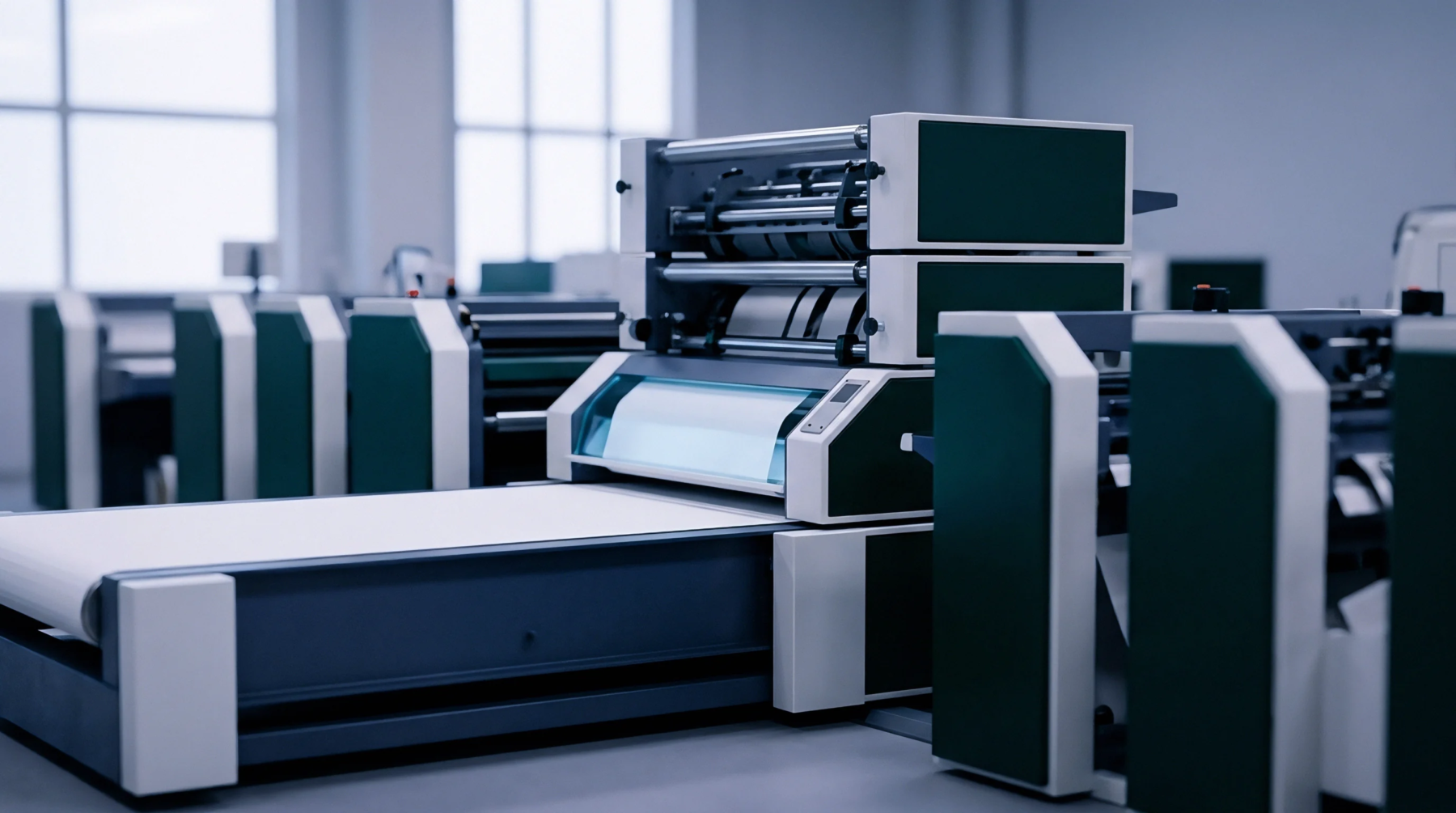
Calibration Tool
Pre-production test runs utilize initial sheets of paperboard to calibrate ink density, registration, and mechanical alignment before a printing press begins a full production schedule. Press operators use setup sheets to adjust the machine settings without risking the high-value stock intended for the final order. This procedure helps establish the correct balance of colors and the precise position of die-cuts.
The sheets are typically discarded or recycled once the press reaches stable operating conditions.
Registration Process
To minimize the cost of prepress adjustments, operators often use low-grade or reclaimed board of the same thickness as the production stock to run through the press during the initial calibration phase. Using setup sheets during this phase allows the mechanical grippers and feeder systems to be tested for jam-free operation. If the thickness or surface texture of these initial sheets does not match the actual stock, the ink transfer and register settings will be incorrect when the high-quality stock is introduced.
This discrepancy can force the operator to restart the calibration process, which increases the setup time and defeats the purpose of the test sheets. The quality of the start-up stock must therefore be closely matched to the production run.
Material Optimization
Reducing the number of sheets required for calibration directly lowers the prepress waste of the operation. By implementing automated register control systems, plants can minimize the use of setup sheets and accelerate the start of the printing run.