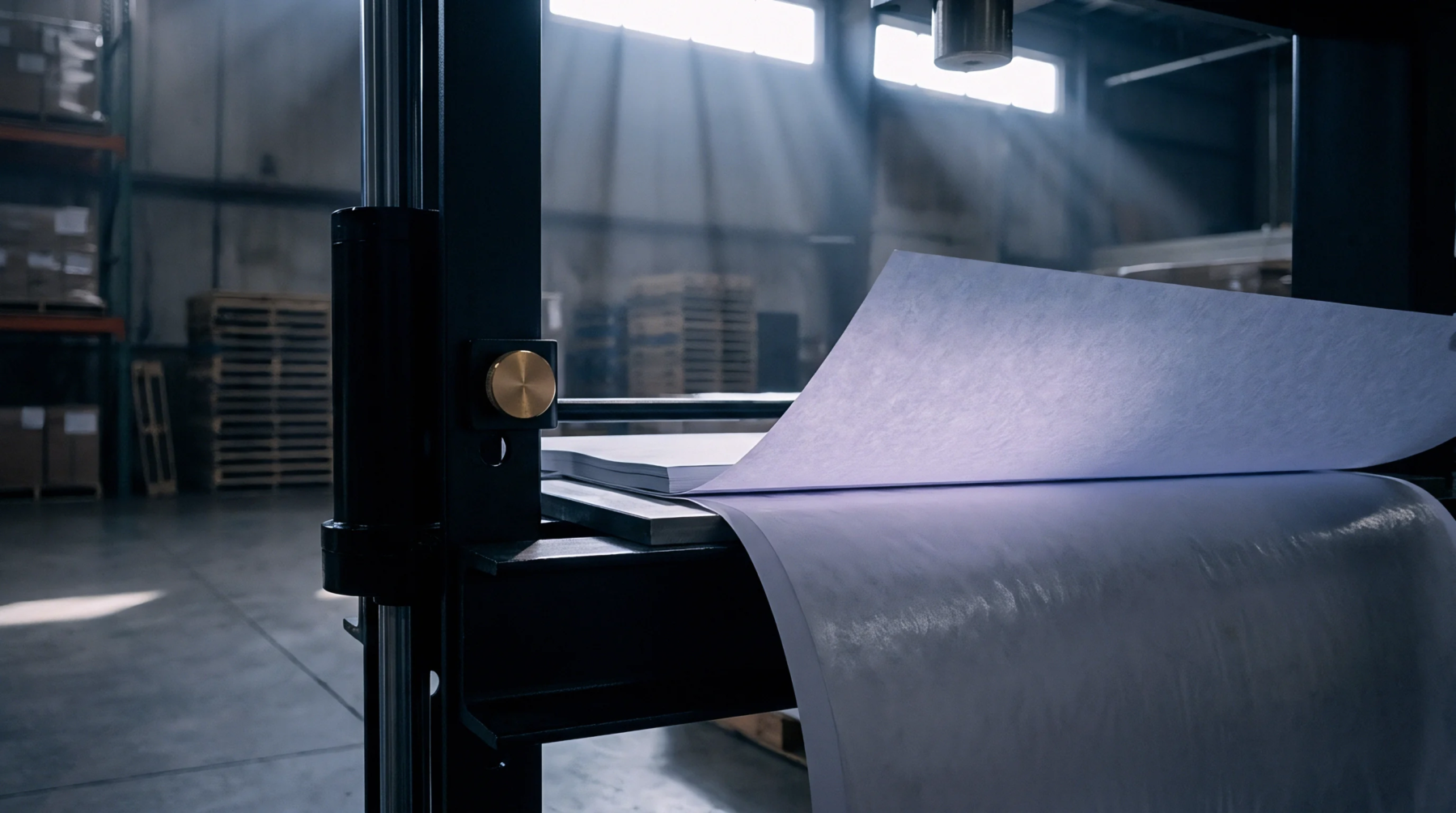
Production Isolation
Manufacturing systems maintain discrete boundaries between distinct production runs to prevent cross-contamination of material properties. Batch segregation allows operators to preserve the integrity of specific paper grades by preventing the mixing of divergent pulp formulations or chemical additives. Maintaining these divisions ensures that every reel remains traceable to its primary source material and specific process conditions.
Control Mechanism
Managers implement physical barriers and digital tracking protocols to enforce separation throughout the converting cycle. Sensors stationed at the intake point verify the transition between loads while automated gates prevent the overlap of feedstock on the line. Diverting the flow during a changeover requires a precise shutdown and clearing procedure to remove residue from the previous run.
Such actions eliminate the risk of grade blending that would otherwise compromise the physical performance of the output. This operational discipline enables manufacturers to meet strict specifications for barrier coatings or recycled fibre content within a single production house.
Compliance Verification
Quality departments audit these procedures to confirm that each segregated run conforms to the internal standard established for that grade. Records from the line indicate the timing and physical separation achieved during each transition period between products. Inspectors compare the recorded run times against the actual reel identification tags to detect any potential overlap in the inventory.
A failure to demonstrate clear separation between runs invalidates the entire lot according to standard industry protocols. Proper implementation of these protocols protects the commercial value of materials produced under precise technical parameters.