Liquor Withdrawal
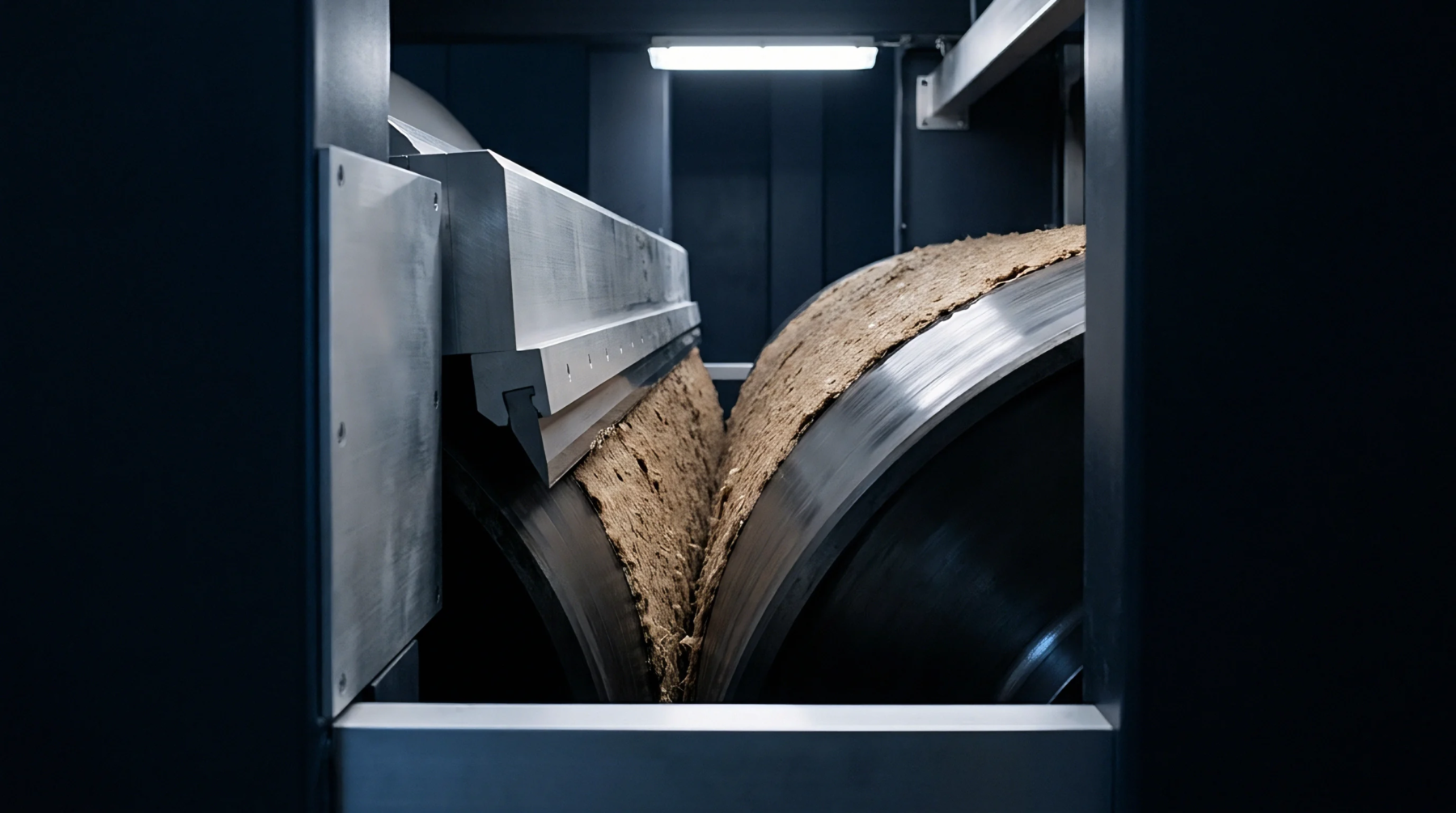
Industrial digesters separate spent cooking liquor from delignified wood chips by pulling liquid through internal cylindrical strainers during the continuous kraft pulping cycle. This operational step is black liquor extraction, redirecting dissolved lignin and spent cooking chemicals from the vessel into chemical recovery evaporators. Gravimetric testing and refractometric analysis monitor the solids content of the extracted flow to verify that chemical release matches wood dissolution rates.
The procedure governs spent fluid removal within pressurized pulping vessels and ends where extracted liquor enters external flash tanks.
Recovery Integration
Energy generation across modern kraft mills relies upon consistent solids loading supplied by the digestion plant. Withdrawing spent liquor at targeted temperatures near one hundred and fifty degrees Celsius provides flash steam that preheats incoming wood chips in the steaming vessel. The residual liquor, carrying approximately fifteen to eighteen percent dissolved solids, flows into multi-effect evaporation trains to produce heavy fuel for the recovery boiler.
Unstable black liquor extraction rates destabilize digester internal temperature zones and starve downstream evaporation units of thermal mass. Recirculation loops reintroduce a portion of extracted liquor higher in the vessel to maintain hydrostatic pressure and regulate continuous chip compaction.
Flow Restriction
Mechanical screen slot clearance establishes an operational boundary for fluid removal rates across the cooking zone. Pumping volume beyond hydraulic limits draws loose fibre bundles hard against screen faces, initiating screen plugging and arresting continuous downward chip transit. This hydrodynamic threshold prevents excessive extraction velocity.