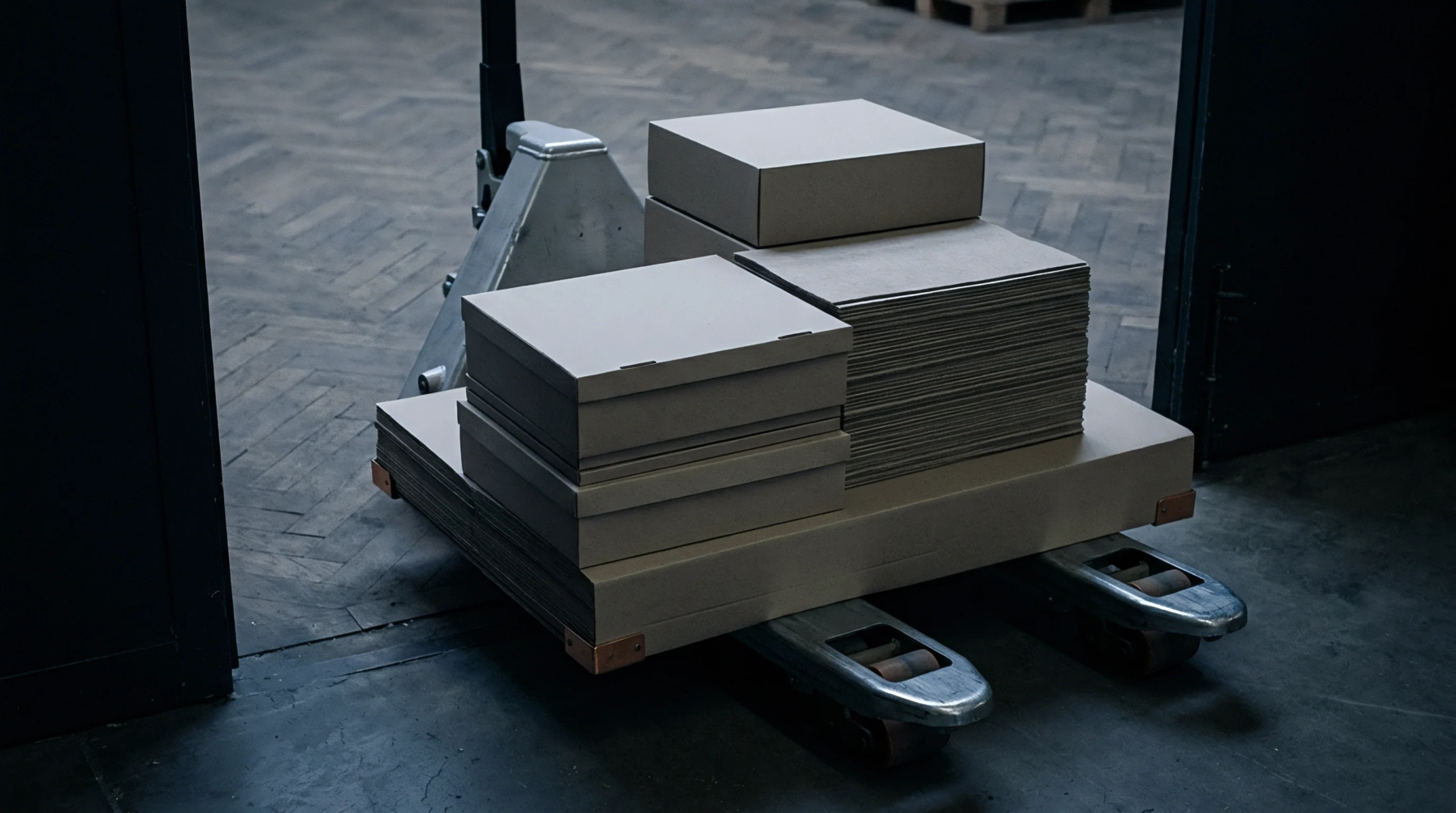
Localized Environment
Localized environmental condition surrounding a temperature sensitive product within a larger refrigerated space measured against the set point of the warehouse governs the rate of heat transfer. Within a pallet of chilled goods, the cold chain microclimate describes the specific temperature and humidity levels inside the individual boxes or between the layers of stretch wrap. Variations here lead to localized spoilage or packaging failure.
Thermal Buffer
Thermal insulation provided by the corrugated board creates a buffer that resists the cooling air of the main warehouse. Airflow patterns around the pallet and the presence of internal heat sources, such as respiring produce, determine the stability of these conditions. Thermal bridges through the gaps in the pallet or the floor often create hotspots where the temperature deviates from the set point of the refrigeration unit.
These pockets of warm air reduce the effectiveness of the cooling system.
Saturation Risk
Condensation risks increase when the temperature of the local air falls below the dew point of the surrounding atmosphere. High relative humidity within these microclimates softens the paper fibers and reduces the stackable life of the containers. Effective management requires sensors placed inside the secondary packaging rather than just on the warehouse wall.