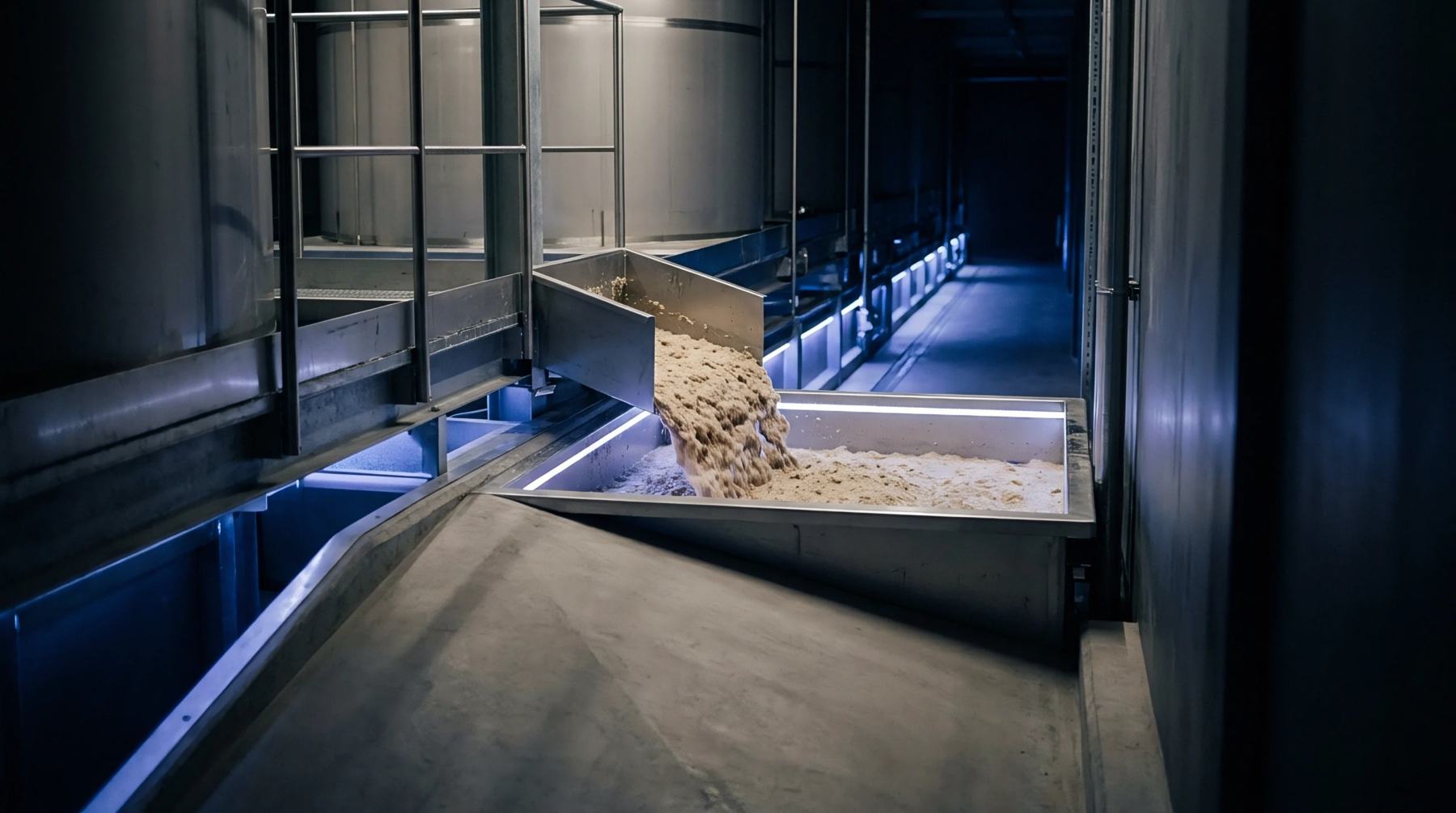
Polymer Extract
Complex aromatic macromolecular fragments removed from plant cell walls during chemical pulping remain suspended in alkaline cooking solutions. This material, identified as dissolved lignin, results from hydroxide and hydrosulfide cleavage of aryl-ether bonds binding phenylpropane units within wood chips. In chemical pulping for containerboard and folding carton substrates, liberating intact cellulose and hemicellulose requires solubilizing this hydrophobic network.
Molecular weight distributions of the resulting fragments vary widely, running from low-weight monomers to high-weight polycondensates. Analytical qualification ceases once the substance undergoes combustion in recovery boilers or precipitation for industrial chemical valorization, where it transforms from an effluent component into a solid aromatic feedstock.
Pulp Cleanliness
Incomplete washing allows solubilized fragments to redeposit onto pulp fiber surfaces, causing brightness reversion and elevated chemical demand in subsequent bleaching sequences. High concentrations of residual organics elevate the kappa number of the brownstock, indicating high residual lignin that compromises fiber-to-fiber bonding during paper sheet formation. When residual liquors carry through to the wet end of a paperboard machine, they cause pitch accumulation, foam creation, and unstable drainage rates across the forming fabric.
Chemical recovery wash plants rely on counter-current displacement washing stages, measuring wash liquor refractometry and conductivity to strip dissolved organics away from clean pulp pads. Modern mills track displacement ratios and dilution factors precisely to balance fiber cleanliness against the cost of evaporating excess wash water.
Precipitation Behavior
Lowering the pH of concentrated alkaline liquors below ten causes selective precipitation of the organic fraction, permitting extraction without evaporating the full liquid mass. Carbon dioxide acidification yields a particulate cake that can be washed, dewatered, and dried into a fine powder for bio-based resins or adhesive replacements. Acidification alters the rheology of the remaining liquor, reducing total organic solids fed to recovery boilers while easing thermal constraints in congested recovery islands.
Recovery furnaces handle lower chemical loads, but the missing heating value requires supplemental biomass or natural gas to sustain plant steam generation balances.