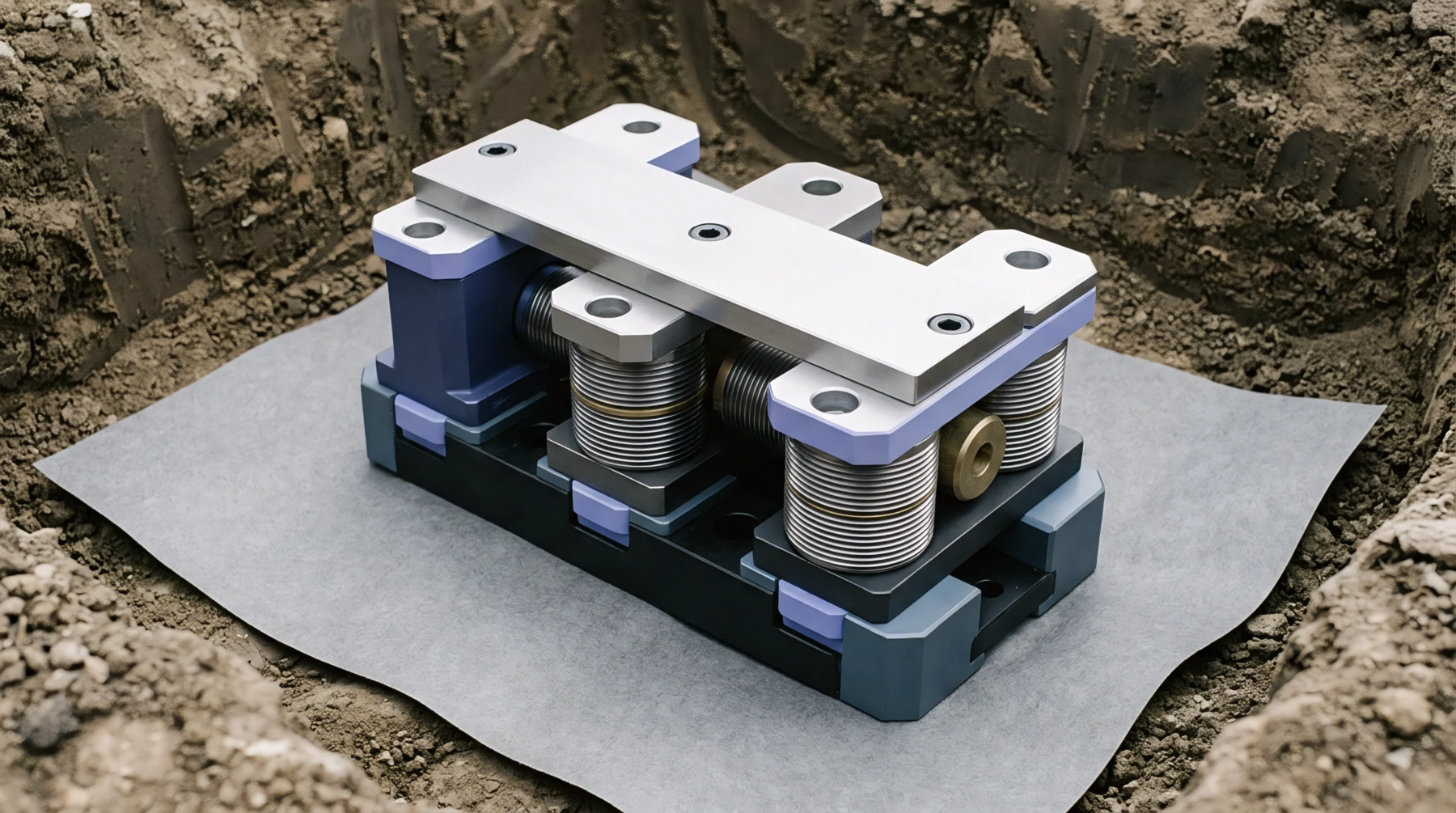
Mass Spectrometric Instrument
Electrostatic ion trapping mass spectrometers employ orbital harmonic oscillation to separate and measure gaseous ions with mass resolving power exceeding one hundred thousand. In packaging compliance analysis, a high-resolution orbitrap characterizes non-intentionally added substances, adhesive degradation byproducts, and volatile migrants from paper and board substrates. The technology determines accurate mass to within sub-part-per-million mass errors, enabling unambiguous empirical formula generation for unknown extractable molecules.
Its operating boundary governs chemical identification and quantification, ceasing to provide structural insights when isomeric compounds produce identical fragmentation spectra without chromatography.
Orbital Trapping Physics
Ions enter an electrostatic field established between a central spindle electrode and an outer barrel-shaped electrode through a curved linear trap known as a C-trap. The injected ion packets undergo stable harmonic orbital oscillations along the central axis of the instrument without requiring magnetic or radiofrequency excitation fields. Axial oscillation frequency correlates inversely with the square root of the specific mass-to-charge ratio of the analyte.
Image currents induced on the outer split-electrode plates undergo amplification, yielding complex time-domain transient signals. Fast Fourier transformation converts these transient signals into highly resolved frequency distributions, which compute directly into accurate mass spectra with exceptional dynamic range.
Non-Targeted Screening Operations
Paperboard analytical laboratories deploy these spectrometers coupled to gas or liquid chromatography to resolve complex extractable matrices originating from recycled pulp and barrier coatings. The system isolates trace-level contaminants, such as photoinitiators, fluorinated surfactants, and oligomeric adhesive residues, out of background cellulosic noise. High mass accuracy distinguishes isobaric chemical species that conventional quadrupoles cannot separate, preventing false positives in food contact compliance filings.
Quantitative workflows measure trace target chemicals down to sub-nanogram concentrations per gram of paperboard. Data processing software matches observed exact mass fragments against structural databases to determine Cramer toxicological classifications for previously uncharacterized migrant molecules.