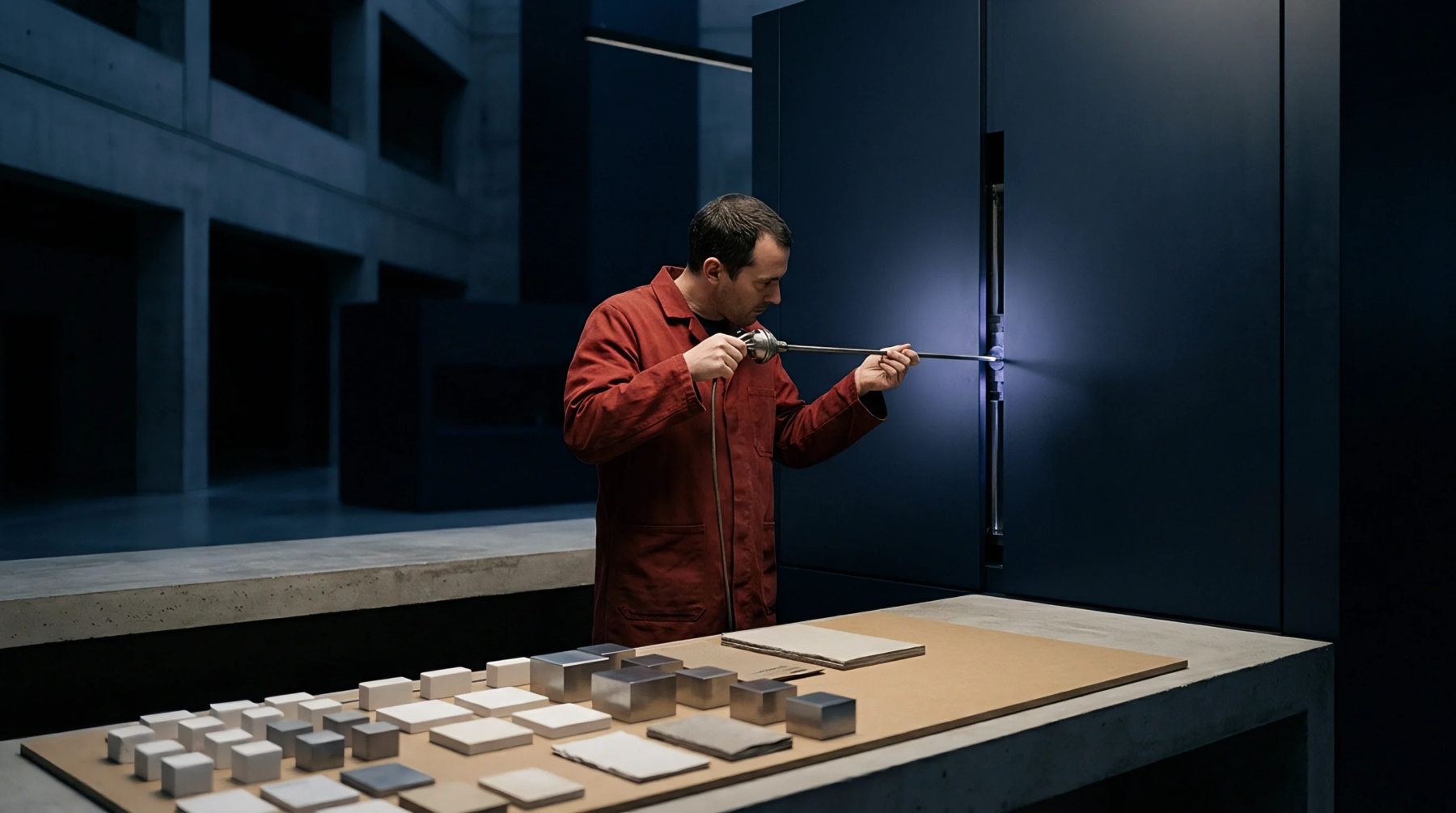
Blue Reflectance
Standardized testing procedures quantify the numerical value of diffuse blue reflectance of pulp and paper under specified optical conditions. This measurement, known as iso brightness, utilizes a single wavelength band centered at four hundred and fifty-seven nanometers to assess the whiteness and aging of cellulosic fibers. It provides a standard metric for the paper industry to grade the visual quality of raw pulp and finished sheets.
The measurement is conducted using a d/0 degrees geometry with the specular component excluded to capture only the diffuse reflection. This value is critical for determining the suitability of paper for high-contrast printing applications.
Fiber Evaluation
Raw wood fibers possess a natural yellowish tint due to the presence of lignin and other organic compounds that absorb blue light. Measuring the reflectance in the blue region with iso brightness allows pulp mills to monitor the efficiency of the bleaching process. As bleaching removes the light-absorbing lignin, the reflectance of the blue light increases, which is indicated by a higher numerical score.
This evaluation helps paper manufacturers optimize the use of bleaching chemicals and process energy during refining. It also functions as a quality control tool during the blending of different fiber types, such as softwood and hardwood pulps, to achieve the desired optical properties at the lowest cost.
Calibration Rigor
Discrepancies in paper brightness testing are prevented by a strict three-tier hierarchy of reference standards maintained by authorized laboratories. These laboratories distribute calibrated paper samples to mills and test centers to ensure that all instruments produce identical results for the same sheet. This rigorous process prevents measurement drift and ensures that pulp shipments comply with international trade contracts.