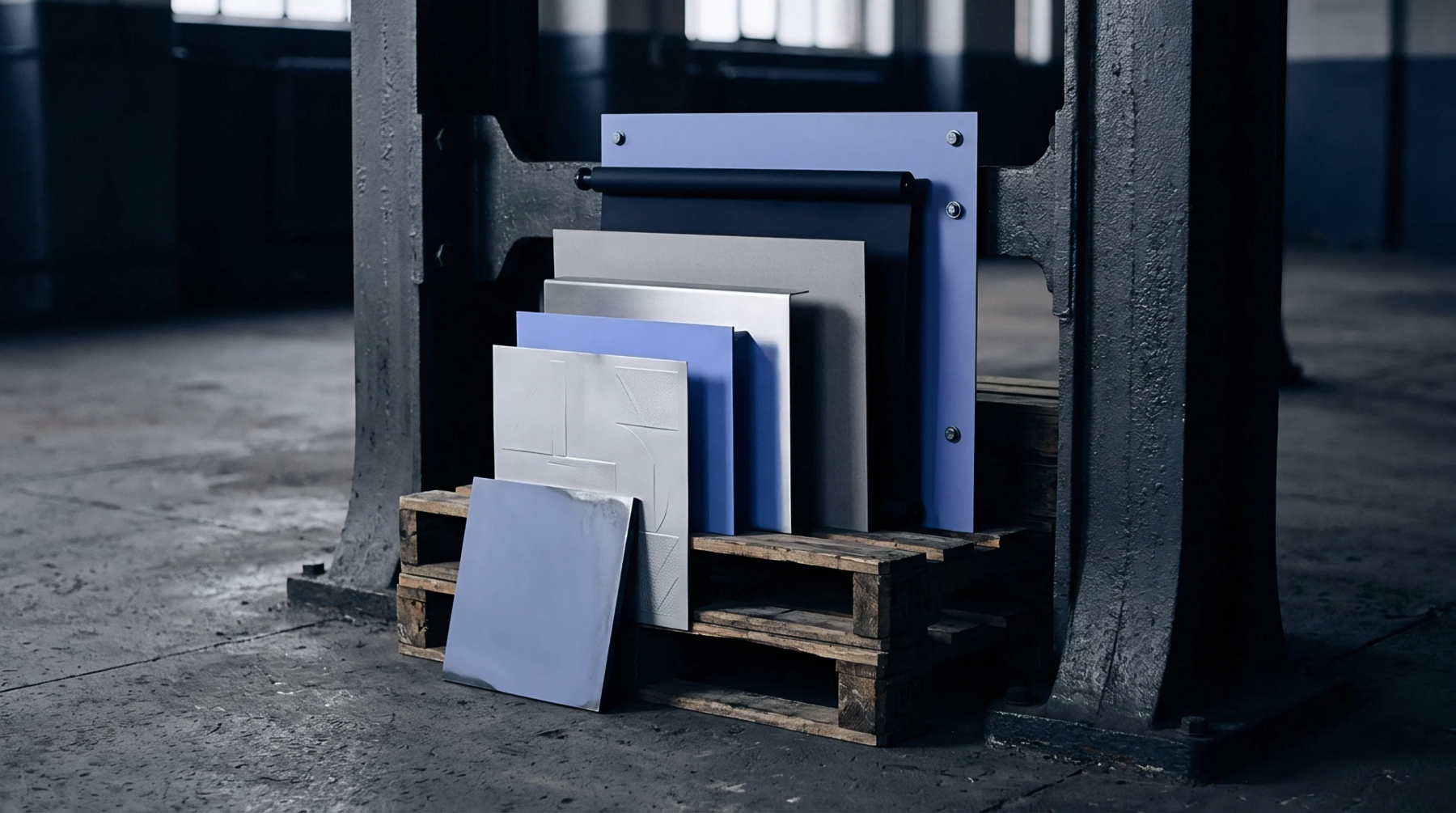
Tooling Substrate
Phenolic resin bonded paper laminates machined with precision creasing channels constitute the rigid lower female tooling used in flatbed carton die-cutting presses. Converted packaging operations utilize a pertinax counter, often termed a counter plate or milled matrix, to replace consumable self-adhesive creasing strips during extended carton production runs. Operating directly beneath the creasing rules of the upper cutting die, this plate guides paperboard into precise grooves to form deliberate internal ply delaminations without fracturing outer liners.
The tooling applies strictly to platen and cylinder die-cutting equipment processing solid bleached board and folding boxboard, ceasing where short-run creasing matrices or steel counter plates become standard.
Milling Geometry
Computerized cutting tables route specific channel profiles directly into the laminated sheet using specialized conical end mills. Channel dimensions must match the paperboard caliper and creasing rule thickness with extreme accuracy, where channel width typically equals board thickness multiplied by one point five plus the rule width. The depth of the routed groove corresponds directly to substrate thickness, providing controlled space for folded fibres during rule penetration.
Phenolic counters feature chamfered channel edges that prevent board scuffing and liner shearing as sheets feed through high-speed platen presses at speeds exceeding eight thousand sheets per hour. Register pins and locating holes position the milled sheet on the die-cutting platen within tolerances under fifty micrometres.
Press Endurance
Exceptional dimensional stability allows a pertinax counter to withstand millions of press impressions without channel distortion. Wear resistance eliminates score variance, ensuring uniform crease recovery across extensive production volumes.