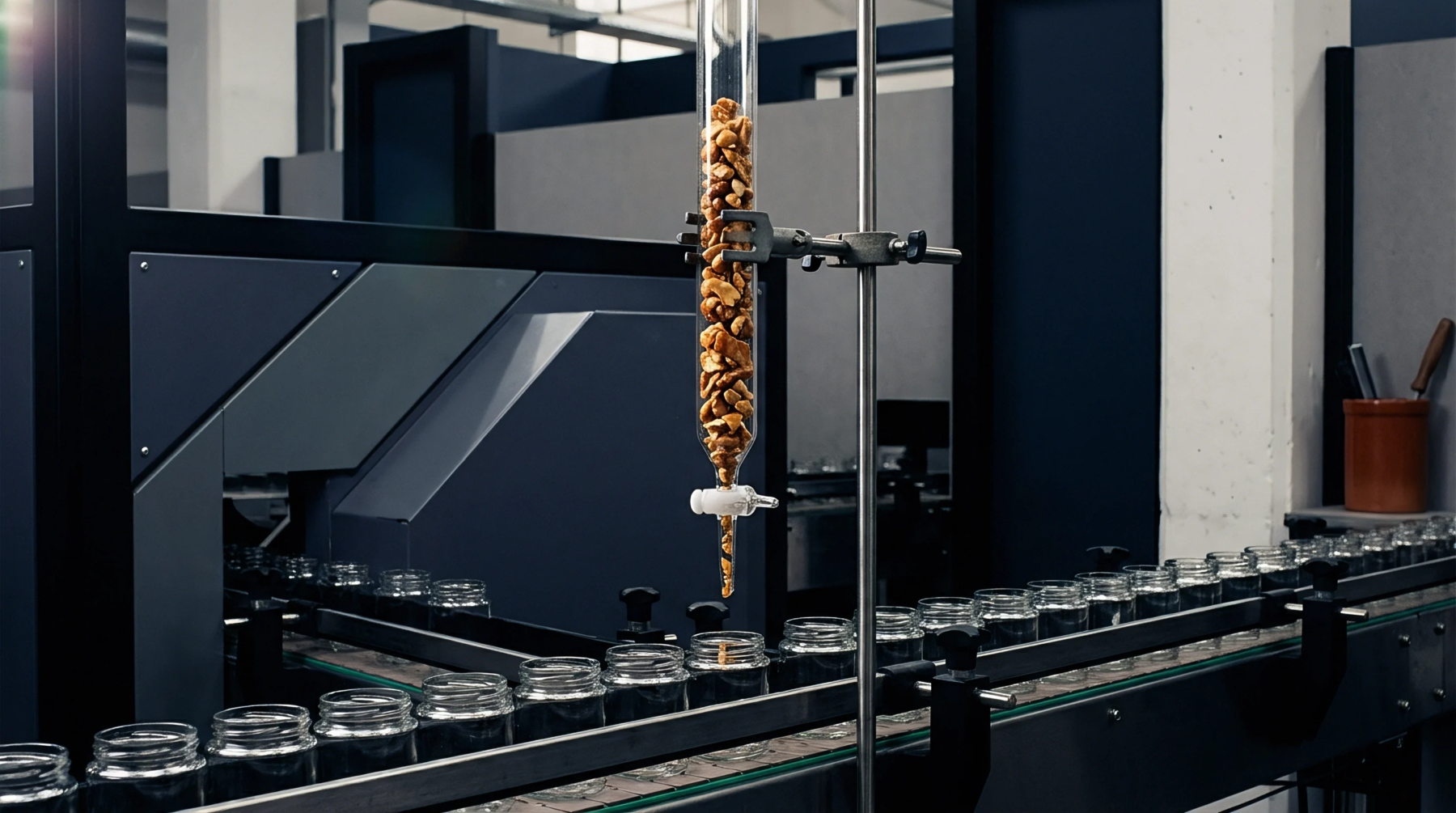
Analytical Procedure
Specialized chemical analysis isolates and identifies light-sensitive compounds that trigger polymerization in ultraviolet-cured inks and varnishes applied to packaging materials. Targeted photoinitiator screening prevents low-molecular-weight compounds from migrating from printed outer surfaces into sensitive packaged goods. Testing laboratories utilize gas chromatography paired with mass spectrometry to quantify compound residues in printed board samples.
The protocol detects residual molecules such as benzophenone or isopropylthioxanthone at trace levels. Uncured photoinitiator species pose significant contamination risks for food packaging applications.
Migration Pathways
Uncured light-sensitive molecules migrate through paperboard layers via gas-phase volatility or set-off transfer on rolls. Executing photoinitiator screening identifies specific chemical species capable of penetrating porous paperboard matrices over time. Polymeric or reactive photoinitiators possess larger molecular weights that reduce migration potential across functional barriers.
Curing lamp intensity directly dictates residual monomer concentrations in the finished ink film. Incomplete UV curing leaves unreacted photoinitiator compounds free to diffuse into contents.
Compliance Verification
Analytical results establish whether food contact packaging meets statutory limits set by regional safety authorities. Systematic photoinitiator screening supports compliance claims under European food contact regulations. Printing facilities adjust UV lamp exposure and ink formulations based on screening analytical reports.
Low-migration ink sets replace volatile compounds with high-molecular-weight alternatives. Certified screening data validates package safety for commercial distribution.