Polymer Composition
Thermoplastic polyurethane variants formed with ester-based linkages provide a high degree of abrasion resistance and mechanical strength for specialized coating applications. Polyester tpu maintains physical integrity when exposed to hydrocarbons and oils, making it a frequent choice for substrates requiring resistance to chemical degradation. Material performance depends on the density of the ester chains and the specific molecular weight distribution during synthesis.
These chemical structures determine how well the film adheres to fibrous surfaces or rigid board during lamination cycles.
Processing Characteristics
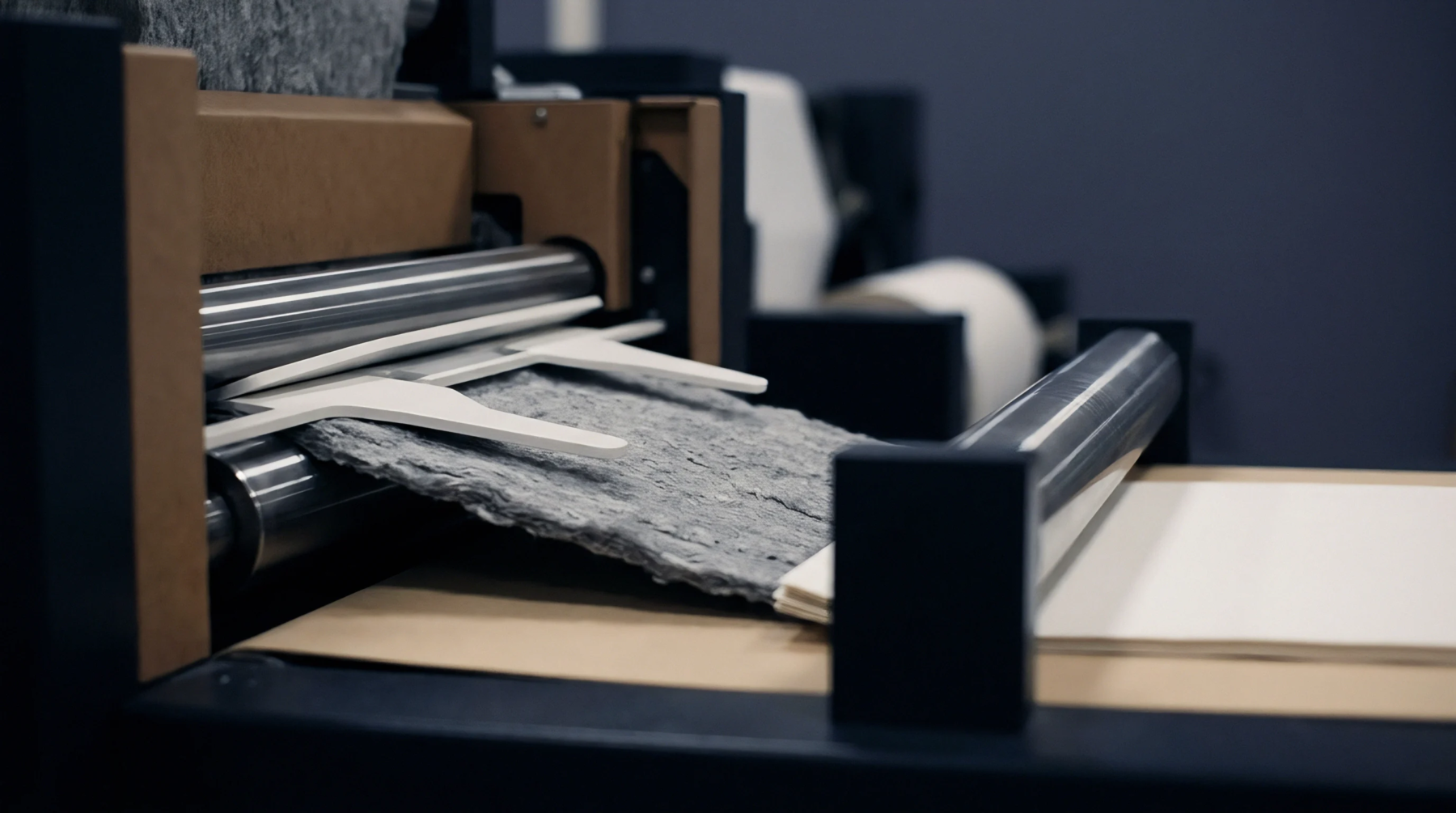
Heat sensitivity dictates the operating window for machines applying these coatings to packaging materials. Equipment operators monitor the temperature of the melt curtain or coating head to prevent thermal breakdown of the ester bonds. Stable bonding occurs when the melt flow index matches the speed of the line and the dwell time under the nip roller.
Viscosity management allows for thin, uniform layers that do not interfere with subsequent folding or creasing of the stock. Moisture sensitivity requires drying the resin pellets prior to extrusion to avoid gas formation and surface voids within the coating.
Application Parameters
Laminators select this material for flexible packaging where durability and chemical shielding are required on outer layers. Thickness settings usually fall between ten and fifty microns depending on the barrier requirements of the finished goods. Abrasion resistance levels remain consistent across temperature fluctuations, provided the base polymer retains its structural orientation.
High shear forces during the application phase do not cause significant molecular chain scission in these stable compounds. Superior bond strength on paper and board occurs only when the surface tension of the substrate matches the specific energy of the adhesive layer.