Polyurethane Thermal Lamination Surface Tension and Adhesion Limits
Polyurethane thermal lamination achieves durable fiber-tearing bonds when board surface energy exceeds 40 mN/m and nip temperature reaches 105 degrees Celsius.

Energy
Melted polyurethane adhesives need direct molecular contact with the base sheet to establish permanent interfacial forces. Liquid film adhesives extruded or coated onto thermoplastic carriers must spread across printed ink films and raw paperboard fibers within a fraction of a second inside the heated nip. Surface wetting determines whether the molten polymer fills microscopic surface topography or bridges across surface voids, creating concentrated stress points that split during downstream converting.
Thermodynamic Surface Free Energy Components
Total surface energy governs fluid spreading across solid substrates. Contact angle goniometry and Owens-Wendt-Rabel-Kaelble calculations break down total energy into polar and dispersive forces. Polyurethane thermal films feature higher polar energy components than conventional ethylene-vinyl acetate adhesives due to urethane linkage carbonyl and amine groups.
Paperboard substrates treated with water-based coatings or printed with sheetfed offset inks exhibit total surface energies between 32 and 46 millinewtons per meter.
While test inks containing 2-ethoxyethanol and formamide provide quick field estimates of surface energy, dyne pens degrade rapidly, and liquid contact angle goniometry with diiodomethane and pure water yields definitive polar and dispersive values. A board surface exhibiting a total surface energy of 38 millinewtons per meter with a polar component below 3 millinewtons per meter resists wetting by polar polyurethane resins. The liquid adhesive beads up inside the nip, trapping micro-air pockets along the print boundary.
Polyurethane adhesive melt wetting stops when substrate surface energy falls below forty dynes per centimeter.
| Substrate Surface Condition | Dispersive Component (mN/m) | Polar Component (mN/m) | Total Surface Energy (mN/m) | Wetting Behavior |
|---|---|---|---|---|
| Uncoated Virgin Kraftboard | 28.5 | 14.2 | 42.7 | Spontaneous complete wetting |
| Clay-Coated Folding Boxboard | 30.1 | 9.4 | 39.5 | Adequate melt spreading |
| Sheetfed Offset Ink (Cured 24h) | 31.4 | 3.2 | 34.6 | Partial wetting, risk of pinholes |
| UV-Cured Gloss Varnish | 26.8 | 1.8 | 28.6 | Severe bead-up, zero adhesion |
| Corona-Treated Board (Fresh) | 29.0 | 17.5 | 46.5 | Immediate fluid spreading |

Corona Treatment Decay and Substrate Wetting Limits
Polyolefin films stored under ambient mill conditions lose functional surface charge over time through chain relaxation. Dynamic discharge systems direct high-voltage electrical fields across paperboard or plastic surfaces to cleave non-polar carbon-hydrogen bonds, generating hydroxyl, carbonyl, and carboxyl functional groups. Freshly treated board surfaces achieve total energy levels exceeding 48 millinewtons per meter.
Polarization decays exponentially over 72 hours under warm, humid ambient conditions.
High humidity accelerates surface oxidation decay by allowing atmospheric moisture to bind with surface carboxyl sites. Storage of treated boards above 60 percent relative humidity drops polar surface energy by 6 to 10 millinewtons per meter within two days. Laminating over decayed board forces operators to increase roll temperatures, accelerating substrate moisture vapor extraction and causing web blister defects.
Delamination over heavy offset solids often stems from low surface energy on the sheet rather than unevaporated ink solvents.
Polymer
Synthetic resins used for thermal film adhesives determine structural cohesion and ultimate bond integrity. Thermoplastic polyurethane resins combine alternating blocks of hard isocyanate segments and soft polyol segments. Hard segments supply thermal resistance, tensile strength, and cohesive toughness, whereas soft polyol segments provide elasticity and low-temperature flexibility needed during board creasing.
Thermoplastic Polyurethane Segmented Chemistry
Isocyanate hard blocks supply structural cohesion while polyol soft chains provide flexural flexibility at room temperature. Polyester-based polyurethanes display superior tensile strength and oil resistance compared to polyether-based alternatives. Polyester segments remain susceptible to hydrolytic cleavage under humid storage conditions.
Water molecules attack ester linkages within the soft domain, reducing molecular mass and turning a tough adhesive film into a brittle layer that flakes under light scoring pressure.
Polyether-based polyurethanes resist moisture attack but exhibit lower oil and solvent resistance. Selection of the polymer backbone alters the glass transition temperature. Formulations featuring a glass transition temperature near minus 20 degrees Celsius remain soft and pliable across cold-chain packaging applications, avoiding score line delamination when folding boxboard cartons open at zero degrees Celsius.
Standard specification annexes mandate ninety percent fiber tear retention following forty eight hours of tropical conditioning at forty degrees Celsius and ninety percent humidity.
Failure mechanisms linked to adhesive resin formulation reveal specific structural vulnerabilities during converting:
- Hydrolytic cleavage occurs when moisture attacks ester linkages in polyester-based polyurethanes, reducing molecular mass and embrittling the bond line.
- Plasticizer migration weakens interfacial adhesion as monomeric plasticizers migrate from ink vehicles into the soft polyol phase of the polyurethane layer.
- Crystallization lockup reduces film flexibility over extended storage when hard segments arrange into rigid domains that crack during board scoring.
- Isocyanate off-gassing creates microscopic pinholes within uncrosslinked reactive polyurethanes exposed to excess substrate moisture during high-speed thermal lamination.
Glass Transition and Heat Resistance Thresholds
Thermal adhesive layers must soften rapidly inside the laminator nip without losing melt strength across the web. Thermoplastic polyurethanes exhibit broad melting transitions compared to crystalline waxes or low-density polyethylene. The resin softening range spans 85 to 115 degrees Celsius.
Solid heat resistance correlates directly with hard segment concentration. Formulations carrying high diphenylmethane diisocyanate ratios maintain dimensional stability up to 130 degrees Celsius, enabling downstream hot foil stamping without adhesive squeeze-out along die edges.
Soft polyol segments improve flex fatigue across scores while hard isocyanate blocks resist high temperature stacking block.

Nip
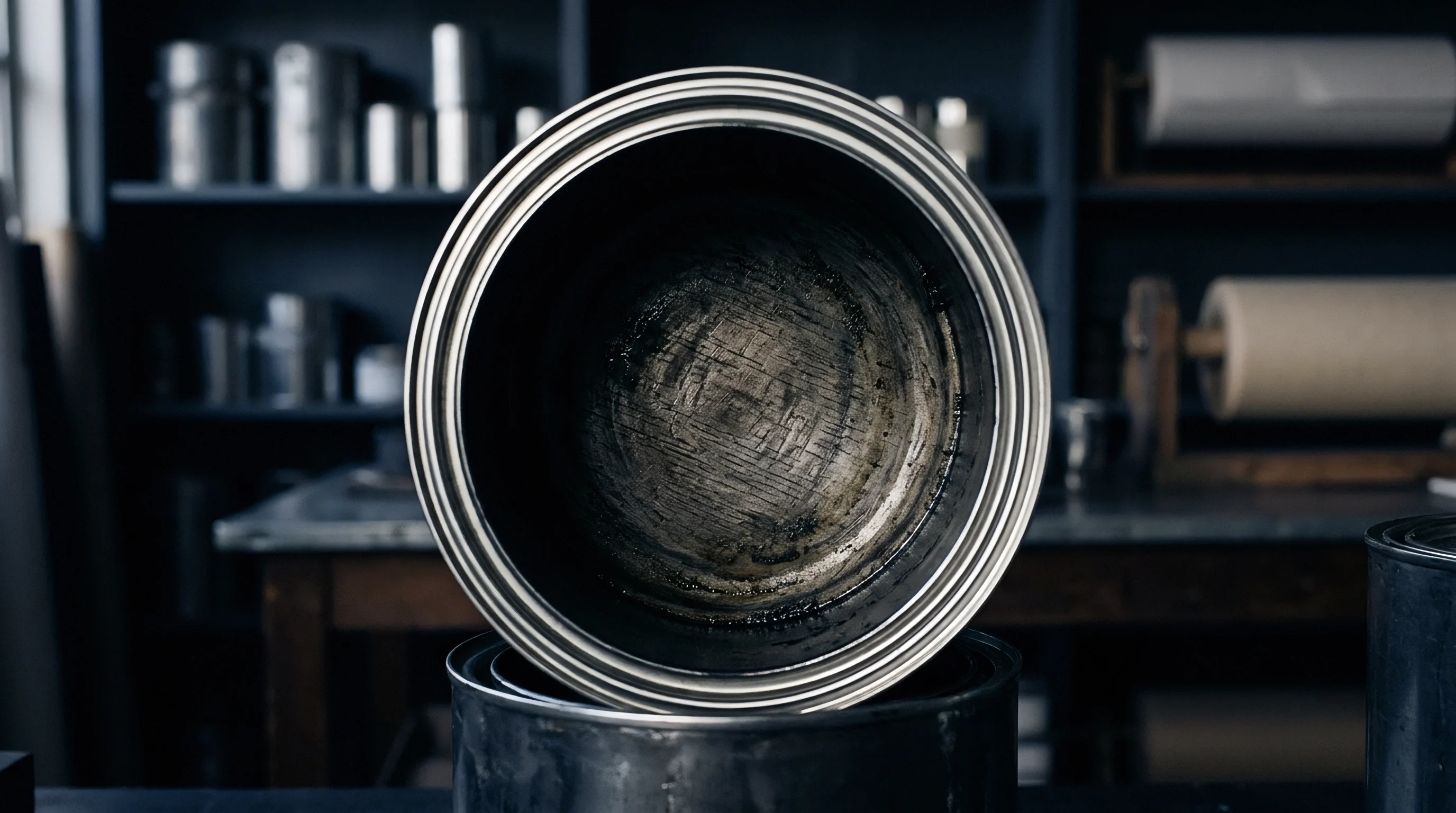
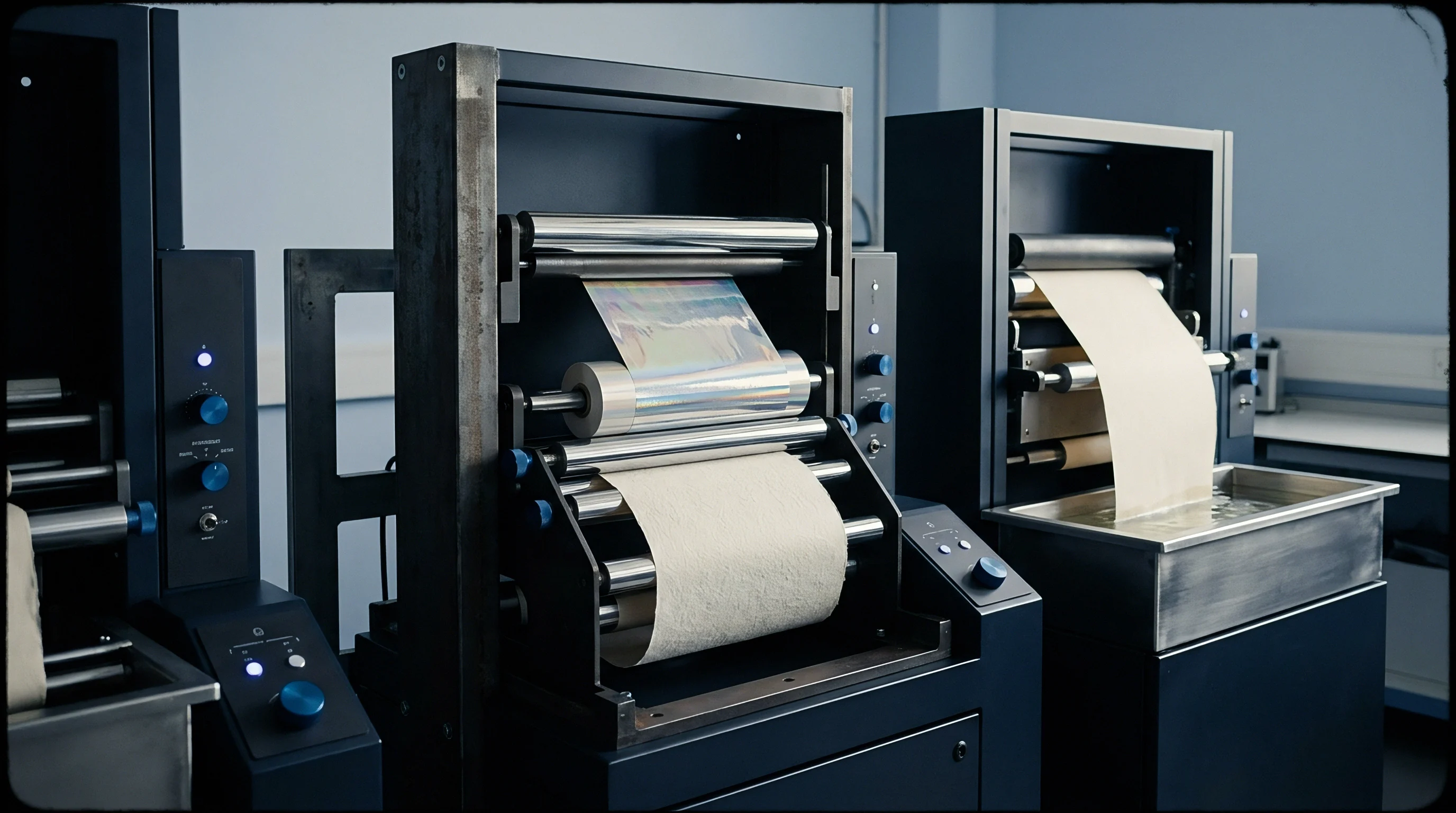
Mechanical consolidation inside the laminator assembly forces molten polyurethane resin into raw board pores and ink surface topography. Heat transfer occurs simultaneously with hydraulic pressure application. The nip zone formed between a polished chrome heating cylinder and a resilient counter-pressure roller defines the precise thermal window where fluid flow, surface wetting, and mechanical interlocking take place.
Thermal Dwell Time and Heat Transfer Kinetics
Steel cylinder surface temperature governs how rapidly the film adhesive layer reaches its fluid softening threshold. Heat must travel through the carrier film layer, typically 12 to 30 microns of biaxially oriented polypropylene, polyethylene terephthalate, or nylon, before raising the internal polyurethane resin layer to its activation point. Thermal conductivity of the carrier film dictates heat loss.
PET film demands higher cylinder set-points than BOPP film due to its higher glass transition temperature and heat capacity.
A production line running 250-gram folding boxboard at 40 meters per minute provides a nip dwell time of only 25 milliseconds across a 16-millimeter contact footprint. Increasing web velocity without adjusting roll temperature drops the adhesive interface temperature below the 95 degree activation threshold, leading to initial tack failure.
| Carrier Film Type | Adhesive Thickness (μm) | Roll Temperature (°C) | Nip Pressure (MPa) | Line Speed (m/min) | Interface Dwell (ms) |
|---|---|---|---|---|---|
| 12 μm BOPP Gloss | 10 | 95 – 105 | 12 – 16 | 35 – 50 | 18 – 24 |
| 15 μm PET Matt | 15 | 110 – 120 | 18 – 24 | 25 – 35 | 26 – 36 |
| 15 μm Nylon Soft-Touch | 18 | 115 – 125 | 20 – 25 | 20 – 30 | 30 – 42 |
| 24 μm PET Metalized | 12 | 105 – 115 | 16 – 22 | 30 – 40 | 22 – 30 |
Pressure Distribution across Varied Board Calipers
Rubber impression rolls deform against heavy folding boxboard to maintain an even contact footprint across high spots. Roll durometer determines peak hydraulic pressure within the nip center. Harder rubber compounds, measuring 85 to 90 Shore A, deliver intense localized pressure that forces fluid resin into dense paperboard calendered surfaces.
Softer rolls, measuring 65 to 75 Shore A, compensate for board caliper variations across large sheet formats but lower peak compressive force.
Running a 350-gram solid bleached sulfate board at 30 meters per minute under 20 megapascals of peak nip pressure softens the thermal adhesive to a dynamic viscosity of 150 Pascal-seconds. The applied hydraulic force drives the fluid polyurethane resin 8 microns deep into open surface fibers. Dropping nip pressure to 10 megapascals reduces penetration depth to less than 2 microns, dropping 90-degree peel strength from 6.8 Newtons per 25 millimeters down to 2.1 Newtons per 25 millimeters and causing adhesive separation along unprinted fiber regions.
Performance specification clauses frequently dictate that laminator line speed reductions below twenty meters per minute trigger mandatory web temperature log reviews.
Interface
Contact zones between ink, varnish, paperboard, and polyurethane resin represent complex multi-layered chemical structures. Adhesion failure rarely occurs within the solid paperboard body when laminating over raw stock. The presence of printed offset inks, ultraviolet-cured coatings, set-off powders, and board sizing agents introduces weak boundary layers that limit net interfacial strength.

Offset Ink Vehicles and Set off Powder Interferences
Vegetable oil resins and alkyd varnish binders form low energy barriers across printed press sheets. Offset inks cure via oxidation and polymerization over 24 to 48 hours. Lamination applied over partially cured ink traps volatile solvent distillates at the interface.
Trapped solvents dissolve the soft polyol phase of polyurethane adhesives, reducing cohesive strength and creating localized bubbling after 72 hours of storage.
Polyethylene waxes and fluorocarbon additives blended into offset inks to improve rub resistance float to the ink surface during drying, dropping surface energy below 30 millinewtons per meter. Calcium carbonate and cornstarch set-off powders applied during printing create physical spacers between the film and substrate. Microscopic starch granules prevent molten polyurethane from wetting board fibers, leaving unbonded voids around every powder grain.
Polyurethane adhesives achieve five Newtons per twenty five millimeters peel strength when applied over sheet surface energy of forty two dynes per centimeter.
Diagnostic Procedures for Bond Strength Failure
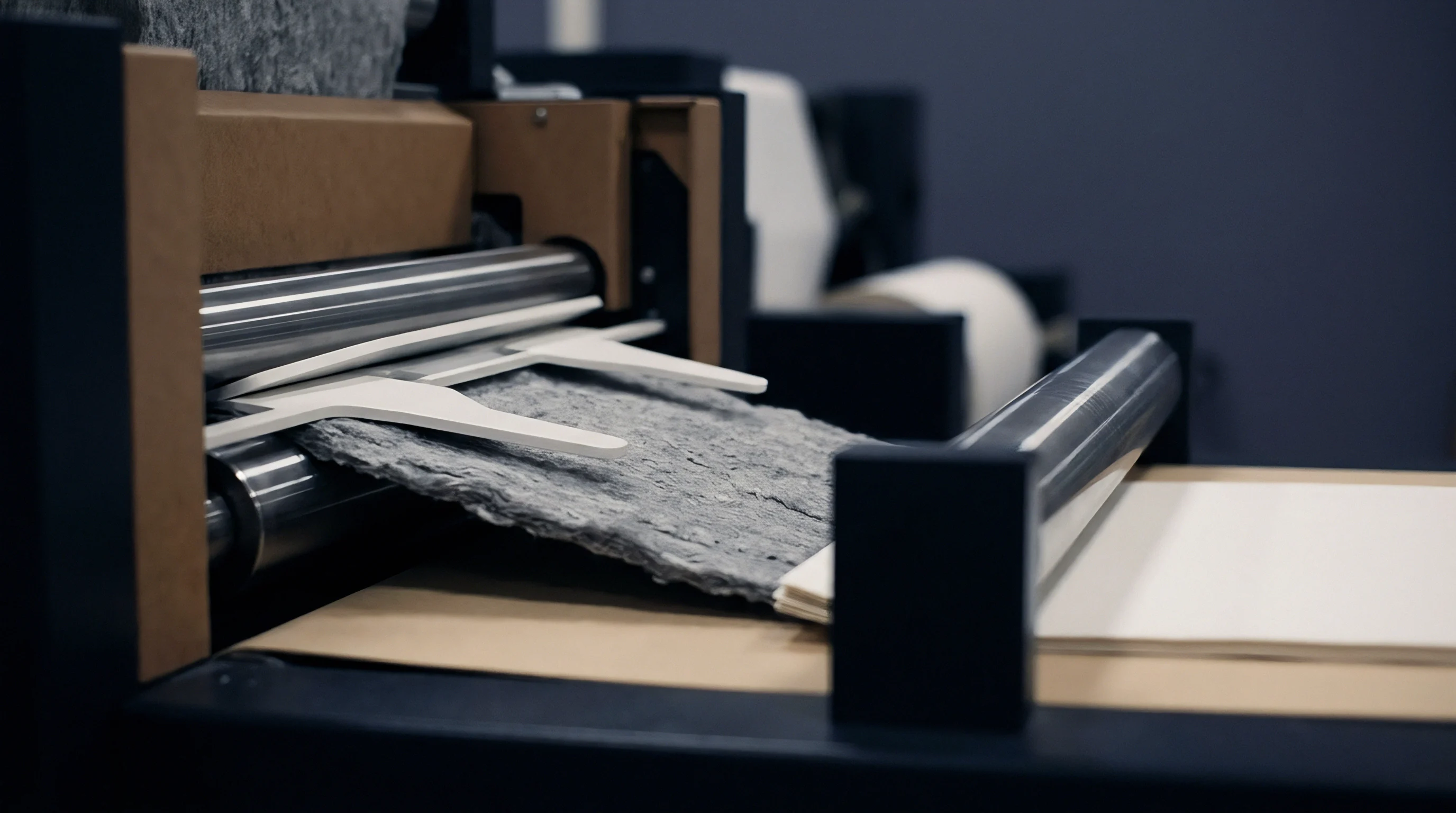
Separating a failed film layer exposes whether fracture occurred inside the adhesive bulk or along the print surface. Quantitative evaluation requires structured specimen preparation and instrumental testing.
- Cut three test strips twenty five millimeters wide along the grain direction of the laminated sheet.
- Condition the specimen strips at twenty three degrees Celsius and fifty percent relative humidity for twenty four hours prior to mechanical testing.
- Peel back fifty millimeters of film manually to create a lead tab for instrument grips.
- Clamp the bare board substrate in the lower pneumatic jaw of a universal testing machine while securing the film tab in the upper grip.
- Separation proceeds at three hundred millimeters per minute while recording average peel force across a ninety millimeter travel length.
Microscopic starch granules from set-off powder act both as mechanical stress concentrators and as physical barriers to bond formation.
Failure
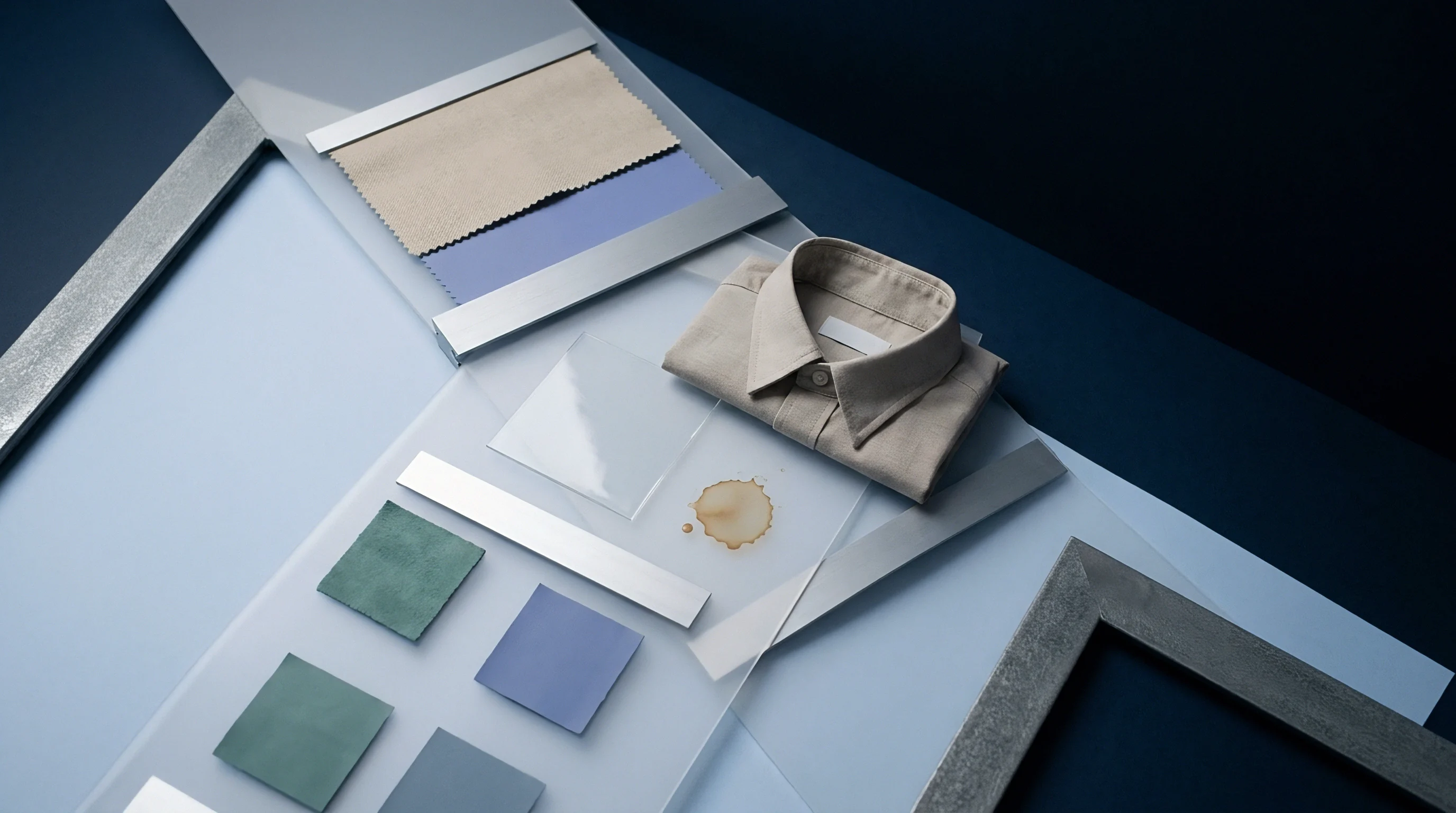
Physical rupture occurring along score lines or flat panels indicates clear operational mismatch between substrate preparation and lamination parameters. Converting folding boxboard into finished cartons subjects laminated composite structures to complex tensile, compressive, and shear stress combinations. Score lines force the outer plastic film to stretch by up to 200 percent while compressional forces shear the interior adhesive bond.
Crease Cracking and Score Delamination Mechanics
Folding boxboard blanks experience severe tensile strains along the outer face during female matrix scoring operations. The male creasing rule forces board fibers down into the matrix channel, delaminating internal board plies intentionally to create an internal hinge. The laminated plastic film on the outer face must elongate without snapping or detaching from the liner board.
Elastic modulus mismatch between brittle UV inks, tough polyurethane adhesive, and elastic BOPP carrier film triggers stress concentrations.
If the polyurethane adhesive layer exhibits excessive hard segment stiffness, the adhesive layer cracks under the score apex, allowing air to penetrate beneath the film. This localized detachment propagates along the score as a visible white void known as score tunneling.
| Standard Designation | Peel Angle (°) | Separation Rate (mm/min) | Primary Target Parameter | Acceptance Minimum Threshold |
|---|---|---|---|---|
| ASTM D903 | 180 | 305 | Cohesive strength of bond line | 4.5 N / 25 mm or 100% Fiber Tear |
| ISO 8510-2 | 90 | 300 | Flexible-to-rigid interfacial peel | 3.8 N / 25 mm or 90% Fiber Tear |
| FINAT FTM 1 | 180 | 300 | Laminated film tab detachment force | 4.0 N / 25 mm |
| ASTM D3330 | 90 | 305 | Pressure-sensitive / thermal tack bond | 3.5 N / 25 mm |
Standardized Peel Strength Qualification Criteria
Calibrated testing apparatus measures average detachment force while ignoring initial peak initiation spikes. Quality assurance protocols classify failure modes into four physical categories: structural fiber tear, cohesive adhesive split, intercoat ink delamination, and clean surface adhesive detachment. Complete fiber tear represents optimum performance, demonstrating that interfacial bond strength exceeds the internal z-direction tensile strength of the paperboard substrate.
Establishing converting line reliability demands systematic qualification steps prior to committing full production runs:
- Surface dyne verification confirms that printed and unprinted board areas exceed forty millinewtons per meter surface energy prior to feeder loading.
- Ink cure audit prevents solvent trapping by measuring residual ink volatile content via gas chromatography before thermal film application.
- Moisture content balance eliminates web curl by ensuring paperboard moisture remains between six and seven point five percent during heating.
- Crease rule depth calibration protects the film boundary by matching scoring tool width to total sheet and film thickness.
Incomplete polyurethane crosslinking leads to full pallet blocking during transit, destroying thirty thousand printed units in sealed shipping containers.
Economics
Financial performance on printed packaging runs depends directly on first-pass yield and post-lamination converting stability. Adding a thermal lamination pass introduces material cost, machine operational rates, make-ready waste, and risk of whole-job scrap if delamination surfaces after die-cutting. Cost calculations must balance raw material performance against downstream regulatory liabilities.

Pass Costs and Waste Spoilage Arithmetic
Thermal lamination adds a distinct converting step carrying setup paper losses and line speed constraints. Film roll waste during temperature bring-up averages 150 to 300 sheets per run. Carrier film pricing scales with polymer purity, surface treatment longevity, and coating uniformity.
Premium soft-touch polyurethane thermal films carry raw material costs three to four times higher than standard glossy BOPP film options.
Running a 30,000-sheet packaging job on 350-gram board requires calculating total landed finish costs to assess real margins. Standard 12-micron gloss BOPP lamination adds approximately 0.035 Euros per sheet in material and operational expense. A 15-micron matte polyurethane film adds 0.110 Euros per sheet.
If low surface energy causes a 4 percent delamination rejection rate at the folder-gluer stage, the waste cost includes printed board, press inks, lamination film, and spent machine hours. Spoilage costs multiply rapidly when defects emerge late in the converting sequence.
Plastic laminates exceeding five percent of total package mass trigger elevated extended producer responsibility fees across European jurisdictions.
Recyclability Grading and Primary Aromatic Amine Limits
European packaging directives apply financial surcharges to plastic-coated cartonboard failing repulpability thresholds. The European Paper Packaging Alliance and CEPI testing guidelines score repulpability based on fiber yield, coarse reject percentages, and sticky content during laboratory pulping. Laminates with polyurethane films that fail to break down or separate cleanly during standard 20-minute hydrapulping operations generate large plastic sheet fragments.
If non-paper components exceed 5 percent of total package mass, the structure incurs higher Extended Producer Responsibility fees.
Food contact compliance adds further regulatory constraints. Polyurethane adhesives formulated with aromatic isocyanates like methylenediphenyl diisocyanate can form primary aromatic amines if unreacted monomer remains inside the layer. Regulation EU 10/2011 sets a strict specific migration limit of less than 0.01 milligrams of total primary aromatic amines per kilogram of food simulant.
Laminating food-contact folding boxboard demands strict temperature audit trails to prove complete resin reaction prior to shipment.
Landed unit cost reflects raw sheet price, surface conditioning downtime, film roll yield, and potential recycling surcharges calculated over the total run volume.