Hydrolytic Polyurethane Elastomer
Segmented block copolymers derived from polytetramethylene ether glycol intermediates provide tough, flexible barrier layers that resist moisture-induced polymer chain scission. Extruded as a free-standing film or laminated onto technical papers, polyether TPU delivers superior puncture resistance and low-temperature flexibility compared to ester-based thermoplastic polyurethanes. The grade boundary stops where prolonged contact with industrial oils is required, as the ether linkage swells in non-polar hydrocarbon fluids that polyester chemistries withstand easily.
Aqueous Barrier Performance
Wet packaging environments break down ester linkages through autocatalytic hydrolysis, causing conventional coatings to lose mechanical strength over long shipping cycles. Applying polyether TPU preserves seal integrity and flexibility in chilled meat packaging, cold-chain pharmaceutical liners and outdoor industrial wrappings exposed to constant humidity. The material maintains an elongation at break exceeding four hundred percent even when chilled down to minus thirty degrees Celsius, preventing corner fractures on vacuum-sealed trays.
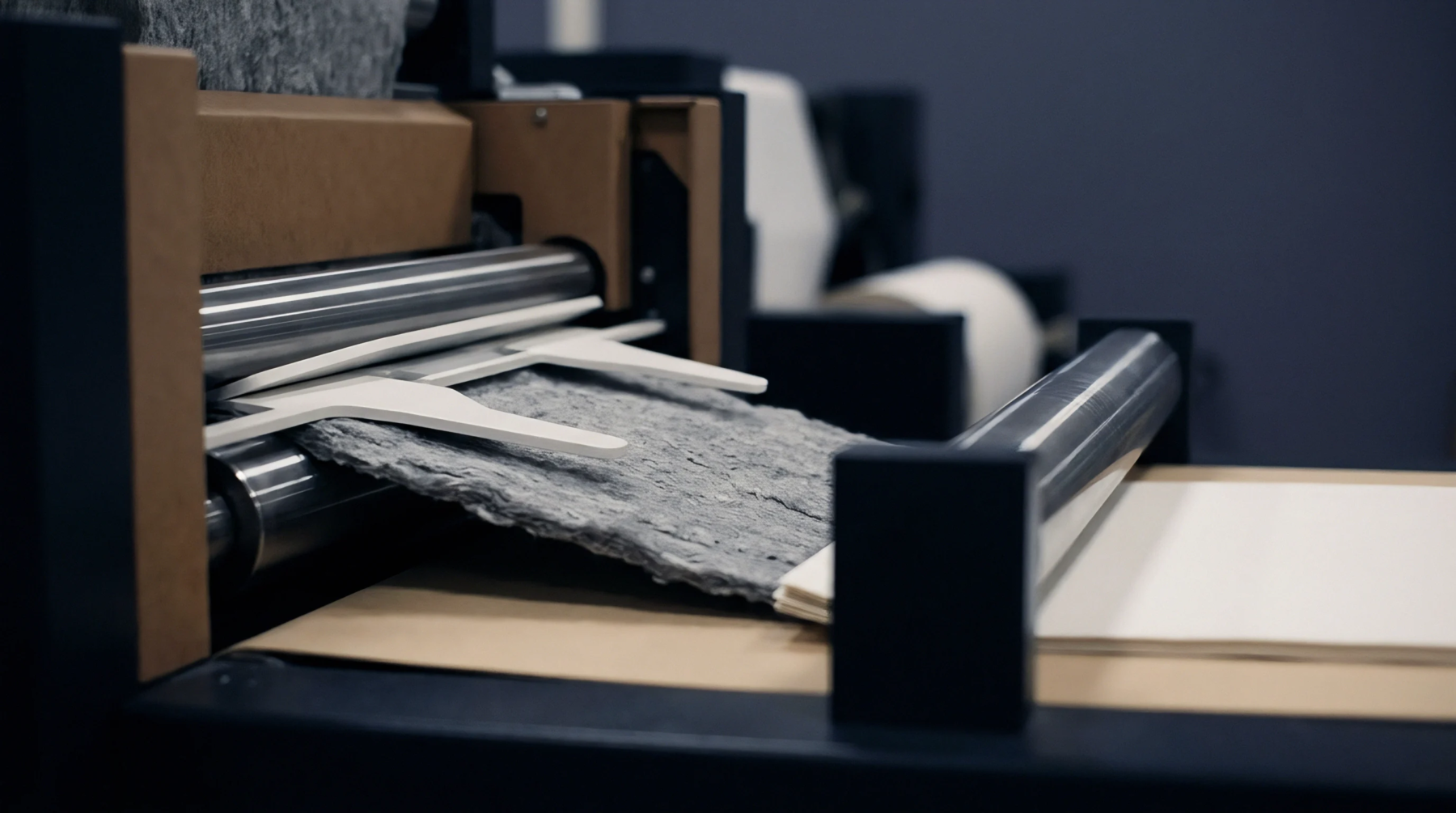
Extrusion onto unbleached kraft papers yields flexible composite membranes that flex over sharp fold corners without pinholing.
Converting Extrusion Rheology
Processing temperatures along extruder barrels require tight monitoring between 190 and 220 degrees Celsius to prevent thermal cleavage of urethane bonds. Low melt strength during flat die extrusion calls for short die-to-nip gaps to prevent web sag before touching the chill roll. Blown film lines require chilled air rings to solidify polyether TPU bubble walls rapidly, preventing tack-induced blocking on downstream winding stations.