Moisture Reabsorption
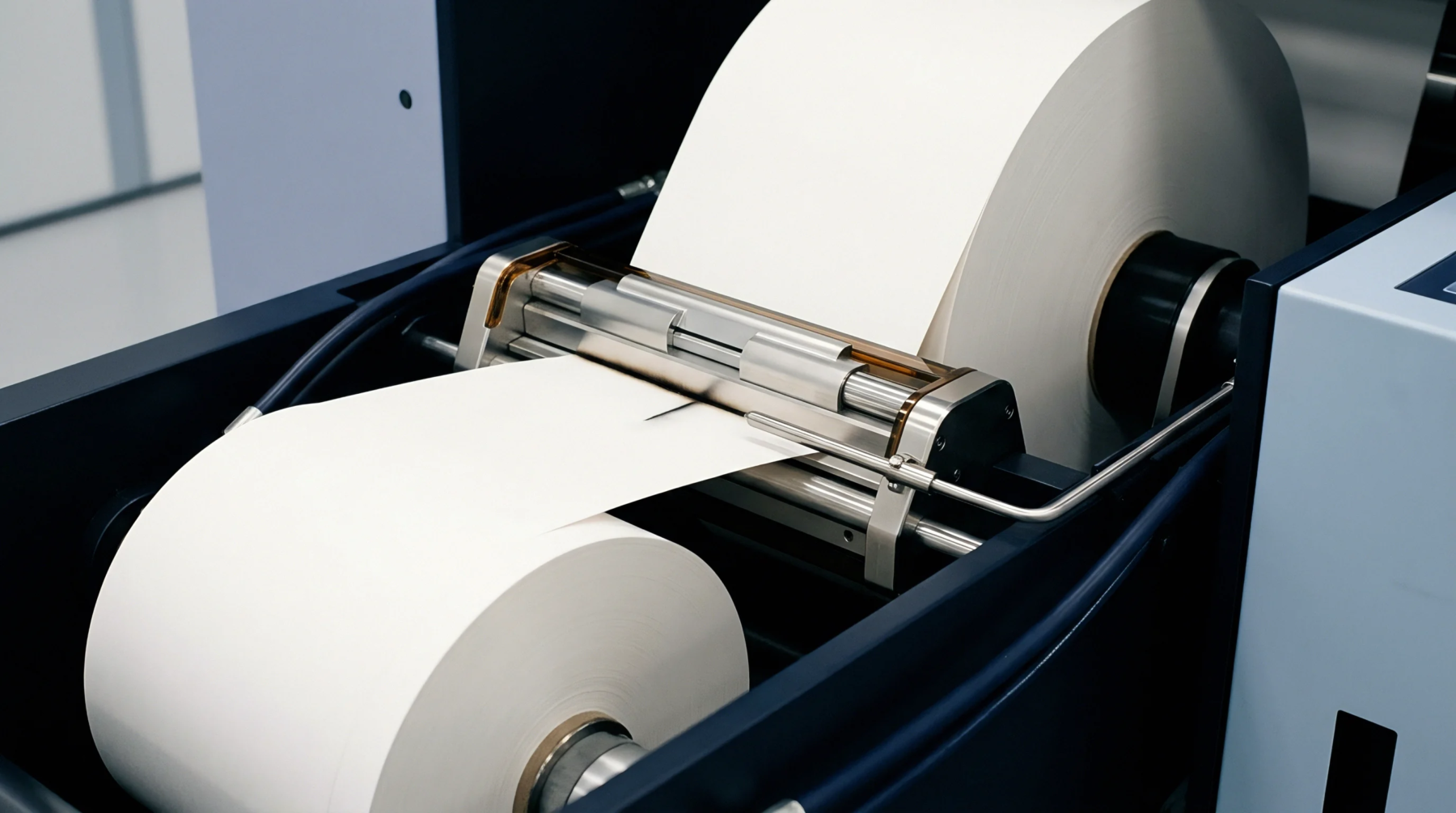
Capillary water transfer returns water from press felts back into the wet paper web after passing the press nip midpoint. Machine engineers minimize press section rewetting to maximize sheet dryness prior to web entry into the steam dryer section. The phenomenon governs water movement across the felt-paper interface in wet press nips.
The boundary ends at the press section exit draw where mechanical pressing operations end.
Interface Capillarity
High mechanical pressure in the press nip forces water from the paper sheet into the porous press felt structure. Water flows backward into the expanding sheet pores via capillary action as the sheet and felt expand upon exiting the nip center. Faster machine speeds reduce contact time in the expanding nip zone, which decreases capillary water reabsorption back into the fiber sheet.
Modern paper machines utilize grooved rolls and hydrophobic felt designs to interrupt capillary paths. Suppressing press section rewetting raises sheet dryness by two percentage points, reducing steam consumption in the dryer section.
Energy Efficiency
Higher sheet dryness leaving the press section directly improves web wet strength and enables faster machine speeds. Web breaks drop significantly when paper sheets maintain high dryness entering the dryer section. Thermal drying costs drop when mechanical water removal efficiency increases.