Image Resistance
Graphics retention capacity evaluates how printed ink and varnish films withstand mechanical wear and environmental exposure over time. The attribute known as print durability determines the resistance of printed paperboard, corrugated packaging, and labels against rub, scuff, solvent contact, and light fading. Formulations containing cross-linking polymers, waxes, and light-stable pigments preserve graphic legibility during transport and shelf display.
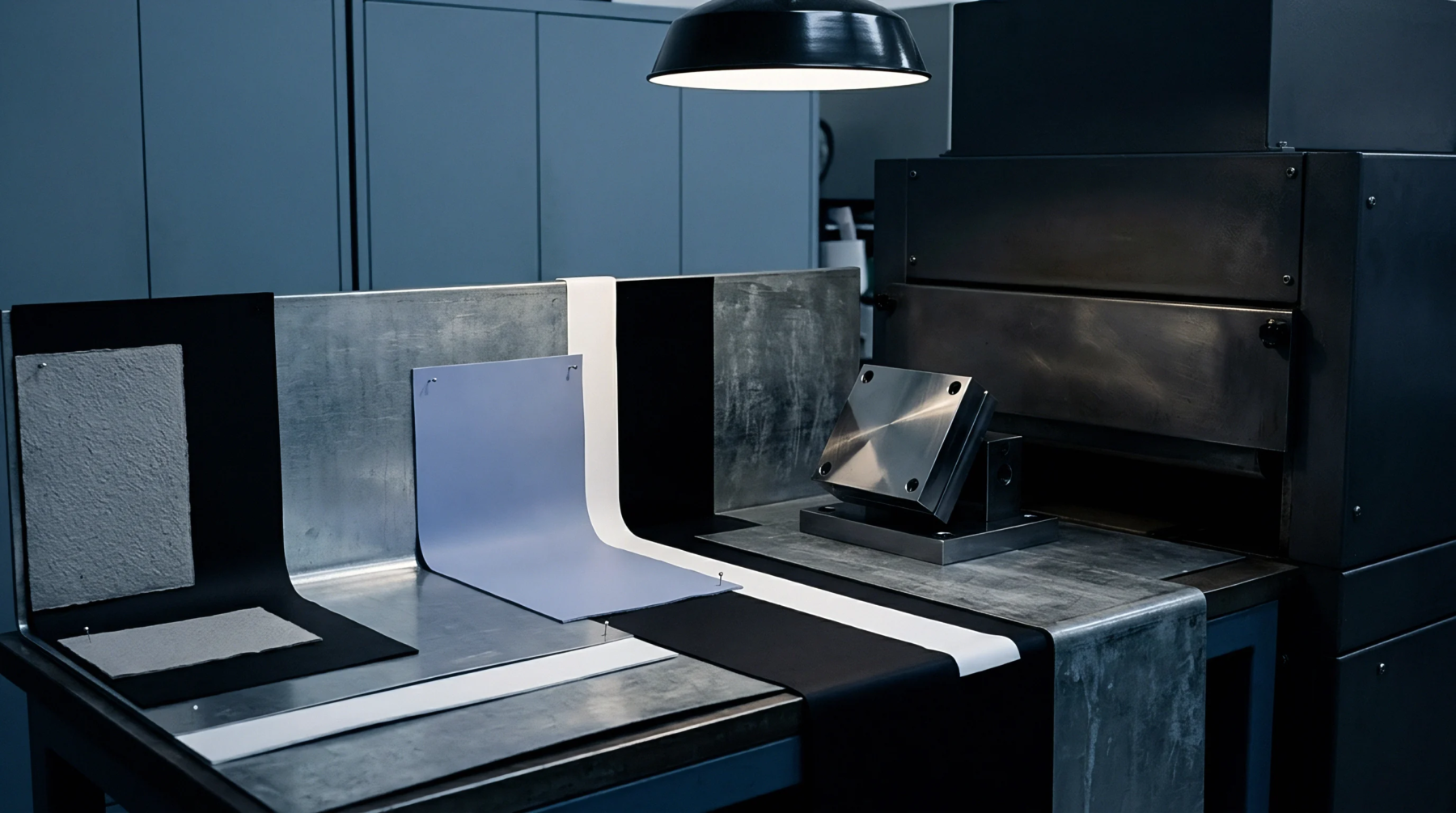
Mechanical test instruments measure surface loss after repeated rubbing cycles under defined contact pressures.
Degradation Mechanism
Abrasive forces during transit rub adjacent packaging surfaces together, wearing away un-cured ink films and exposing bare paper fibers. Solvents, fats, or moisture dissolve soluble ink binders and trigger color bleeding across printed graphics. Ultraviolet radiation breaks down organic pigment chromophores, causing visual color shifts.
Performance Limit
Uncoated paperboard substrates allow ink vehicle penetration, leaving pigment particles unprotected on the sheet surface. Soft wax additives increase scuff resistance but lower friction coefficients, causing pallet slip during transit. Overprint varnishes protect graphics but can crack along tight box creases if film flexibility is insufficient.
High humidity accelerates chemical degradation of ink vehicles under outdoor storage conditions. Standardized Sutherland rub tests apply weighted friction pads over printed samples to quantify ink loss after defined cycle counts. Incompatible combinations of UV-curable overprint coatings and wet-trap offset inks result in intercoat adhesion failure, leading to flaking during die-cutting and carton folding.
Ink formulation adjustments balance rub resistance against foil-stamping compatibility in packaging applications.