Sampling Method
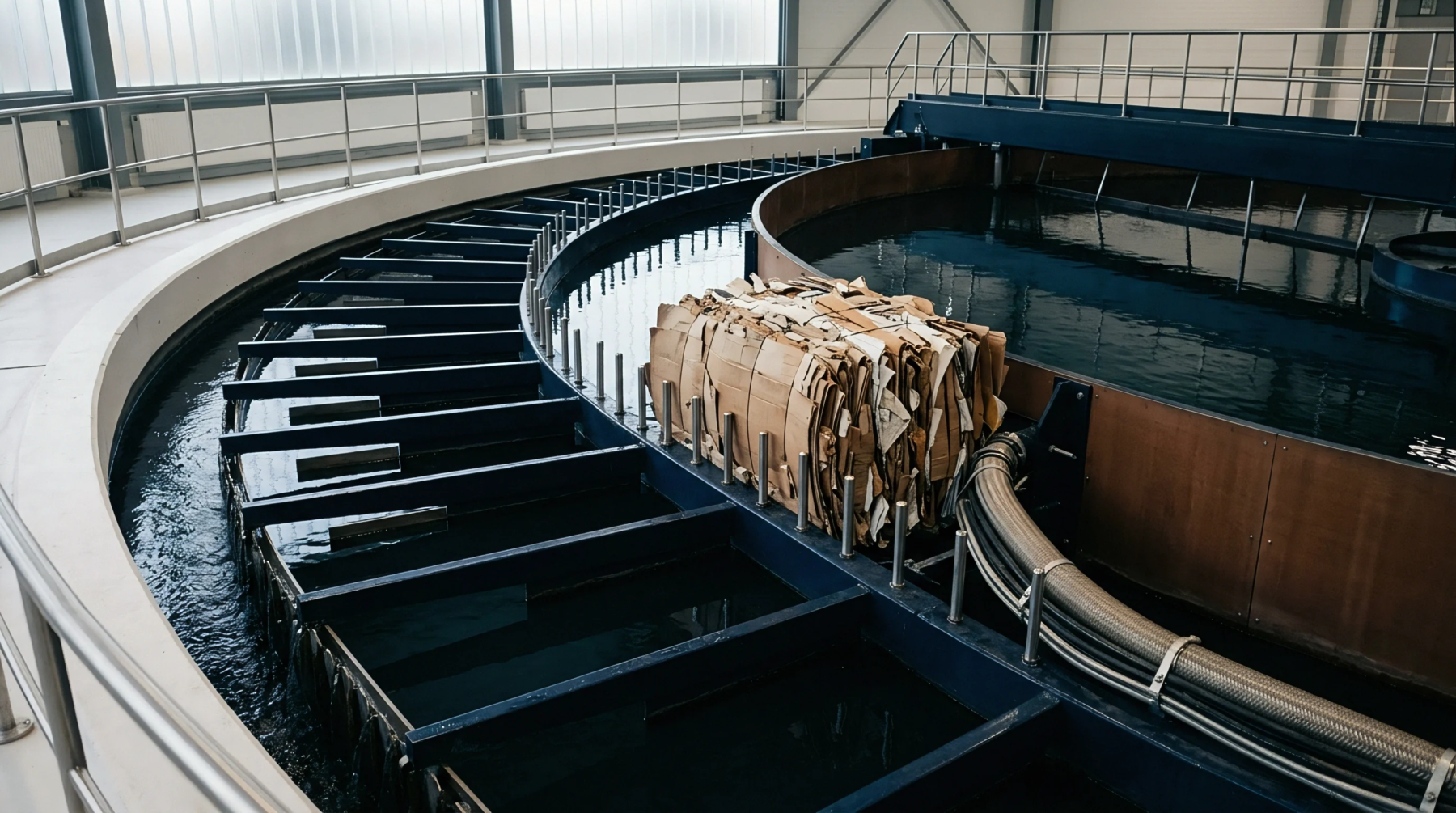
Extraction of a cylindrical section from a compressed mass of pulp provides a representative sample for moisture testing. Performing pulp bale core drilling allows a laboratory to assess the internal water content of a shipment without dismantling the entire bale. This technique is standard in the trade for determining the air dry weight of the raw material.
It ensures that both the buyer and seller agree on the actual fibre mass being traded.
Physical Extraction
A hollow bit penetrates the side of the bale to a specified depth to collect the material. During pulp bale core drilling, the tool must move at a speed that does not generate enough heat to evaporate the water in the sample. The extracted plug is immediately sealed in an airtight container.
Accuracy Control
Statistical validity depends on taking a sufficient number of samples from different locations across the lot. While surface tests only measure the exterior, pulp bale core drilling reaches the centre where moisture levels are often higher. The pattern of the holes follows a template defined by international standards to avoid bias.
These samples are then weighed and dried in an oven to find the dry matter percentage. Failure to follow the correct drilling pattern can lead to significant errors in the final invoice value.