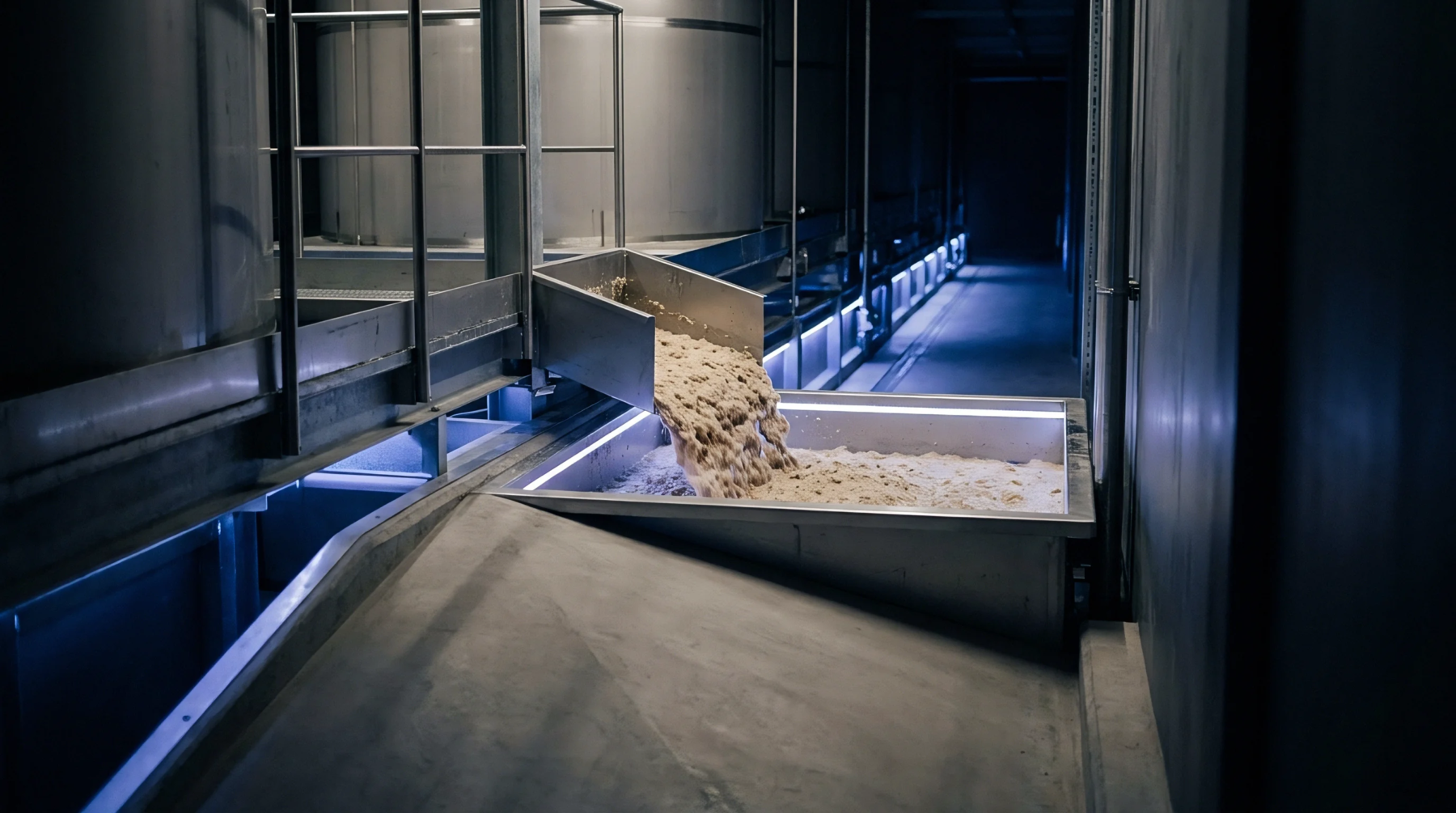
Recyclability Metric
Assessment of the ease with which a paper or board product can be broken down into individual fibres in a standard pulping process determines its suitability for the circular economy. Repulpability rating quantifies the percentage of the material that passes through a screen after a defined period of mechanical agitation. High scores indicate that coatings or wet-strength treatments do not prevent the recovery of usable fibre.
This value is a primary consideration for mills that source post-consumer waste as a raw material.
Evaluation Process
Laboratory testing involves disintegrating a sample in water under controlled temperature and consistency conditions. The repulpability rating accounts for the amount of reject material, such as flakes or plastic films, that remains on the vibrating screen. Coatings and wet-strength treatments that dissolve or disperse easily contribute to a higher rating and more efficient mill operations.
If a sample produces excessive non-fibrous clumps, the rating falls, signaling potential issues for the paper machine drainage system. Standardized methods provide the baseline for these measurements.
Design Specification
Brands and converters use this metric to select barrier coatings that do not compromise the recycling stream. Optimization of the rating ensures that complex packaging structures remain compatible with existing infrastructure.