Optical Diffusion
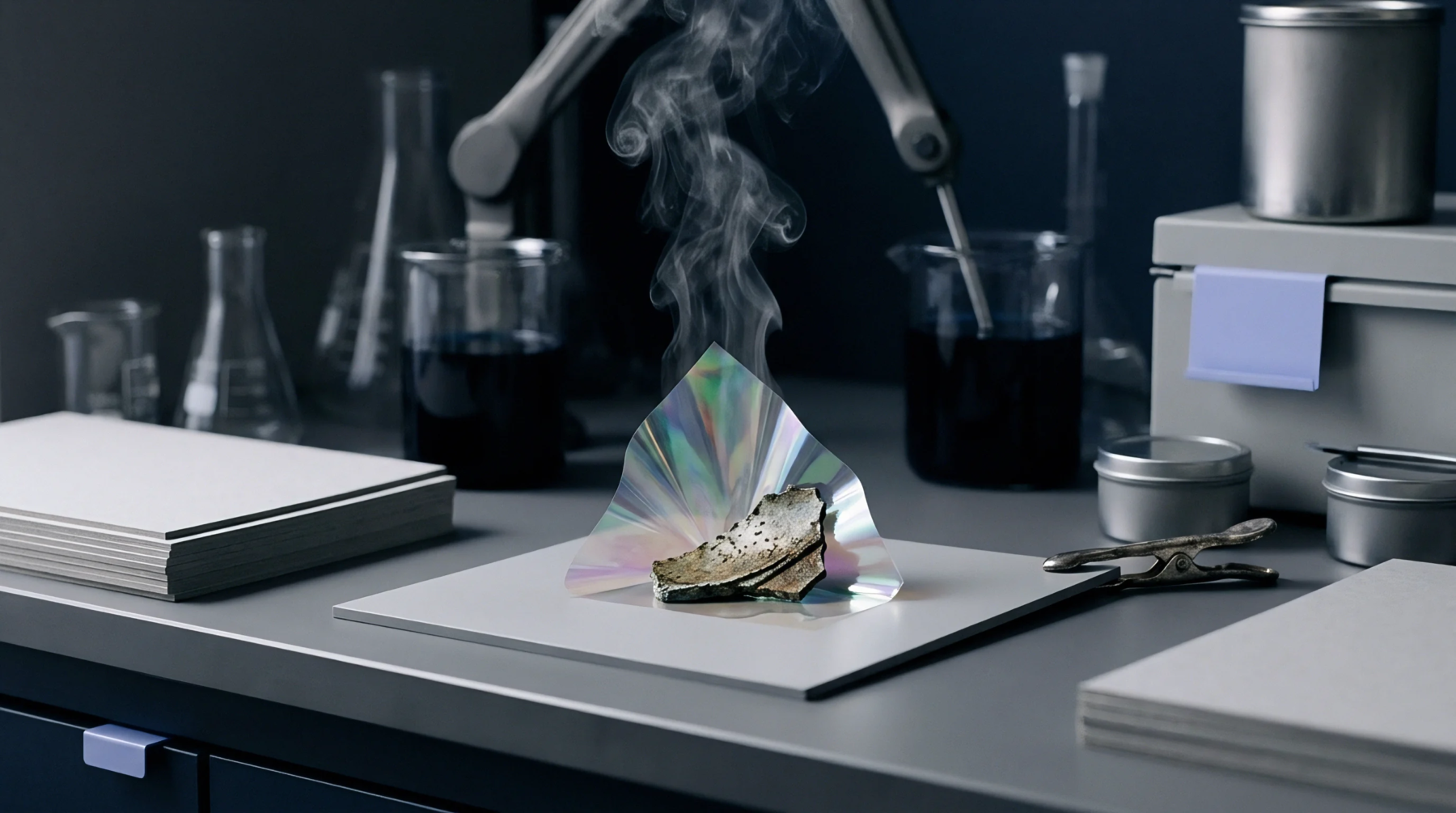
Angular redirection of light hitting a polished or coated surface occurs when microscopic imperfections disrupt the perfect path of the incoming rays. The effect of specular reflection scattering determines the perceived gloss and clarity of a printed image or a metallic film. Instead of a sharp, mirror-like reflection, the light is spread over a wider range of angles, which softens the highlights and reduces the visual contrast.
This property is a direct function of the surface roughness at a scale smaller than the wavelength of the light.
Coating Analysis
Pigment selection and the ratio of binder to solids dictate the final finish of a coated paper. High levels of specular reflection scattering are found in matte or silk papers where the surface is intentionally disrupted by large particles like calcium carbonate. In contrast, premium high-gloss papers use small, plate-like clay particles that lay flat to minimize this scattering.
Gloss meters measure the intensity of the light reflected at the specular angle, but goniophotometers provide a more detailed map of how the light is actually distributed.
Visual Quality
Legibility of text on a screen or a printed page depends on the management of glare. Excessive specular reflection scattering in a laminate film can make a package look cheap or make the nutritional information difficult to read under bright store lights. Brand owners often specify a maximum haze value to ensure that the graphics underneath the film remain sharp and vibrant.
This measurement is particularly important for window patches in food boxes where the consumer needs a clear view of the product. Using anti-reflective coatings or adjusting the surface texture during extrusion are common ways to control this optical behavior. Precise control over these light paths allows for the creation of sophisticated visual effects in folding carton design.
Consistency in scattering across different production batches is necessary to maintain brand integrity on the retail shelf.