Bevel Hydrodynamics
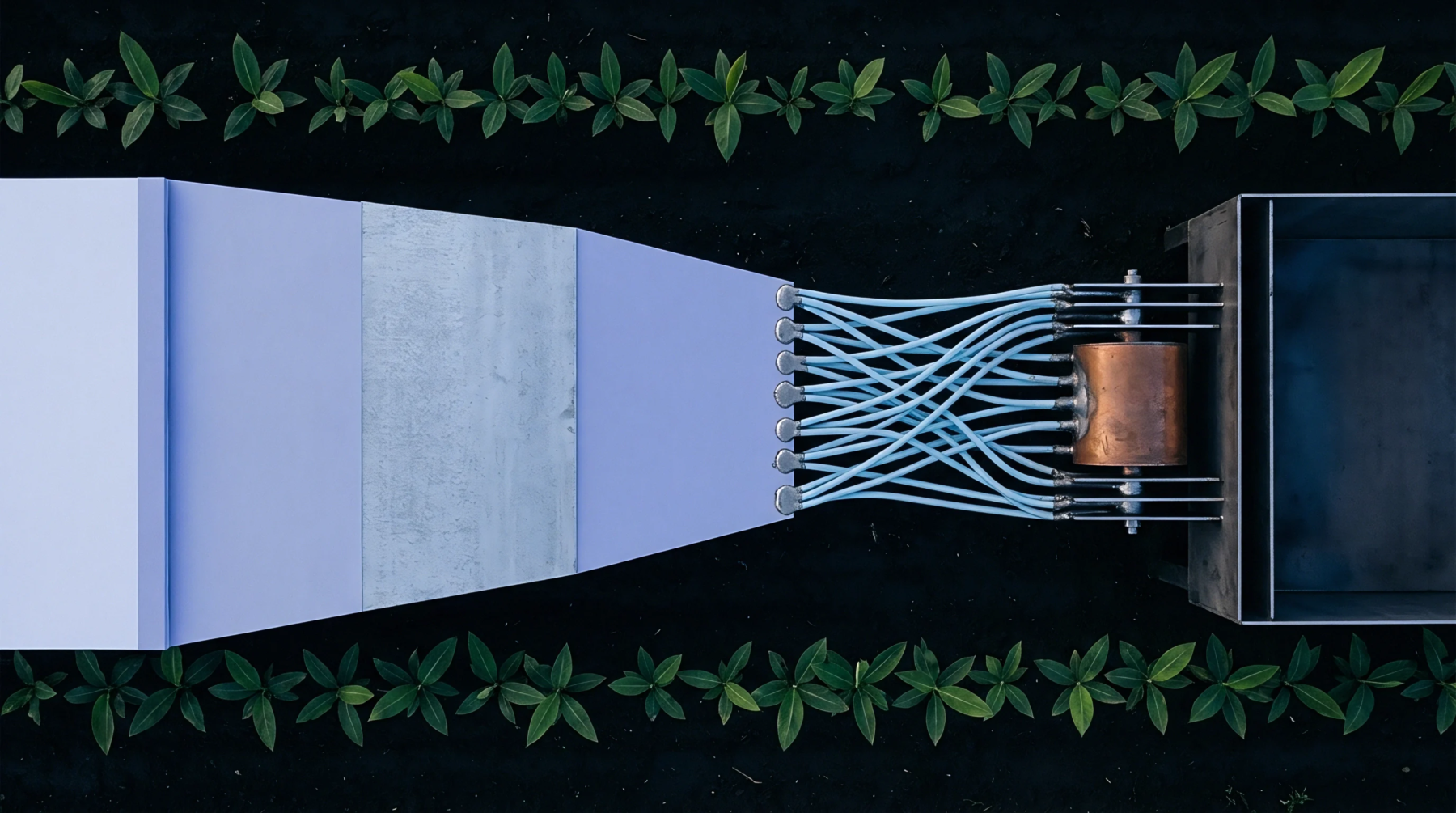
High-angle application configurations that clamp bevel-ground steel blades at angles between thirty-five and fifty degrees against web backing rolls meter heavy liquid coatings. Utilizing stiff blade metering produces smooth, level coating surfaces on paperboard by scraping high substrate points flat. High clamping angles force the bevel face parallel to the backing roll, creating a rigid metering zone governed by mechanical pressure.
Operational limits are reached when high machine speeds generate excessive hydrodynamic lift that lifts the blade edge or when tip wear degrades coat weight uniformity.
Leveling Action
Surface leveling occurs because the rigid steel tip acts as a doctor knife, filling valleys and scraping coat weight off high fibre peaks. Hydraulic pressure under the narrow bevel face remains high, forcing excess slurry back into the application pan. Base sheet roughness determines local coat weight distribution because fluid volume matches substrate surface void volume.
Dense base sheets resist liquid penetration, producing thin, highly uniform coating layers under stiff metering conditions.
Operational Window
Abrasive pigment particles wear the steel blade bevel over time, altering contact angle and increasing coat weight deposition. High solids formulations prevent liquid strike-through but increase mechanical wear on blade edges. Maintaining precise blade angle and tip pressure ensures uniform surface smoothness across continuous production runs.