Abrasive Composition
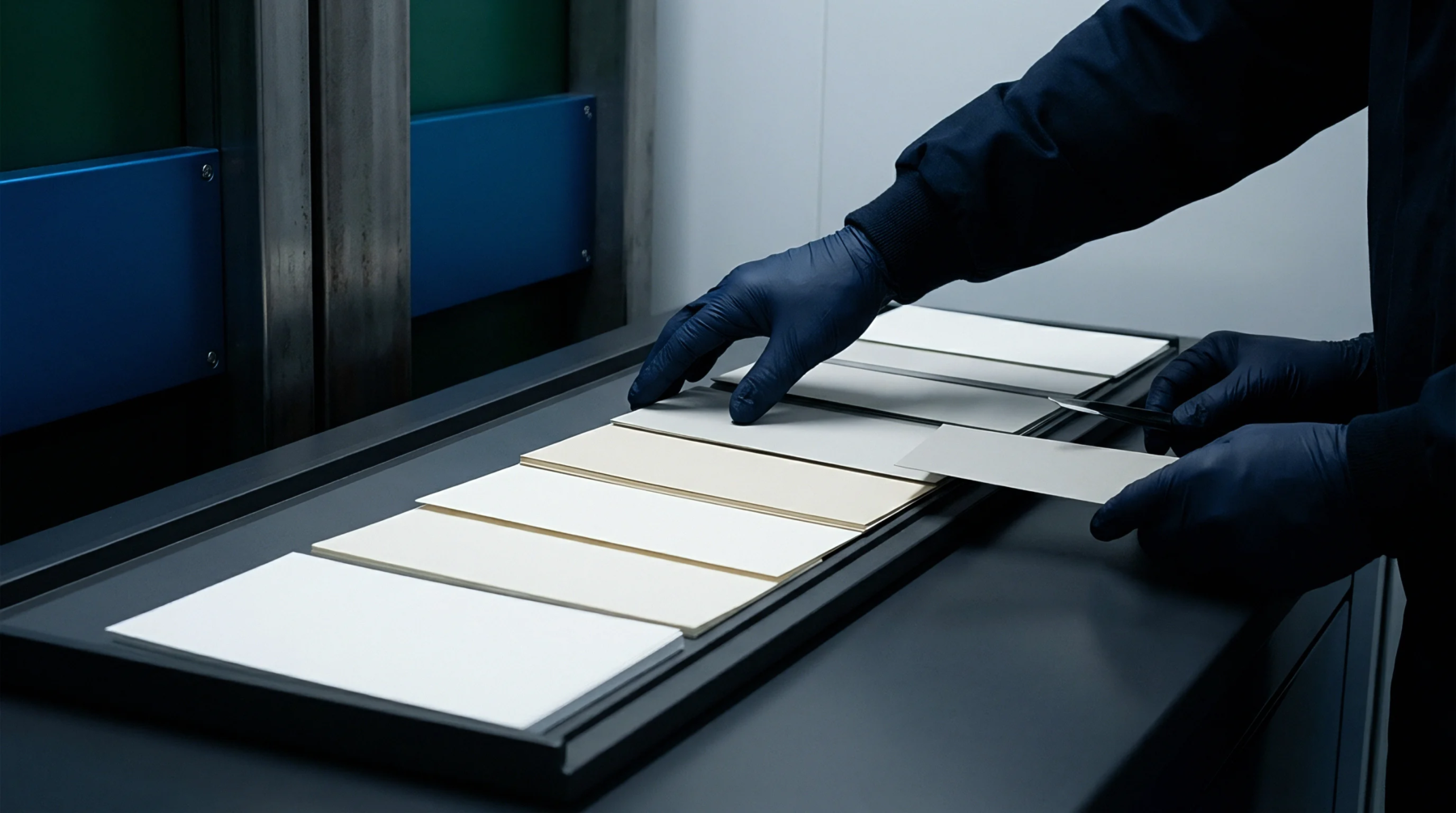
Synthetic rubber wheels act as the primary test medium for assessing the surface wear resistance of paper coatings and printed substrates. The taber abrasion cs 10f configuration consists of a resilient, non-impregnated compound designed to quantify material loss or visual degradation under controlled rotary mechanical action. This laboratory tool operates by rotating a flat sample under two weighted wheels, which exert a consistent load while traversing the surface in an arc.
Measuring the physical impact of these cycles identifies how effectively a protective laminate or varnish withstands rubbing without compromising the underlying print quality or structural integrity of the base sheet.
Operational Load
Precision demands that the substrate remains perfectly level during the rotation cycle to prevent edge bias or uneven material removal. Technicians apply a specific gram load to the arm assembly, which presses the wheel against the coating at a standardized speed. Variations in gram weight or rotation frequency alter the severity of the test, forcing producers to select a consistent protocol to ensure results remain reproducible across different print runs.
A low number of cycles often suffices for light packaging, whereas heavy duty folding cartons require high cycle counts to verify the coating adheres sufficiently to withstand repeated handling.
Performance Threshold
Data obtained from these tests translate directly into requirements for shipping environments and retail shelf longevity. Surface coatings must demonstrate minimal opacity loss or fiber exposure after the specified cycle count to pass quality control audits. If the wheels erode the ink layer too quickly, the manufacturer must adjust the formulation of the overprint varnish or modify the curing intensity.
Successful durability verification guarantees that the packaging protects its contents while maintaining aesthetic value throughout the supply chain.